B‑2 bomber strikes, nuclear sites & Hormuz Strait: Are US‑Iran nuclear talks in Geneva heading for a 2025 repeat?

Prior to the US strikes in June 2025, nuclear talks between Washington and Tehran had stalled over US demands that Iran halt enrichment on its soil, which Washington viewed as a pathway to developing nuclear weapons.
Introduction
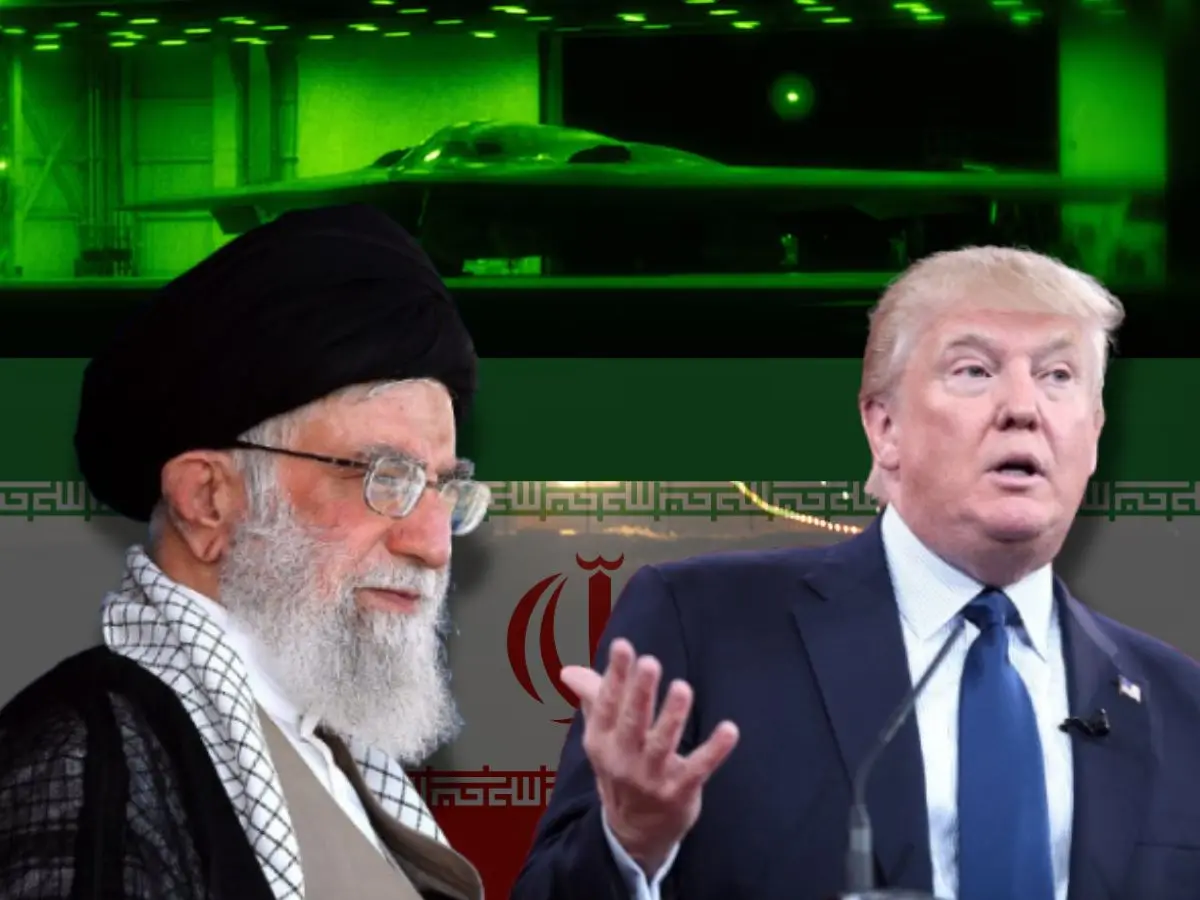
The latest round of indirect nuclear negotiations between the United States and Iran in Geneva unfolded amid rising regional tensions and a heightened US military presence in the Middle East. Mediated through Oman, the talks seek to address the longstanding dispute over Tehran’s nuclear programme, even as both sides maintain a show of military posturing. Coming just a week after a prior meeting in Muscat, the current situation bears striking similarities to the 2025 US–Iran-Israel crisis, evoking a strong sense of déjà vu among observers.
June 2025: Israel Strikes Iranian Nuclear Facilities
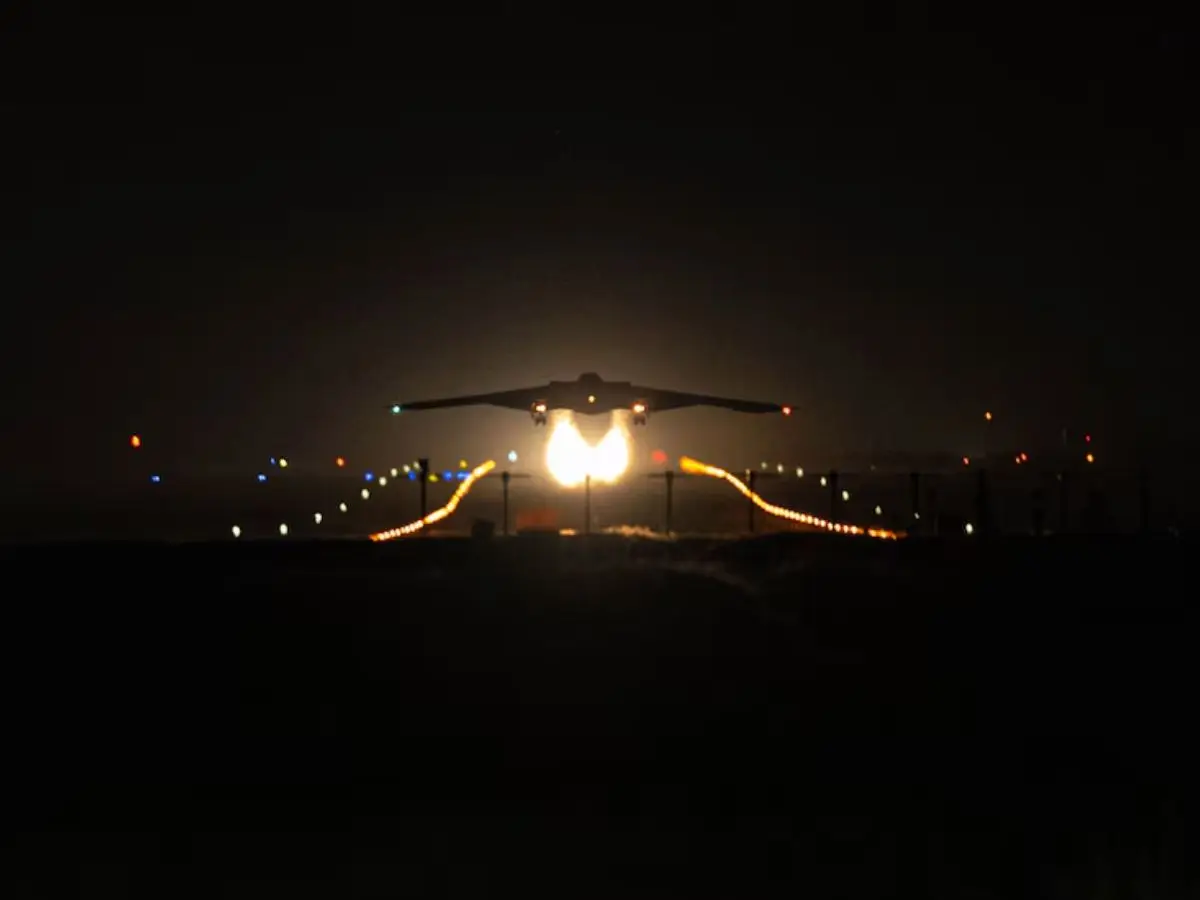
The diplomatic push follows a period of intense strain in mid‑2025. In June, Israel launched a broad air campaign against Iranian nuclear infrastructure across more than 100 targets, including key enrichment facilities. That campaign immediately drew in the US, raising the stakes across the region.
Operation Midnight Hammer: US Strikes
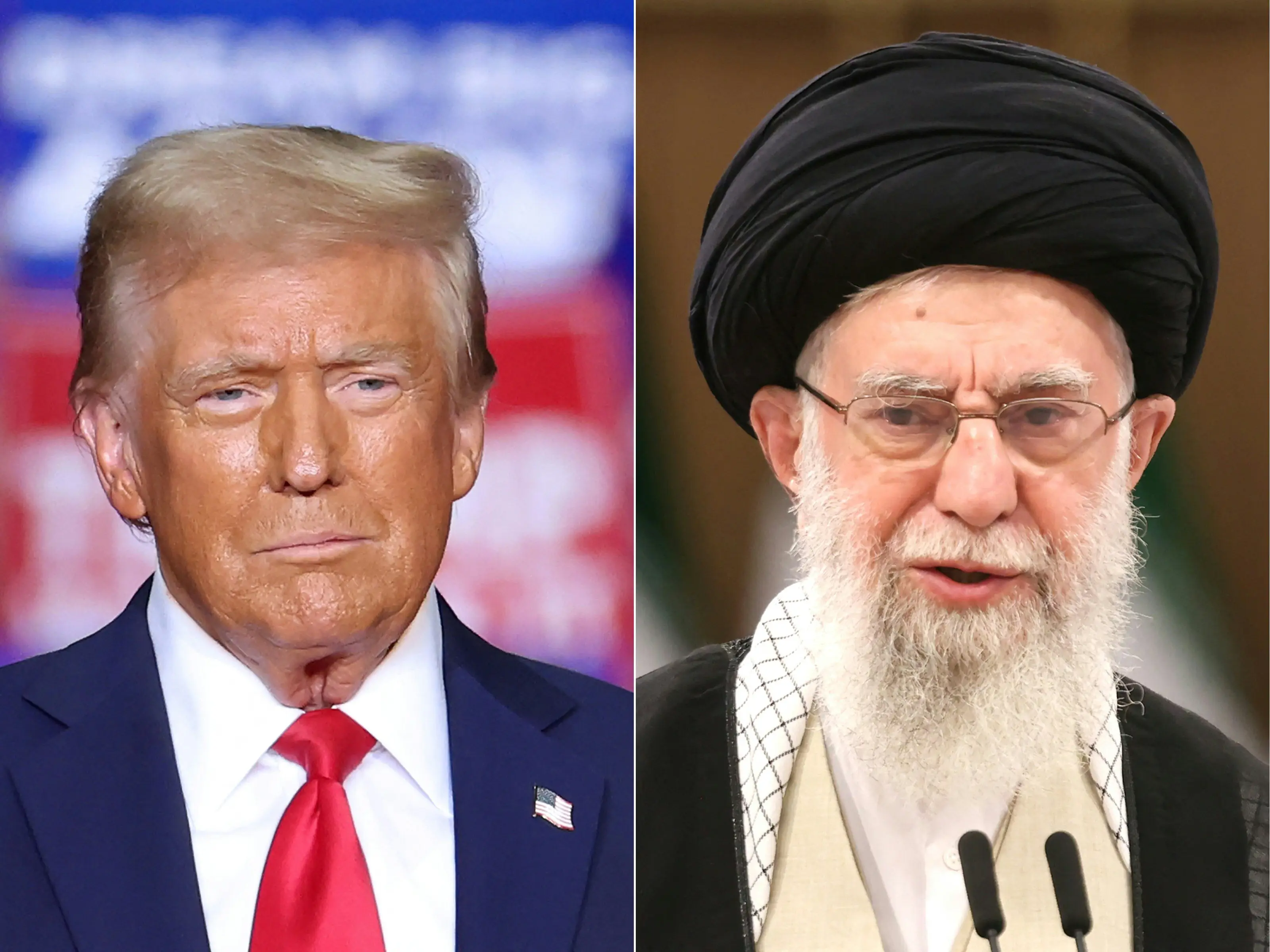
On June 22, 2025, US forces launched precision airstrikes, codenamed Operation Midnight Hammer, targeting three major Iranian nuclear sites, Fordow, Natanz, and Isfahan. The operation involved seven B‑2 Spirit stealth bombers, each carrying 14 GBU‑57 Massive Ordnance Penetrator (30,000‑pound) bombs, alongside Tomahawk missiles fired from a guided‑missile submarine. The strikes were designed to significantly degrade Iran’s capacity to enrich uranium to near‑weapons grade levels.
Strategic Impact and Hormuz Threats
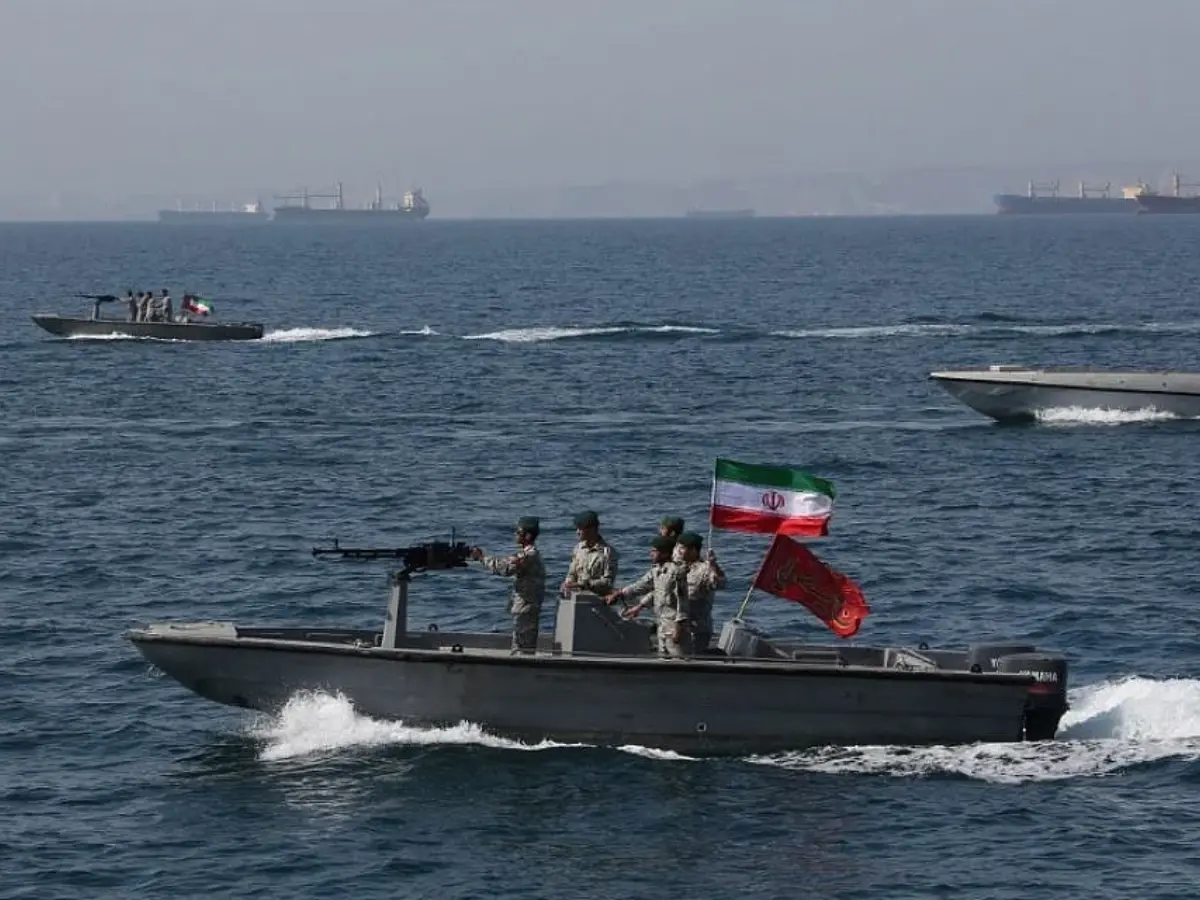
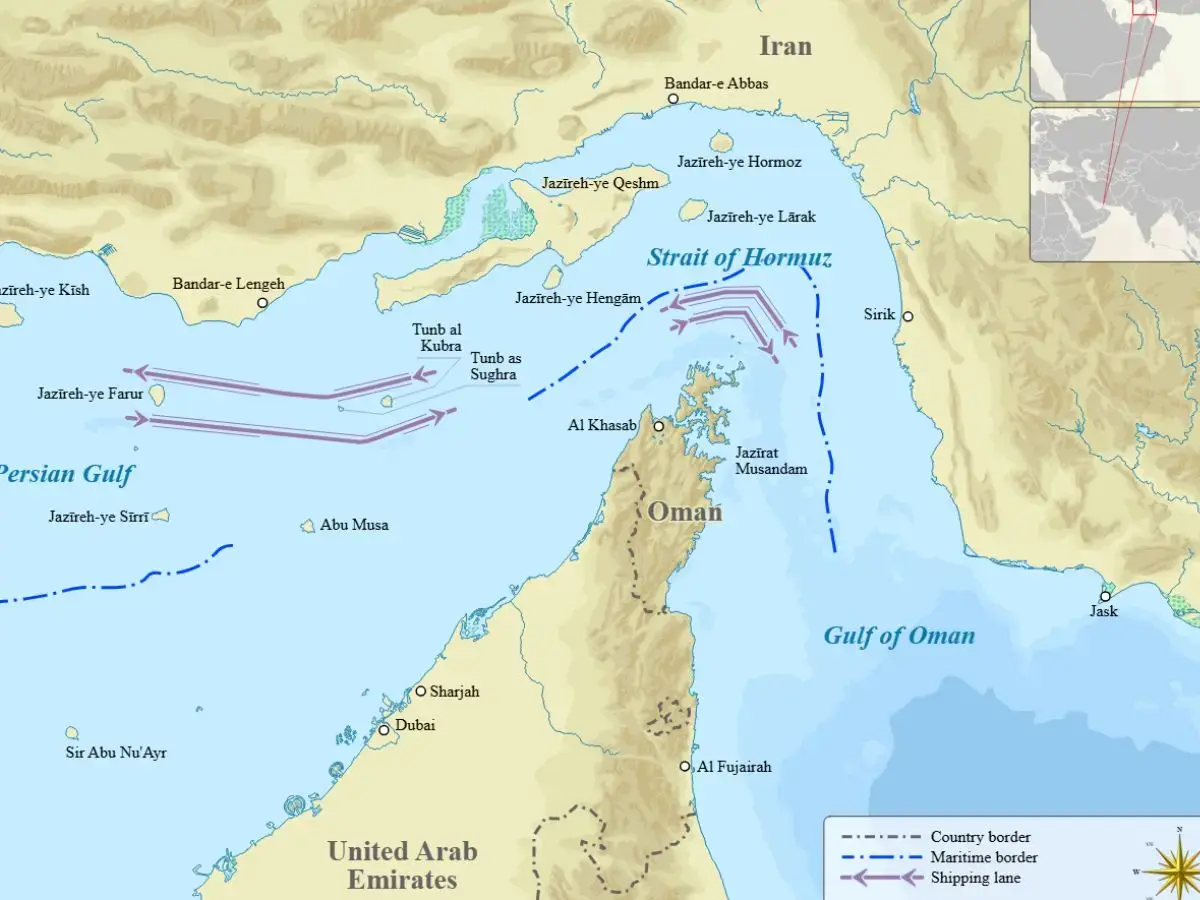
The Pentagon reported that the strikes set back Iran’s nuclear programme by an estimated one to two years. These were the first US offensive strikes on Iranian territory in decades, representing a sharp escalation in the wider Israel‑Iran conflict. In response, Tehran’s parliament voted to close the Strait of Hormuz, a chokepoint through which roughly 20 per cent of global oil supply transits, though the Supreme National Security Council ultimately did not implement the closure.
Incidents unfold in similar pattern?
Fast forward to 2026, and similar tensions are playing out. While diplomats convene in Geneva, Iran’s Revolutionary Guard has begun military drills in and around the Strait of Hormuz, even firing live missiles into the waterway in drills coinciding with the talks. Sections of the strait have been temporarily closed as part of these exercises, reigniting global unease about supply disruptions.
Stalled Talks Before the 2025 Strikes
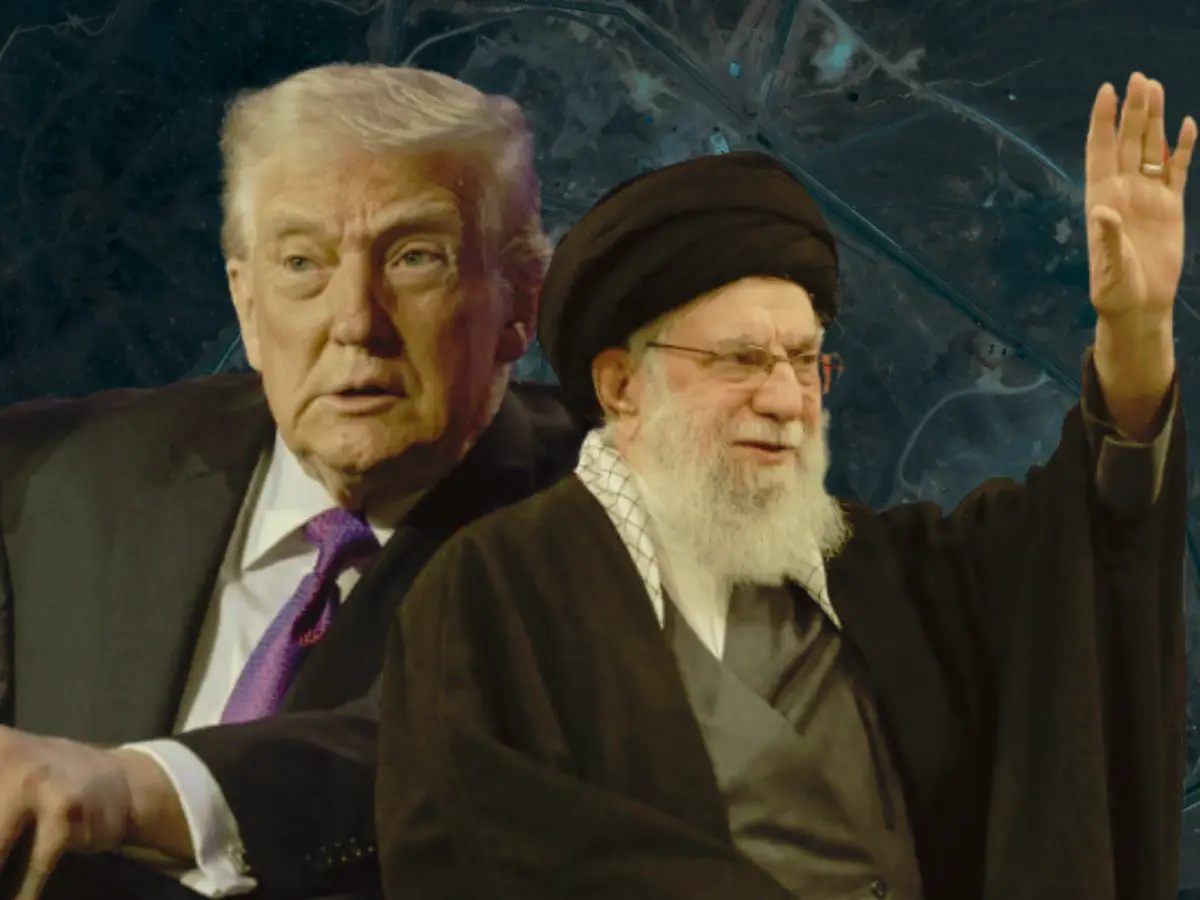
Prior to the US strikes in June 2025, nuclear talks between Washington and Tehran had stalled over US demands that Iran halt enrichment on its soil, which Washington viewed as a pathway to developing nuclear weapons. Much like today, the US and Iran were in the middle of months of meetings when Israel’s launch of a 12-day war against Iran back in June instantly halted the talks.
High Stakes and Diplomatic Pressure
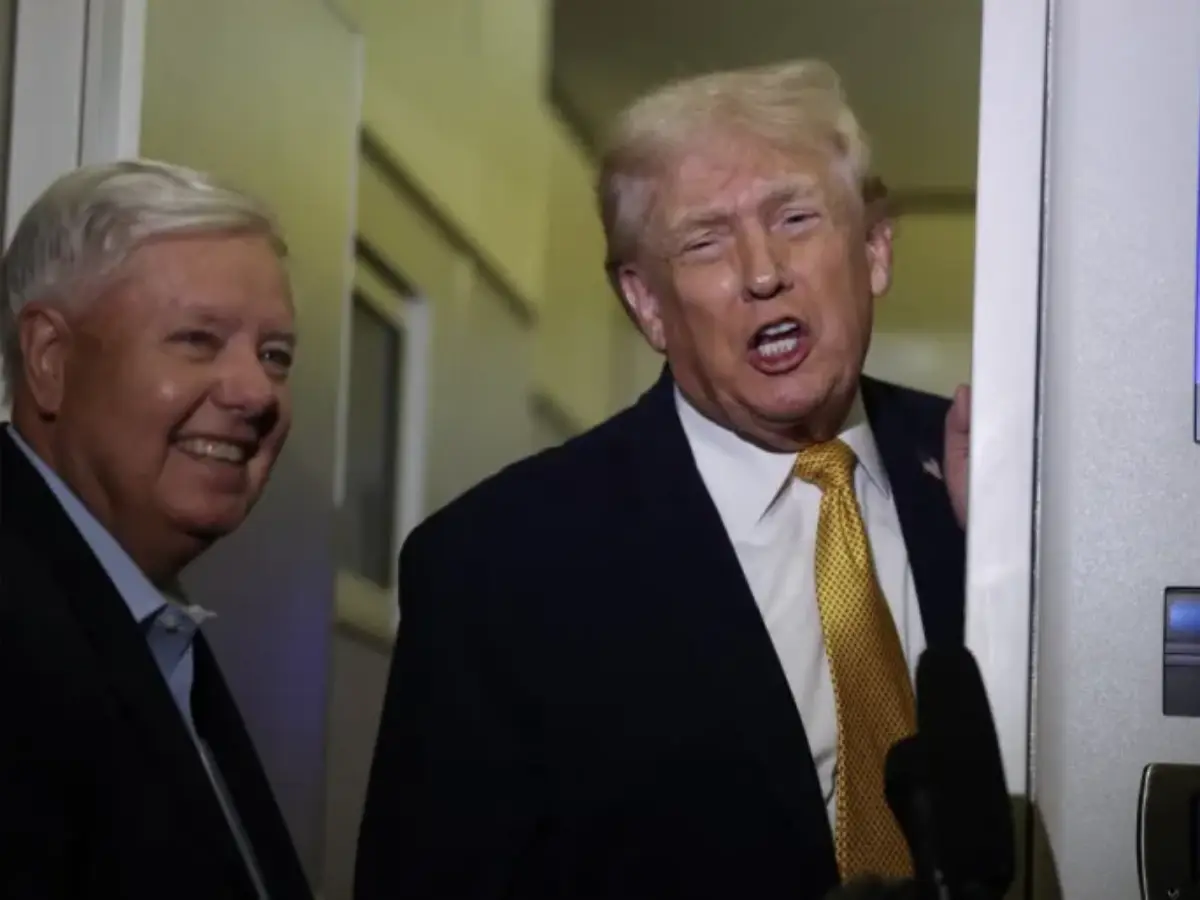
Much like 2025, US President Donald Trump emphasised that failed negotiations could have serious consequences. "We could have had a deal instead of sending the B‑2s in to knock out their nuclear potential. And we had to send the B‑2s," Trump said, noting he would be “indirectly” involved in the high‑stakes Geneva talks. The US has announced the movement of USS Gerald R. Ford strike group, which will join the USS Abraham Lincoln in the region, highlighting Washington’s military readiness. Reuters reports that several guided‑missile destroyers, fighter jets, and surveillance aircraft have also been repositioned to the Middle East.
Iranian leadership, meanwhile, reaffirmed that Tehran would not capitulate to coercion, even as negotiations attempt to bridge divides over enrichment, sanctions relief, and broader security concerns. The echoes of 2025, with dramatic strikes and threats to Hormuz, make the current talks feel like a replay of last year’s crisis, leaving the world watching closely.
)
)
)
)
)