B-2 Bomber vs Nuclear Submarine: Which is the deadlier weapon?

Both the B-2 Bomber and nuclear submarines are among the most advanced weapons in the US arsenal. But when it comes to raw power and strategic dominance, which one is deadlier? Let’s break it down in 7 key points.
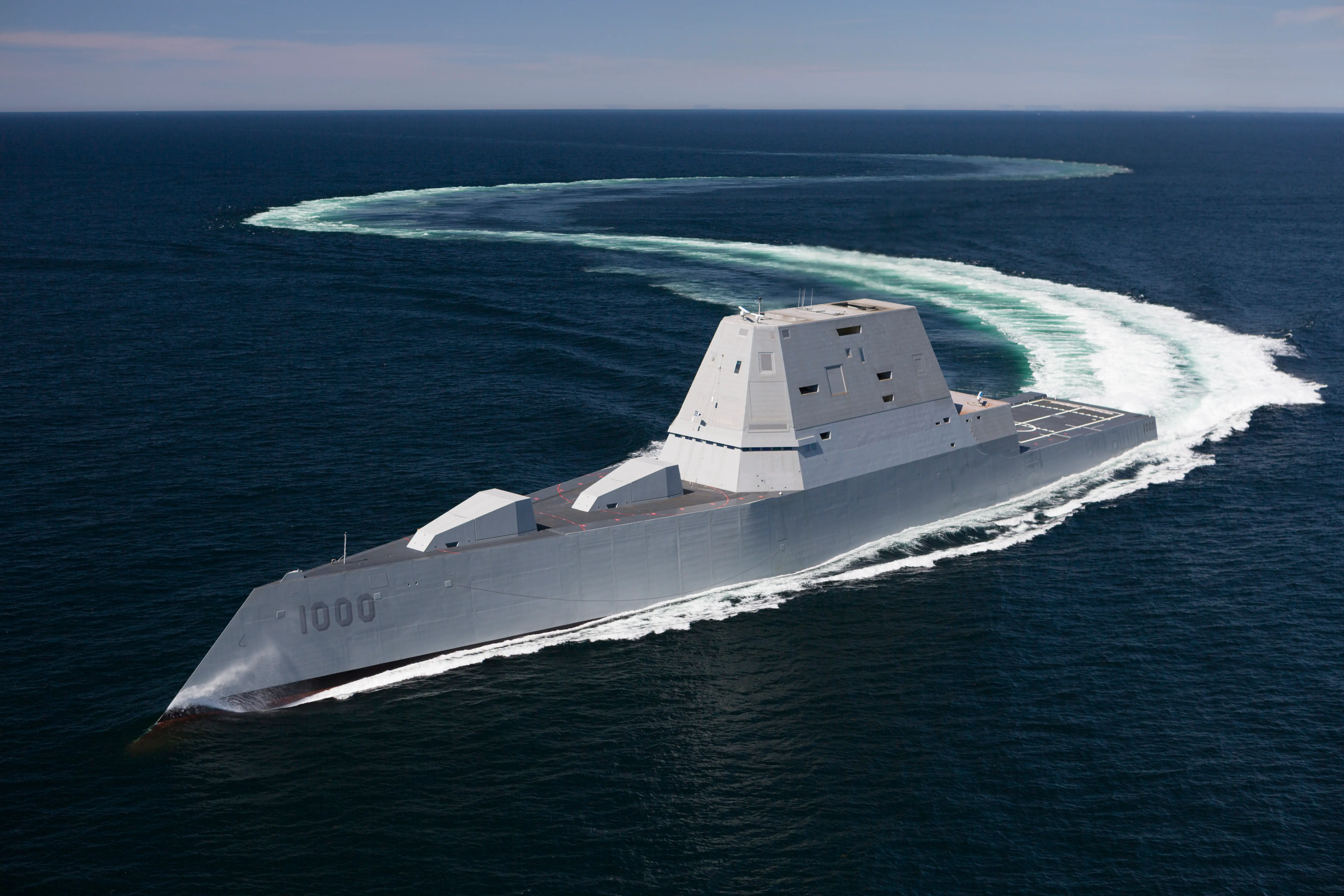
Stealth in the Skies vs Stealth in the Seas
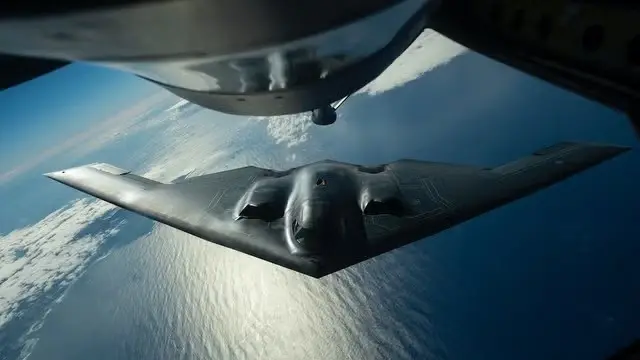
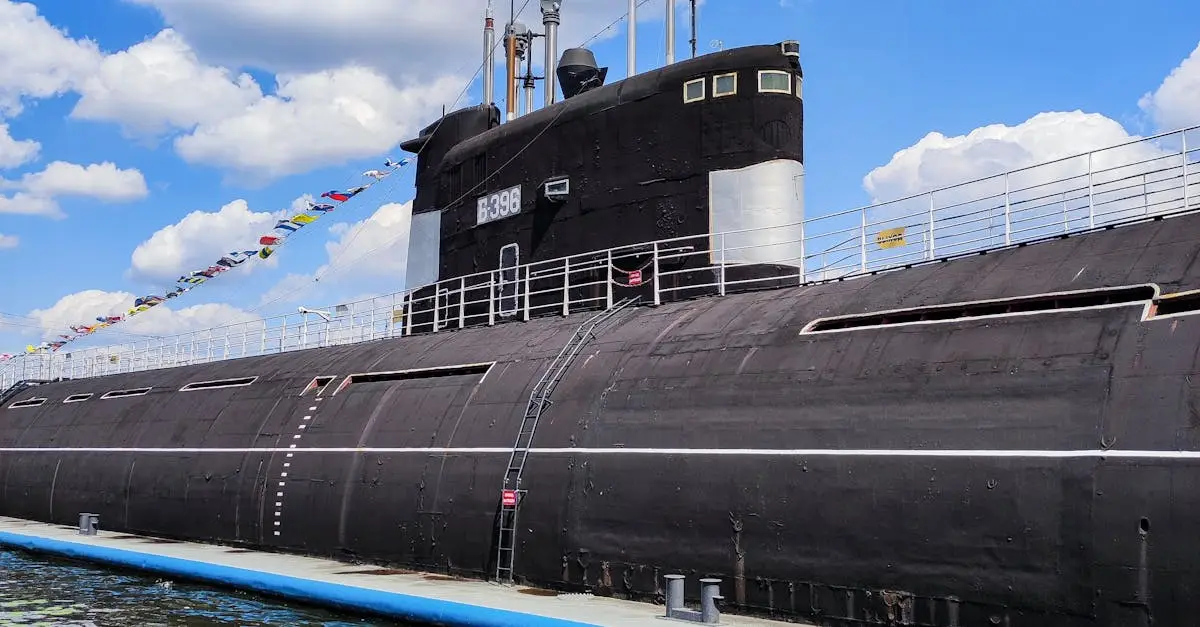
The B-2 Bomber uses radar-absorbing materials and a flying-wing design to stay invisible to enemy defence systems. Nuclear submarines, on the other hand, rely on deep-sea concealment, acoustic quieting, and sonar evasion to operate undetected. Both are built for stealth, but in entirely different environments.
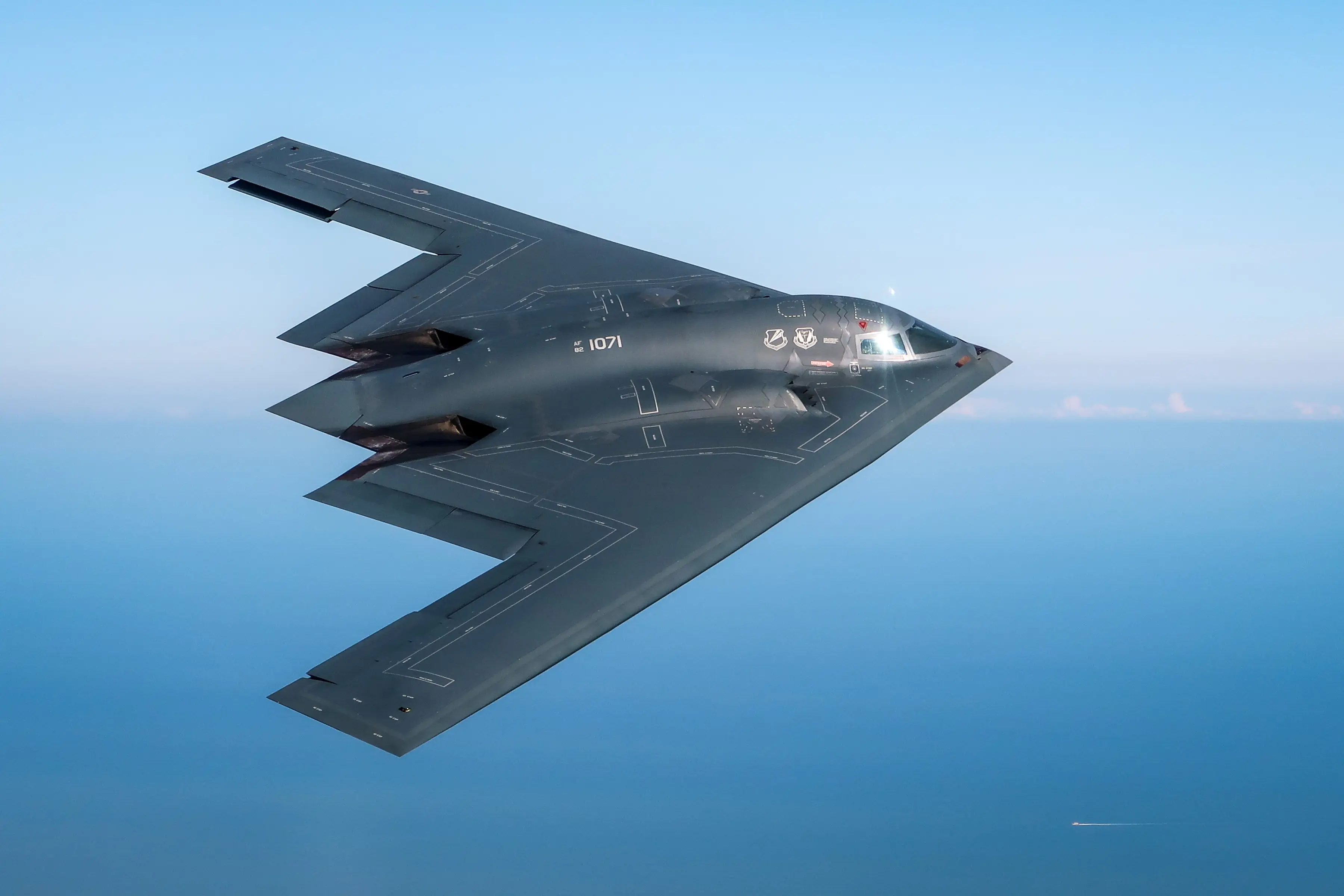
Strike Capability
The B-2 Bomber can carry up to 40,000 pounds of weapons, including conventional bombs and nuclear warheads, and strike anywhere in the world within hours. Nuclear submarines can launch ballistic missiles (SLBMs) capable of carrying multiple nuclear warheads, with ranges stretching over 7,000 miles.
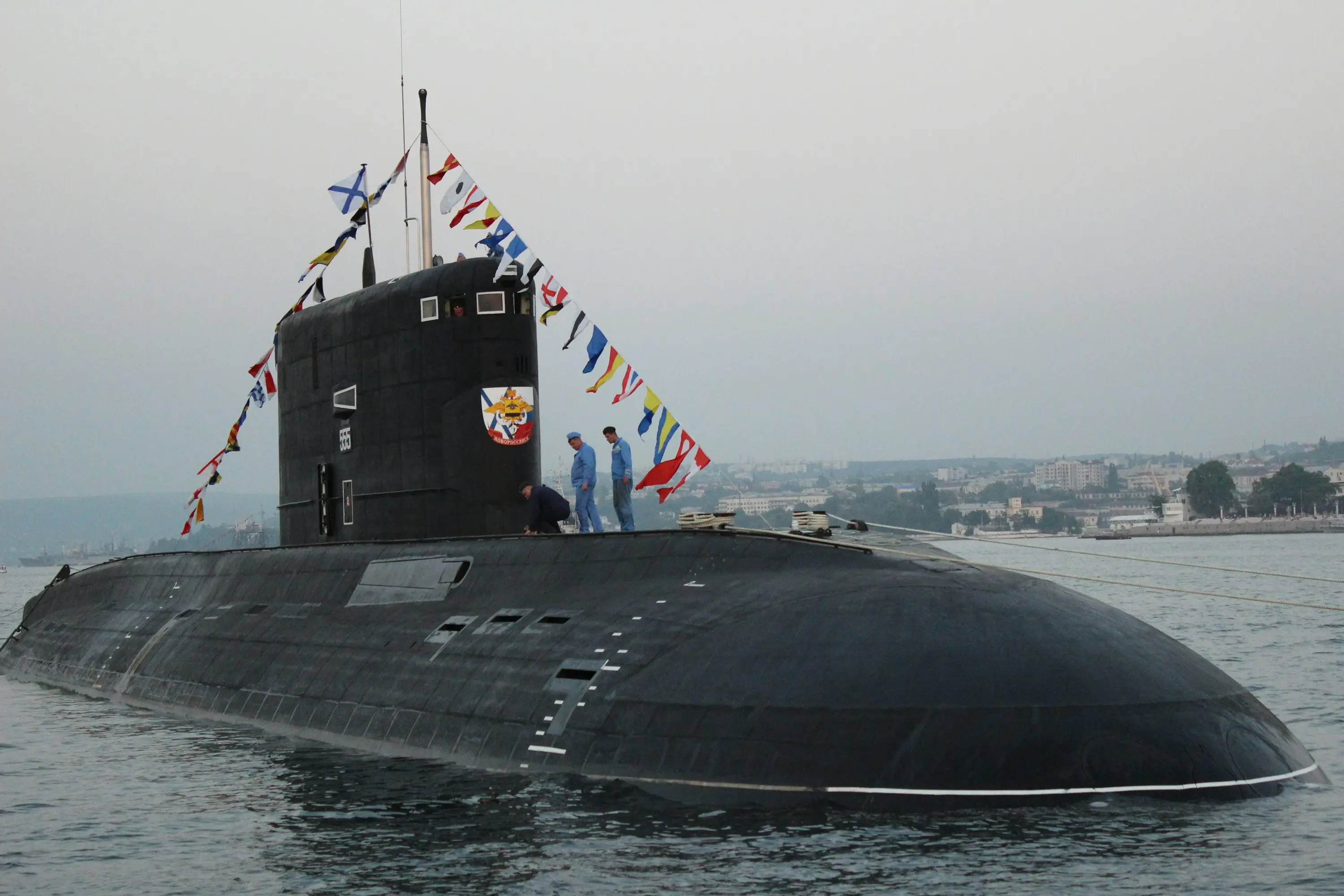
Endurance & Range
The B-2 Bomber can fly over 40 hours with aerial refueling, but it eventually has to return to base. A nuclear submarine, powered by a reactor, can stay submerged for months without surfacing, giving it unmatched endurance and persistence in combat readiness.
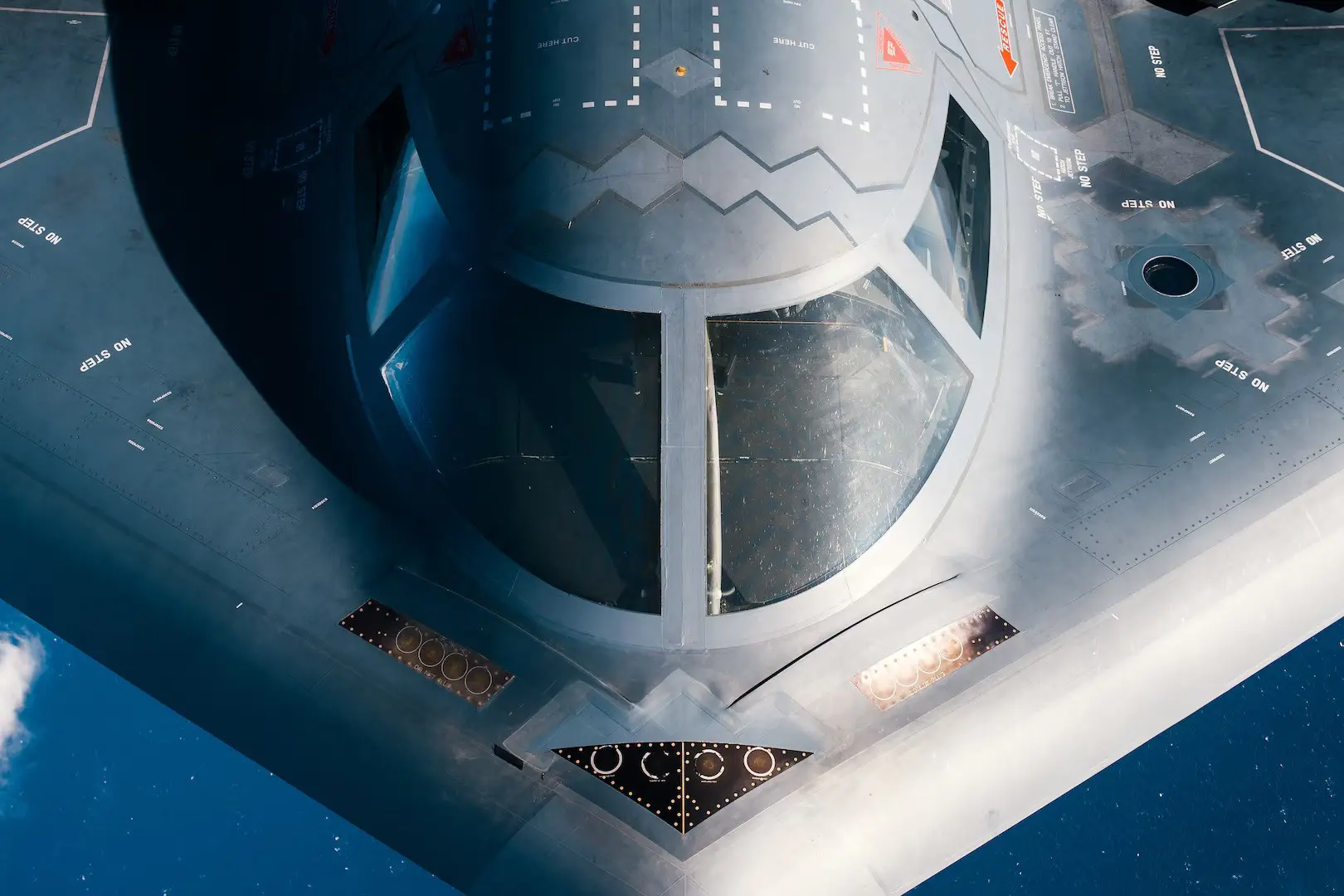
First Strike vs Second Strike
B-2 Bombers are often considered first-strike weapons—able to penetrate defenses and deliver precision nuclear or conventional strikes at short notice. Nuclear submarines are mainly second-strike assets, designed to ensure retaliation even if a country is hit by a surprise nuclear attack.
Survivability in War
While stealth makes the B-2 hard to detect, it still flies in contested airspace and faces the risk of being shot down. Nuclear submarines, hidden deep in the oceans, are much harder to locate and destroy, making them the most survivable leg of the nuclear triad.
Cost of Operation
Each B-2 Bomber costs over $2 billion, making it the most expensive aircraft ever built. Nuclear submarines like the Ohio-class or the upcoming Columbia-class also cost billions but provide decades of service with unmatched deterrence capability.
The Verdict: Deadlier Depends on Strategy
If the goal is to strike fast, deep into enemy territory, the B-2 Bomber is unmatched. But if the goal is long-term survival and guaranteed nuclear retaliation, the nuclear submarine reigns supreme. Both are deadly, but they serve different strategic purposes in global warfare.
)
)
)
)
)