B-2 bomber isn’t as huge as you think: See how it compares to the 3 largest military jets

Understanding its scale in relation to other notable aircraft, particularly the C-5M Super Galaxy, Antonov An-124, and B-52 Stratofortress, sheds light on the distinct roles these machines fulfil within their respective operational frameworks.
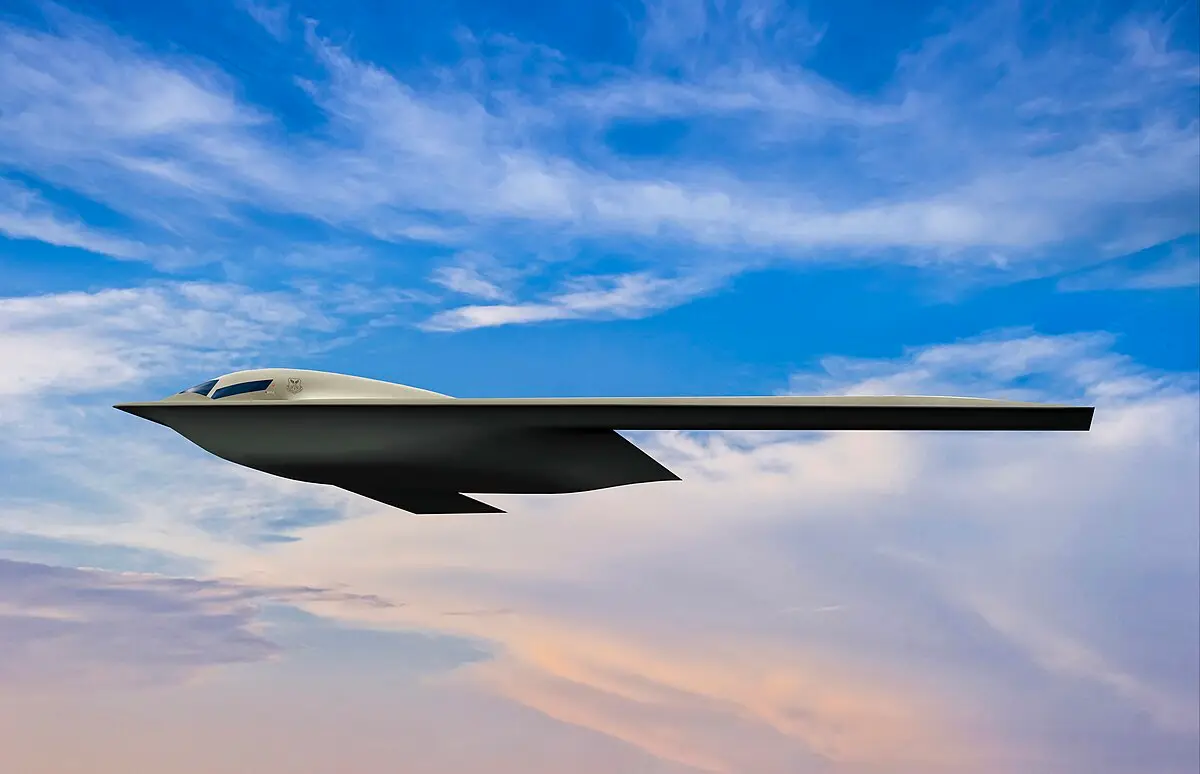
Introduction: The B-2 Spirit in Perspective
The realm of military aviation is defined as much by innovation as by scale. Among the most remarkable aircraft in service today, the Northrop B-2 Spirit stands out for its combination of stealth, precision, and strategic capability. While often celebrated for its low radar signature and long-range strike ability, it is comparatively modest in size when placed alongside the giants of military aviation. Understanding its scale in relation to other notable aircraft, particularly the C-5M Super Galaxy, Antonov An-124, and B-52 Stratofortress, sheds light on the distinct roles these machines fulfil within their respective operational frameworks.
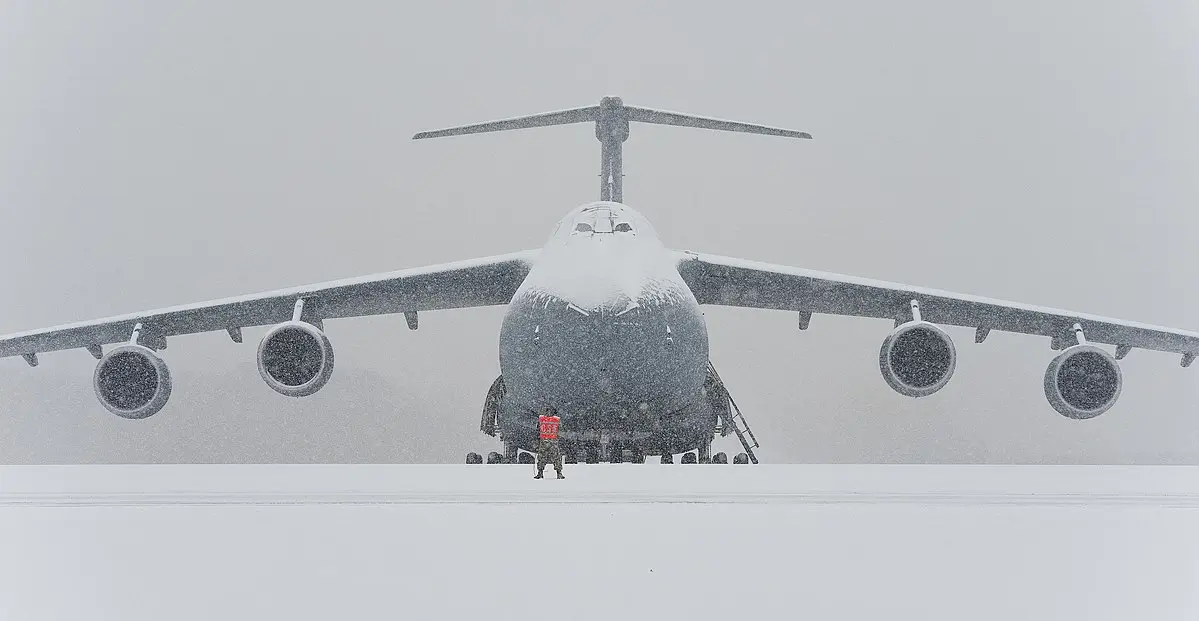
The Giant of Transport: C-5M Super Galaxy
The C-5M Super Galaxy is, by almost any measure, the largest aircraft in the United States Air Force. Designed as a strategic transport, it can carry tanks, helicopters, and other outsized equipment across intercontinental distances. Measuring 75.3 metres in length with a wingspan of 67.9 metres, the C-5M dwarfs the B-2 Spirit. Its maximum takeoff weight of 3,81,000 kilograms exceeds that of the B-2 by more than twofold. Compared with the B-2, the C-5M offers unparalleled internal space and cargo capacity, serving as a vital logistical asset rather than a combat platform. The B-2, by contrast, is optimised for stealth and payload delivery rather than sheer size, emphasising agility and minimal radar signature over carrying capacity.
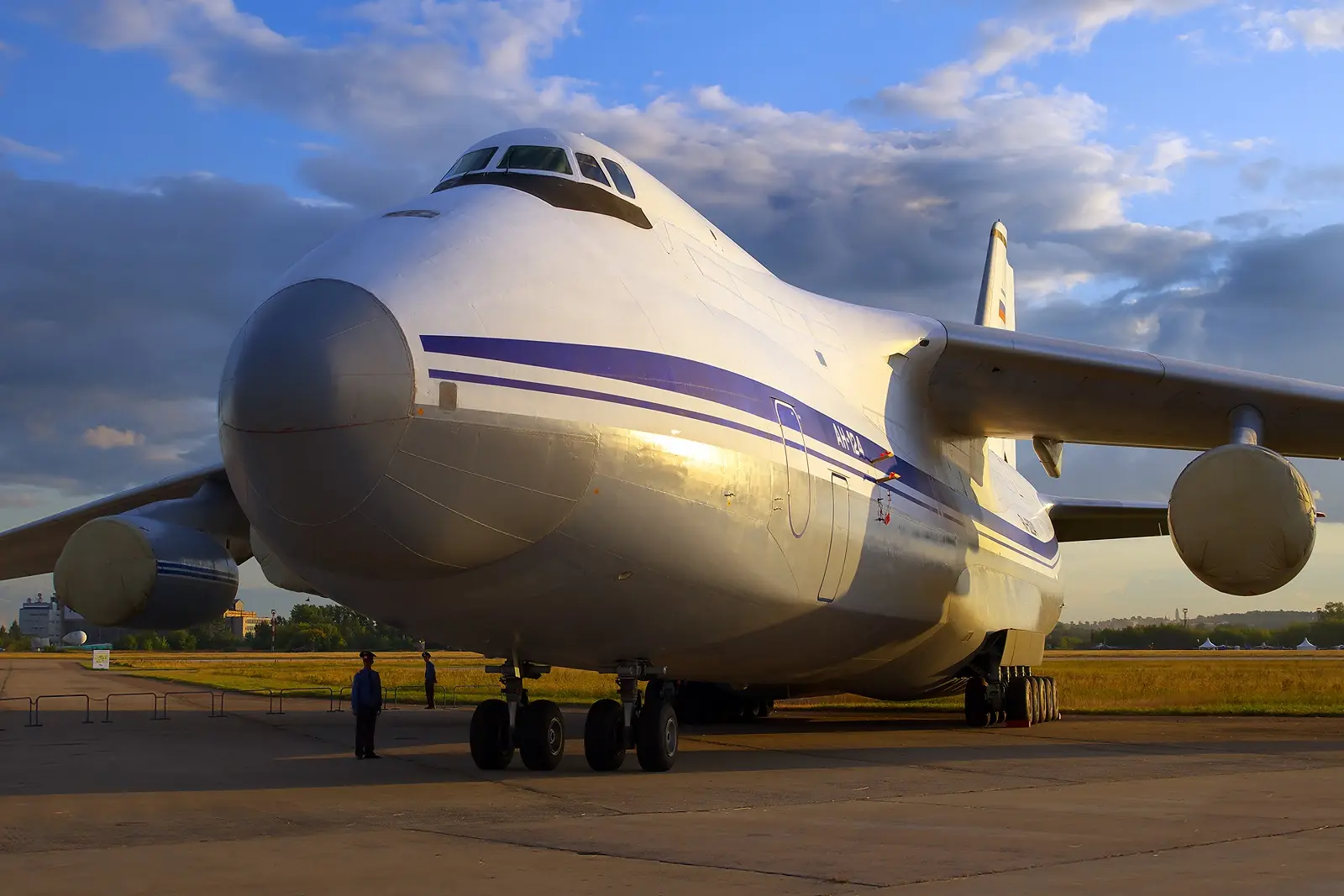
The Russian Heavyweight: Antonov An-124
The Antonov An-124 Ruslan, employed primarily by Russia and allied operators, is another example of a colossal military transport. Slightly shorter than the C-5M at 68.96 metres in length, its wingspan of 73.3 metres and maximum takeoff weight of 4,05,000 kilograms place it among the heaviest aircraft ever produced. The interior volume of the An-124 allows it to carry exceptionally large and heavy loads, a stark contrast to the B-2’s relatively compact fuselage designed to house bombs and sensors rather than cargo. When compared in terms of size and internal space, the B-2 appears diminutive, its mission-oriented design emphasizing efficiency, range, and stealth rather than bulk.
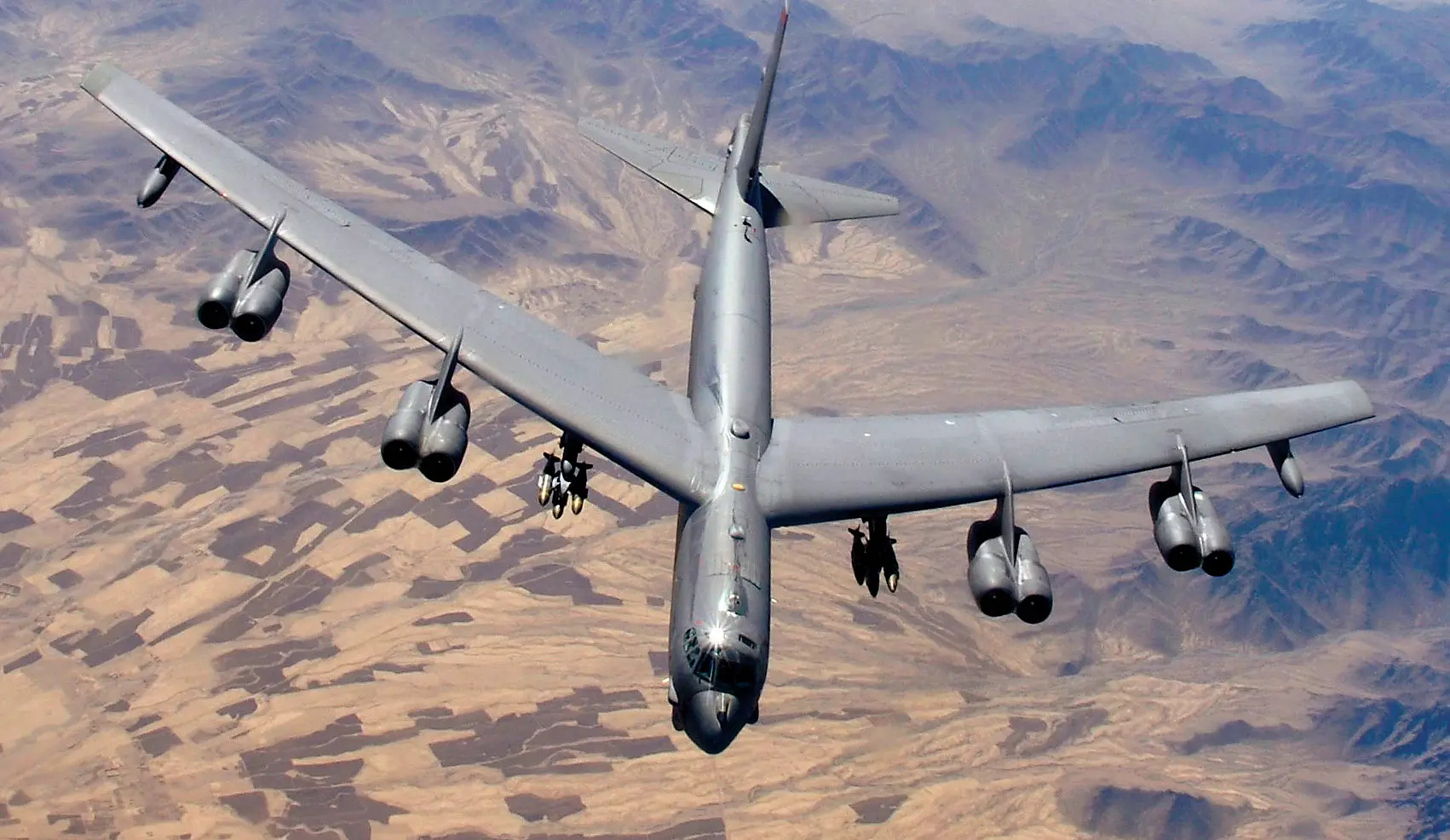
Long-Serving Bomber: B-52 Stratofortress
The B-52 Stratofortress represents the longest-serving strategic bomber in American service. Measuring 48.5 metres in length with a wingspan of 56.4 metres, it is considerably larger than the B-2 in terms of fuselage size and total payload capacity. Its maximum takeoff weight of 2,20,000 kilograms allows for a substantial arsenal of conventional and nuclear munitions. While the B-2 can penetrate heavily defended airspace with relative invisibility, the B-52 relies on altitude, range, and quantity to achieve mission objectives. In comparison, the B-2’s smaller size and flying wing configuration make it less conspicuous on radar, even if it carries a smaller total payload.
Design Philosophy and Operational Purpose
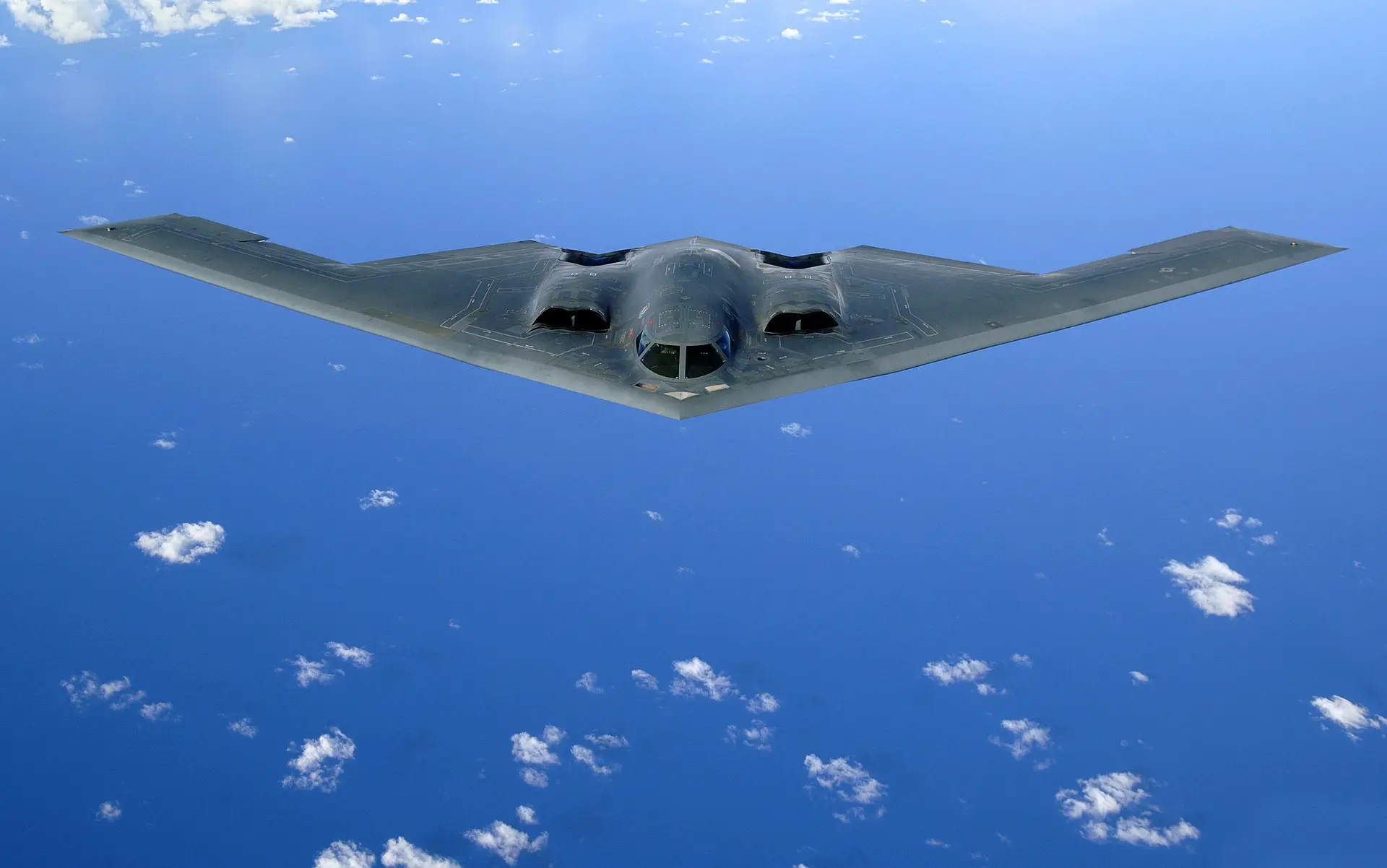
Beyond pure dimensions, the operational design philosophies diverge sharply. The B-2 Spirit’s 20.9-metre length and 52.1-metre wingspan are optimised to combine aerodynamic efficiency with stealth. Cargo and transport aircraft prioritise interior volume above all, while traditional bombers balance payload and range. The B-2 achieves mission success through precision and technological sophistication, requiring far less physical space than either a strategic transport or a conventional bomber of earlier generations.
Operational Implications of Size
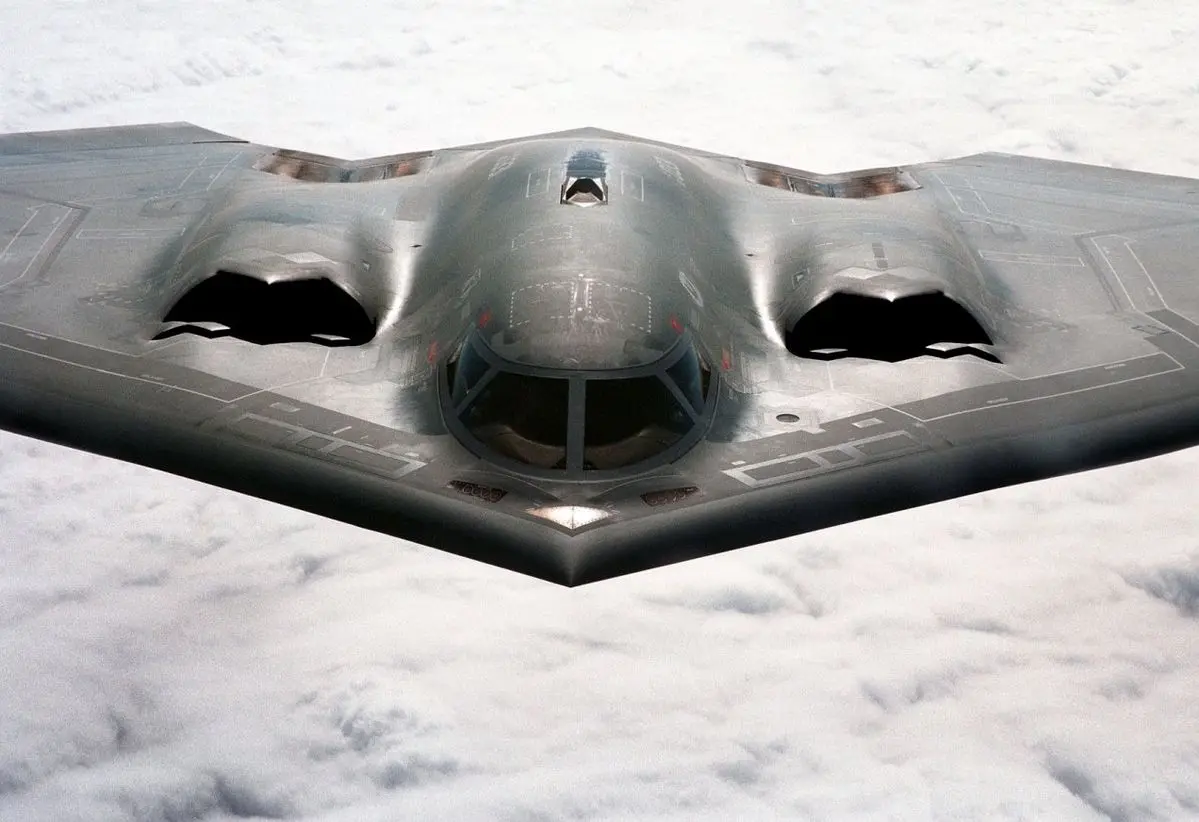
In practical terms, the comparison of size translates to operational versatility. The B-2’s compact and stealthy design allows it to access heavily defended areas that larger aircraft cannot approach without detection. By contrast, the C-5M and An-124 dominate logistical operations and large-scale transport missions, while the B-52 continues to serve as a long-range deterrent platform capable of carrying vast amounts of ordnance. Each aircraft excels within its niche, with the B-2 demonstrating that effectiveness in modern warfare does not necessarily correlate with size.
Conclusion: Scale versus Capability
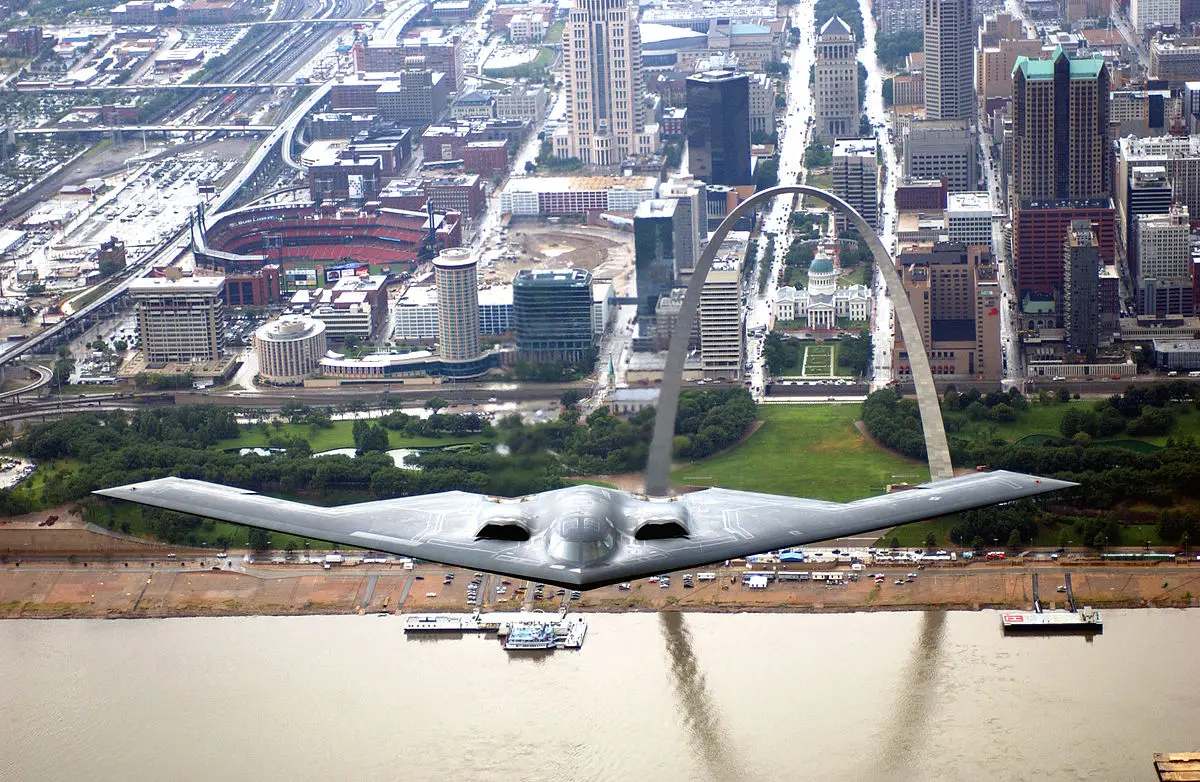
Ultimately, placing the B-2 Spirit alongside the largest military jets highlights the diversity of aerial capability within modern armed forces. Its size and internal volume are modest compared with transport behemoths and older bombers, yet its design reflects a different paradigm: one in which precision, stealth, and operational flexibility outweigh physical dimensions. The contrast underscores the evolving nature of military aviation, where technological sophistication can be as decisive as raw scale.
)
)
)
)
)