B‑2 bomber, F‑35s, Patriot & THAAD: A complete list of US assets that hit 1,250+ Iranian targets in 48 hours of ‘Epic Fury’

For the initial wave of attacks, the US military deployed a wide array of air and naval assets and a diverse arsenal of precision and long-range weapons, marking one of the most concentrated demonstrations of American military power in the region in recent decades.

Operation Epic Fury: The Context
The United States military has struck over 1,250 targets inside Iran in the opening 48 hours of the military offensive code-named “Epic Fury” by the Pentagon. The rapidly escalating conflict has drawn in multiple Middle Eastern states and triggered widespread international concern. According to a fact sheet released by US Central Command (CENTCOM), the strikes form part of a campaign aimed at dismantling Iran’s military infrastructure and degrading capabilities perceived as threats to regional and global security. Targets hit include command and control centres, ballistic missile sites, naval vessels and submarines, integrated air defence systems, and critical military communication networks, reflecting the scale and precision of the operation. For the initial wave of attacks, the US military deployed a wide array of air and naval assets and a diverse arsenal of precision and long-range weapons, marking one of the most concentrated demonstrations of American military power in the region in recent decades.
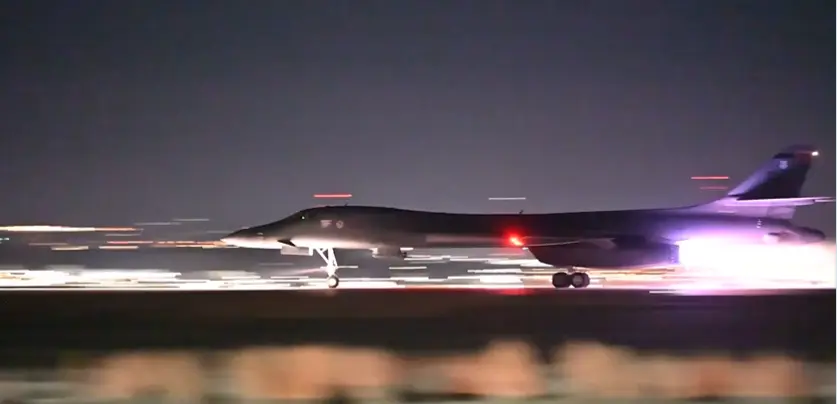
B‑1 Lancer Bombers
B‑1 bombers deliver large conventional payloads, including guided bombs and naval mines, striking ballistic missile facilities and command centres while maintaining long-range, sustained strike capability across multiple missions.
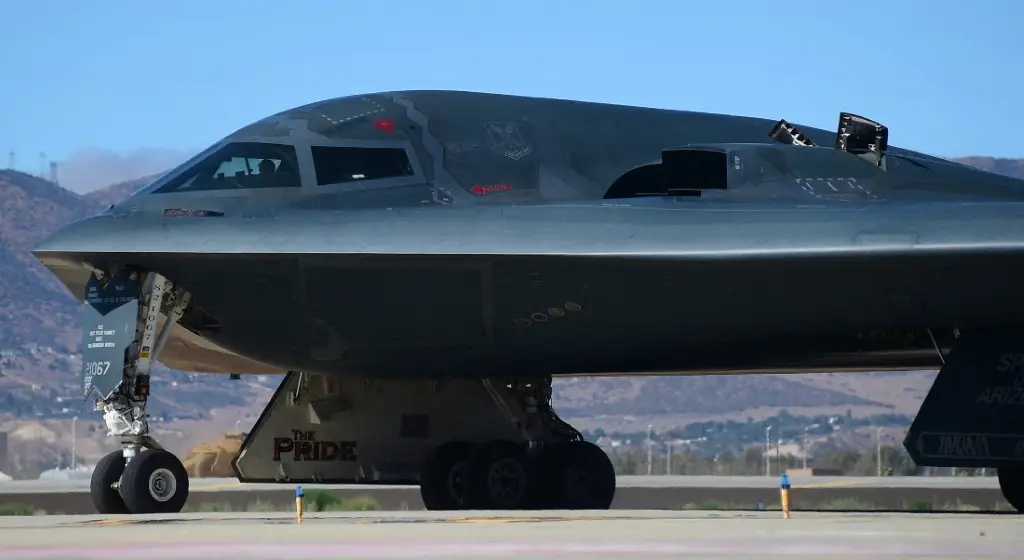
B‑2 stealth bombers
B‑2 stealth bombers penetrate high-threat airspace, striking hardened targets with precision. Their low-observable design enables attacks on missile silos and critical infrastructure while minimising detection.
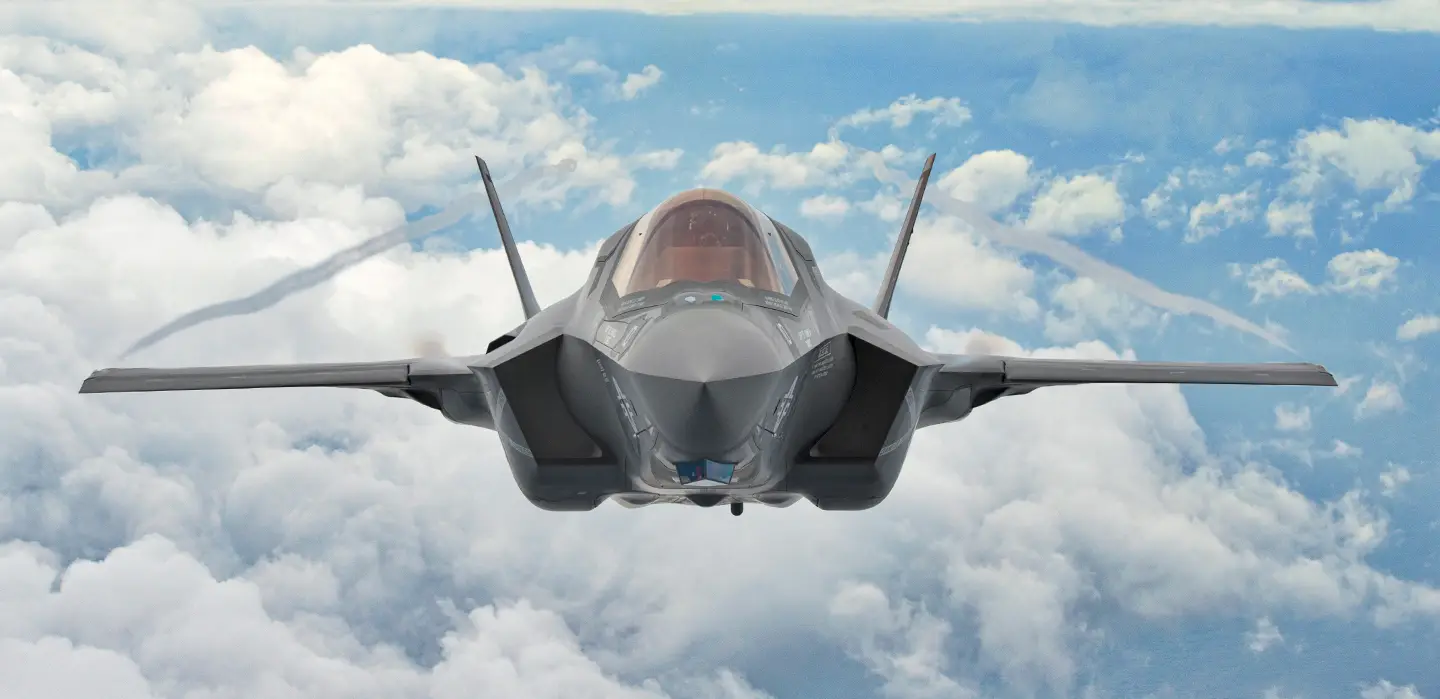
F‑35 Lightning II
F‑35 stealth fighters strike strategic targets while providing air superiority. Advanced sensors and networked targeting ensure coordinated operations with other air assets and real-time battlefield intelligence.
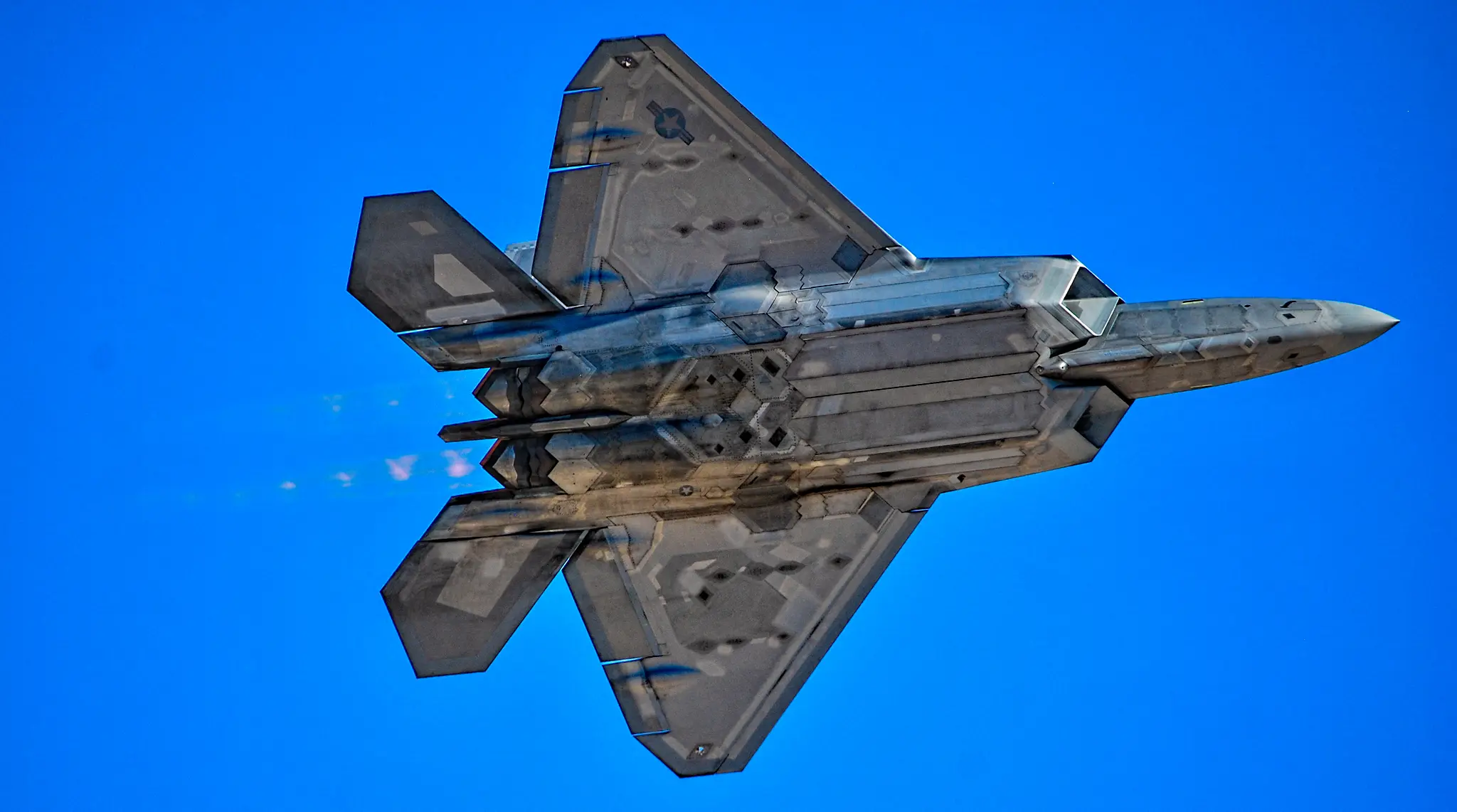
F‑22 Raptor
F‑22 fighter jets dominate the skies, intercepting potential threats and protecting strike packages. Their stealth and radar capabilities maintain control over contested Iranian airspace.
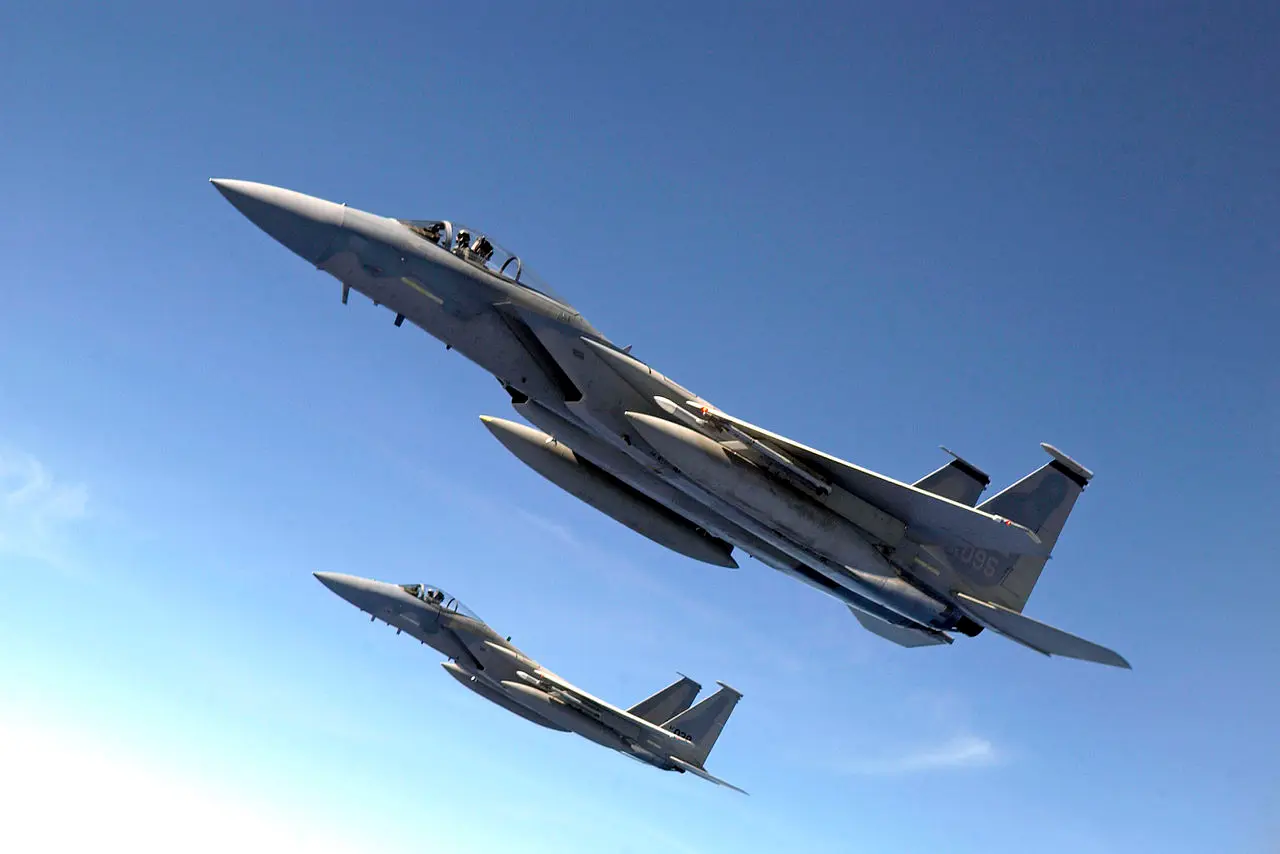
F‑15 Fighter Jets
F‑15s are capable of executing multi-role missions, delivering precision-guided munitions and supporting air-to-air operations. They complement stealth platforms, engaging identified targets and enhancing operational flexibility.
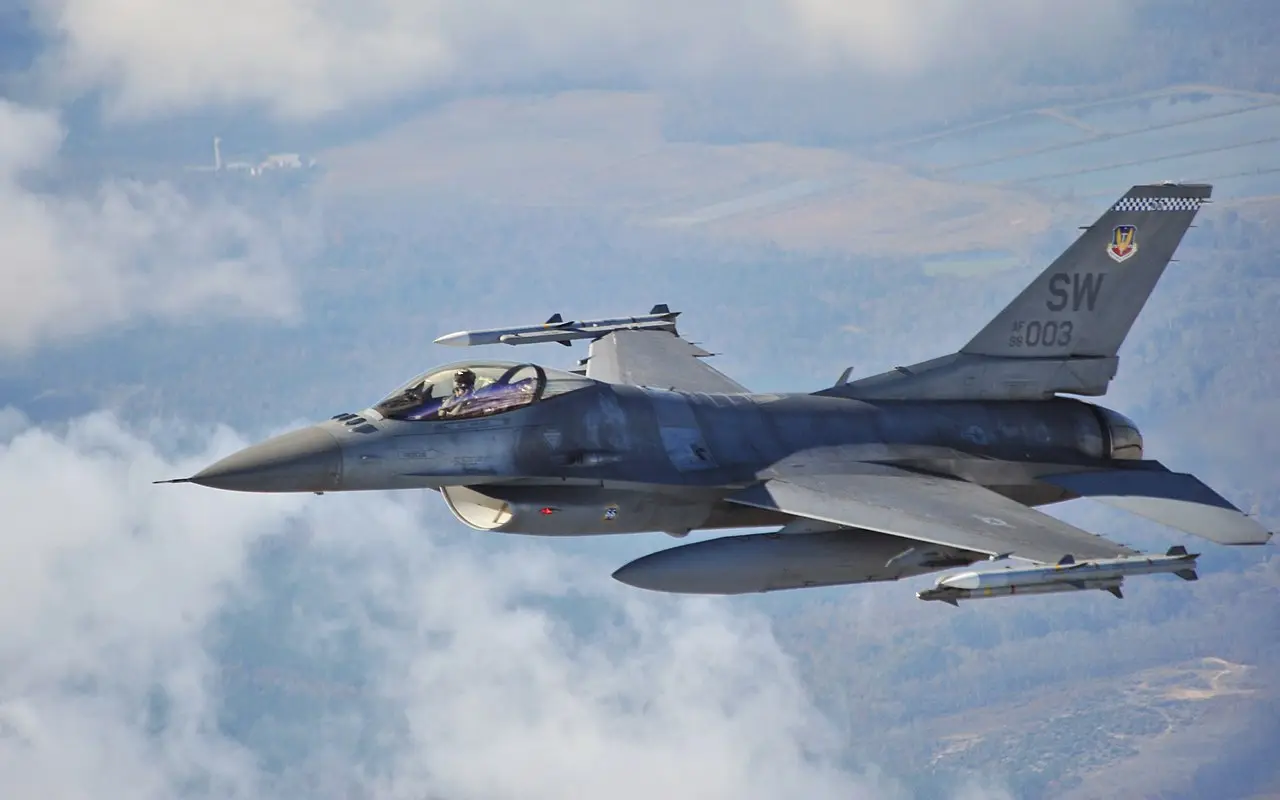
F‑16 Fighter Jets
F‑16 jets conducts precision strikes on command centres, missile sites, and communication networks, integrating with joint operations alongside US and Israeli forces to maximise effectiveness.
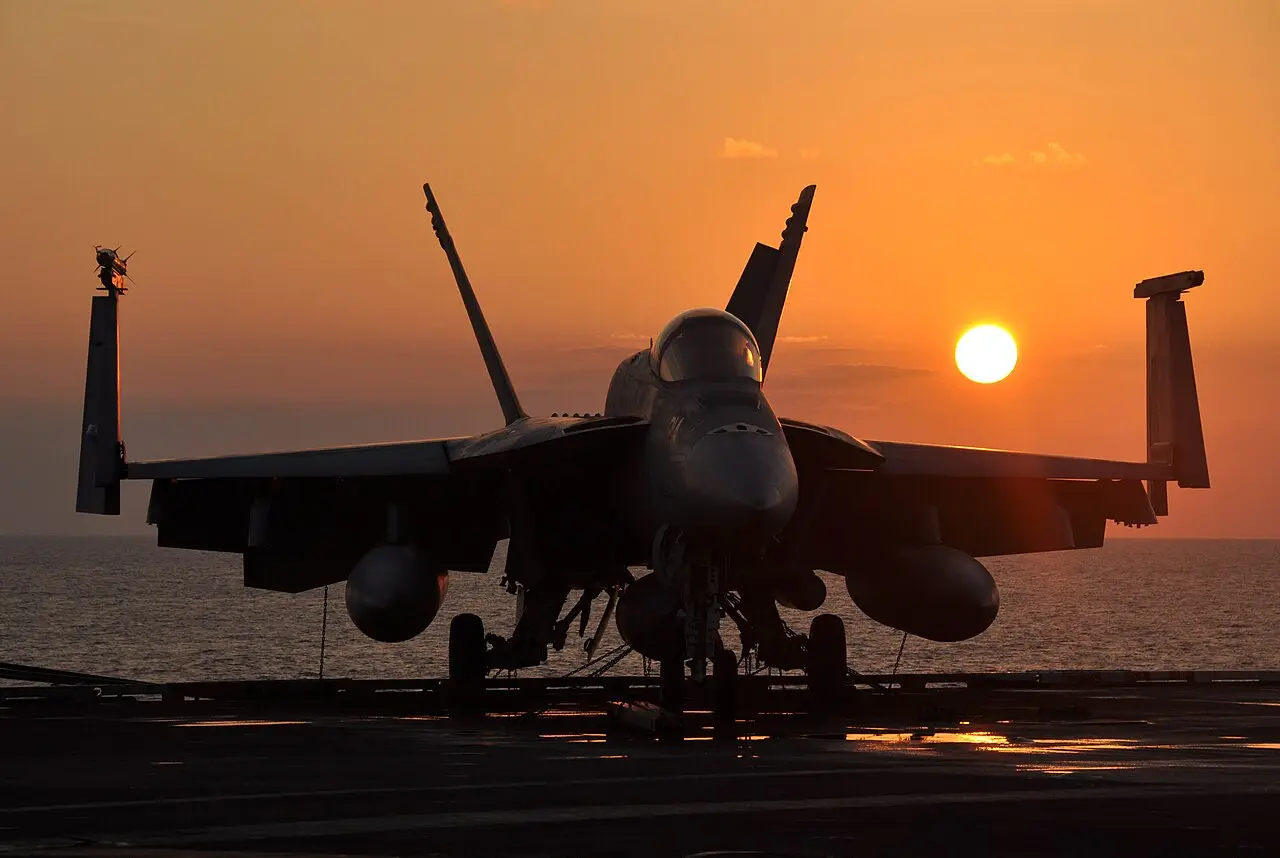
F‑18 Fighter Jets
F‑18 aircraft engages naval targets and coastal installations, suppressing air defences with electronic support while conducting coordinated attacks with carrier-based assets.
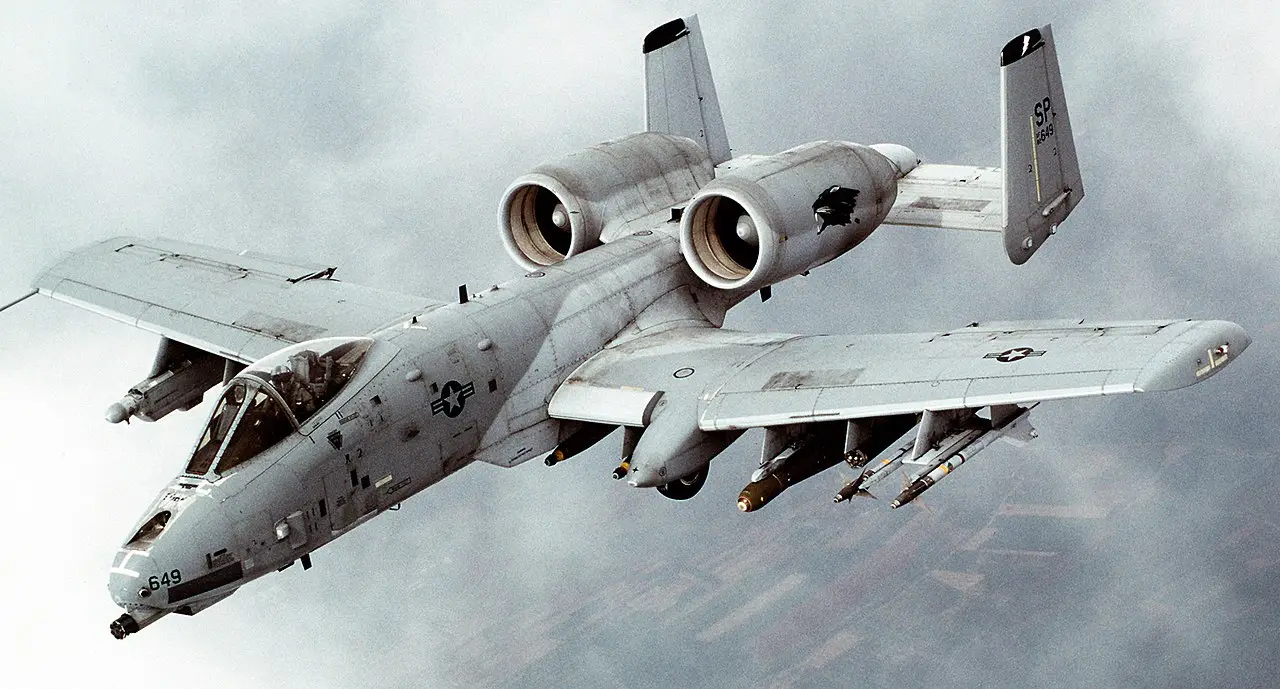
A‑10 Thunderbolt II
A‑10 attack aircraft delivers close air support to degrade missile launch facilities and enemy infrastructure. Their armoured design ensures survivability in heavily defended airspace.
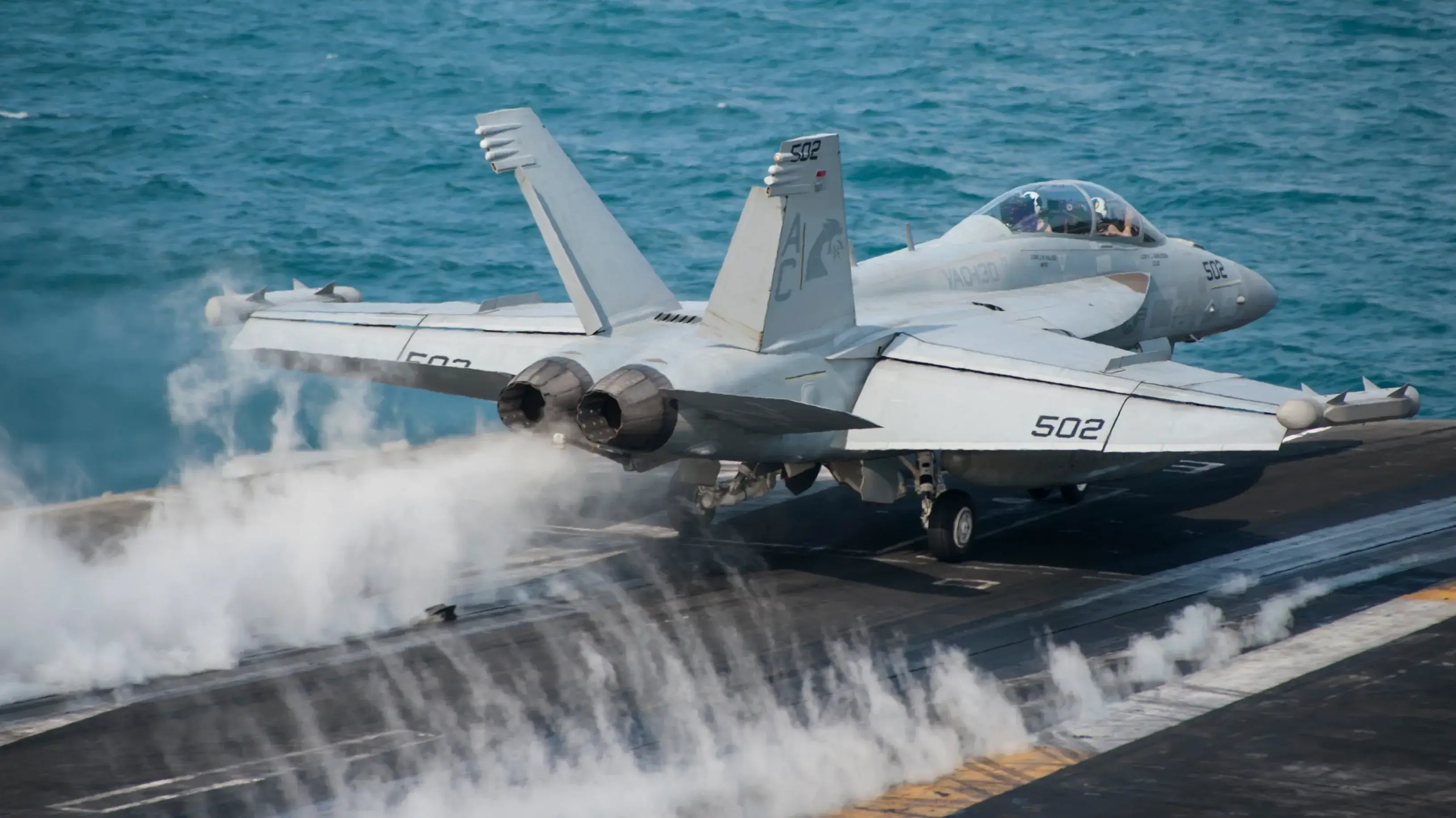
EA‑18G Growler
EA‑18G electronic attack aircraft suppresses enemy radars and communications, creating safe corridors for strike aircraft. Electronic warfare is key to neutralising integrated air defence systems.
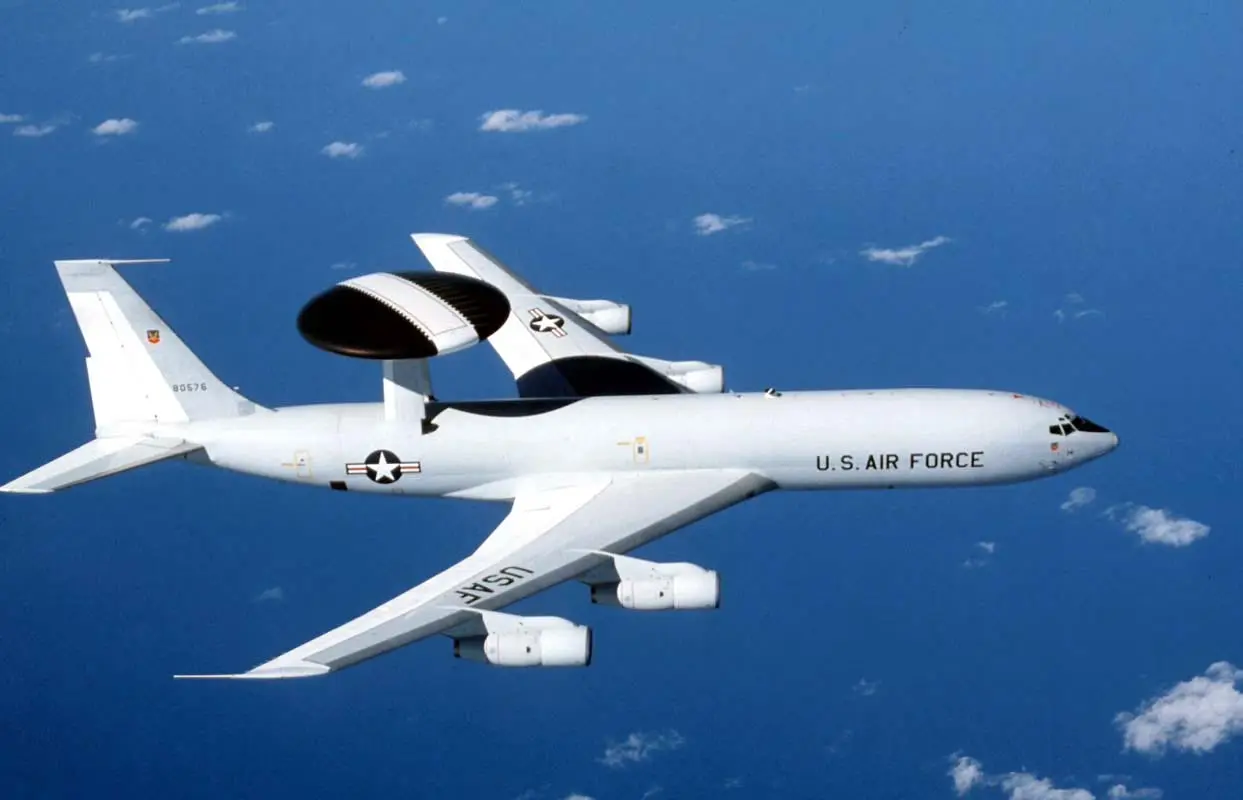
Airborne Early Warning & Control Aircraft
AEW&C aircraft monitors airspace, coordinate strikes, and track enemy movements. They provide a command-and-control hub essential for synchronised multi-aircraft operations.
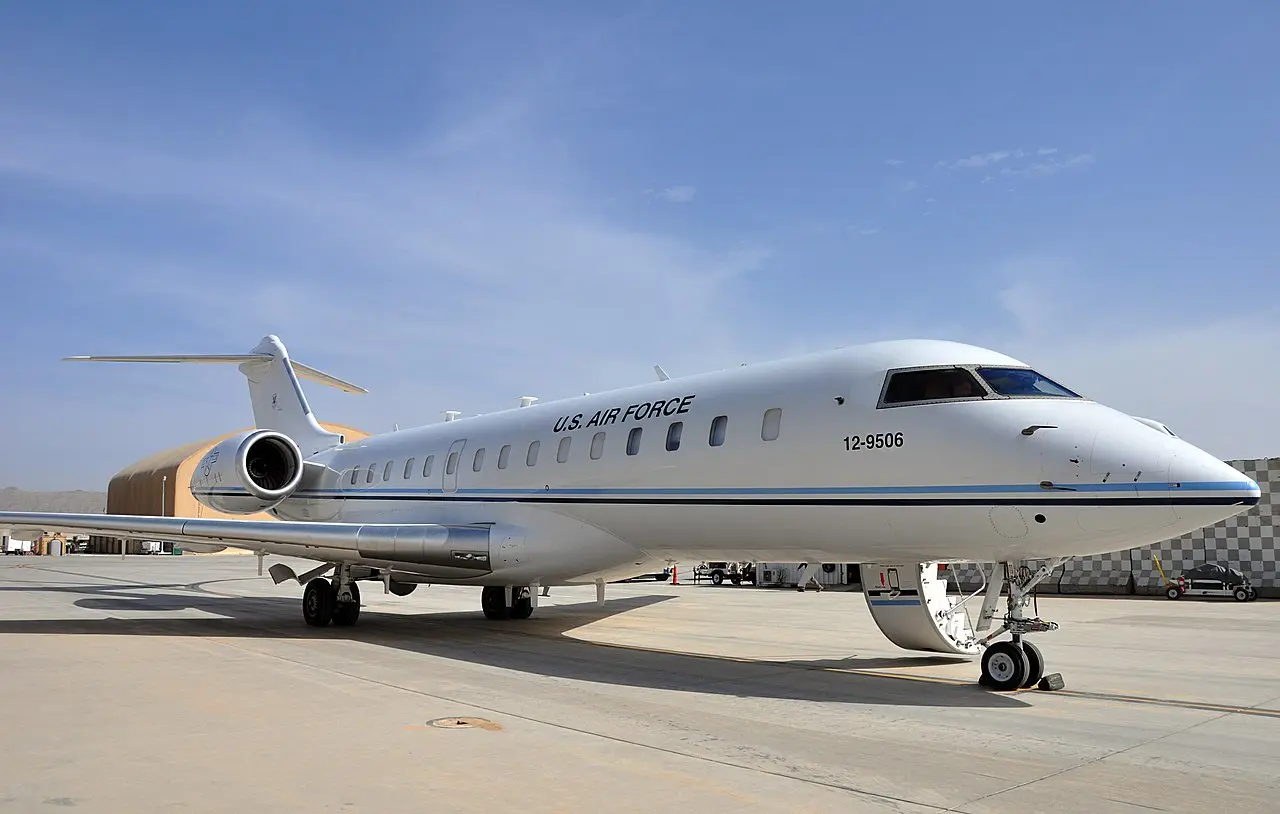
Airborne Communication Relay
Communication relay aircraft maintains uninterrupted contact between manned and unmanned platforms, ensuring real-time situational awareness and operational cohesion across dispersed strike packages.
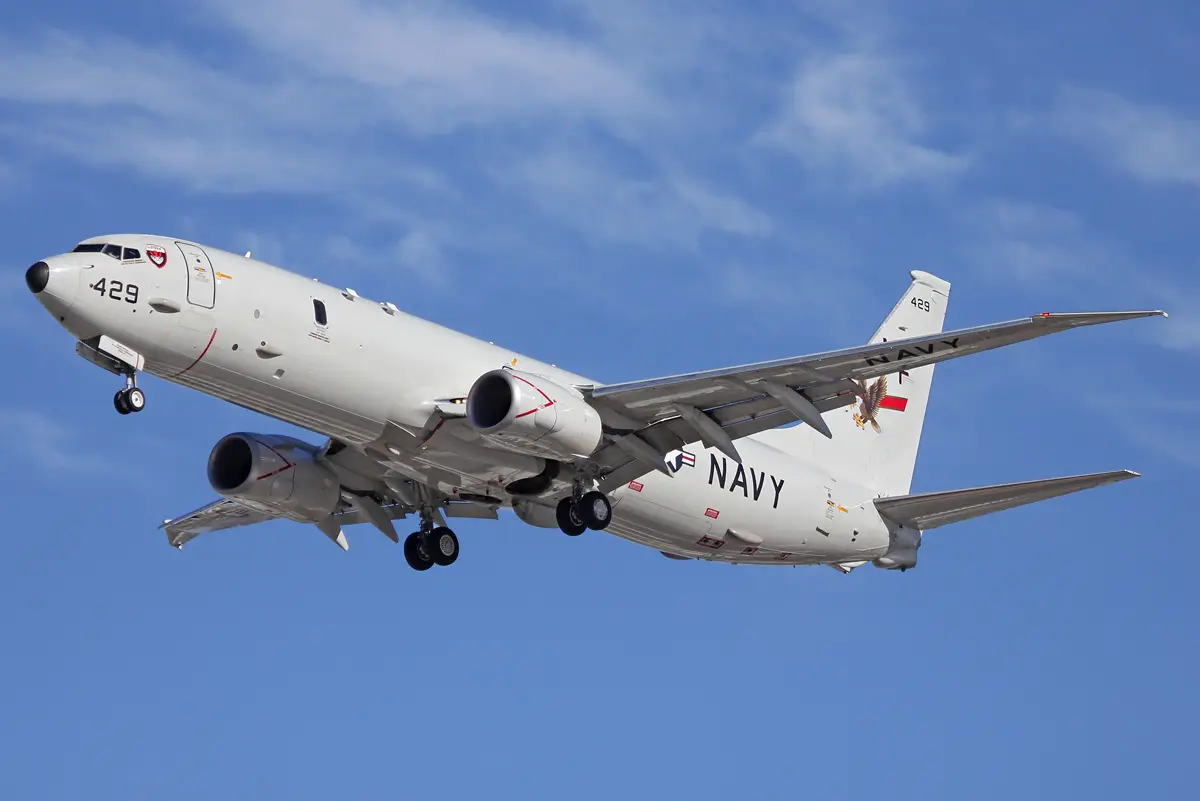
P‑8 Maritime Patrol Aircraft
P‑8 aircraft conducts maritime surveillance, track enemy naval vessels and submarines, and coordinate anti-ship strikes using intelligence and reconnaissance capabilities.
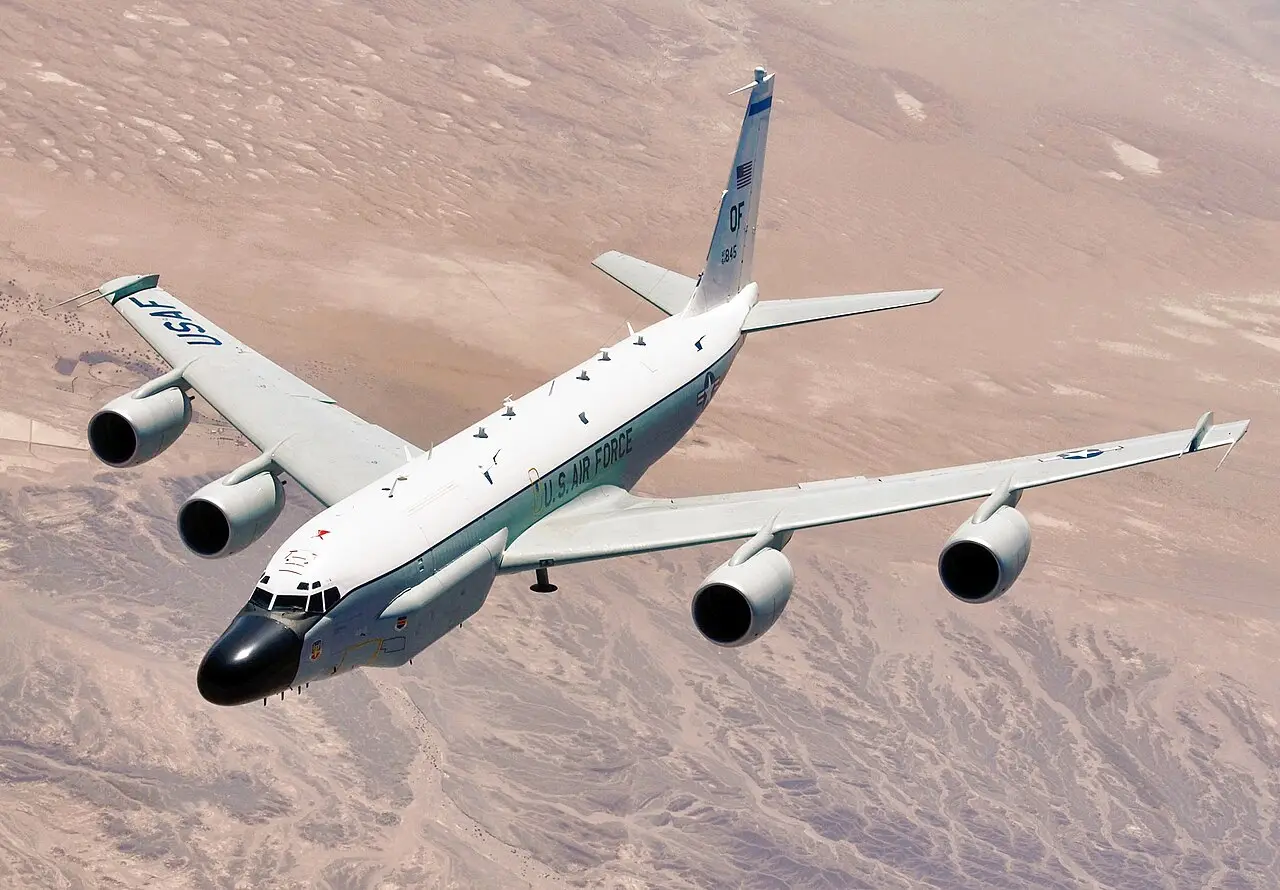
RC‑135 Reconnaissance Aircraft
RC‑135 aircraft gather signals and electronic intelligence, identifying missile sites and troop movements. They support targeting accuracy and situational awareness for ongoing strike missions.
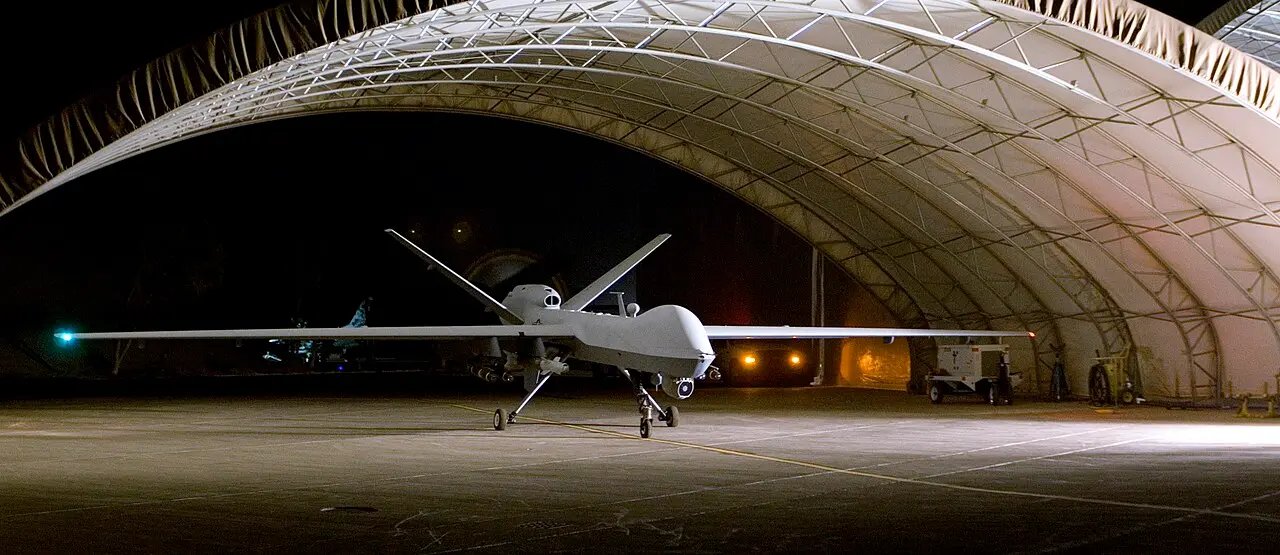
MQ‑9 Reaper Drones
MQ‑9 Reapers perform reconnaissance and precision strikes, providing persistent surveillance over Iranian military installations and naval assets while minimising risk to personnel.
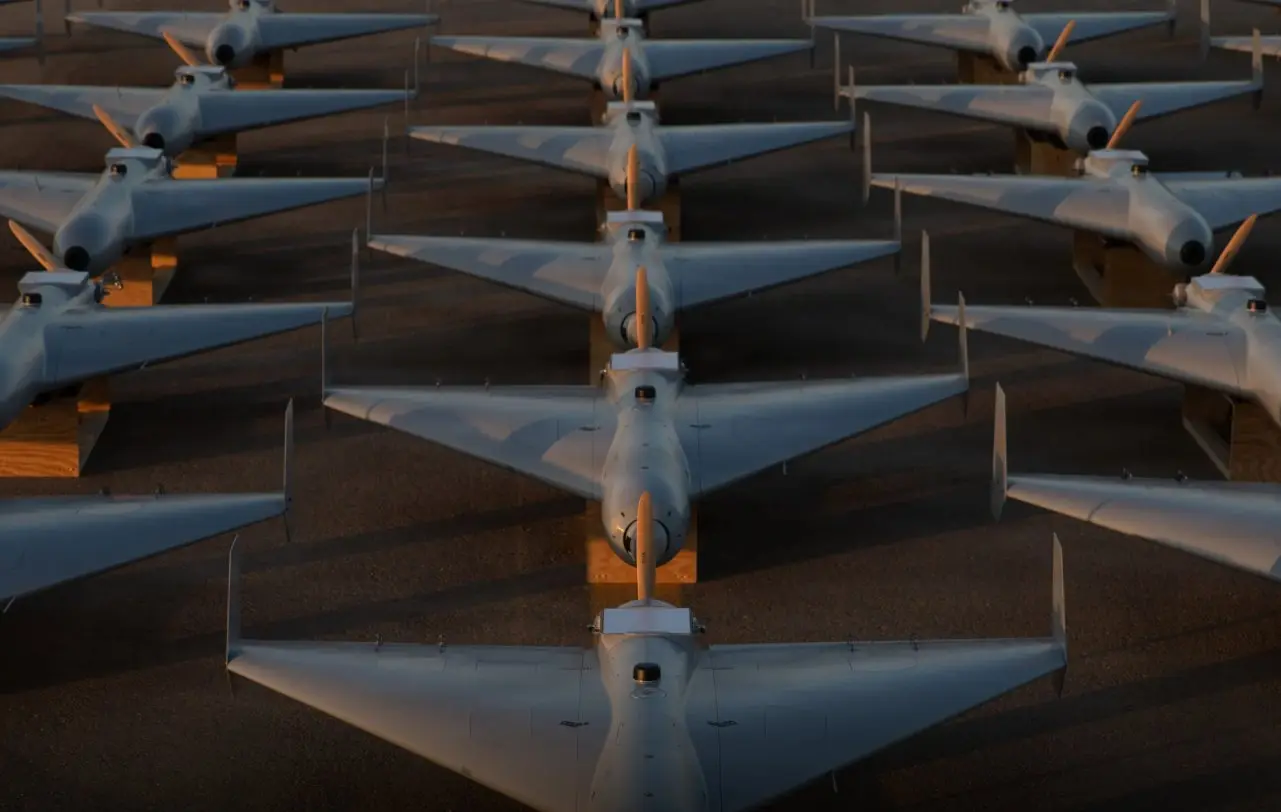
LUCAS Drone
LUCAS drones conduct tactical surveillance and strike missions, complementing manned aircraft. They sustain persistent observation of targets in contested airspace and relay intelligence.
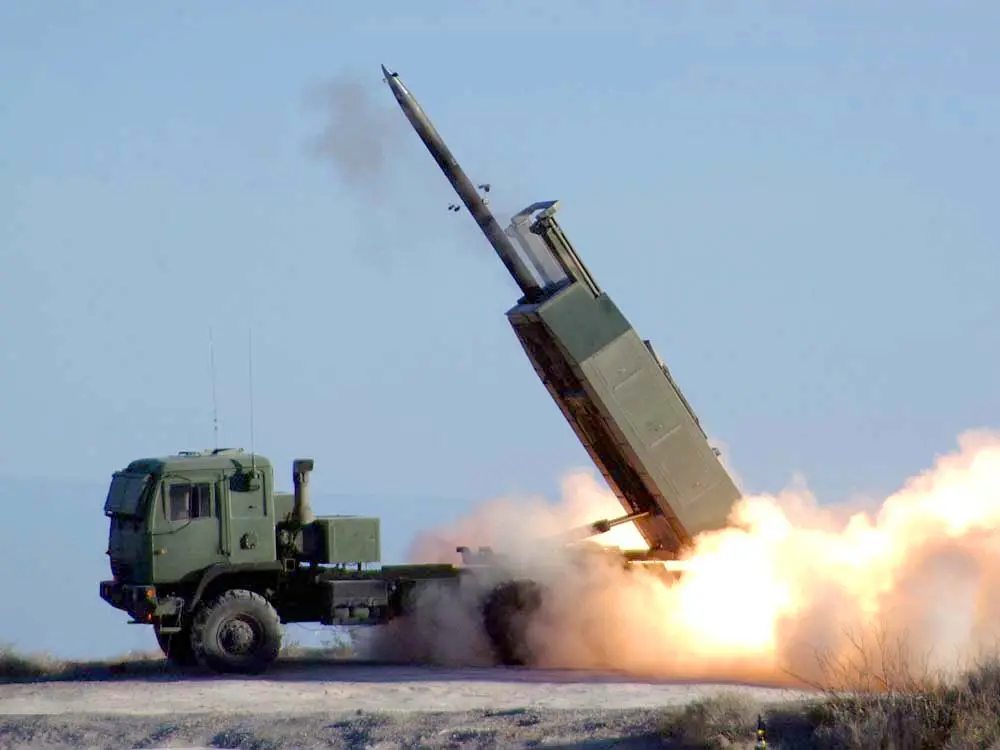
M‑142 HIMARS
HIMARS systems delivers mobile, precision rocket fire, striking missile launch facilities, anti-ship positions and other infrastructure, rapidly repositioning to avoid counter-battery threats.
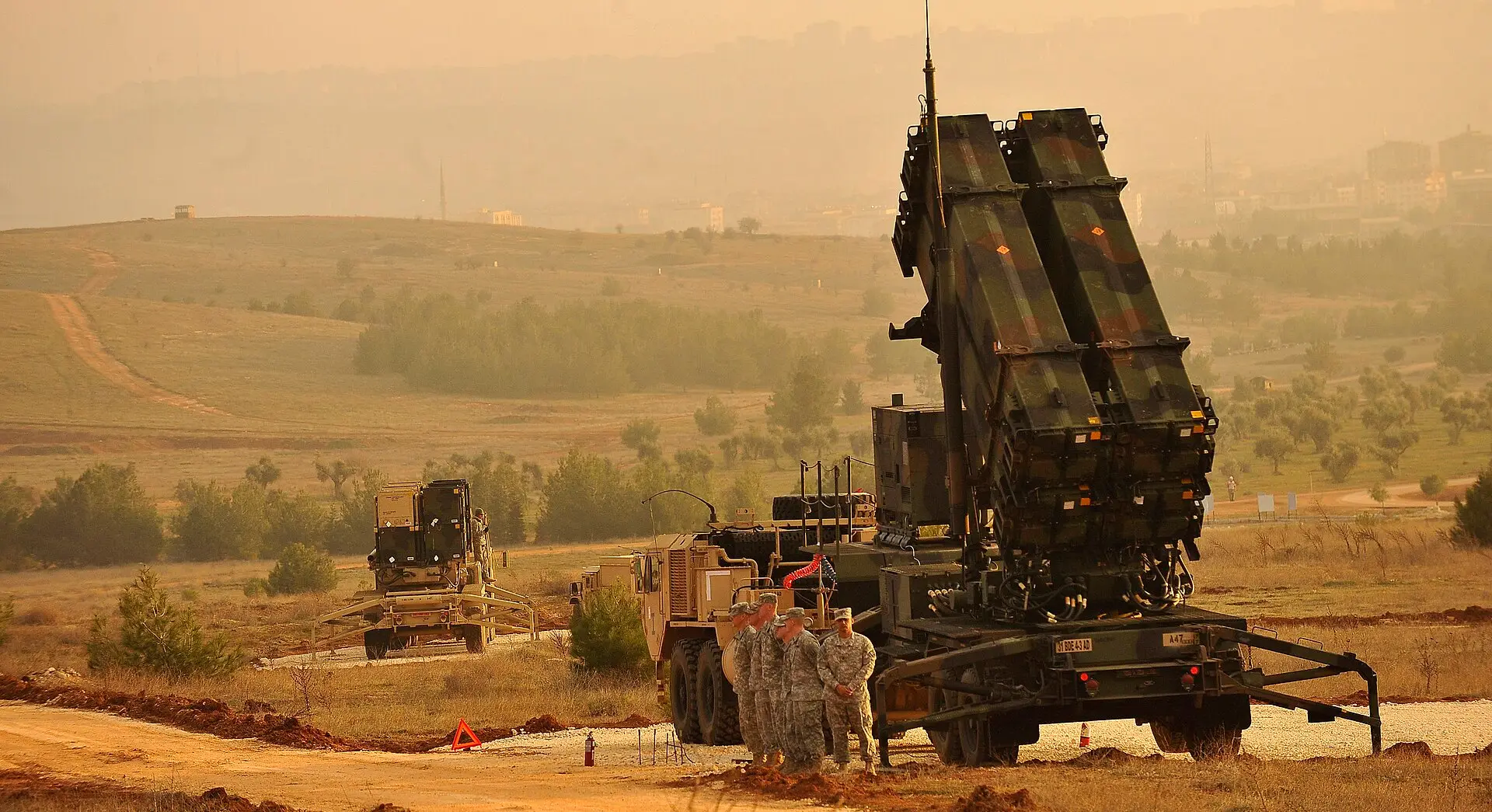
Patriot Interceptor Missile Systems
Patriot systems has the ability to intercept incoming missiles, shielding US and allied forces from Iranian ballistic and cruise missile attacks, protecting military bases and critical infrastructure.
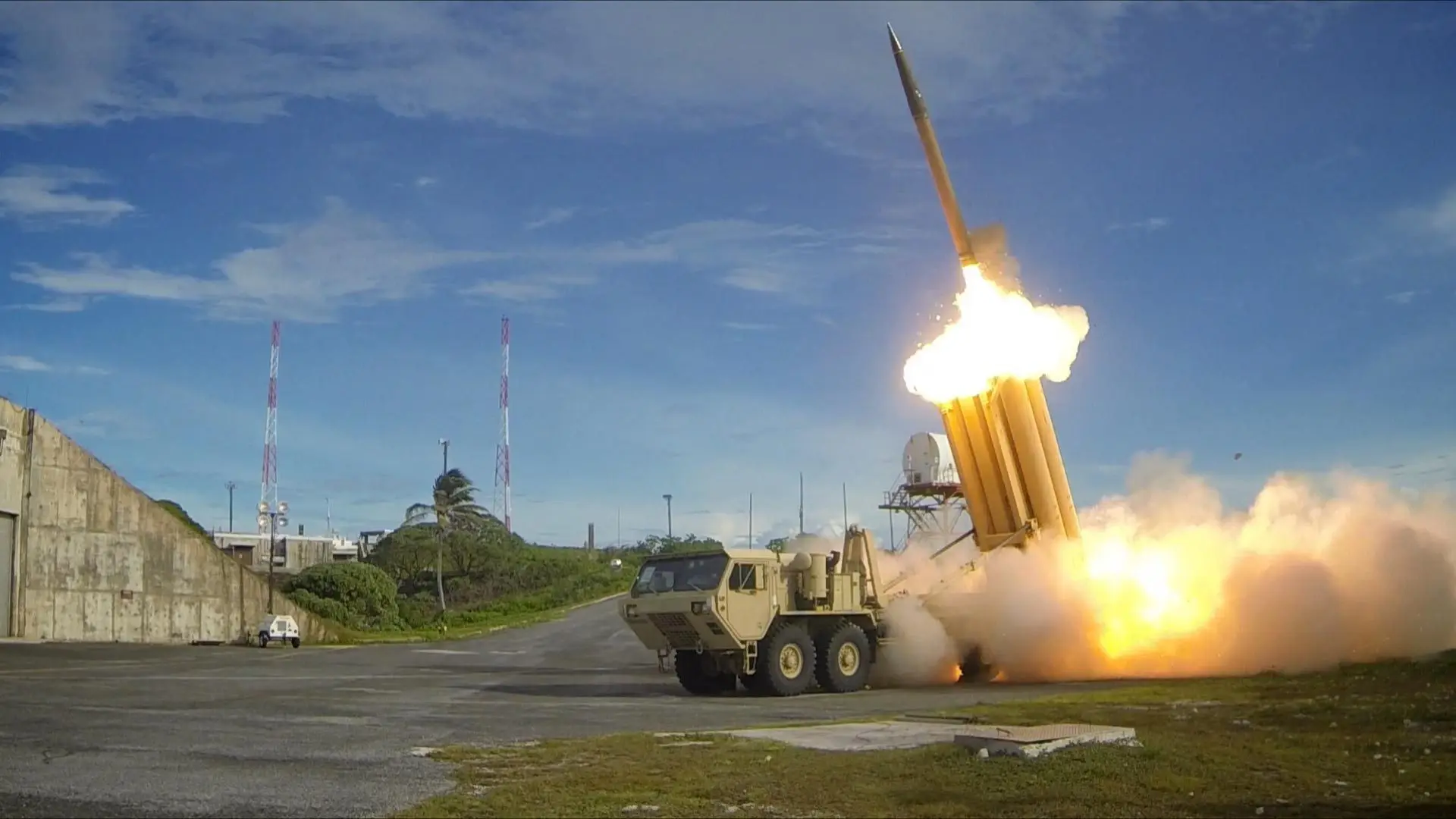
THAAD Anti-Ballistic Missile Systems
THAAD systems have the ability to neutralise high-altitude ballistic missiles, creating layered defence to defend personnel and regional allies from Iranian counter-strikes.
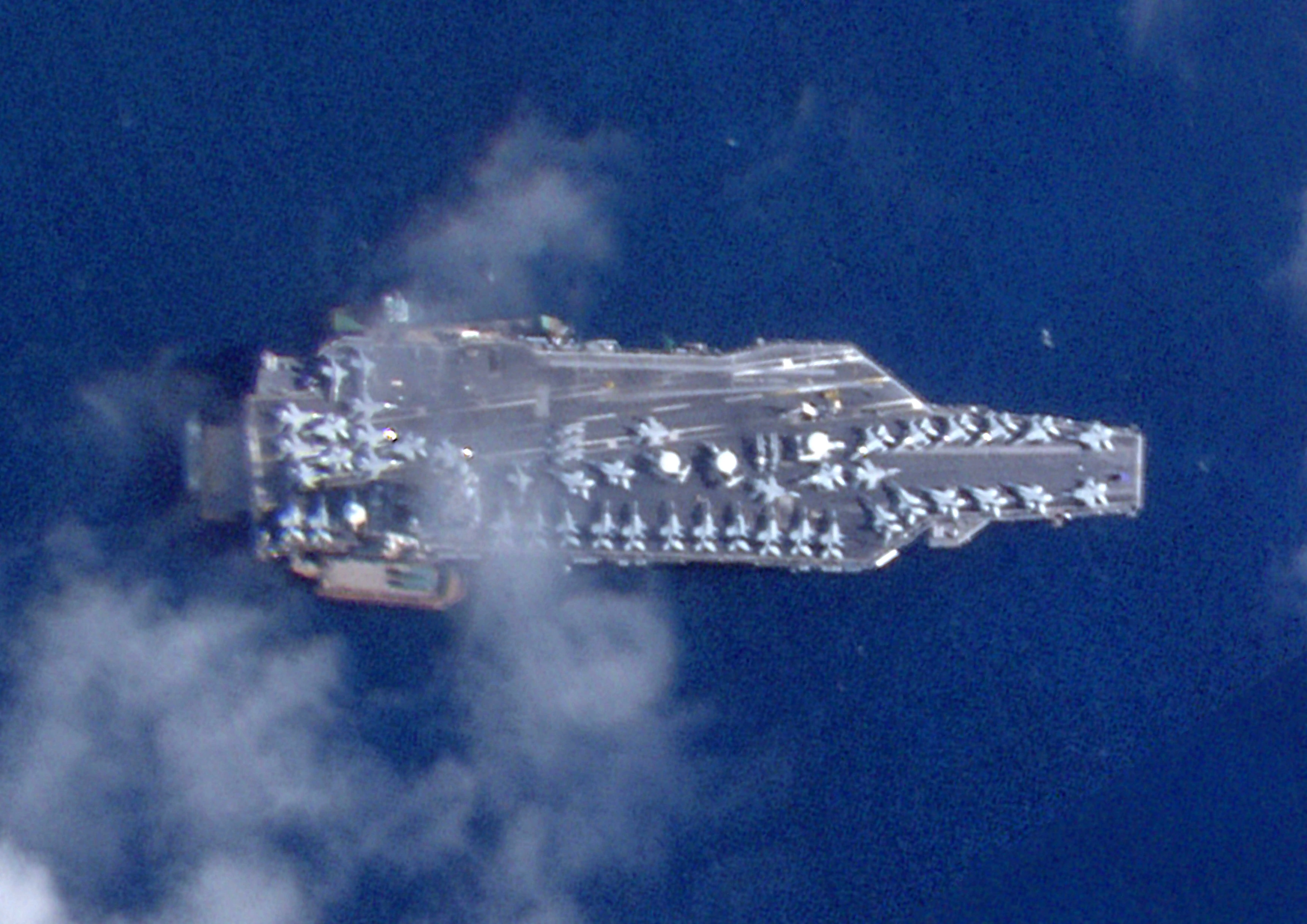
Nuclear-Powered Aircraft Carriers
The US has deployed USS Abraham Lincoln and USS Gerald R. Ford, the world’s largest aircraft carrier, to support Operation Epic Fury. These nuclear-powered carriers serve as mobile airbases, launching fighters, bombers, and surveillance aircraft, while providing command-and-control capabilities and extensive logistical support. They enable sustained operations across the Gulf, maintain air superiority, and act as strategic deterrents, projecting American military power deep into the Middle East.
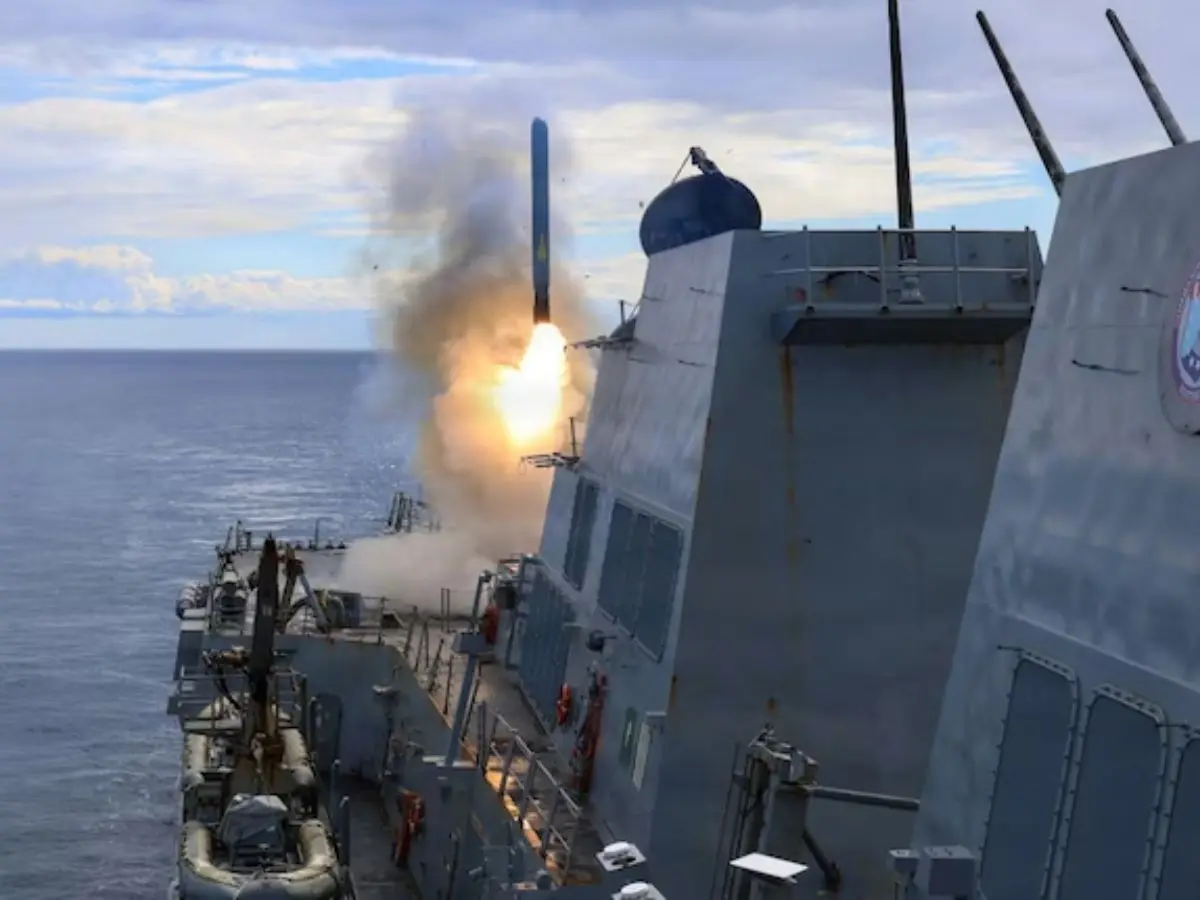
Guided-Missile Destroyers
Destroyers engage naval and land targets using Tomahawk missiles, protect carrier strike groups, and provide layered air and missile defence across the operational theatre. A US Navy photo released by CENTCOM Public Affairs showed the Arleigh Burke-class destroyer USS Thomas Hudner (DDG 116) firing a Tomahawk land-attack missile in support of Operation Epic Fury from an undisclosed location on Sunday.
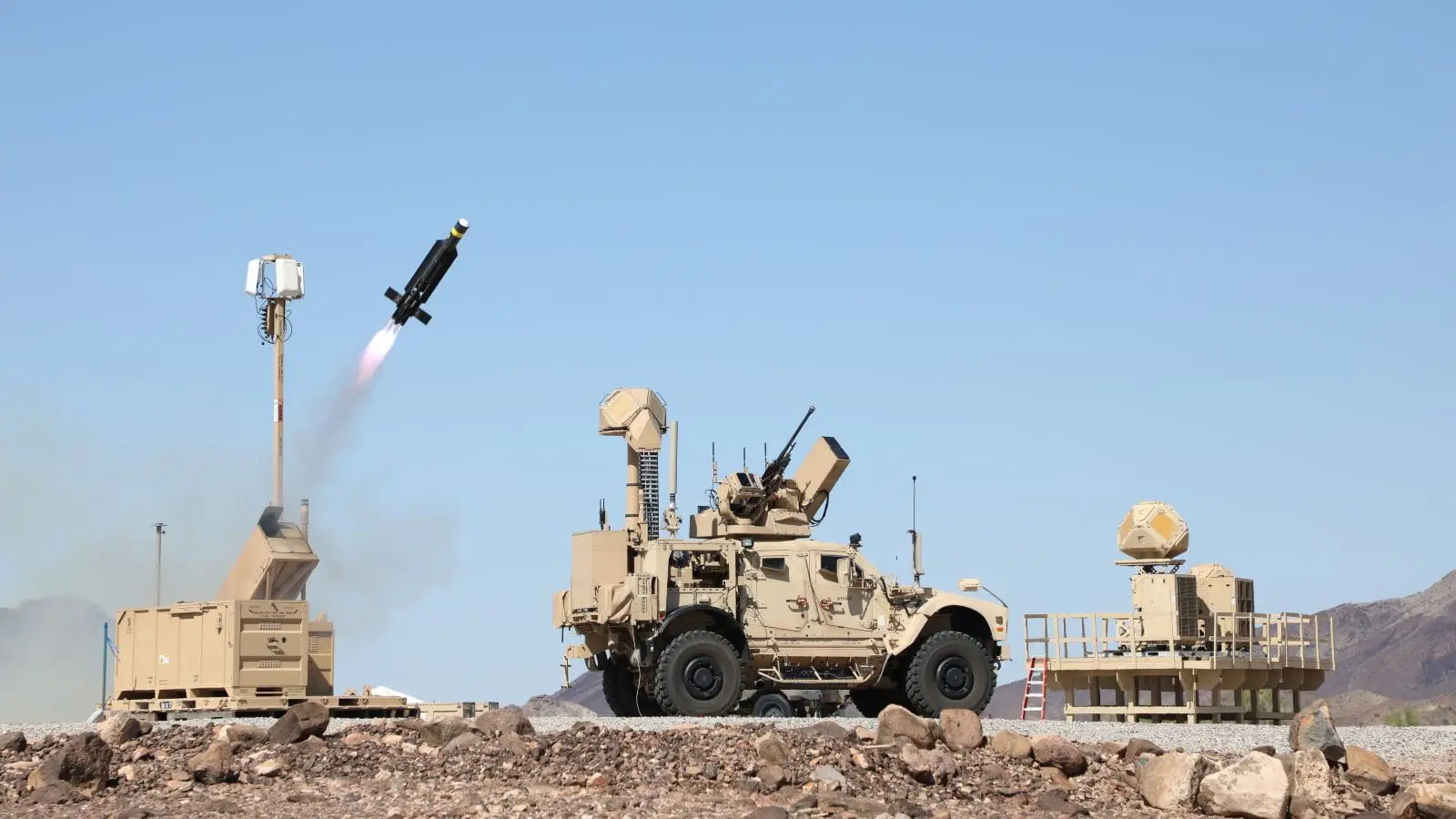
Counter-Drone Systems
Counter-drone systems detect, track, and neutralise hostile UAVs, safeguarding military assets and installations from Iranian reconnaissance and precision-strike threats.
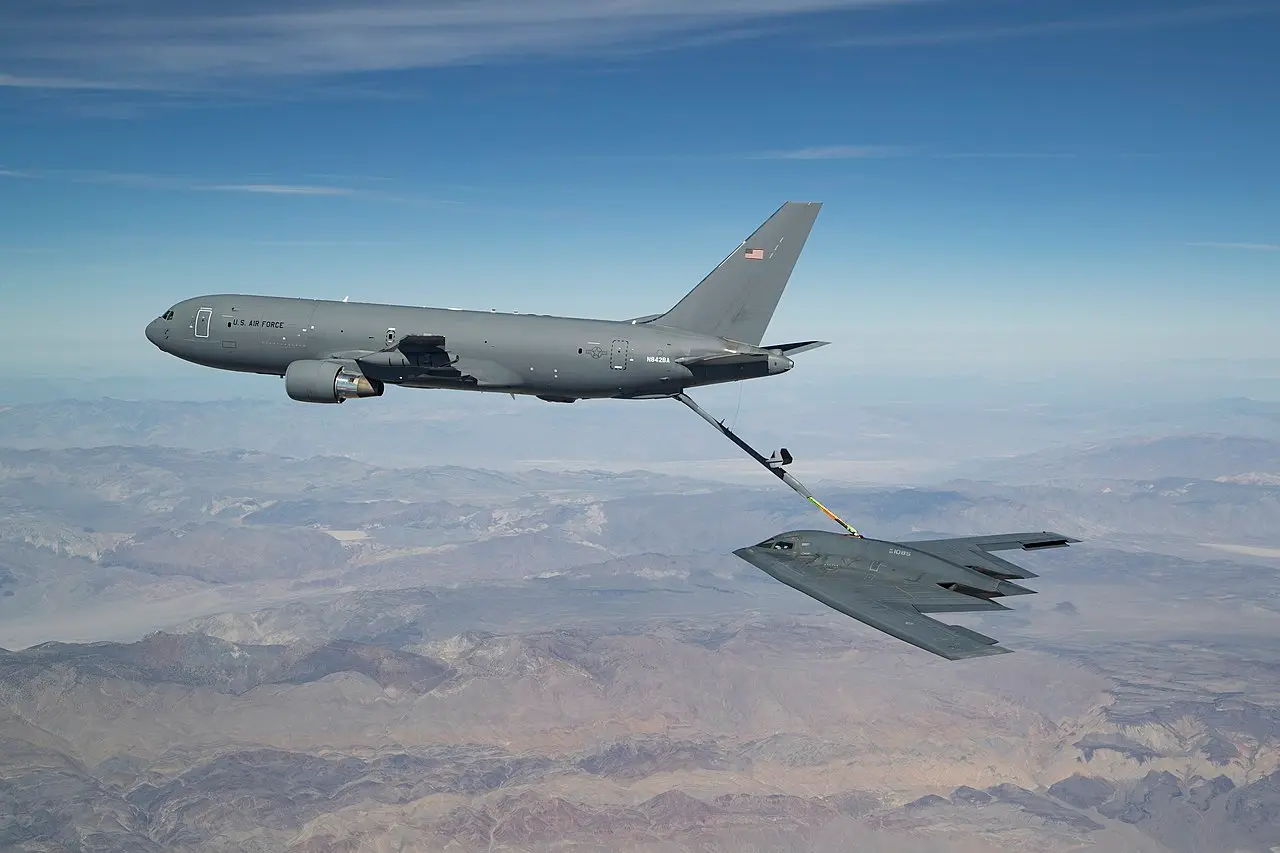
Refuelling Tanker Aircraft
Tanker aircraft extend combat aircraft range and endurance, enabling continuous operations over Iranian territory and supporting high-tempo strike missions. According to media reports, at least nine KC‑46s are operating alongside KC‑135 Stratotankers out of strategic hubs such as Israel’s Ben Gurion Airport as part of the “tanker bridge” supporting Operation Epic Fury, aiding both US and allied aircraft conducting deep penetration strikes.
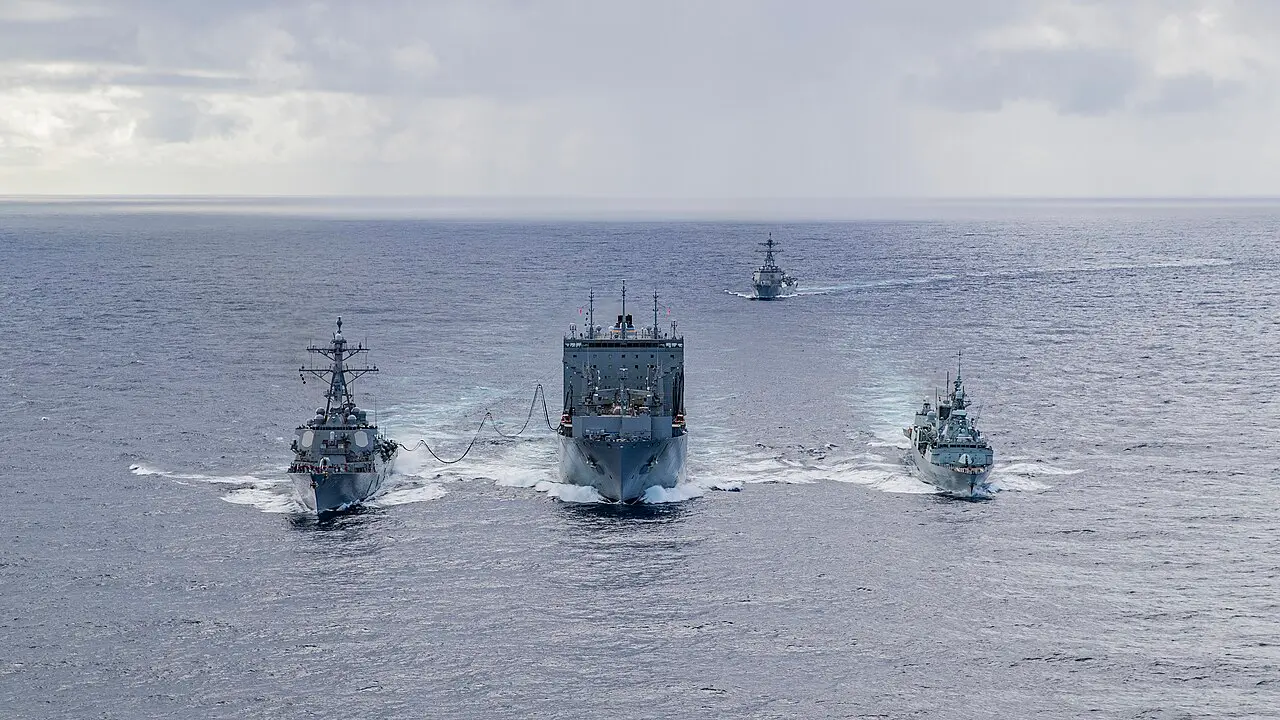
Refuelling Ships
Naval refuelling vessels sustain carrier strike groups and surface combatants, ensuring uninterrupted maritime operations and strategic presence far from friendly ports.
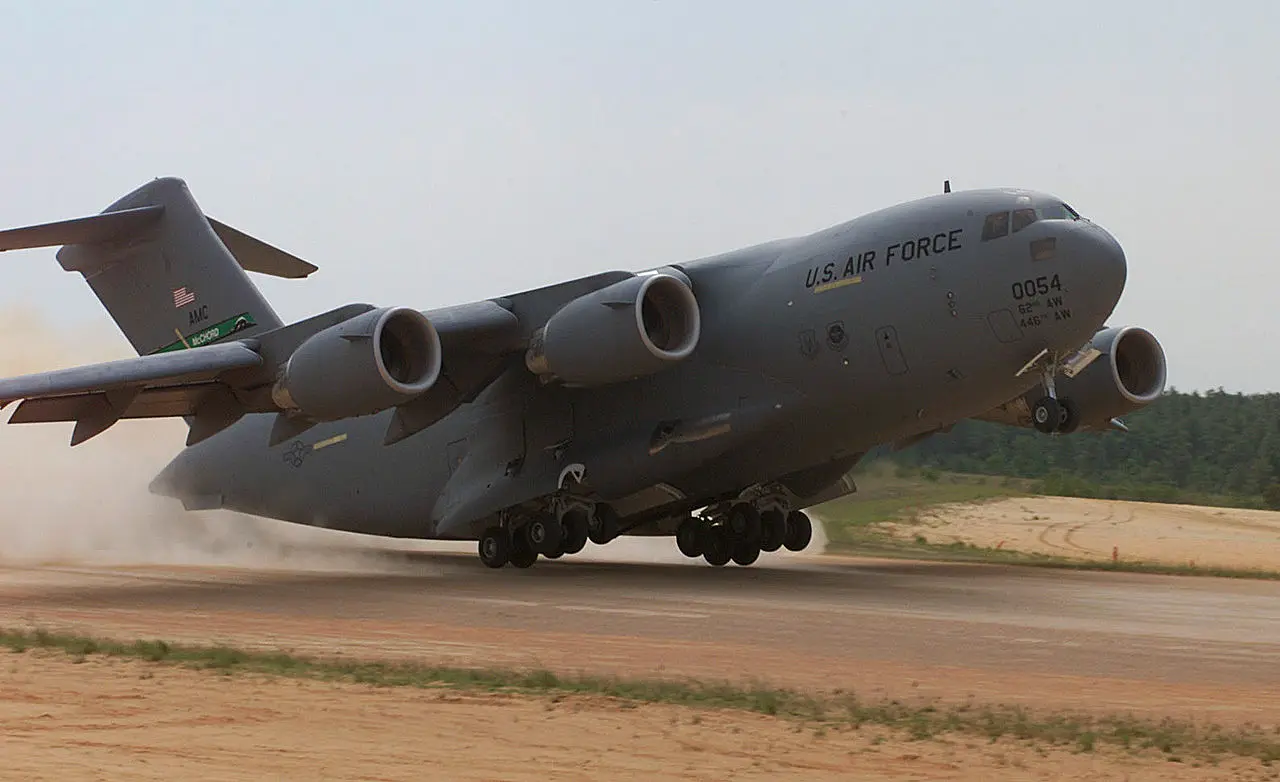
C‑17 Globemaster III
C‑17 cargo aircraft transports personnel, vehicles and equipment, supporting rapid deployment and operational logistics across multiple bases in the Middle East.
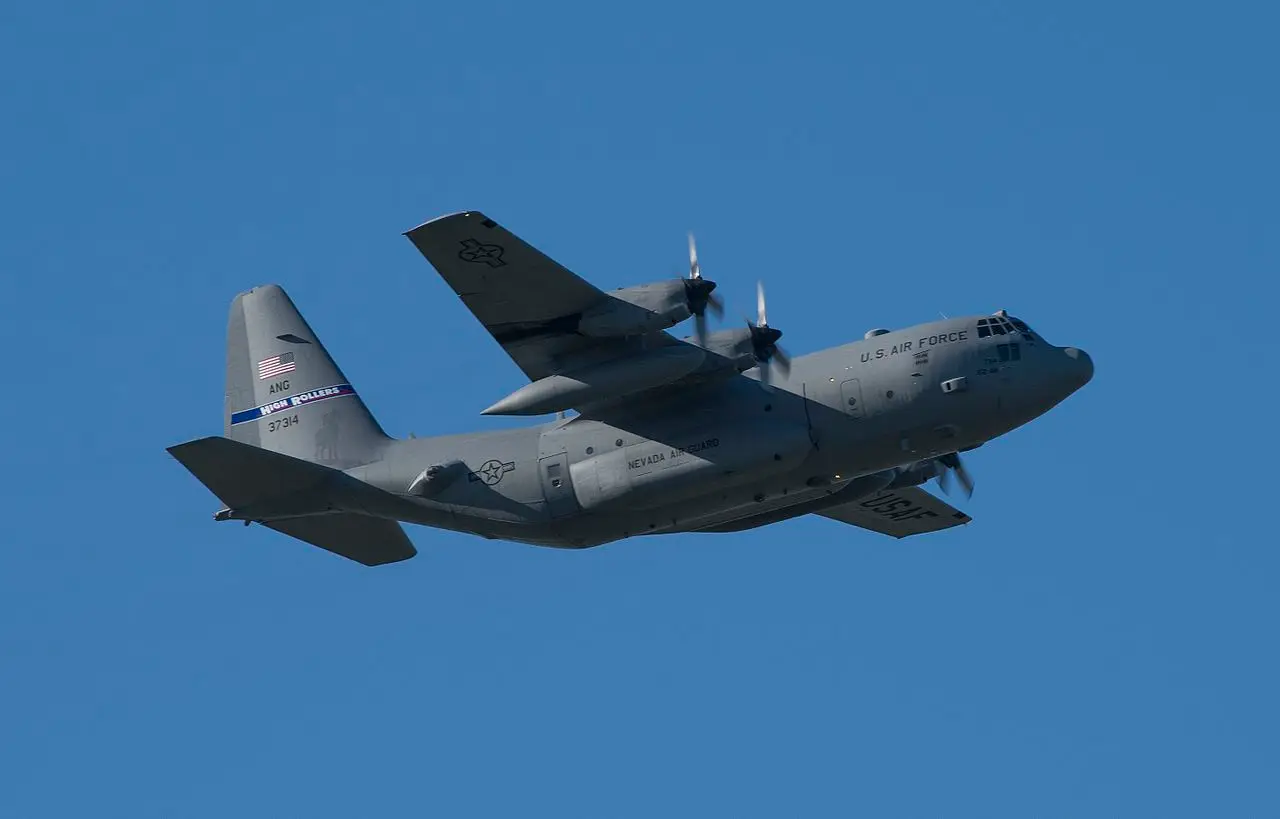
C‑130 Hercules
C‑130 aircraft provide tactical airlift for troops, supplies, and humanitarian support, sustaining operations and maintaining flexibility in contested areas.
)
)
)
)
)