B-1 vs. B-2 bomber: How the US heavy and stealth bombers were used in Operation Epic Fury against Iran

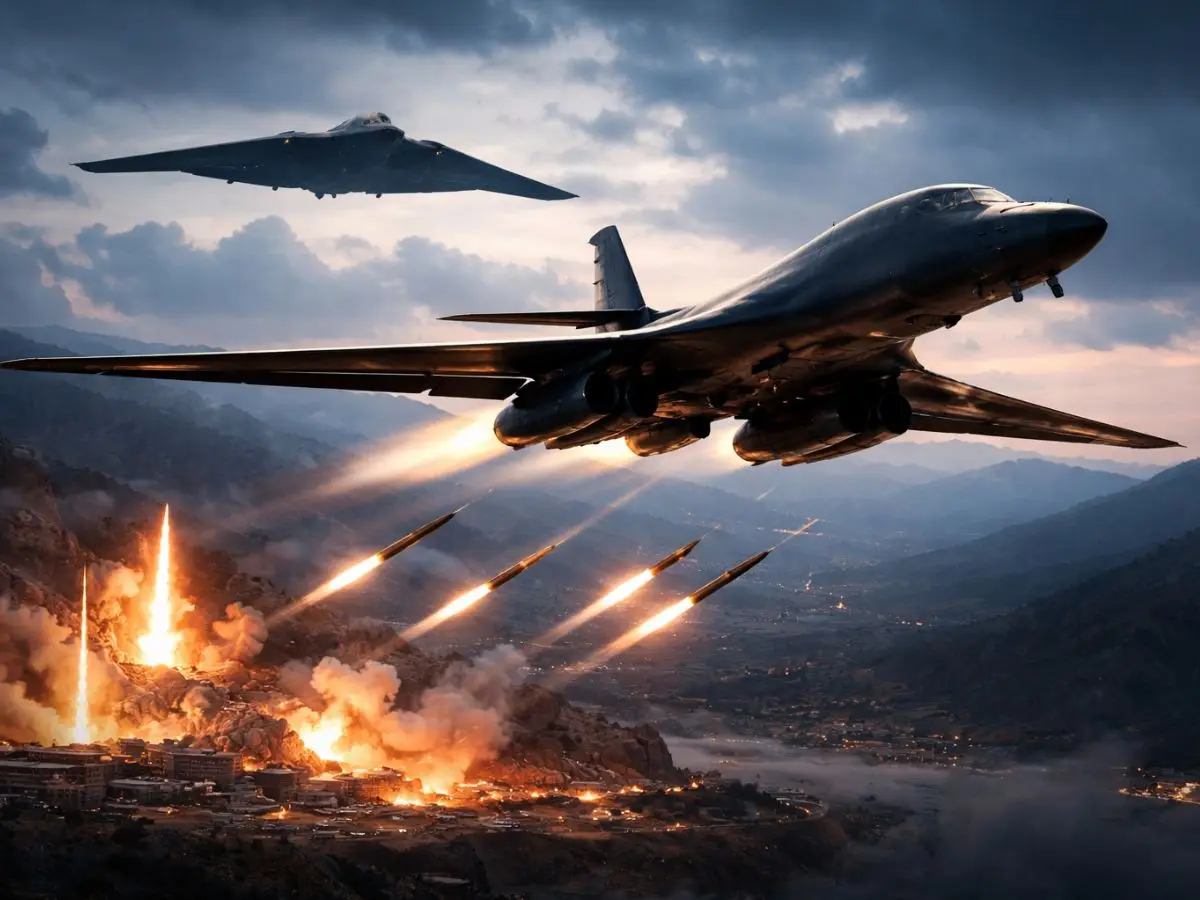
The back-to-back use of the B-2 and B-1B, bombers built for distinct operational roles emphasises how Washington combined stealth penetration with high-volume conventional strike capacity in the opening phase of the campaign.
Introduction: Two Bombers, One Campaign
The United States widened its military campaign against Iran by deploying both its stealth and heavy conventional bombers in successive strikes. “Last night, U.S. B-2 stealth bombers, armed with 2,000 lb. bombs, struck Iran’s hardened ballistic missile facilities,” US officials said on Sunday. By the following day, US B-1 bombers had “struck deep inside Iran to degrade Iranian ballistic missile capabilities,” marking a coordinated use of two distinct long-range strike platforms.
Back-to-back use
US Central Command confirmed the attacks were conducted under Operation Epic Fury, describing a coordinated effort targeting command and control centres, the headquarters of Iran’s Islamic Revolutionary Guard Corps, integrated air defence systems, ballistic missile sites and naval assets. The back-to-back use of the B-2 and B-1B, bombers built for distinct operational roles emphasises how Washington combined stealth penetration with high-volume conventional strike capacity in the opening phase of the campaign.
CENTCOM’s Stated Objectives
“CENTCOM forces are striking targets to dismantle the Iranian regime’s security apparatus, prioritising locations that pose an imminent threat,” the command said on X. Targets included command and control centres, the Islamic Revolutionary Guard Corps joint headquarters and aerospace headquarters, integrated air defence systems, ballistic missile sites, naval vessels, submarines, anti-ship missile sites and military communications infrastructure.
The B-2 Spirit: Stealth Penetration
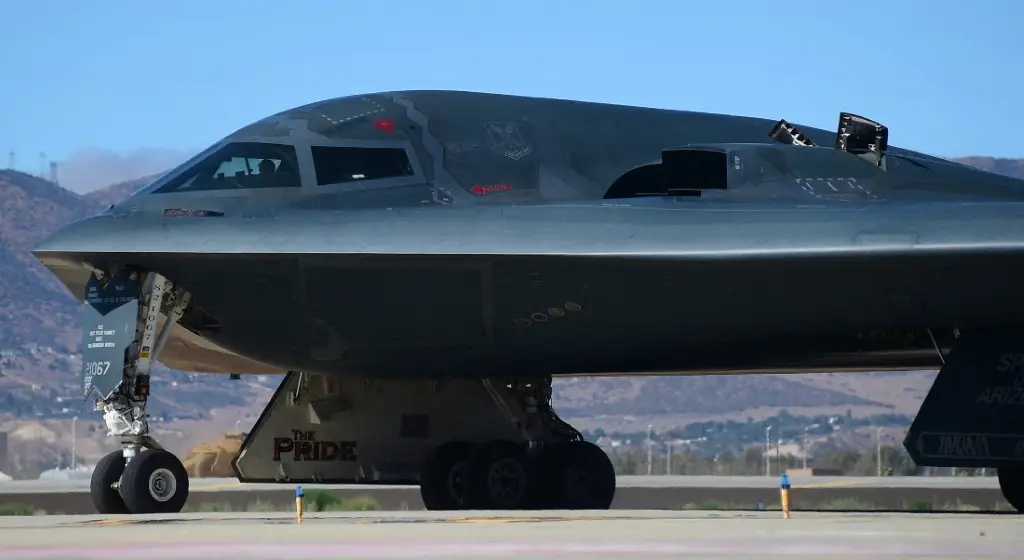
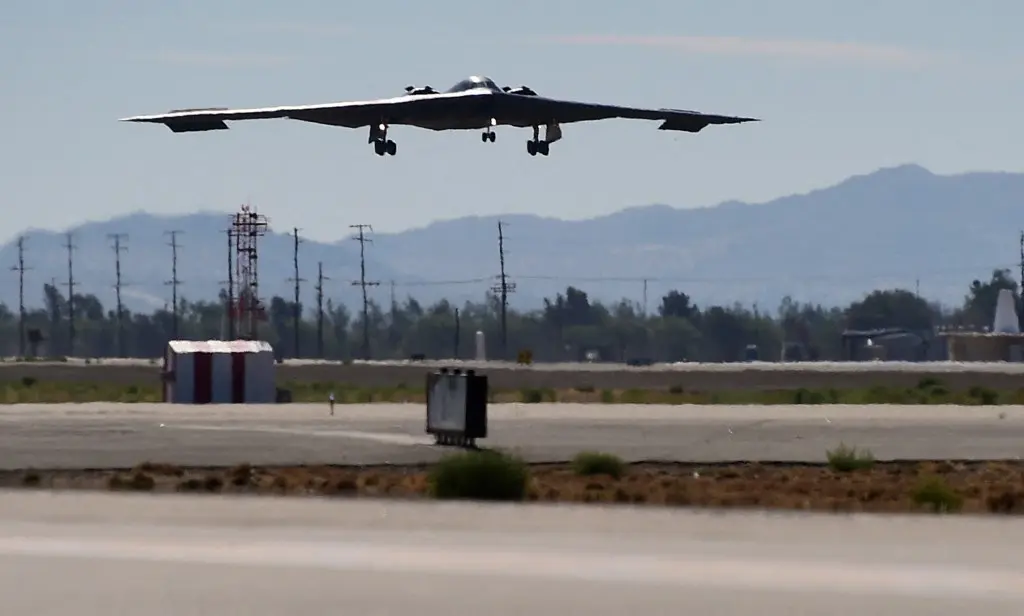
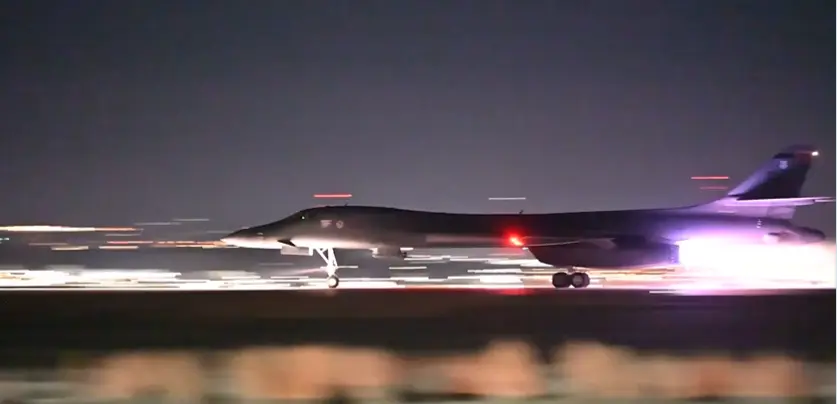
The B-2 Spirit, built by Northrop Grumman, is designed for penetrating dense air defences. According to the US Air Force, it can deliver both conventional and nuclear weapons and is capable of striking heavily defended targets. Its low observable design reduces radar detection, enabling it to reach hardened facilities. In Operation Epic Fury, B-2 bombers were used against hardened ballistic missile infrastructure.
The B-1B Lancer: Heavy Conventional Firepower
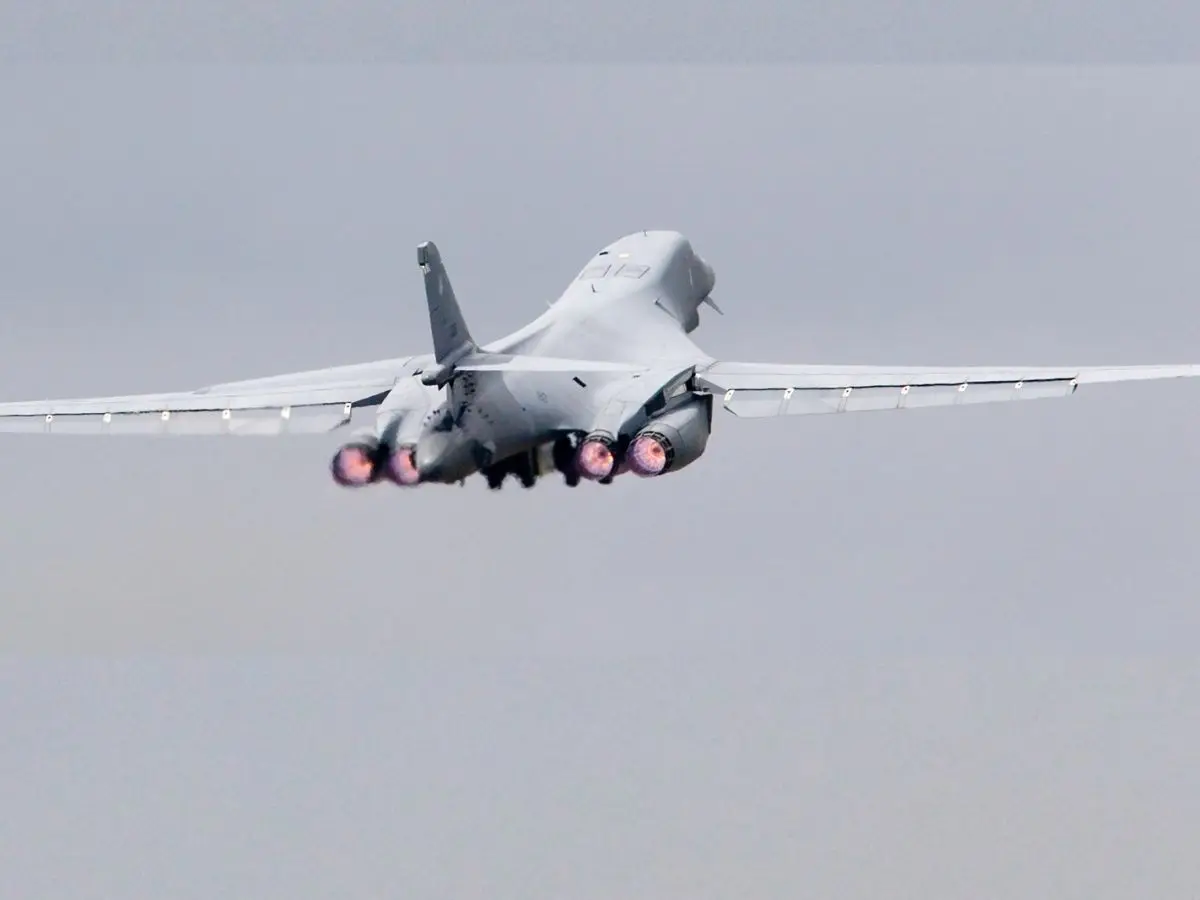
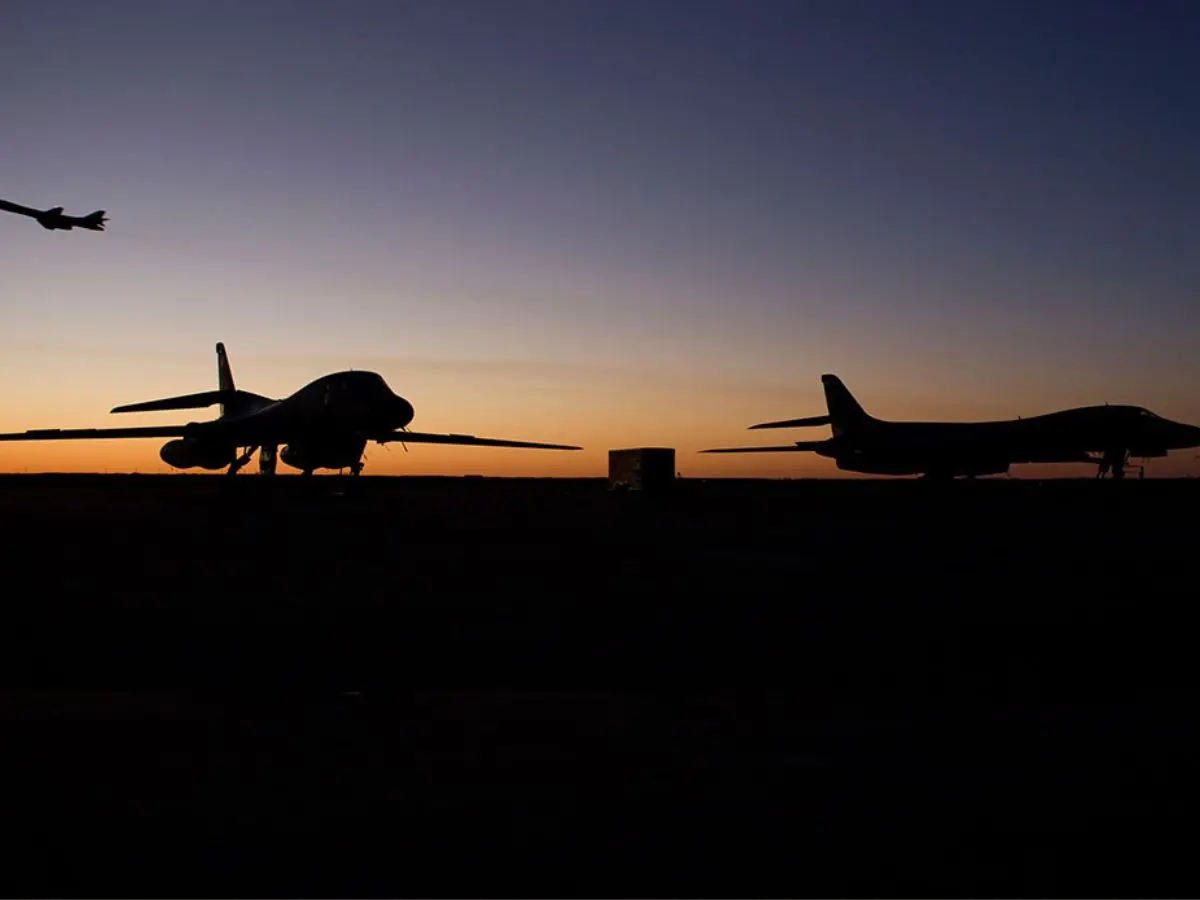
The B-1B Lancer, manufactured by Boeing, is a long-range, supersonic bomber. The US Air Force states that it carries the largest conventional payload in the inventory, with up to 75,000 pounds of ordnance. Converted to an exclusively conventional role, the B-1B combines speed, range and payload. During the operation, it struck deep targets linked to Iran’s ballistic missile capabilities.
Different Roles in the Same Air Campaign
The B-2’s role centres on penetrating advanced air defences and striking hardened or high-value sites. The B-1B provides sustained conventional firepower against multiple targets in a single sortie. Together, they represent complementary capabilities: stealth access and high-volume precision strike.

Broader Strike Architecture
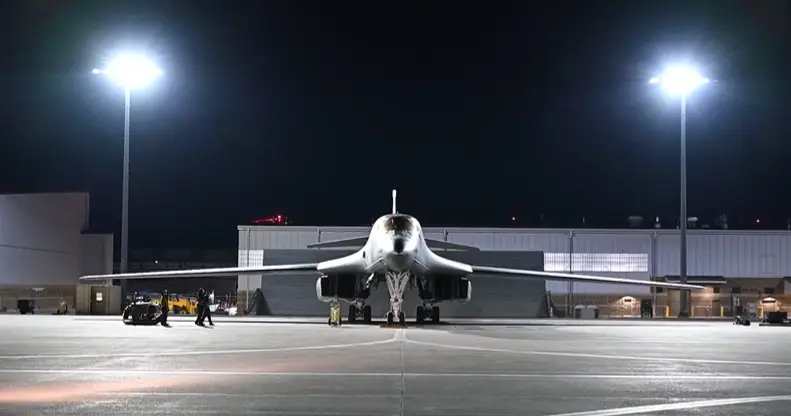
To execute the campaign, the US deployed F-15, F-16, F-18, F-22 and F-35 fighters, A-10 attack aircraft, EA-18G electronic warfare jets, MQ-9 Reapers, reconnaissance platforms, nuclear-powered aircraft carriers, guided-missile destroyers and Patriot and THAAD missile defence systems. CENTCOM said the first 48 hours included strikes on ballistic missile sites, naval vessels and integrated air defence systems.
Operational Impact
CENTCOM stated that 11 Iranian vessels in the Gulf of Oman were destroyed, alongside several key ballistic missile facilities, and that the Islamic Revolutionary Guard Corps’ command centres were targeted. The operation highlights how heavy conventional bombers and stealth aircraft are integrated into a wider joint force to execute coordinated strikes against missile infrastructure, command networks, and naval assets.
)
)
)
)
)