B-1B Lancer, world record-holding bomber of US Air Force, is being retired. Legacy, reasons and replacer B-21 Raider, explained

The US Air Force is retiring the B-1B Lancer due to ageing airframes and high upkeep costs. It will be replaced by the stealthy, advanced B-21 Raider by 2027, continuing the B-1B’s legacy. Here is what you should know
When will B-1B Lancer be retired?
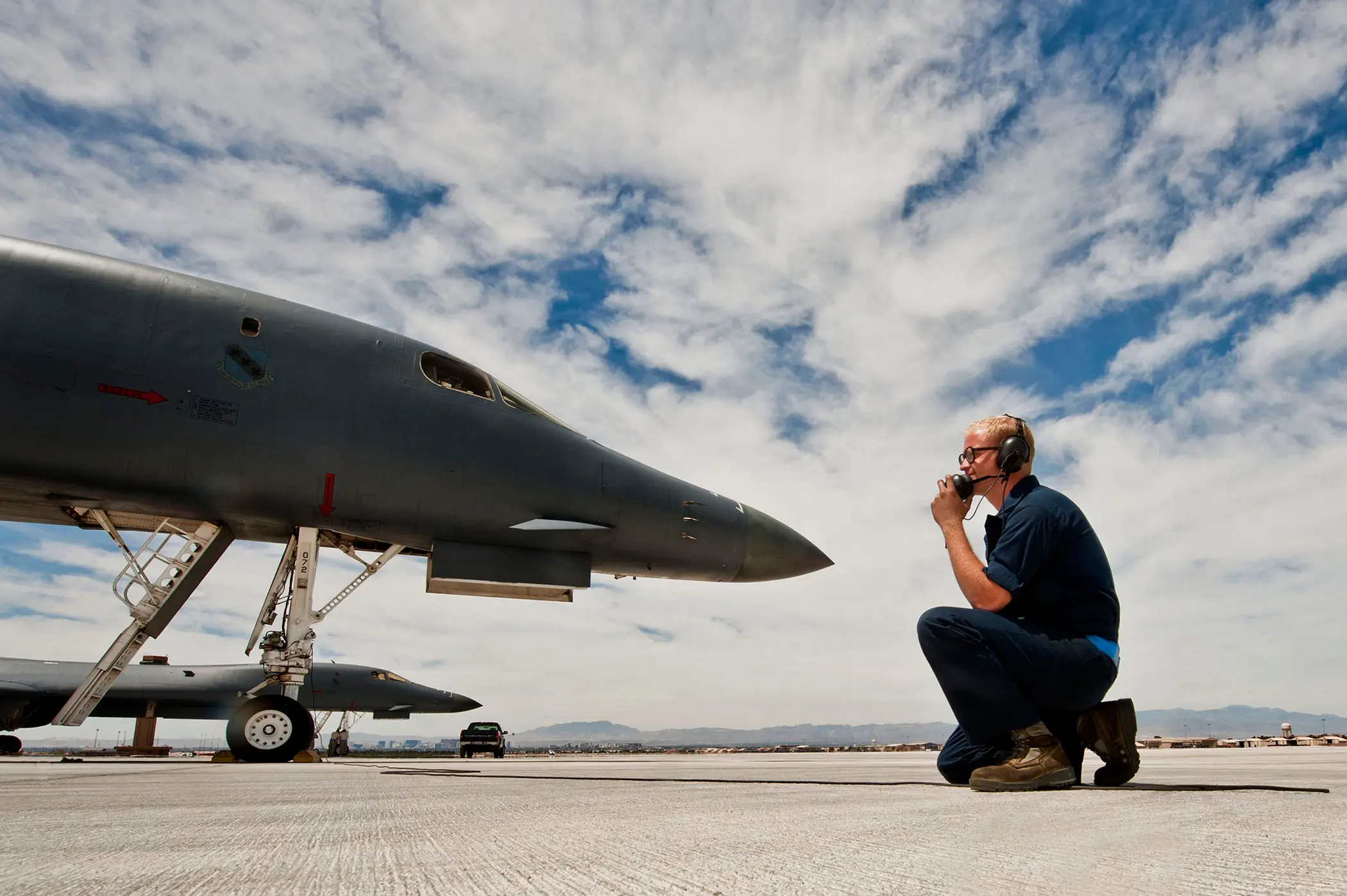
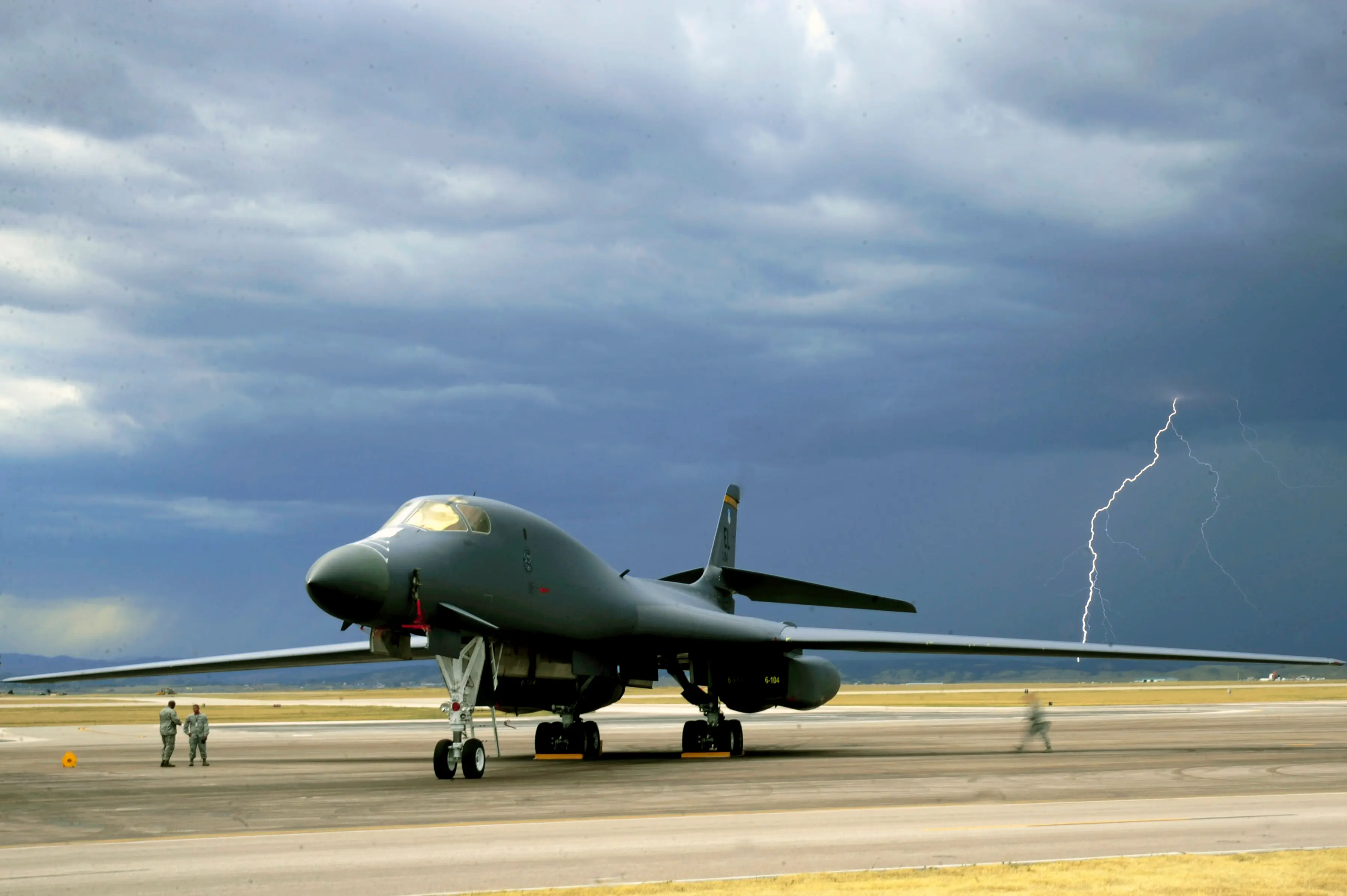
B-1B Lancer, one of the most formidable bombers of the US Air Force, is being gradually phased out. The full retirement of the legendary bomber fleet is expected by the mid-2030s. There are also reports that the retirement could take place by the late 2020s. The aircraft’s age, rising maintenance costs are the main reasons. Also, the emergence of the next-generation stealth bomber B-21 Raider is also a factor. B-21 will replace B-1B Lancer eventually.
Why is the B-1B bomber jet being retired?
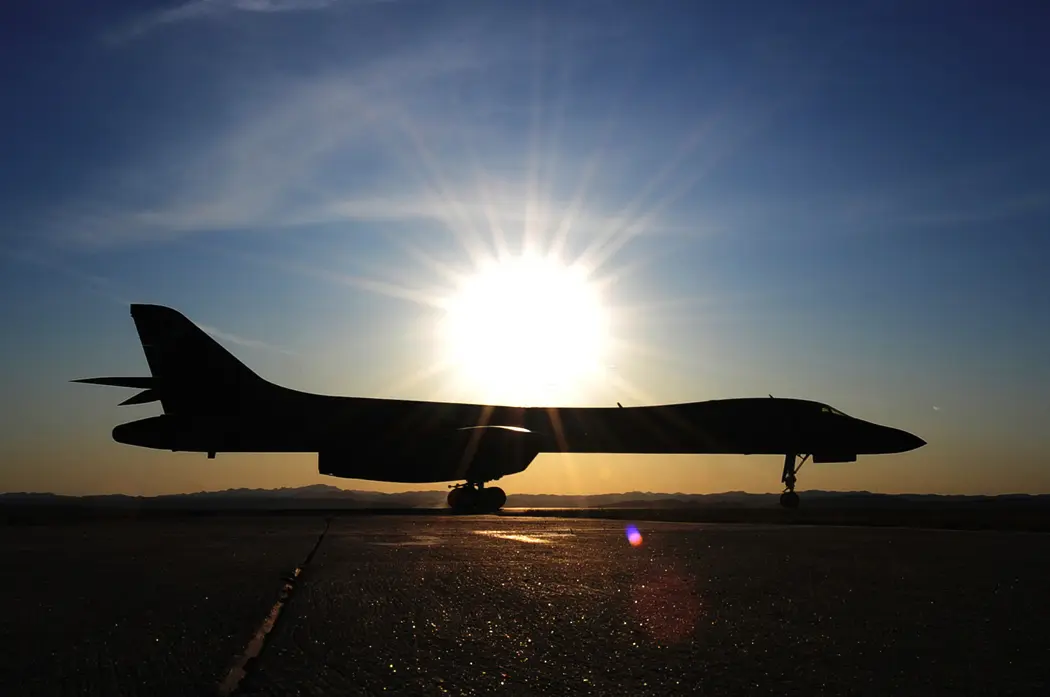
Developed in the 1970s and operational since 1985, the B-1B’s airframe has suffered structural fatigue. This is because the bombers were deployed extensively in high-stress missions in wars like Afghanistan and Iraq. The aircrafts critical parts like wing-pivot points have degraded. Then there is the cost factor: It would take between $10–30 million to restore each aircraft. The variable-sweep wing system of B-1B, similar to the F-14 Tomcat’s, requires intensive maintenance. The aircrafts Cold War-era systems are no match against modern threats like Russia’s S-500.
B-1B retirement is also due to the rise of the B-21 Raider
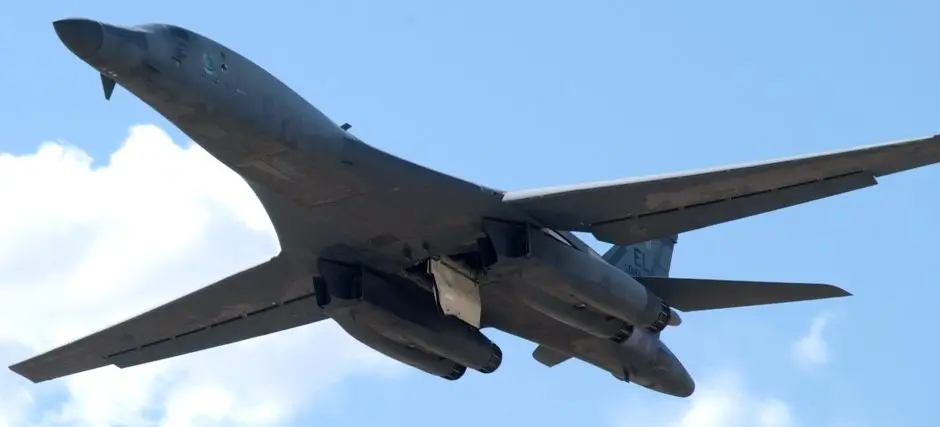
The stealth bomber B-21 Raider will replace the B-1B, B-2 Spirit, and potentially the B-52. The Northrop Grumman-made B-21 Raider has better stealth, longer range, and hypersonic weapon capability. B-21 Raider is likely to enter service by 2027, and will become the backbone of the US bomber fleet. Its design allows it to evade cutting-edge air defence systems and integrate AI, drones, and long-range precision weapons, making it far more advanced than B-1B Lancer.
The legacy of B-1B: No small bomber
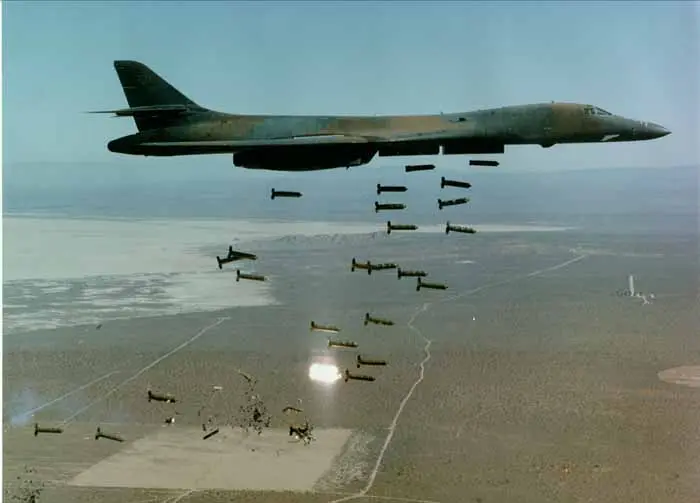
B-1B was originally conceived in the 1960s to merge the B-52’s payload with the B-58’s speed. It was designed for low-altitude Soviet penetration missions during Cold War. Although initially a nuclear bomber, B-1B transitioned to conventional missions after arms treaties in the 1990s. Known as “Bone,” the B-1B was redefined as a precision strike platform. It is capable of carrying up to 75,000 pounds of ordnance, the heaviest payload of any US bomber.
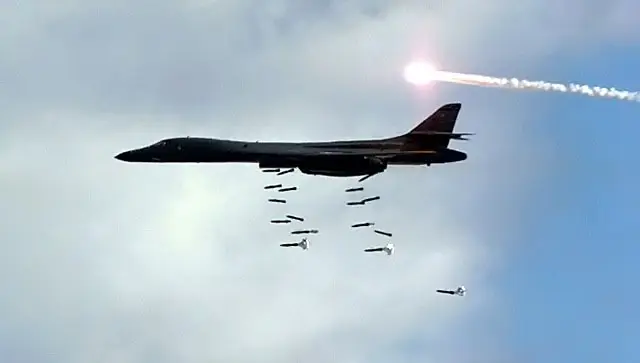
B-1B in the battlefiled: Combat record and achievements
The B-1B was first deployed in combat during Operation Desert Fox (1998). Since that debut, it proved crucial in Operation Enduring Freedom and Operation Iraqi Freedom. In these missions, the B-1B dropped 40–43 per cent of the bombs in early stages. The bomber holds 61 world records for speed, range, and payload. It did round trips of 34 hours from Texas to the Middle East, proving its global reach. Upgrades like the Integrated Battle Station and modern targeting pods improved its combat effectiveness.
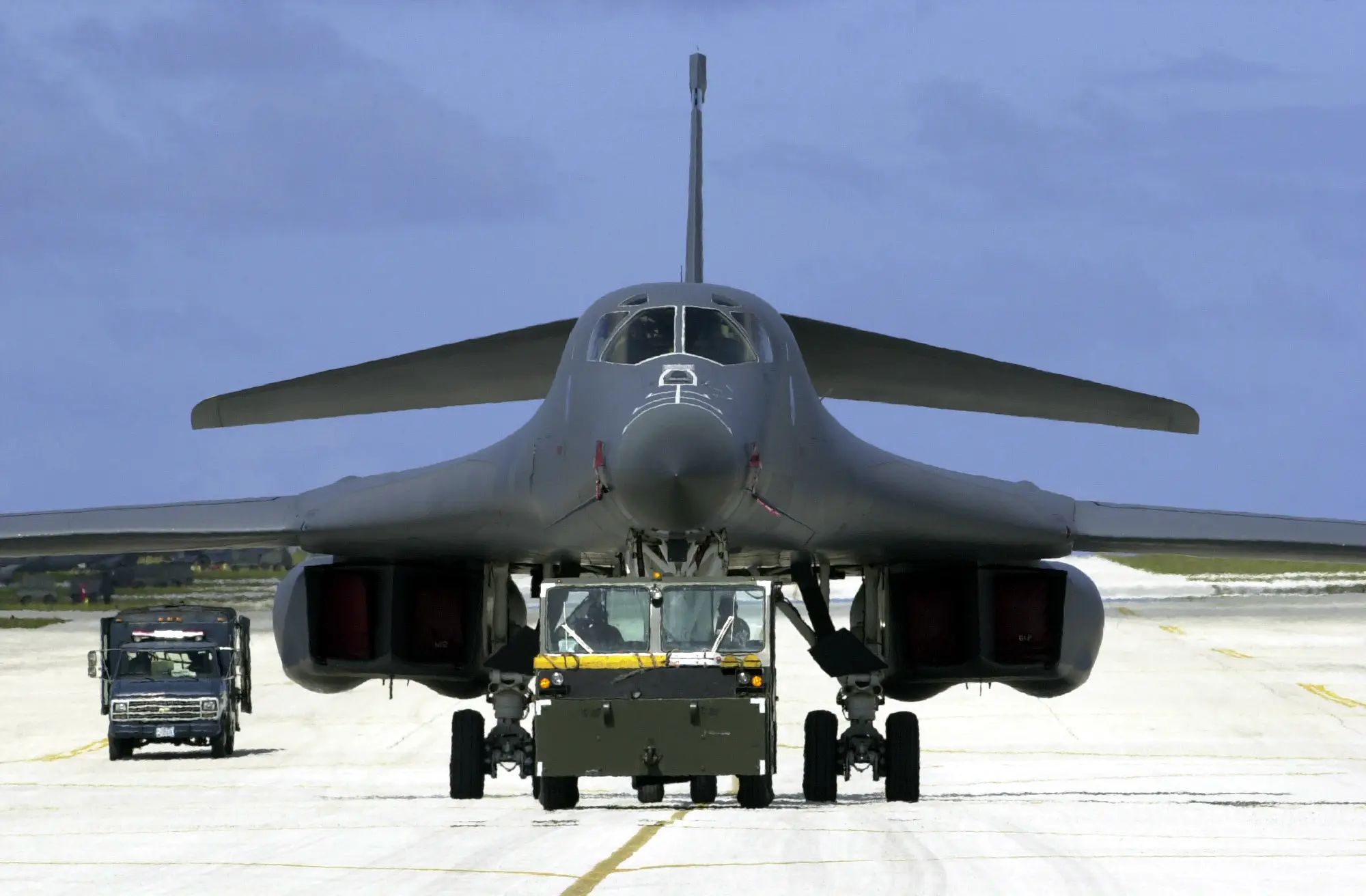
B-1B fleet reduction and temporary revivals: A costly affair
Over the years, the B-1B fleet went down from 100 to 45 aircraft. In 2021, 17 units were retired. Two of them, “Lancelot” and “Rage” were recently pulled from the boneyard to meet readiness needs. This is a sign of the B-1B’s ongoing utility, specially for deploying modern systems like the Long-Range Anti-Ship Missile (LRASM), vital for potentia future conflicts in the Indo-Pacific.
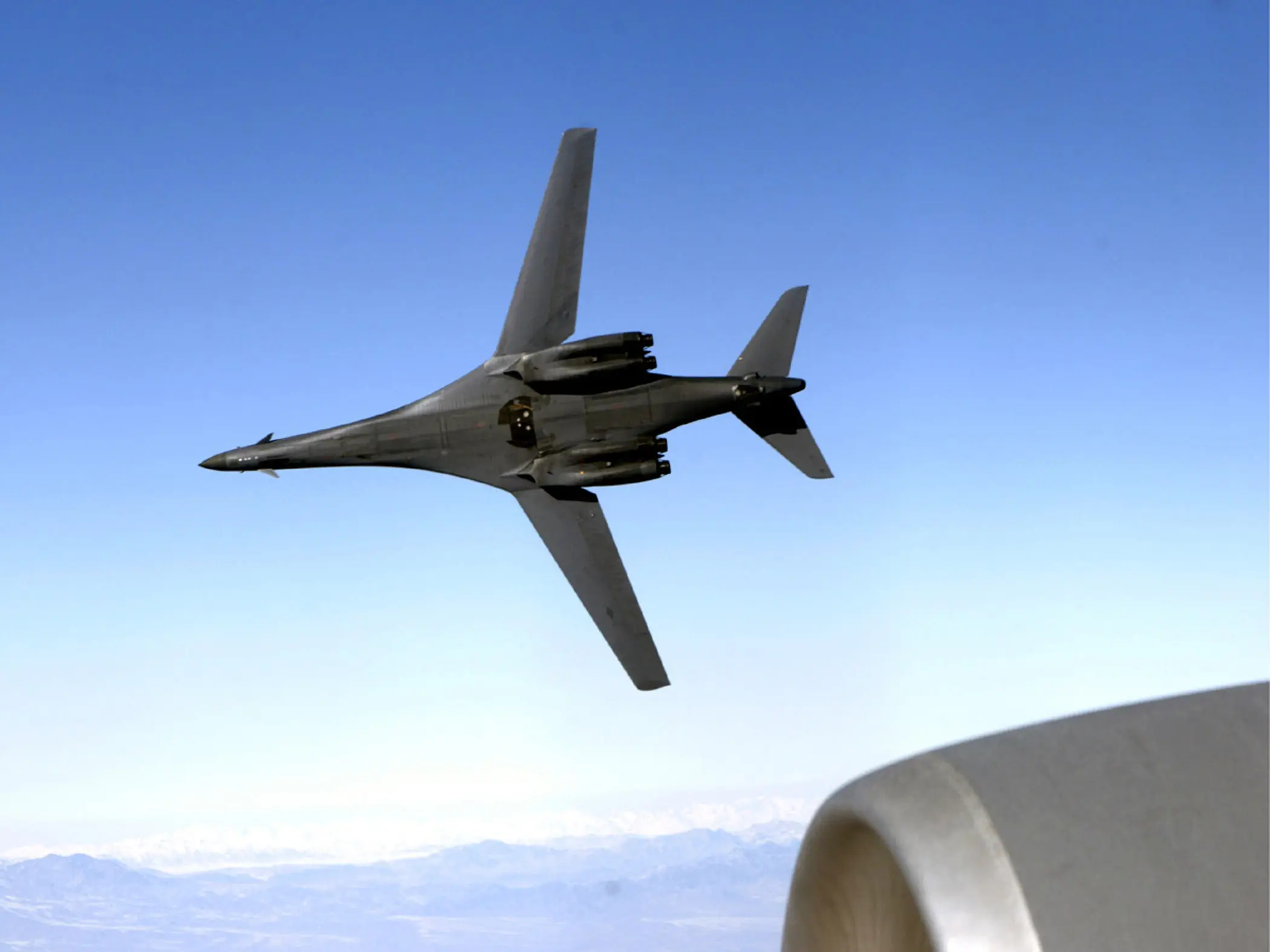
B-1Bs transition from Cold War to 21st century
The B-1B bridged Cold War deterrence and modern warfare. But its ageing systems are no longer aligning with today’s strategic demands. The B-21 Raider, on the other hand, offers the flexibility required for current and future conflicts.
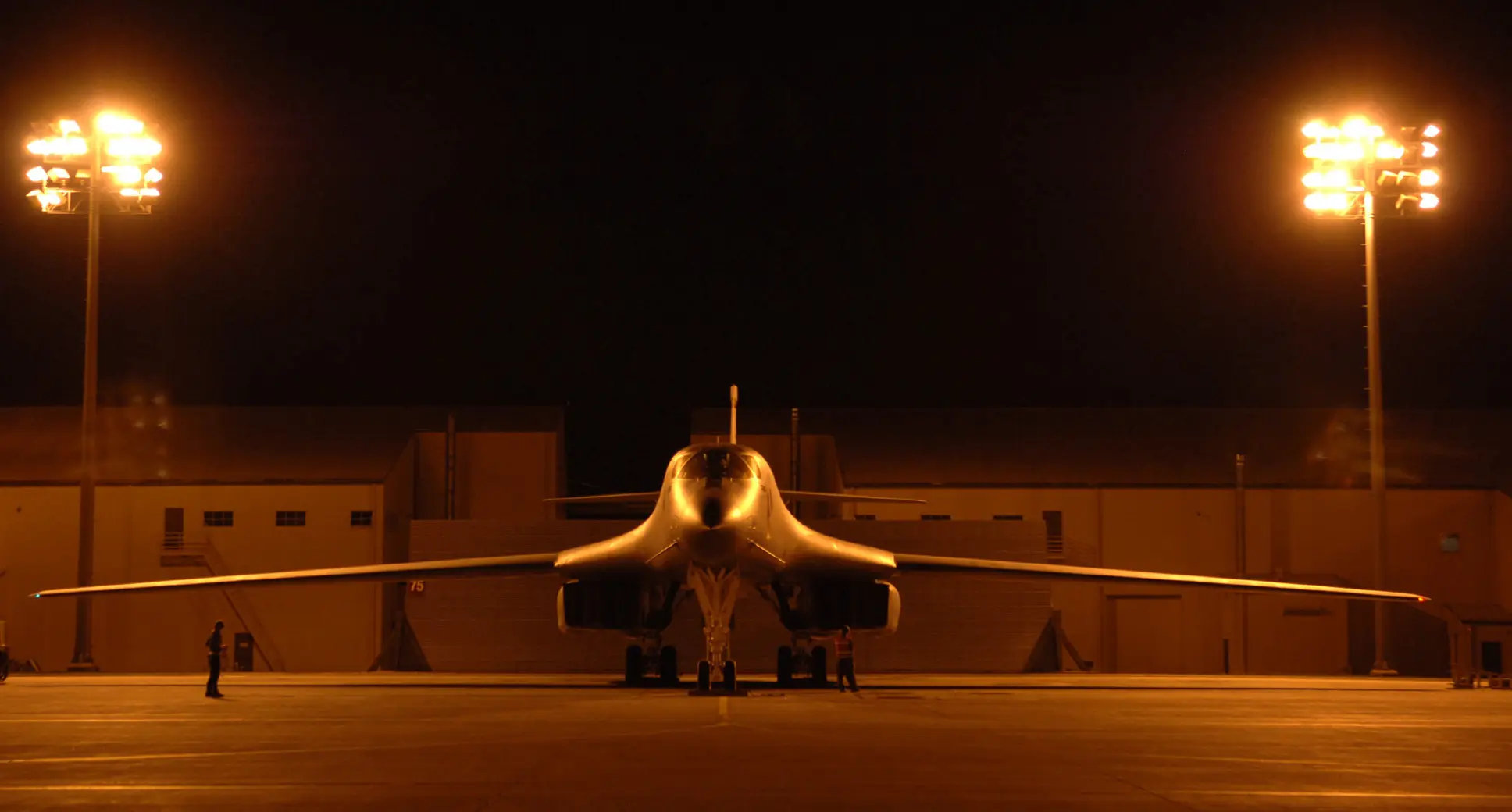
B-21 Raider’s development and advantages to replace B-1B bombers
The B-21, unveiled in 2022, features advanced stealth, an optionally manned cockpit, and digital design techniques. Development and maintenance costs are lower. The projected cost of B-21's maintenance is around $692 million per unit, which is lesser than B-1B or B-2.
Why B-1B will have a lasting legacy
Though its nearing the end of its operational life, the B-1B Lancer had a profound impact on US airpower. It delivered unmatched payloads, adapted to new combat roles, and proved indispensable in multiple wars. The B-21 will be inheriting not only the mission, but also the spirit of adaptability, power projection, and strategic reach that defined the B-1B.
)
)
)
)
)