B-1 Bomber in India: How powerful is the US Air Force's Lancer bomber

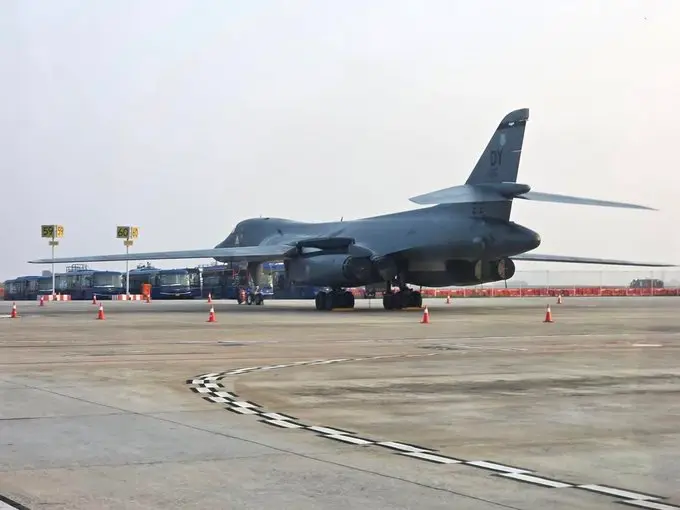
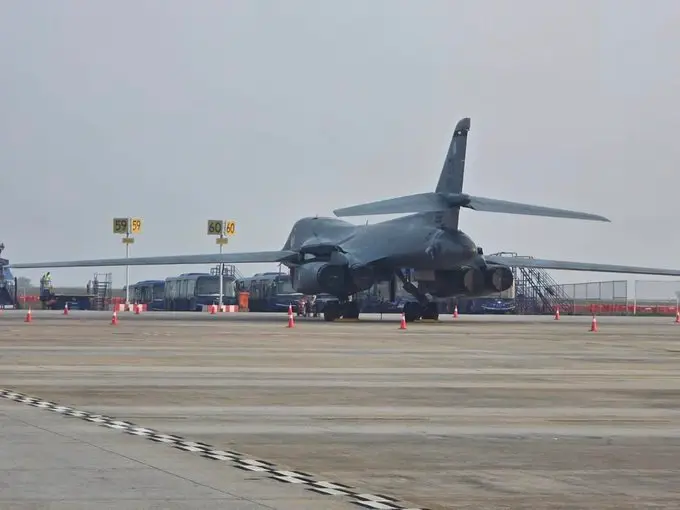
The US Air Force’s B-1 Lancer bomber is a powerful long-range aircraft with advanced weapons and defensive technology. Its recent joint exercises with India highlight growing military cooperation and shared strategic interests in the Indo-Pacific.
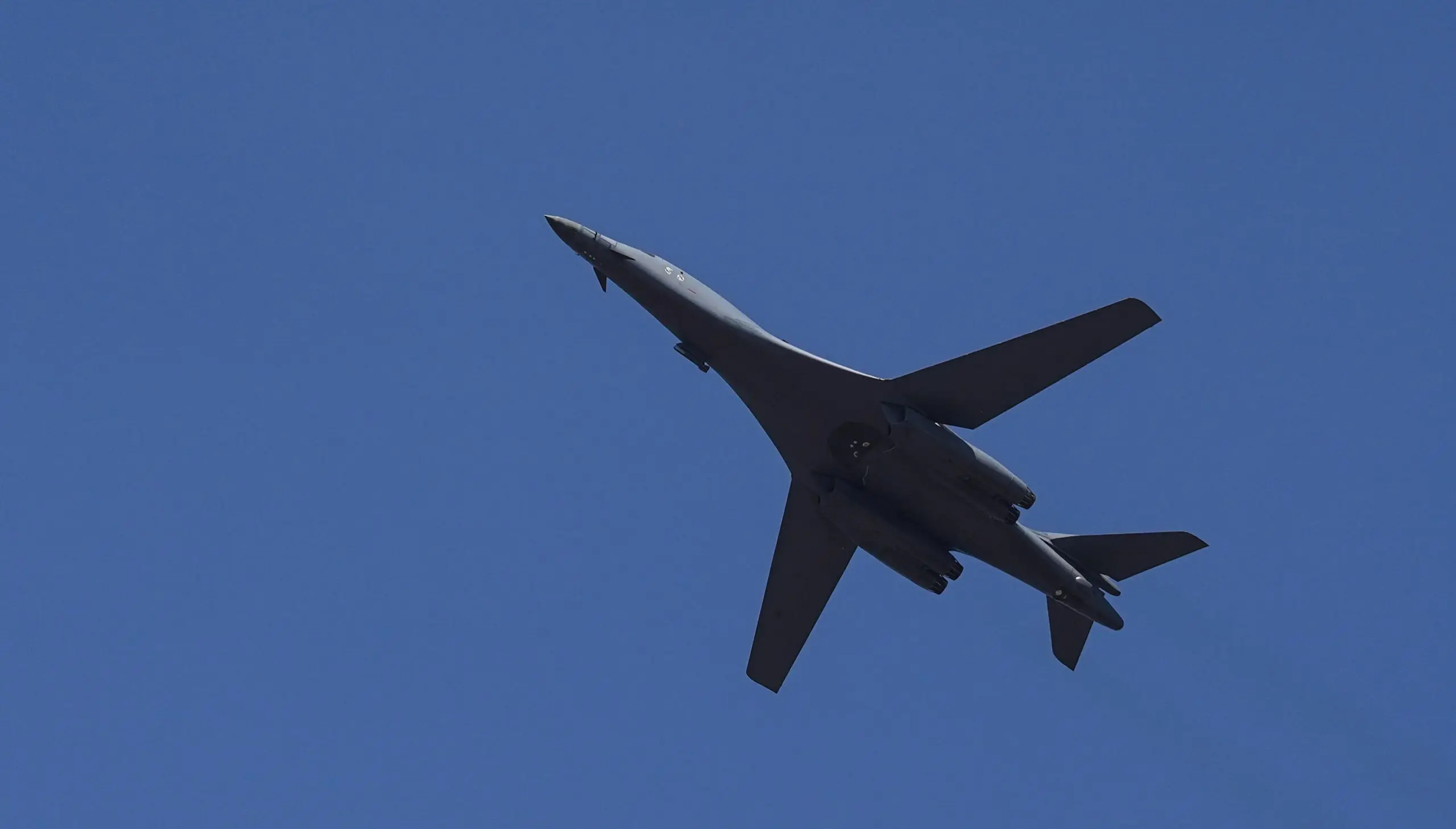
A Powerful Heavy Bomber
The B-1 Lancer is a long-range, heavy bomber developed for high-speed and heavy payload missions. It has a maximum takeoff weight of 477,000 pounds and carries both conventional and nuclear weapons
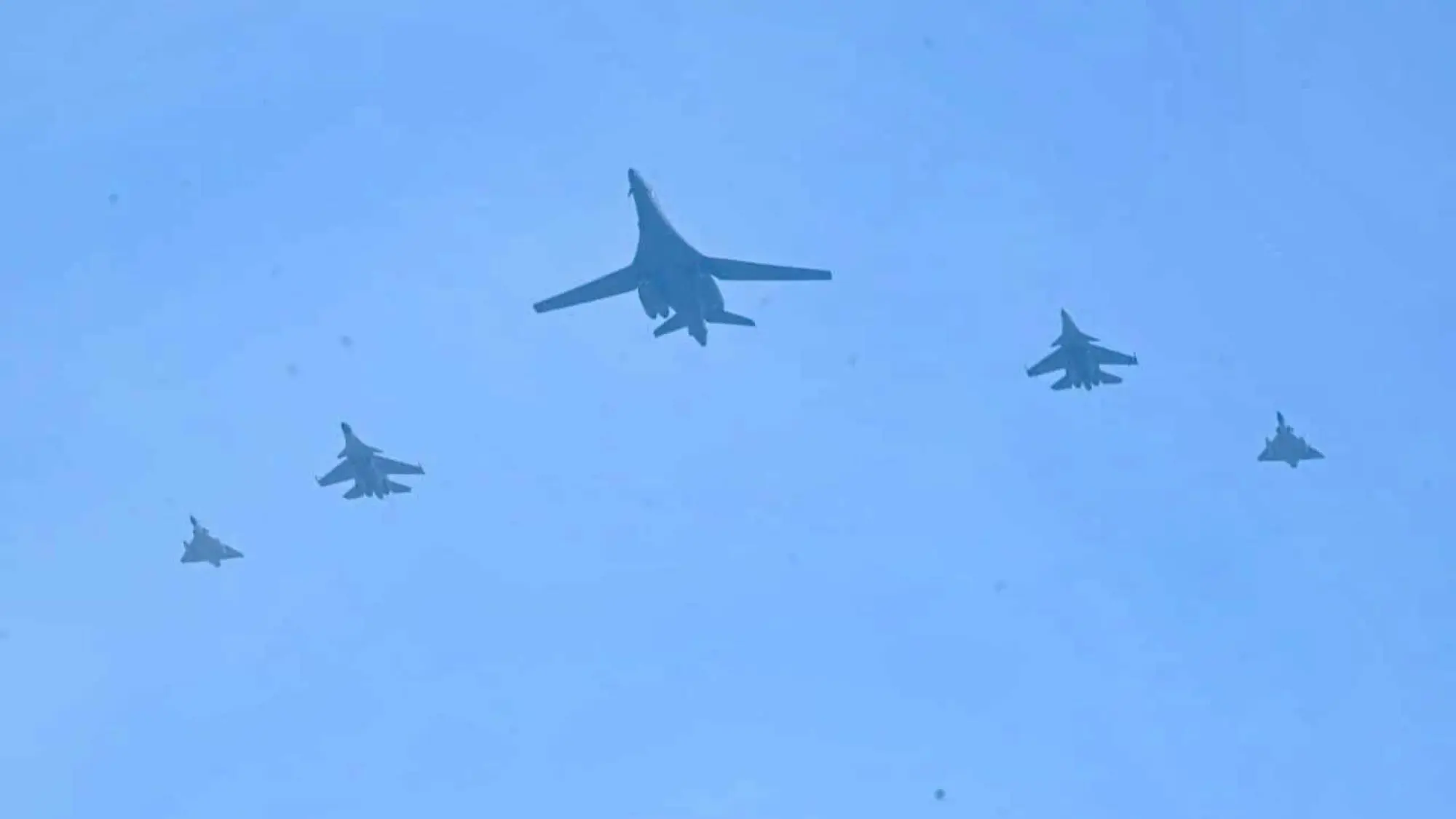
Exceptional Speed
It can fly at a top speed of Mach 1.2, or over 900 miles per hour at sea level. This supersonic speed is notable for a bomber of its size and weight, making it one of the fastest bombers in the US Air Force.
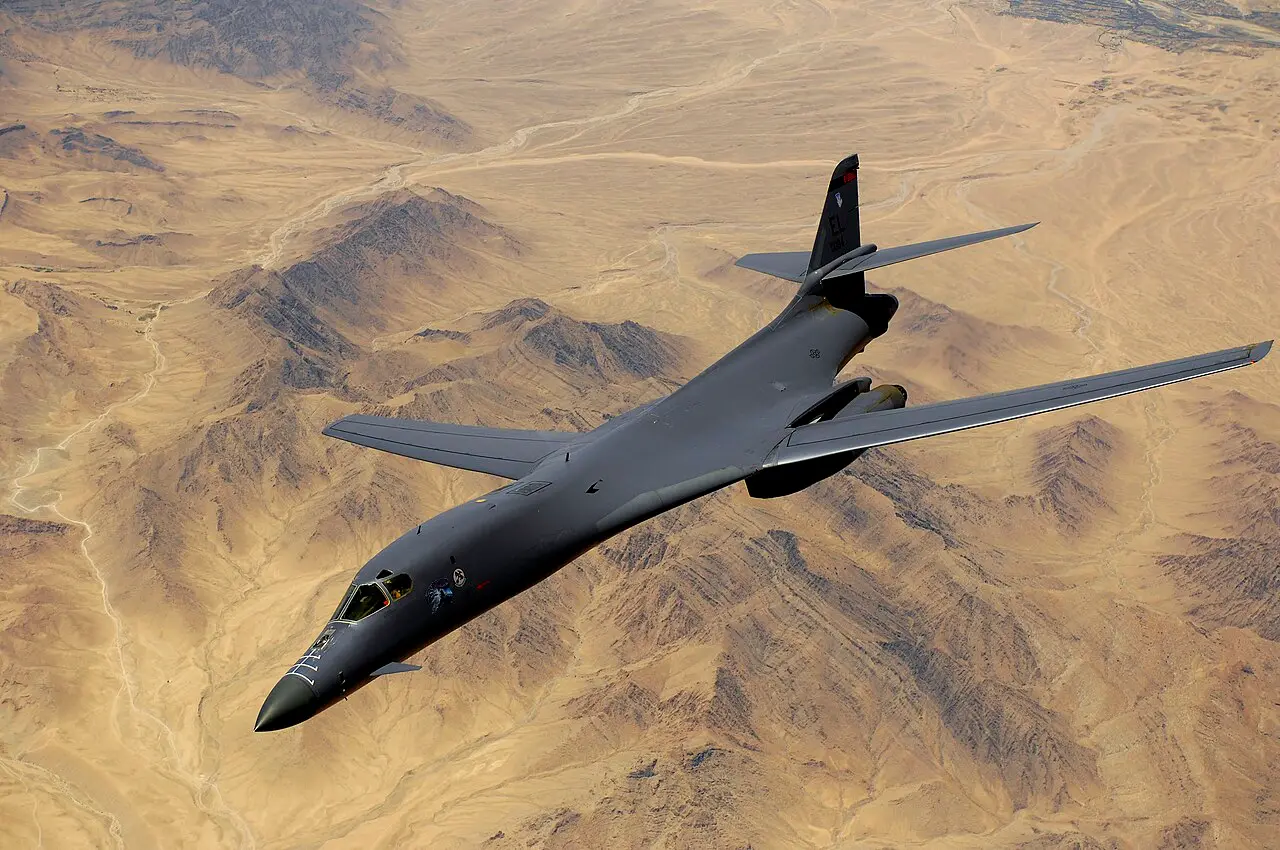
Massive Payload Capacity
The B-1 can carry up to 75,000 pounds of weapons internally and 50,000 pounds externally. This allows it to deploy a wide range of bombs and missiles, including precision-guided munitions and cruise missiles.
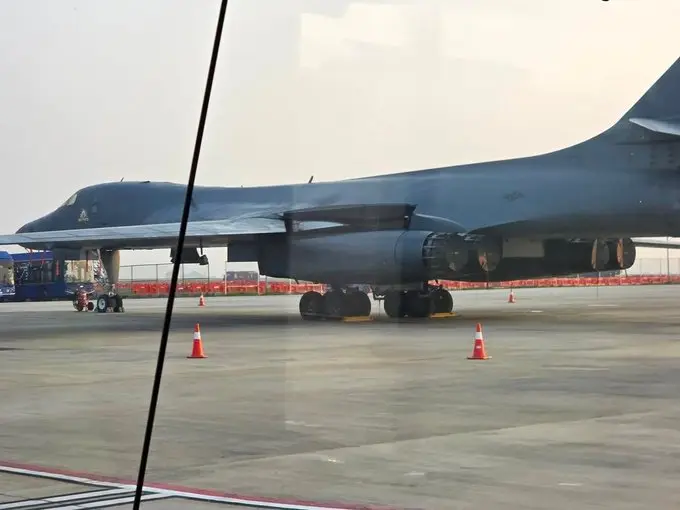
Powerful Engines
Its four General Electric F101-GE-102 afterburning turbofan engines provide over 30,000 pounds of thrust each. When all engines operate at full afterburner, the bomber generates about 120,000 pounds of thrust, enabling rapid acceleration and sustained supersonic flight.
Long Range and Endurance
With a fuel capacity over 265,000 pounds, the B-1 can fly intercontinental distances of up to 12,000 km without refuelling. This enables global strike missions with rapid reach
Advanced Flight Technology
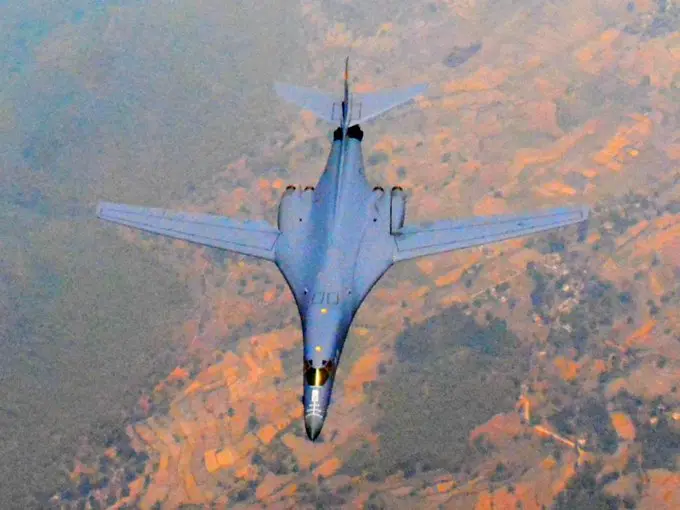
Variable-sweep wings help balance high speed and fuel efficiency. At different wing positions, the B-1 adjusts for takeoff, high-speed flight, or endurance cruising, enhancing manoeuvrability and mission flexibility
Defensive Systems Ensuring Survivability
The bomber is equipped with electronic jamming systems, radar warning receivers, and countermeasures such as chaff and flares. These protect it against enemy missiles and radar, supporting its ability to penetrate hostile airspace.
)
)
)
)
)