‘Autonomous scouts’: How USS Abraham Lincoln uses US sea drones in naval operations

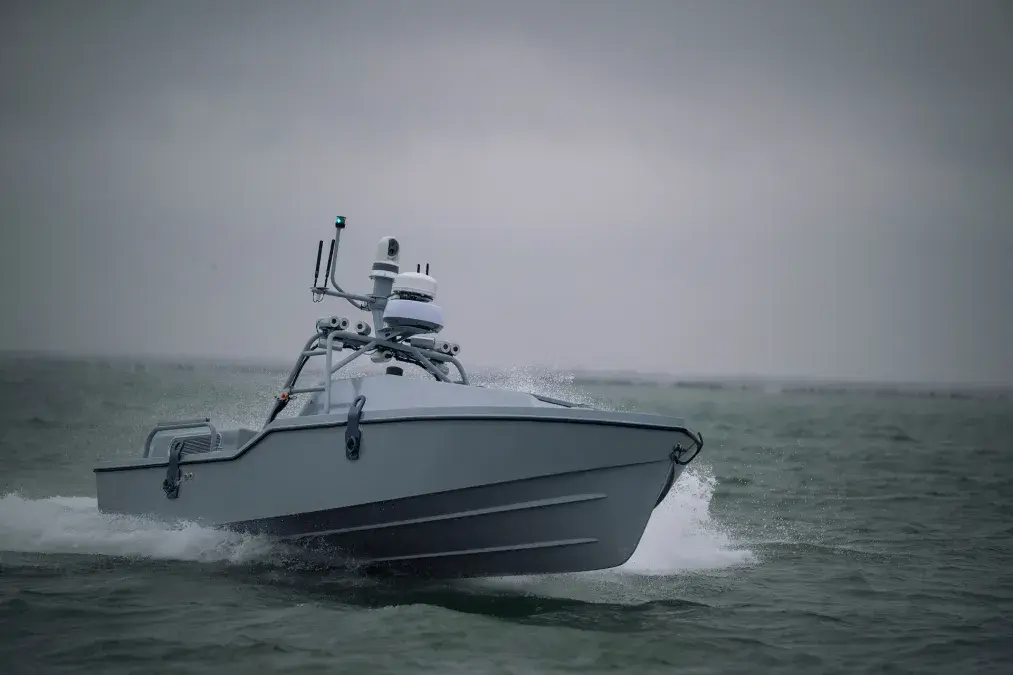
The USS Abraham Lincoln uses Task Force 59's sea drones to extend its radar visibility. Launching from shore bases, these autonomous vessels act as forward scouts, perform rescues like the recent Corsair mission, and protect the carrier.
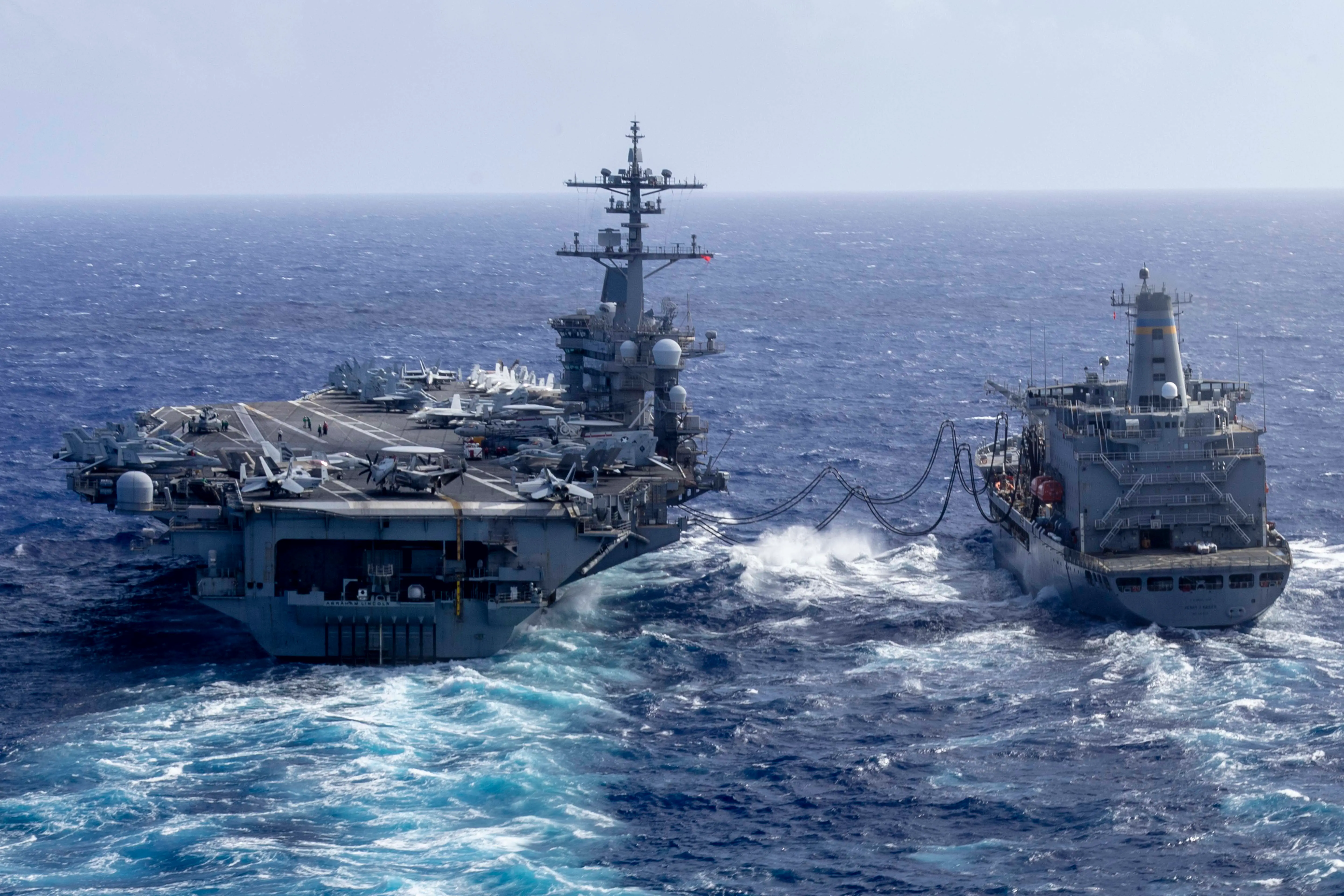
Forward reconnaissance
The carrier strike group uses Task Force 59's autonomous sea drones as forward scouts across the Arabian Sea. US Central Command states these vessels sail miles ahead to significantly extend the fleet's radar visibility.
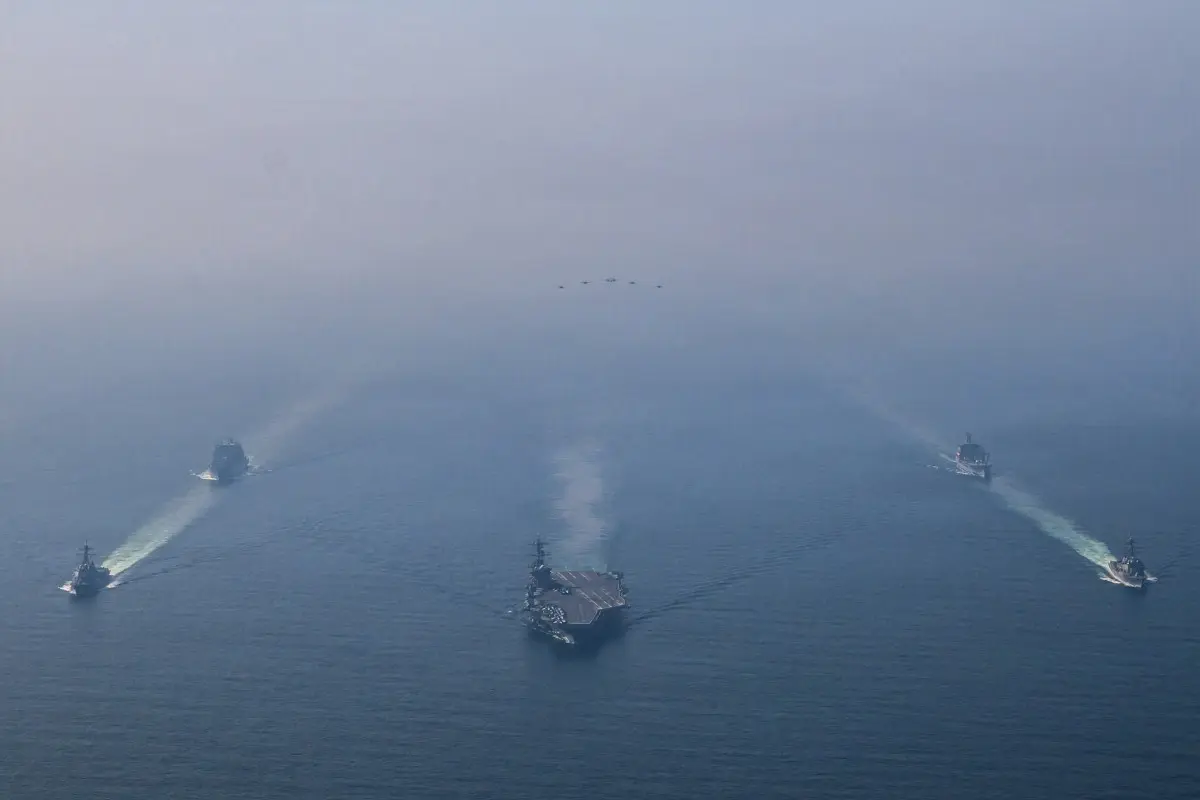
Shore-based coordination
Because the Nimitz-class carrier requires its deck space for 90 aircraft, the sea drones launch from shore bases in Bahrain. They operate independently while maintaining a highly secure data link with the main fleet.
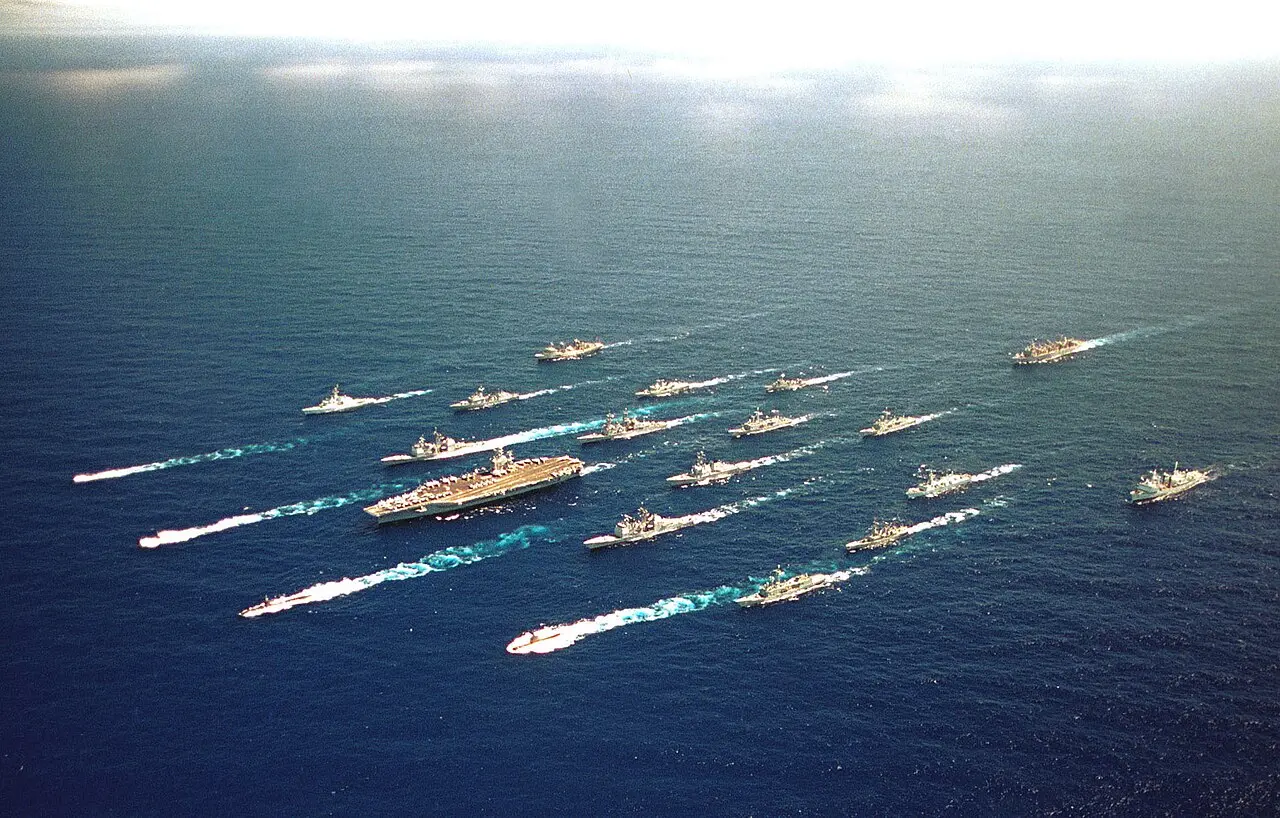
Live sensor integration
Uncrewed vessels instantly share their 360-degree passive sensing data with the Abraham Lincoln's combat information centre. This allows the carrier crew to detect distant maritime threats without turning on their own active radar.
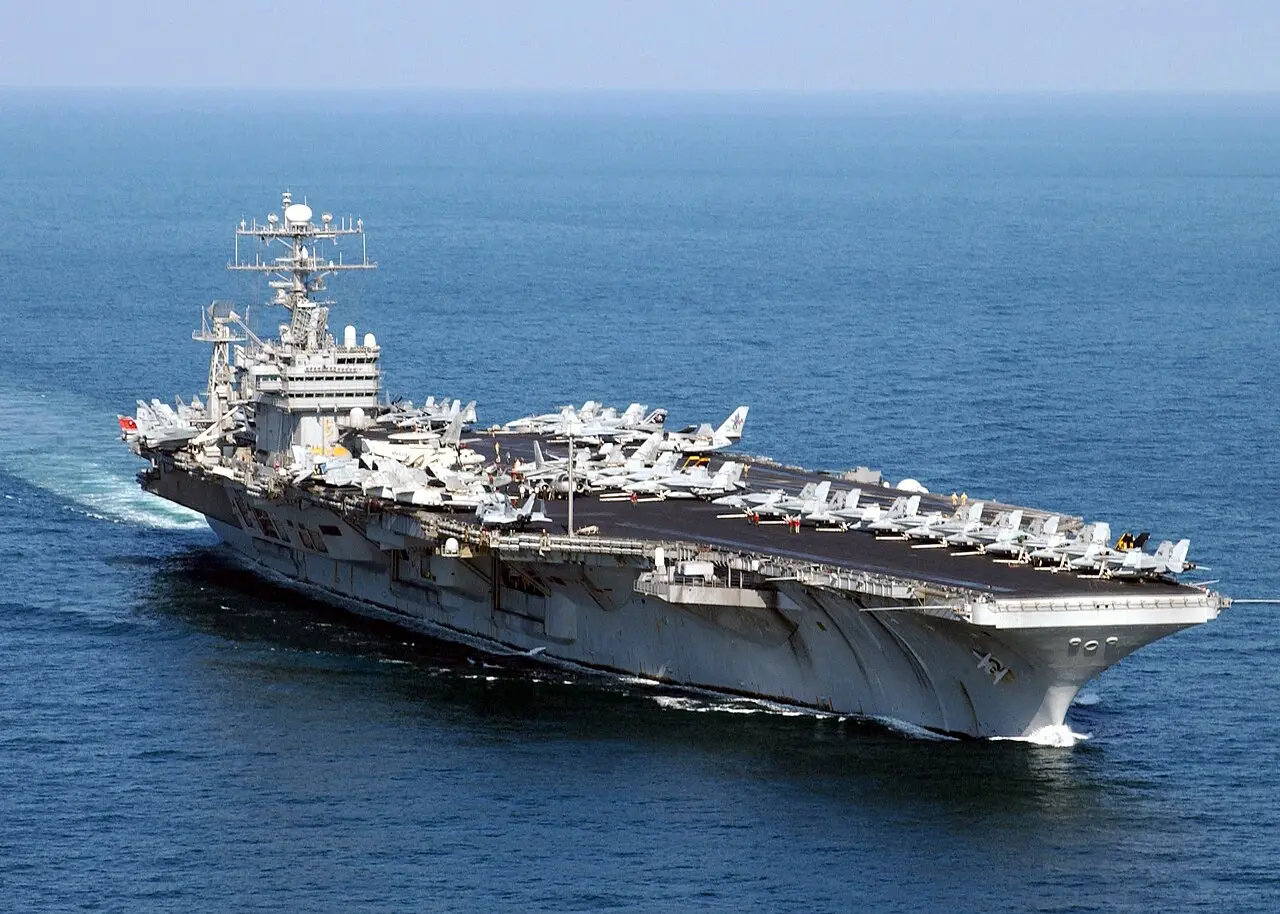
Personnel recovery operations
Sea drones actively support the strike group's emergency operations in the region. In June 2026, a 24-foot Saronic Corsair autonomous vessel successfully rescued two downed Apache pilots near the Strait of Hormuz.
Protecting stealth missions
By relying on drones for active radar scanning, the USS Abraham Lincoln can safely execute strict emission control (EMCON) operations. The carrier effectively goes completely dark, using the drones to continuously monitor the horizon for hostile attacks.
)
)
)
)
)