Australia election 2022: From top candidates to how it works, all you need to know

Top candidates
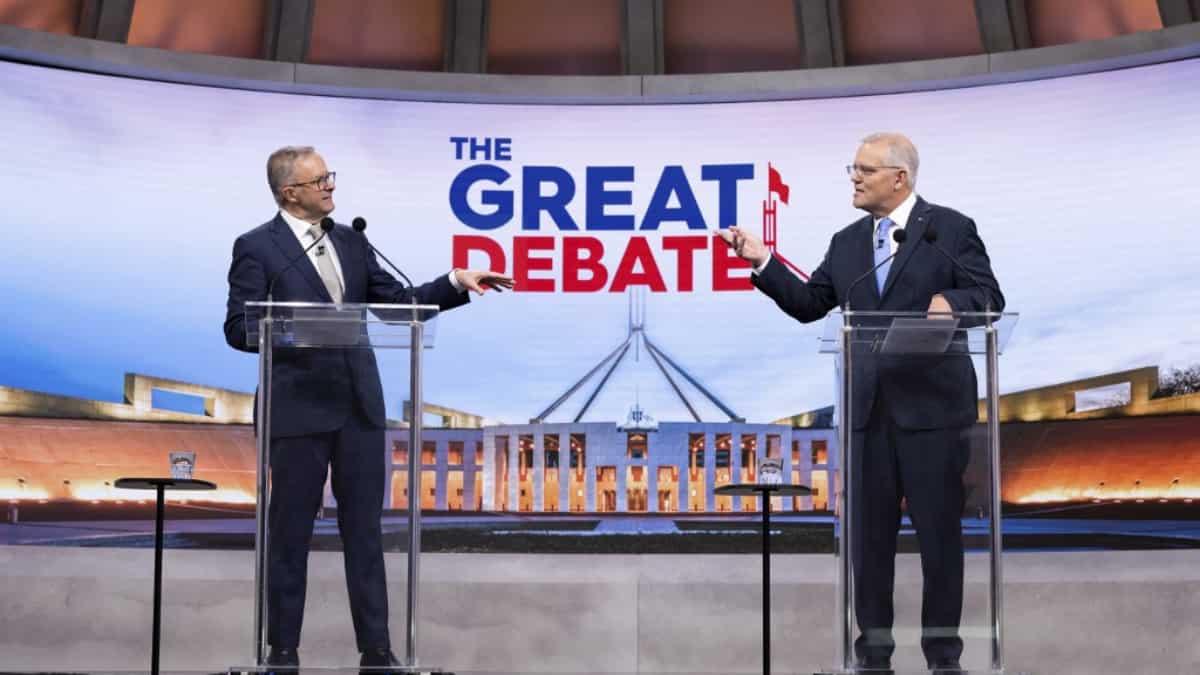
Australian Prime Minister Scott Morrison, 54, has been in power for nearly four years and rules in a long-established conservative coalition between his Liberal Party and the rural-based National Party. He grew up in the wealthy Sydney beachside suburb of Bronte. Led his party to a "miracle" election win three years ago after lagging in polls.
Morrison has promised a change in his style of governing, conceding he had been a "bit of a bulldozer", after his personality became an electoral liability.
Opposition Labor Party leader Anthony Albanese, 59, became party leader in 2019. Survived a car crash in January last year. Grew up in Sydney public housing with a single mother.
Albanese has offered an alternative based on his working-class roots and pragmatic style.
Major issues
Challenges ahead for the winner include inflation, which at two-decade highs and picking up pace, interest rates that have just started rising for the first time in more than 11 years, while pandemic spending portends massive budget deficits in the years ahead. Fortunately, unemployment is its lowest in almost 50 years, and global prices for Australian commodities are sky-high.
A cohort of climate-conscious independent candidates threatens some safe government seats, agitating for greater action after three years of fire, floods and pandemic. It is possible they could unseat some prominent government members and even hold the balance of power.
The major parties have a tricky path. People say they want action on climate, but are not always keen to pay for it. And in an election in which cost of living has been a central issue, retail power prices are a factor.
Foreign policy became an unlikely election issue after Prime Minister Scott Morrison sought to trumpet his national security credentials and claim Labor was not up to the job, only to be undercut by the Solomon Islands signing a security pact with China.
How it works
Voting is compulsory, and the fine for not voting is Aus$20 (US$14). There are 17.2 million registered voters aged 18 and up. Polls open from 8:00 am to 6:00 pm local time.
Voters choose all 151 seats in parliament's lower chamber, the House of Representatives. The term is three years. The ruling Liberal-National coalition has 75 seats and opposition Labor 68.
Also up for election are 40 of the 76 seats in the upper chamber, the Senate. The term is six years.
For the House, voters rank every candidate for their district in order of preference. If no one gets more than 50 percent, the last-placed candidate is eliminated and their preference votes are redistributed.
For the Senate, there is a system of proportional representation, aimed at giving each party a number of seats that reflects their share of the vote.
Preferential voting system
Australia has a preferential voting system for elections to the lower house. Voters rank candidates in order of preference on their ballot papers.
A lower-house candidate who gets more than 50 per cent of the first-preference votes wins the seat. If no candidate reaches that threshold, the one with the fewest votes is excluded and their votes are distributed to the person each of those voters nominated as their second preference. This continues until one candidate passes the 50 per cent threshold.
Since 2010 there has been a high turnover of prime ministers, following changes that allow the governing party to call a leadership vote without involving the electorate. In that period, Kevin Rudd (Labor), Julia Gillard (Labor), Rudd (for a second time), Tony Abbott (Liberal), Malcolm Turnbull (Liberal) and Morrison (Liberal) have served as prime minister.
Following changes to Liberal Party rules on internal leadership votes, Scott Morrison has become the first Prime Minister to serve a full three-year term since a John Howard-led coalition was voted out in 2007 after 11 years in power.
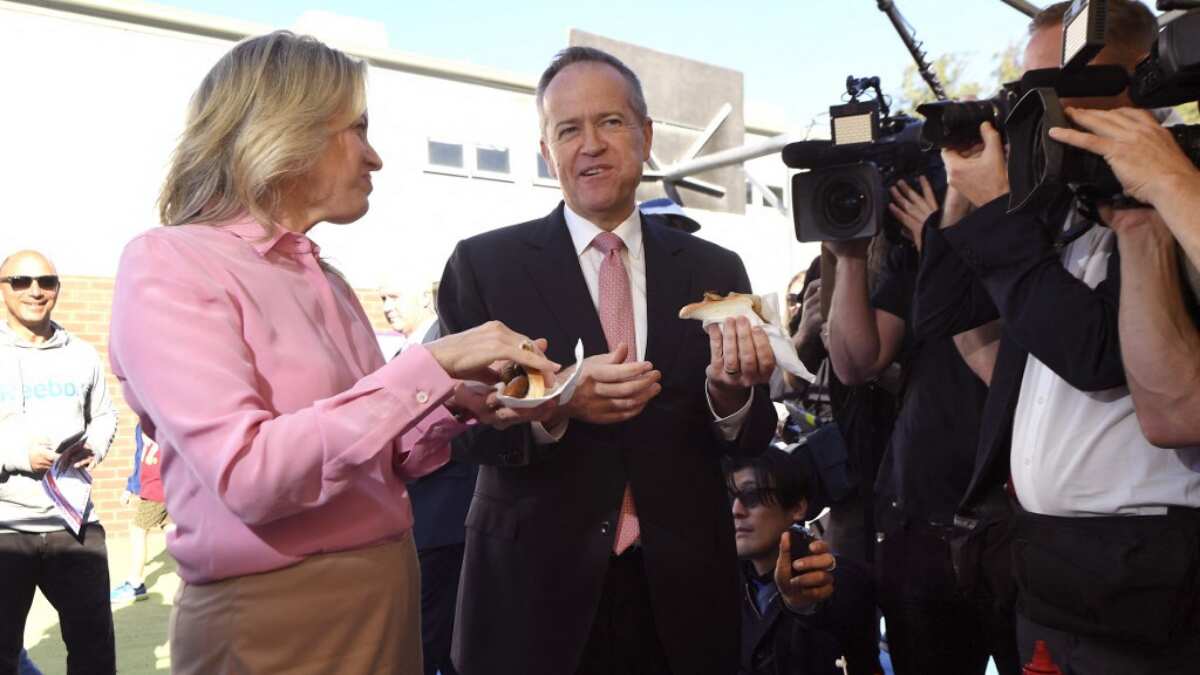
Sausages
Many polling stations run so-called sizzles, or barbecues, to offer voters a "democracy sausage" on election day.
)
)
)
)
)