Atomic vs nuclear bombs: The key difference behind world’s deadliest weapons

The atomic bomb was the first nuclear weapon ever developed. Its power comes from nuclear fission, the process of splitting heavy atoms, typically uranium-235 or plutonium-239, to release enormous energy.
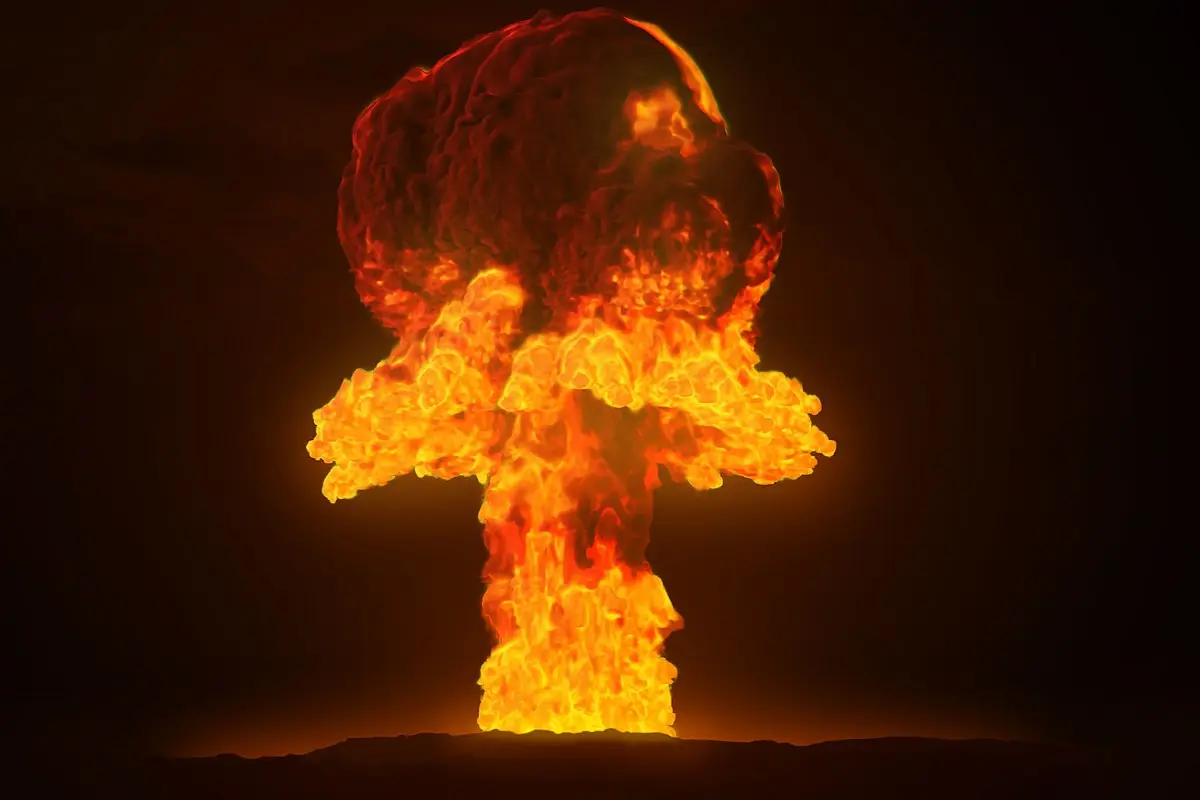
Introduction: two words, one terrifying legacy
Few terms in modern history evoke more fear than 'atomic' and 'nuclear.' They are often used interchangeably, conjuring images of mushroom clouds and total devastation. Yet the distinction between them is both scientific and historical. While all atomic bombs are nuclear weapons, not all nuclear weapons are atomic bombs. Understanding the difference reveals how nuclear technology evolved, from the fission-based devices of Hiroshima to the vastly more powerful thermonuclear weapons that now define the modern age.
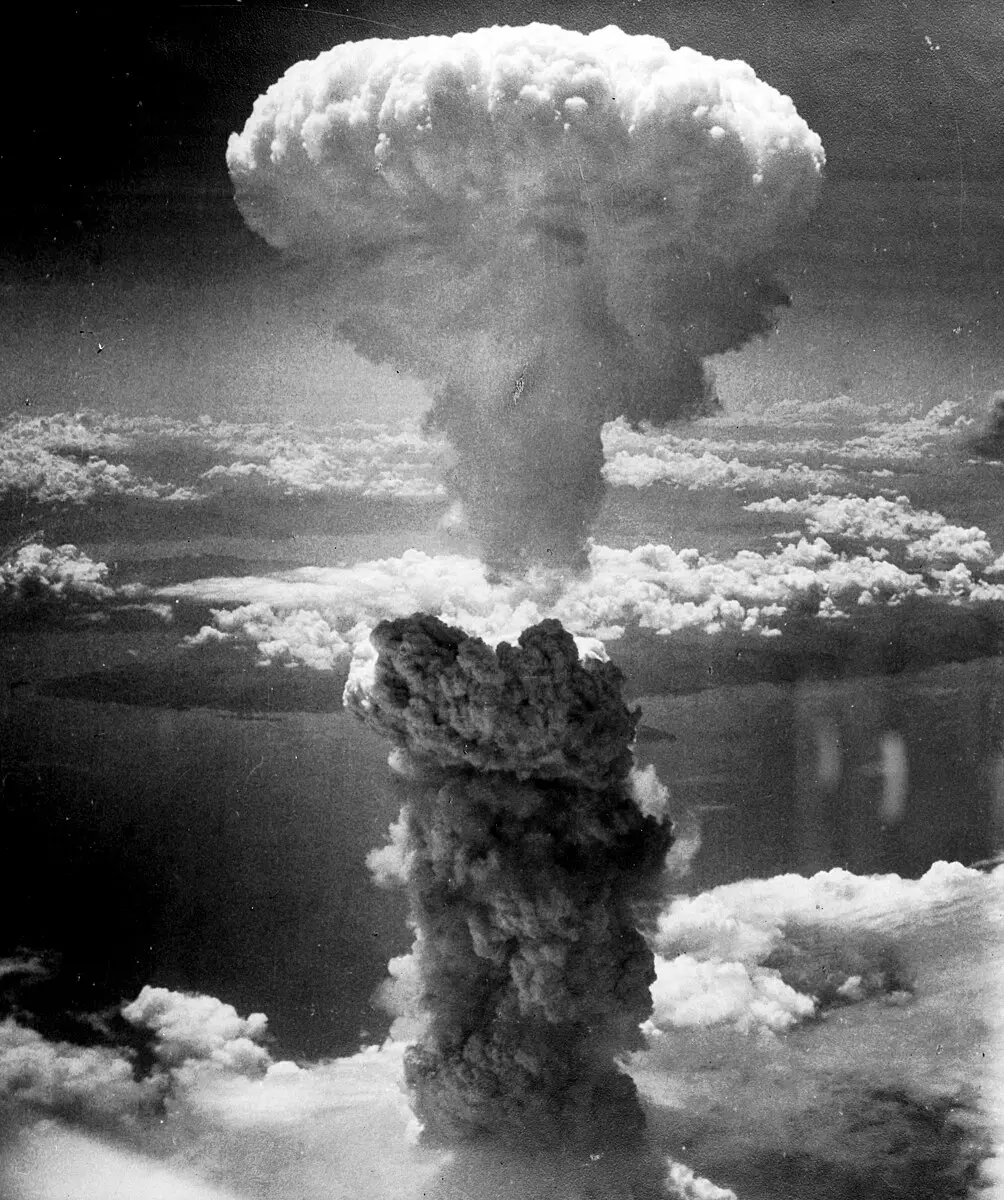
The origin of the atomic bomb
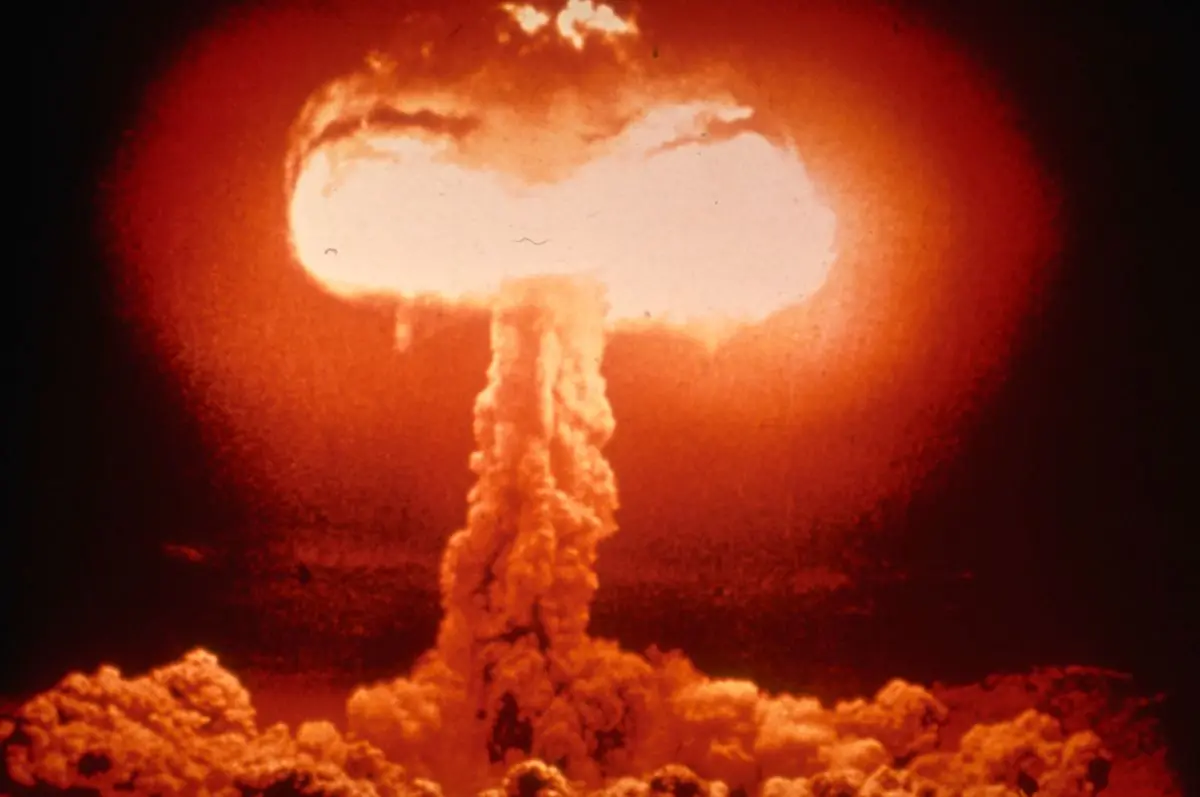
The atomic bomb was the first nuclear weapon ever developed. Its power comes from nuclear fission, the process of splitting heavy atoms, typically uranium-235 or plutonium-239, to release enormous energy. When a neutron strikes one of these nuclei, it splits into smaller fragments, releasing more neutrons and triggering a chain reaction. This reaction releases energy according to Einstein’s equation E = mc², converting minute amounts of mass into explosive force. The first use of atomic bombs came in 1945, when the United States dropped 'Little Boy' on Hiroshima and 'Fat Man' on Nagasaki. Together, they killed over 200,000 people and ushered in the nuclear age. Their destructive power, measured in kilotonnes of TNT, demonstrated that a single bomb could obliterate an entire city.
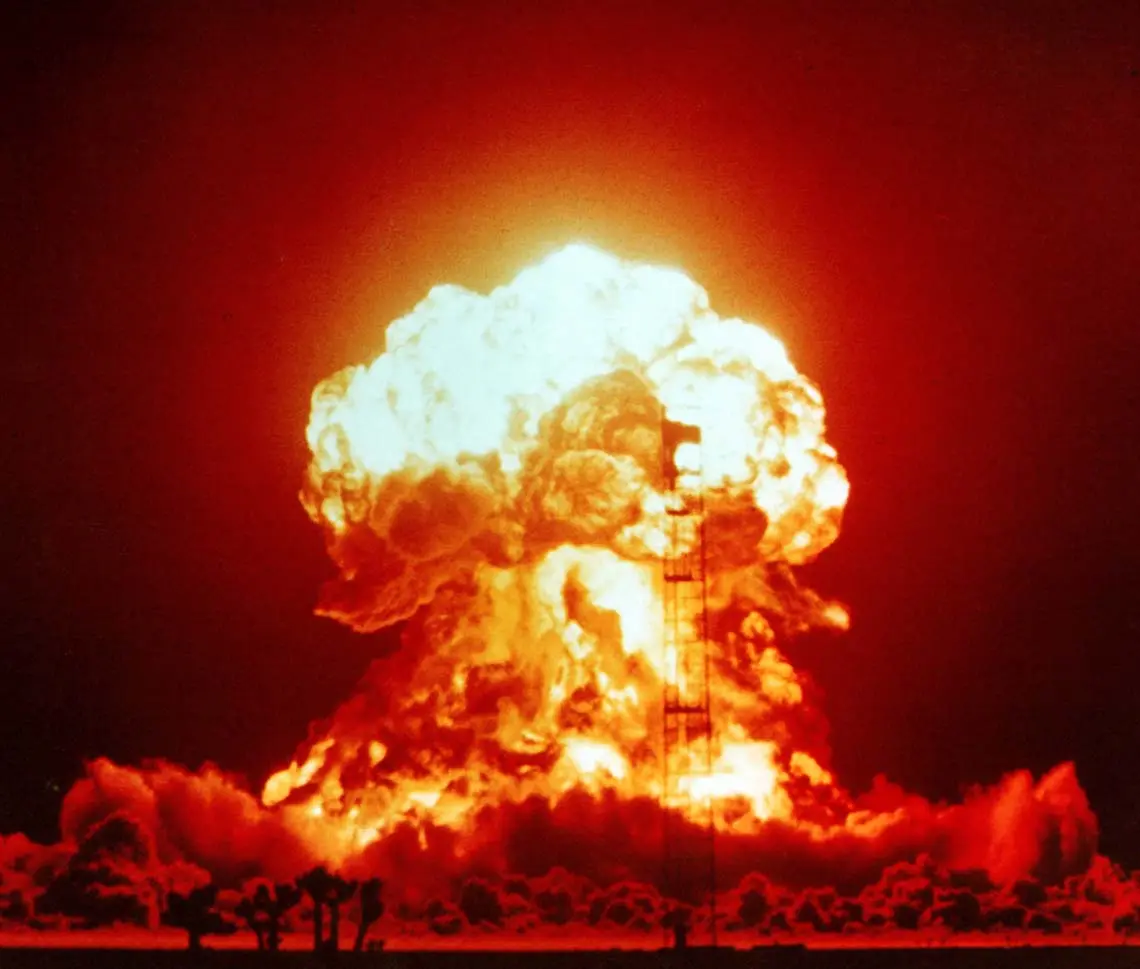
The birth of the 'nuclear' era
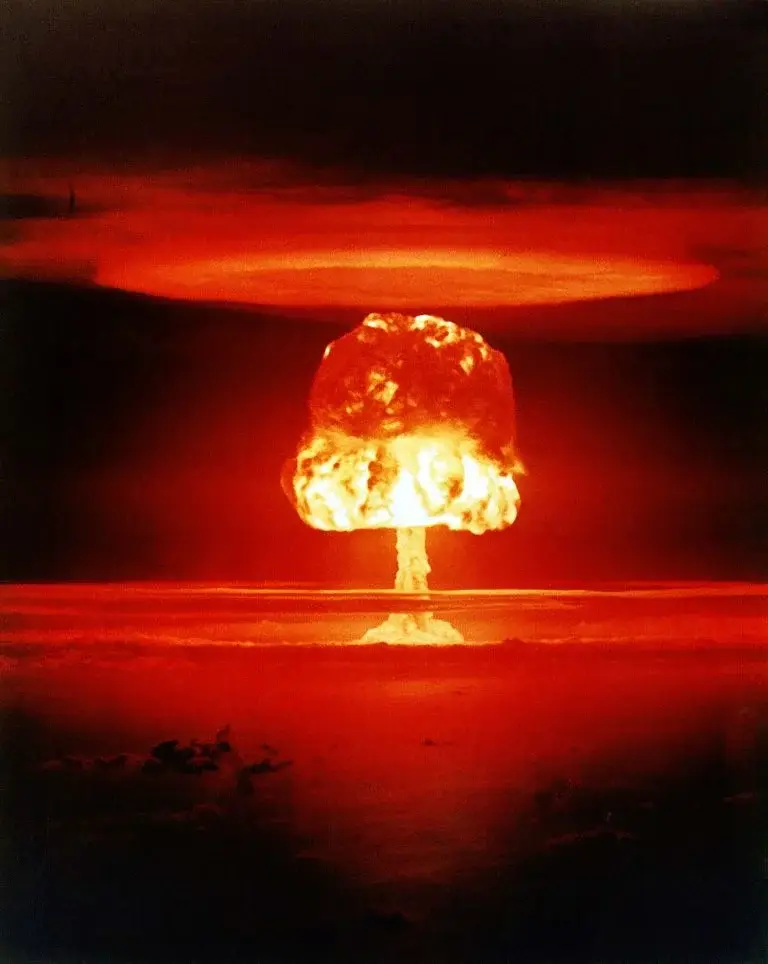
The term nuclear bomb is broader, encompassing both atomic (fission-based) and hydrogen or thermonuclear bombs (fusion-based). After World War II, scientists sought to amplify the energy released by fission by adding a second stage, nuclear fusion, the same reaction that powers the Sun. In 1952, the United States tested the first hydrogen bomb, 'Ivy Mike,' releasing over 10 megatonnes of energy, hundreds of times more powerful than the Hiroshima bomb. This leap in yield marked a turning point: the shift from atomic to thermonuclear weaponry. While an atomic bomb uses fission alone, a hydrogen bomb uses both fission and fusion, creating a two-stage reaction of near-limitless destructive potential.
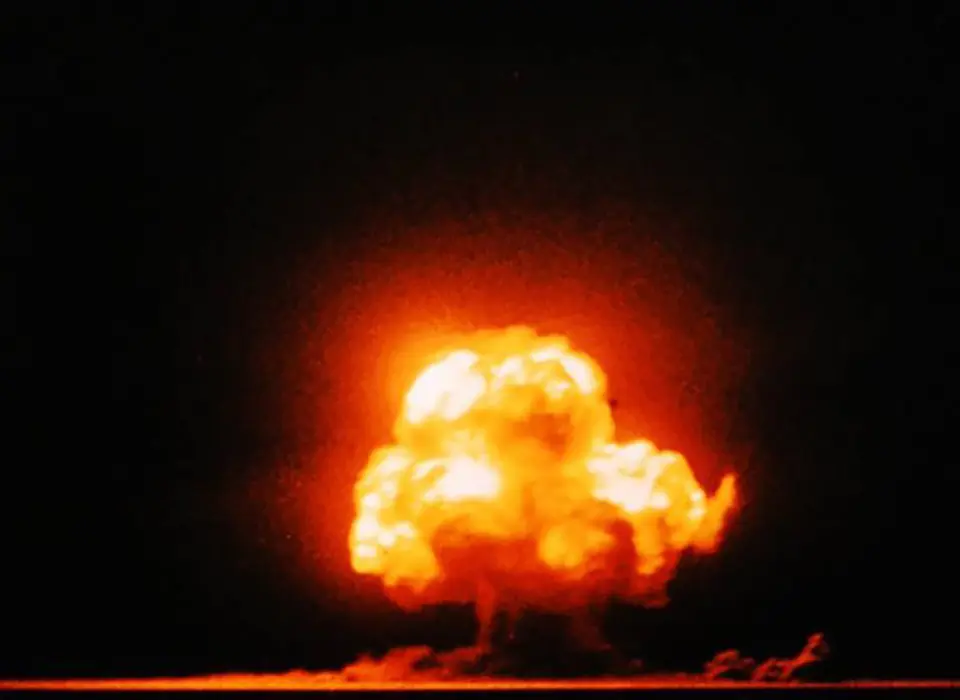
How the reactions differ
In an atomic bomb, energy comes from splitting atoms of heavy elements. In a hydrogen bomb, lighter elements such as deuterium and tritium fuse together under immense heat and pressure produced by a fission trigger. Fusion releases even greater energy per unit of mass, meaning a smaller hydrogen bomb can be exponentially more powerful. Where atomic bombs produce yields in kilotonnes, thermonuclear bombs are measured in megatonnes, thousands of times stronger. For perspective, the largest ever detonated, the Soviet 'Tsar Bomba' in 1961, had an estimated yield of 50 megatonnes, briefly outshining the sun and shattering windows 900 kilometres away.
Strategic and political implications
The distinction between atomic and nuclear bombs extends beyond physics. Atomic bombs defined early deterrence; thermonuclear weapons defined the Cold War balance of terror. The ability to mount multi-megaton warheads on intercontinental missiles transformed strategy from battlefield dominance to global annihilation. Nations capable of producing hydrogen bombs effectively joined an exclusive club whose membership equates to existential power.
Misconceptions in public use
In everyday language, 'atomic' and 'nuclear' are treated as synonyms, largely because both rely on atomic energy. The term 'atomic bomb' became iconic after 1945, while 'nuclear bomb' gained prominence during the 1950s hydrogen bomb tests. Scientifically, however, 'atomic' refers specifically to fission-based weapons, while 'nuclear' covers all devices that derive energy from atomic nuclei, whether by splitting or fusing them.
The modern nuclear landscape
Today, most deployed warheads are thermonuclear, though smaller fission-based designs still exist for tactical use. Modern bombs are compact, precise, and capable of variable yields. Nations continue to refine their nuclear arsenals despite arms reduction treaties, maintaining thousands of active warheads worldwide. The destructive power has grown, but so has the complexity of managing it, technologically, politically, and morally. The atomic bomb was the beginning; the nuclear bomb is its evolution.
)
)
)
)
)