Atlantis, Dwarka, Van Gogh and more: Biggest unsolved mysteries of the world

Edited By Subhadra Srivastava
Published: May 31, 2025, 17:18 IST | Updated: May 31, 2025, 17:18 IST
Here's a list of 6 biggest mysteries in the world, that remain unanswered chapters in human history.
1 / 7
(Photograph: Wikimedia Commons)
Enduring Mysteries, Unsettled Truths
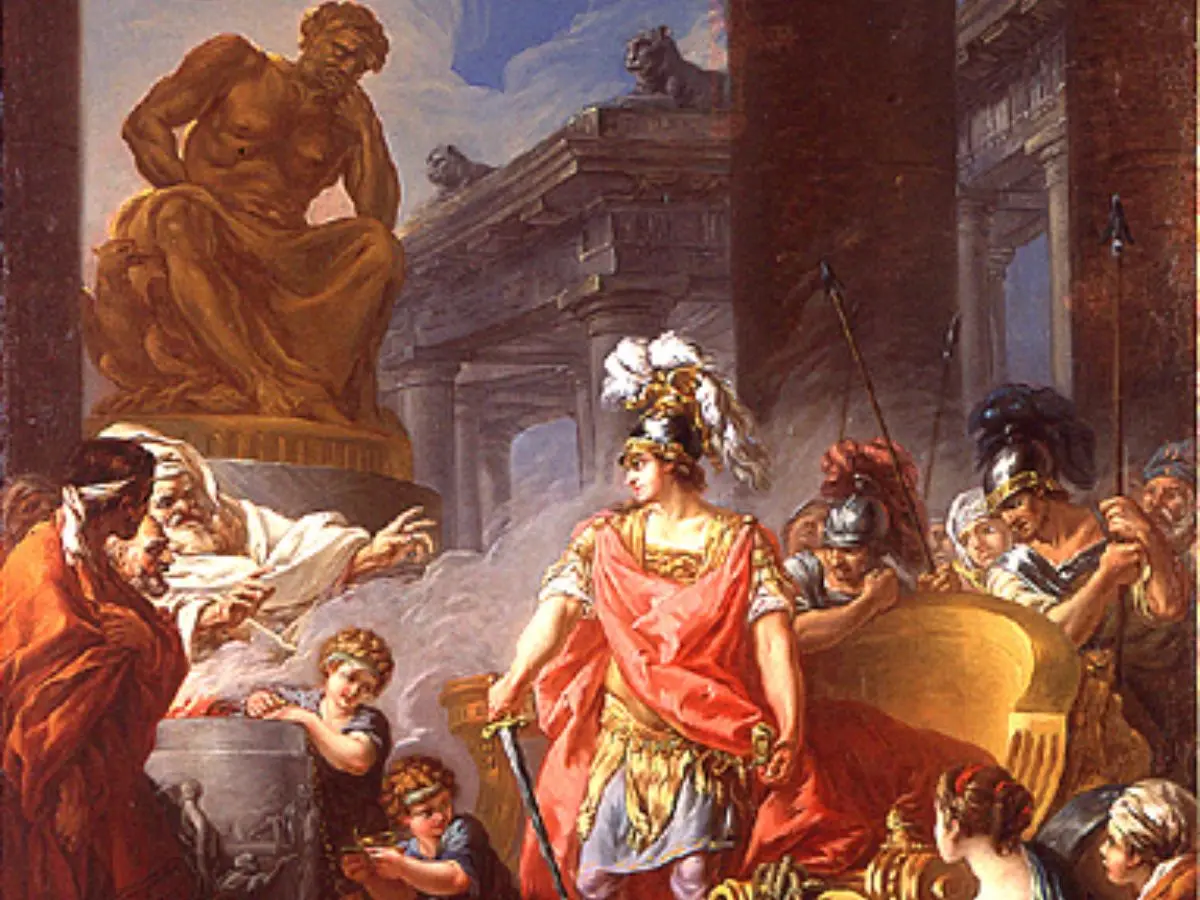
Despite centuries of studies, testimonies and theories, there are several cases in the world and mysteries that remain unsolved. Whether mythical or historical, their elusive nature keeps them alive in public imagination. Here's a list of 6 biggest mysteries in the world, that remain unanswered chapters in human history.
2 / 7
(Photograph: Wikimedia Commons)
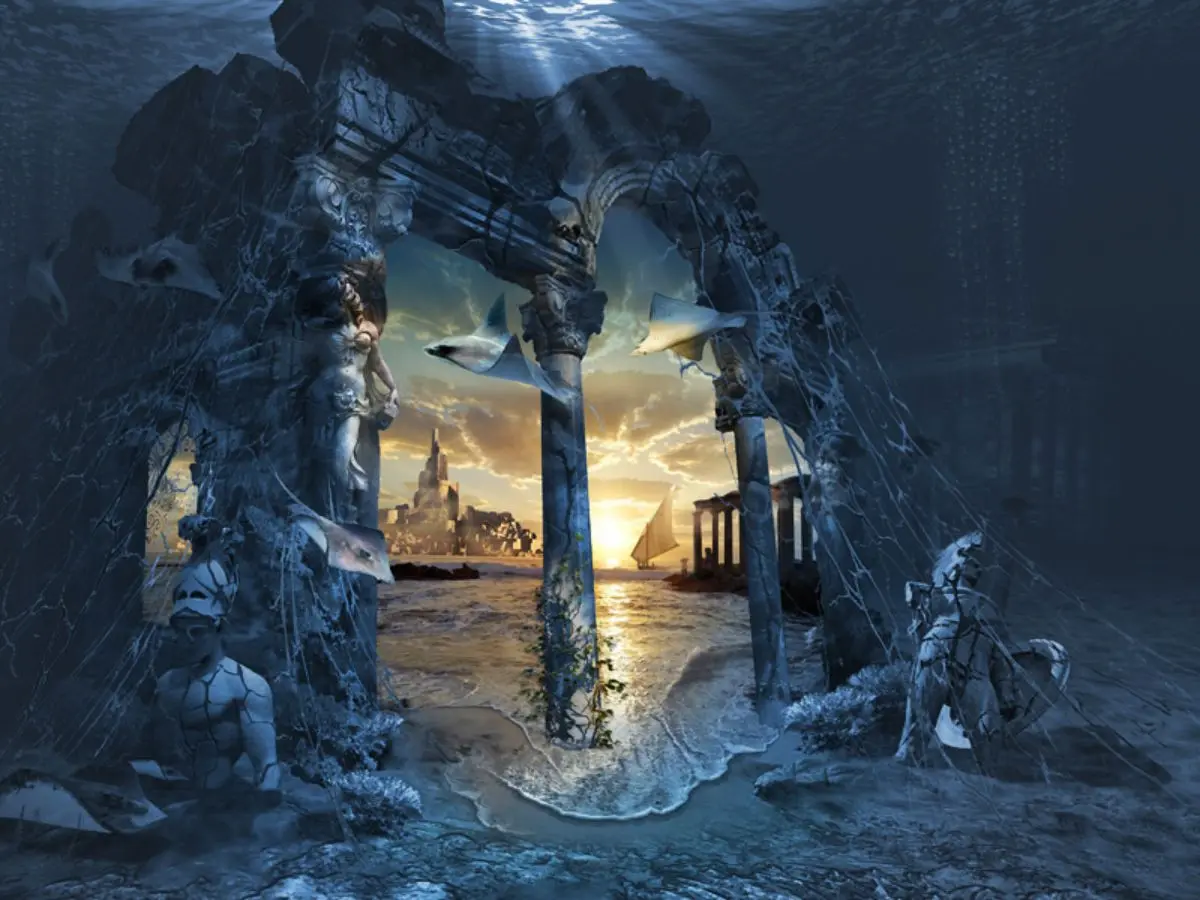
Atlantis – Lost Beneath the Waves
Plato described Atlantis around 360 BCE as a powerful, advanced civilisation with impressive architecture, located in the Atlantic Ocean. Said to have vanished after a failed war against prehistoric Athens, the island was swallowed by the waves according to Plato. While many scholars believe it to be an allegory, several classical scholars argue that it might have been inspired by real events, specifically the volcanic eruption of Thera (modern Santorini). There are also some theories that link Atlantis to the eruption of Thera around 1600 BCE, which also led to the devastation of Minoan settlements. Despite numerous claims, no site has conclusively matched Plato’s account.
3 / 7
(Photograph: Wikimedia Commons)
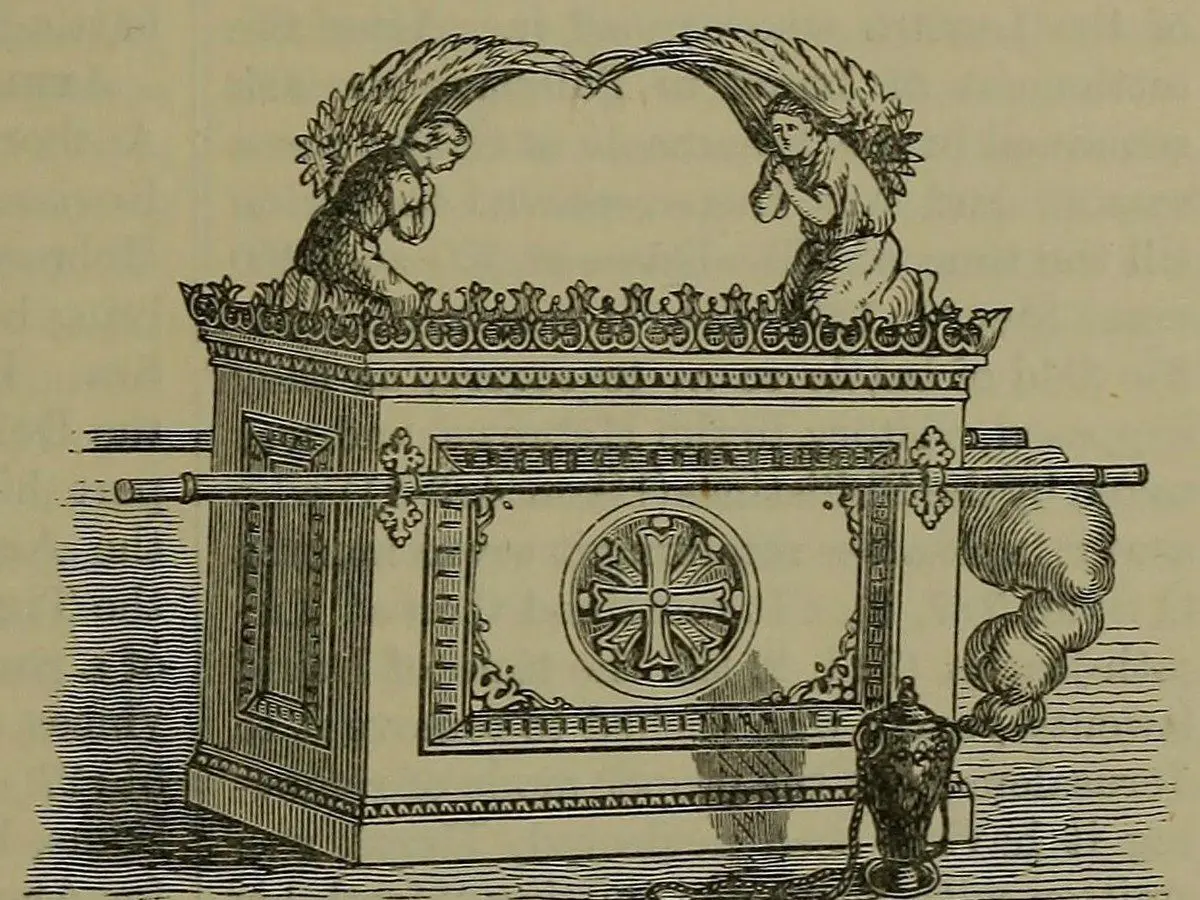
The Vanishing Ark of the Covenant
The Ark of the Covenant, which was built around 1445 BCE, housed the Ten Commandments. It was last seen before the Babylonian destruction of Jerusalem in 587 BCE. The Ark of the Covenant was a sacred chest in Hebrew Bible, which is believed to be the most important object for the Israelites. It has been described as a gold-covered wooden box that housed the ten commandments and other sacred items. Theories suggest that it was hidden, destroyed, or taken to Babylon. One of the many legend claims it is kept in Ethiopia. According to some declassified documents, in 1988, a CIA psychic under 'Project Sun Streak' claimed to locate it in the Middle East, but still, no evidence has emerged.
4 / 7
(Photograph: Wikimedia Commons)
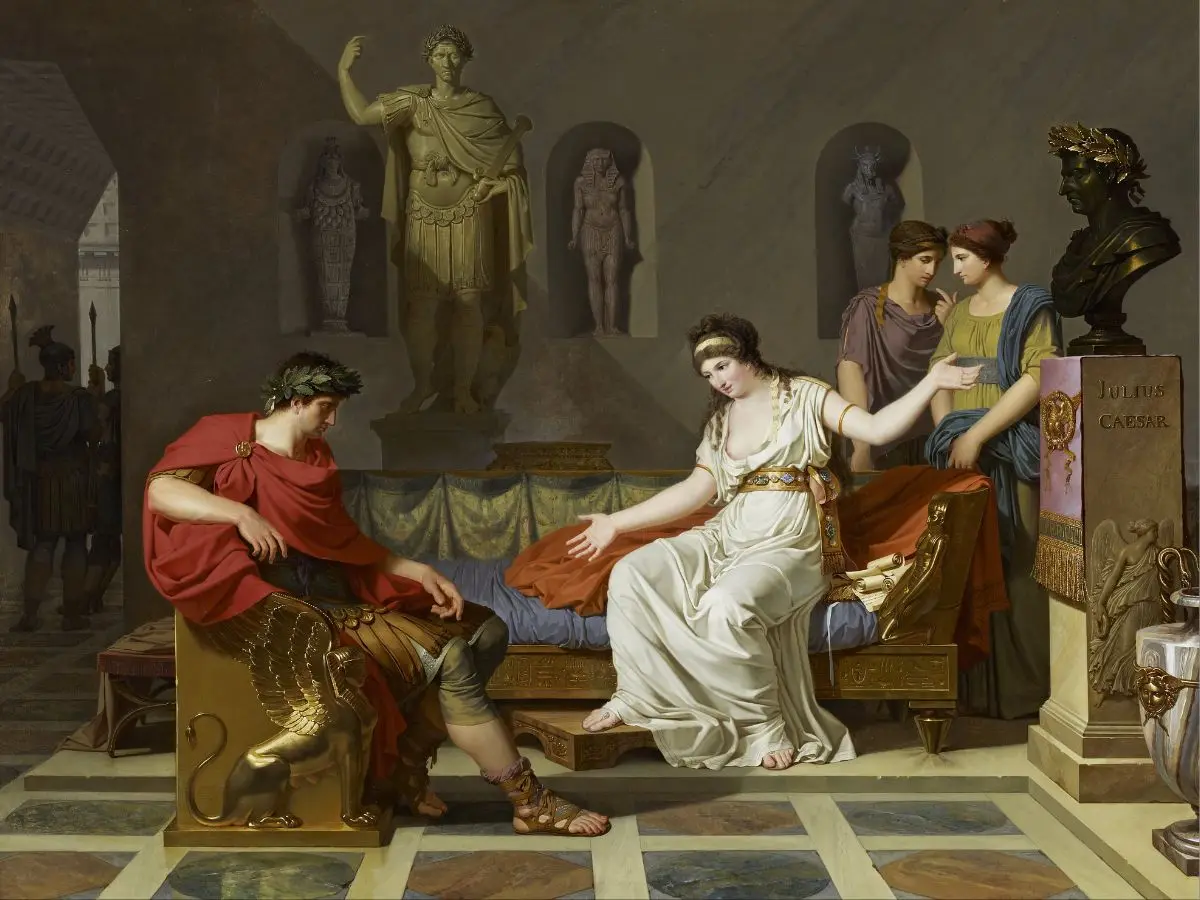
Cleopatra’s Missing Tomb
According to ancient writers, Cleopatra VII and her lover, Mark Antony died in 30 BCE and were buried together, likely near a temple of Isis, an ancient Egyptian goddess. Historians such as Plutarch described the tomb as grand and rich in treasures with golf, silver, emeralds, pearls, ebony and ivory. Modern searches have focused on Taposiris Magna near Alexandria, however, no definitive proof has ever been found to confirm her burial. Excavations have uncovered tombs from her era, but not hers. Much of ancient Alexandria is now underwater, at the bottom of the Mediterranean sea, complicating efforts.
5 / 7
(Photograph: Wikimedia Commons)
Alexander the Great’s Final Rest
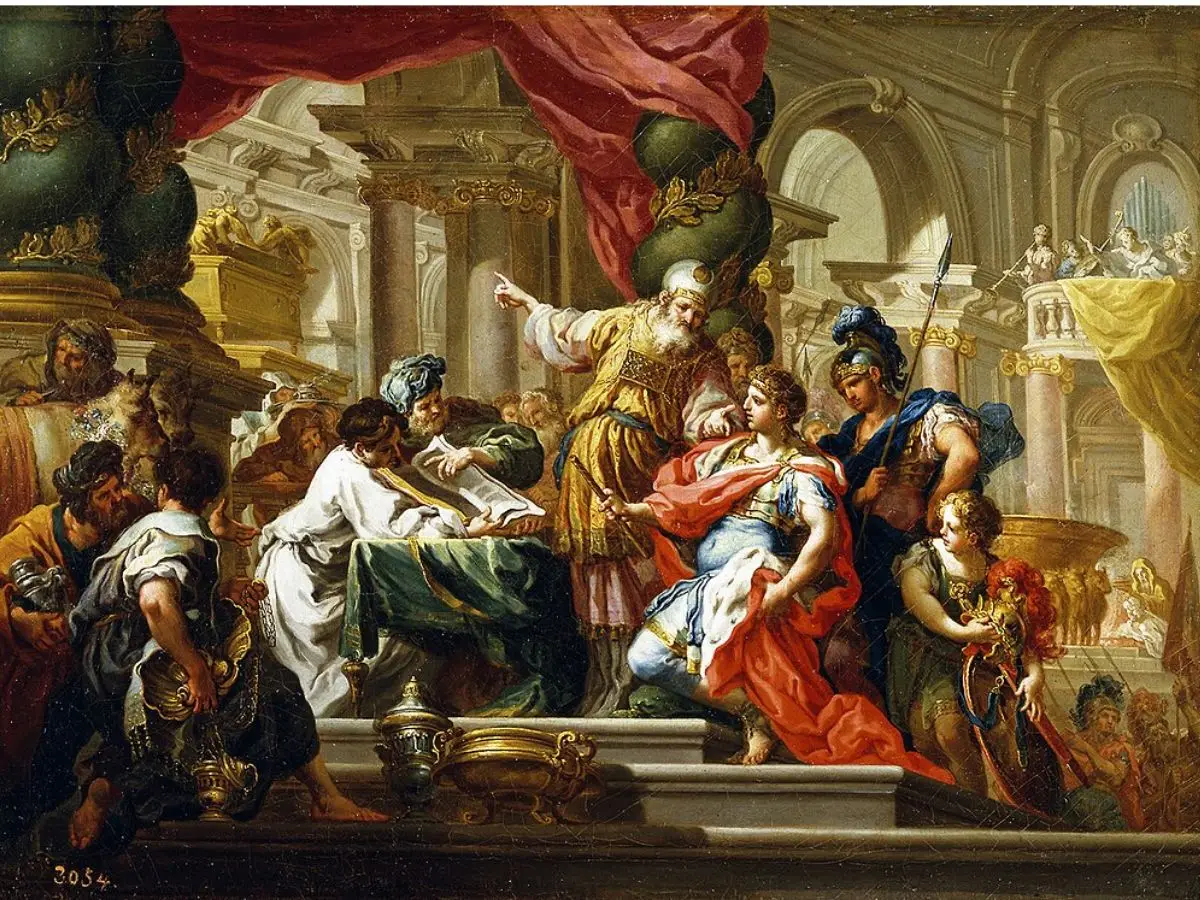
By the age of 32, Alexander the Great had conquered an empire that stretched right from the Balkans to the modern-day Pakistan, hence making him the sovereign of one of the largest empires in the ancient world, but the location of his tomb is still a mystery. The great Macedonian general is believed to have died in Babylon in 323 BCE. His body is said to have first buried in Memphis and later moved to Alexandria. His final tomb, also called the Soma, was placed in Alexandria’s palace district. That area today lies partially submerged. Ancient sources have also suggested that it was visited in later centuries, but still its location today remains unknown.
6 / 7
(Photograph: Grok AI)
Dwarka – A City Below the Sea
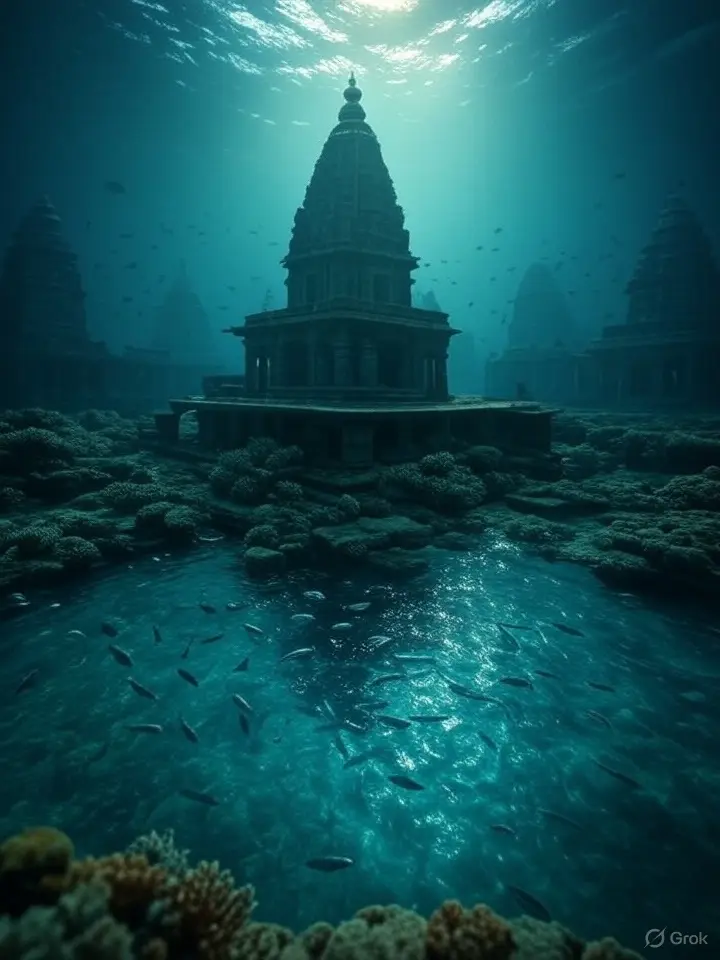
Hindu texts and religious books claim Dwarka, a flourishing city built by Krishna, sank into the Arabian sea, marking the beginning of 'Kali yuga'. Archaeological studies off the Gujarat coast have revealed submerged structures and pottery from the second millennium BCE. Marine explorations have been ongoing since the 1930s to uncover the mystery of Dwarka. However, there have been many recent efforts in Bet Dwarka aimed to confirm links to the 4,000-year-old planned city, but no definitive conclusion has been reached.
7 / 7
(Photograph: Wikimedia Commons)
The Truth Behind Van Gogh’s Death
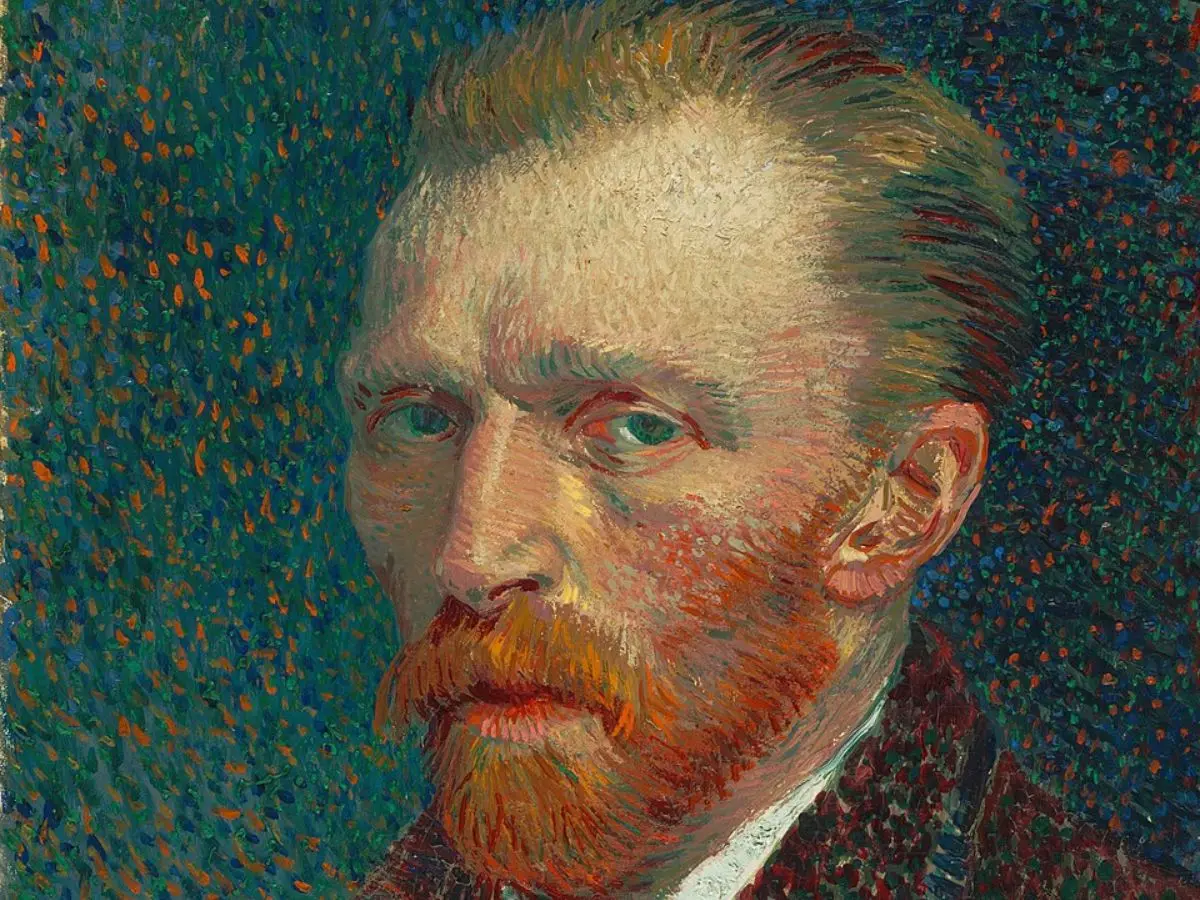
The findings surrounding Van Gogh's death in 1890, suggest that he died from a gunshot wound. The accepted cause is suicide since the artist was dealing with poverty, severe depression and failing mental health, though the weapon was never found. Witnesses recalled local teenagers who may have bullied him. Thus, the inconsistency in the clues led to several theories suggesting that the artist was murdered or accidentally shot by a teen. The theory was revived by forensic analysis and the film At Eternity’s Gate and it is by far, the strangest unsolved mystery.
)
)
)
)
)