Atal Bihari Vajpayee birth anniversary: 10 game-changing reforms introduced under his leadership that shaped modern India

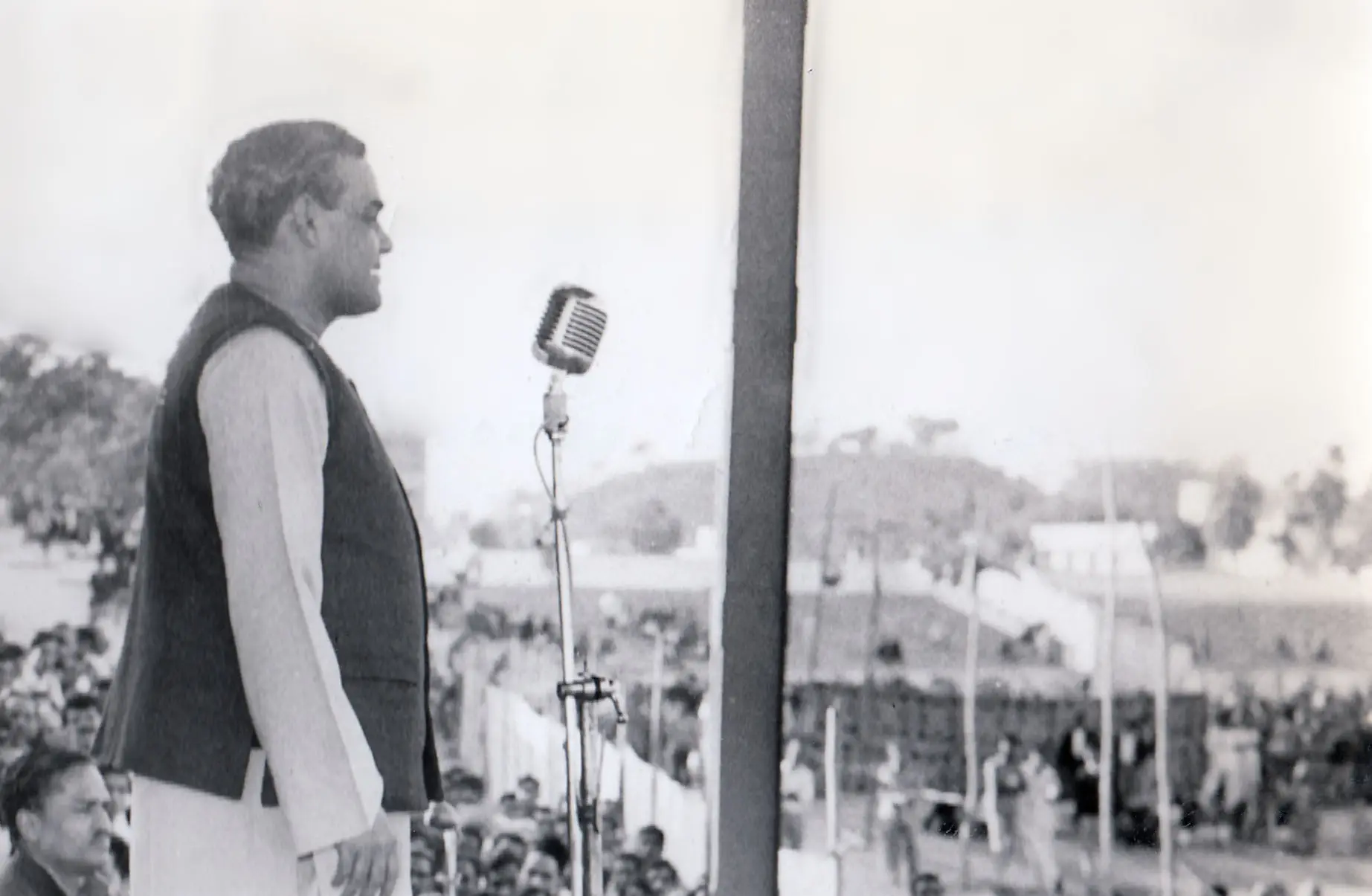
India's former PM Atal Bihari Vajpayee, who was born on 25 December 1924, played a significant role in modernising India. He was the first non-Congress PM to complete a full term in office. Here are 10 major game-changing reforms by Vajpayee that revolutionised modern India.
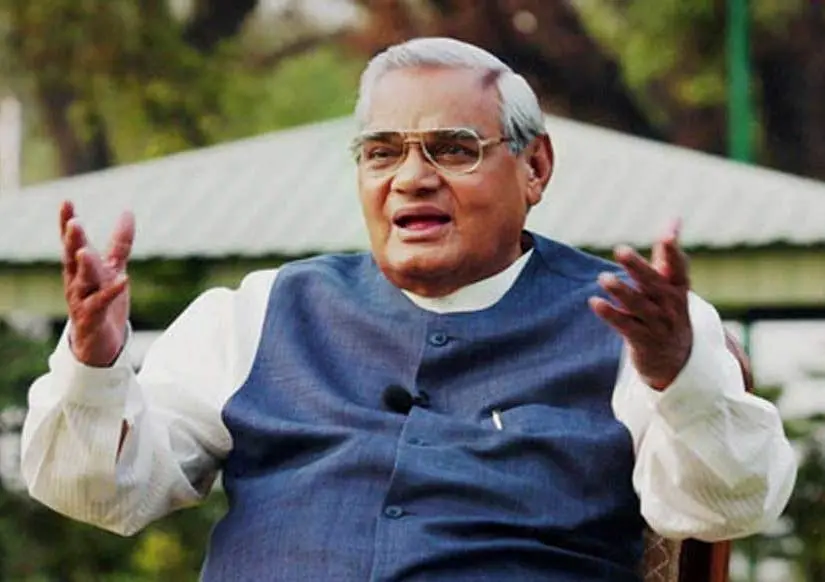
Sarva Shiksha Abhiyan
Pioneered by former Prime Minister of India, Atal Bihari Vajpayee in 2000, marked the beginning of the primary education revolution of the nation. Aimed at universal elementary education for children aged six to 14, the programme targeted nearly 200 million children. Within four years, school dropout rates fell by 60 per cent, laying the groundwork for later education reforms, including the Right to Education Act.
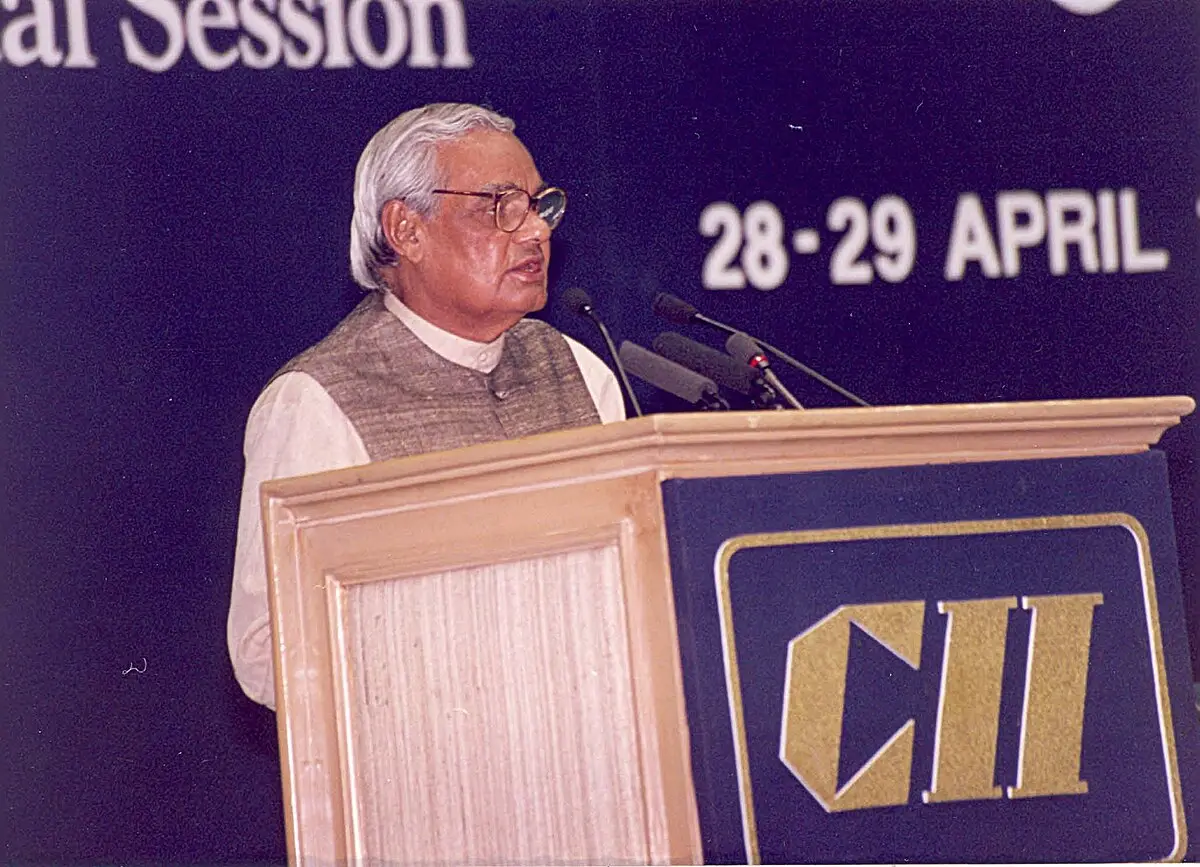
Tax Reforms
The Vijay Kelkar-led Task Force on Direct and Indirect Taxes (2002) became the backbone of India’s modern tax reforms. It expanded the use of PAN, improved tax administration, encouraged outsourcing, and enhanced taxpayer services. Its recommendations paved the way for reforms such as GST, the Direct Tax Code concept, electronic tax networks, and the eventual abolition of wealth tax.
National Pension System
The Vajpayee government launched the National Pension System (NPS) in 2004 for new central government employees, replacing the defined-benefit pension model with a contributory scheme. Opened to the private sector in 2009, the NPS aims to reduce long-term pension liabilities. Its full fiscal benefits are expected to emerge from the 2040s onwards.
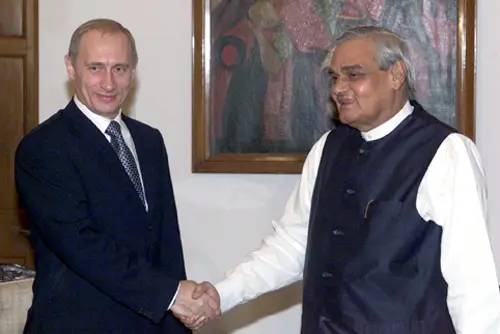
Telecom Revolution
The New Telecom Policy of 1999 under the Vajpayee government triggered the telecom transformation of India. From minimal mobile usage in the late 1990s, India rapidly became a global leader in data consumption. The policy enabled competition, lowered costs, expanded connectivity, and laid the foundation for the digital economy that emerged in the following decades.
Civil Aviation
The Vajpayee government laid the foundation for private participation in airport development, an idea conceived during its tenure and implemented in 2006. This policy transformed airports such as Delhi, Mumbai, Bengaluru and Hyderabad into world-class facilities. The government also initiated the process of linking Aviation Turbine Fuel (ATF) prices to market rates, marking an early step towards rationalising aviation fuel pricing.
Electricity
The Vajpayee government also introduced the landmark Electricity Act, 2003, which restructured the power sector by allowing states to separate generation, transmission and distribution. This reform opened the sector to private participation and competition. The government also proposed ultra mega power plants with capacities above 4 gigawatts to achieve economies of scale, strengthening India’s long-term power generation capabilities.
Energy Push
For the first time, India invested in overseas oil and gas assets under the Vajpayee government, beginning with a $1.7 billion investment in Russia’s Sakhalin field, followed by Sudan. The government also initiated petroleum price decontrol, though it faced political costs. Ethanol blending in petrol was made mandatory, laying the groundwork for later renewable fuel policies revived under subsequent governments.
Insurance
The Vajpayee government established the Insurance Regulatory and Development Authority of India (IRDAI) in 2000, ending LIC’s monopoly. The regulator licensed private life and non-life insurers, professionalising the sector and improving efficiency. These reforms introduced competition, expanded consumer choice, and modernised insurance operations, fundamentally reshaping India’s insurance landscape.
Interest Rates
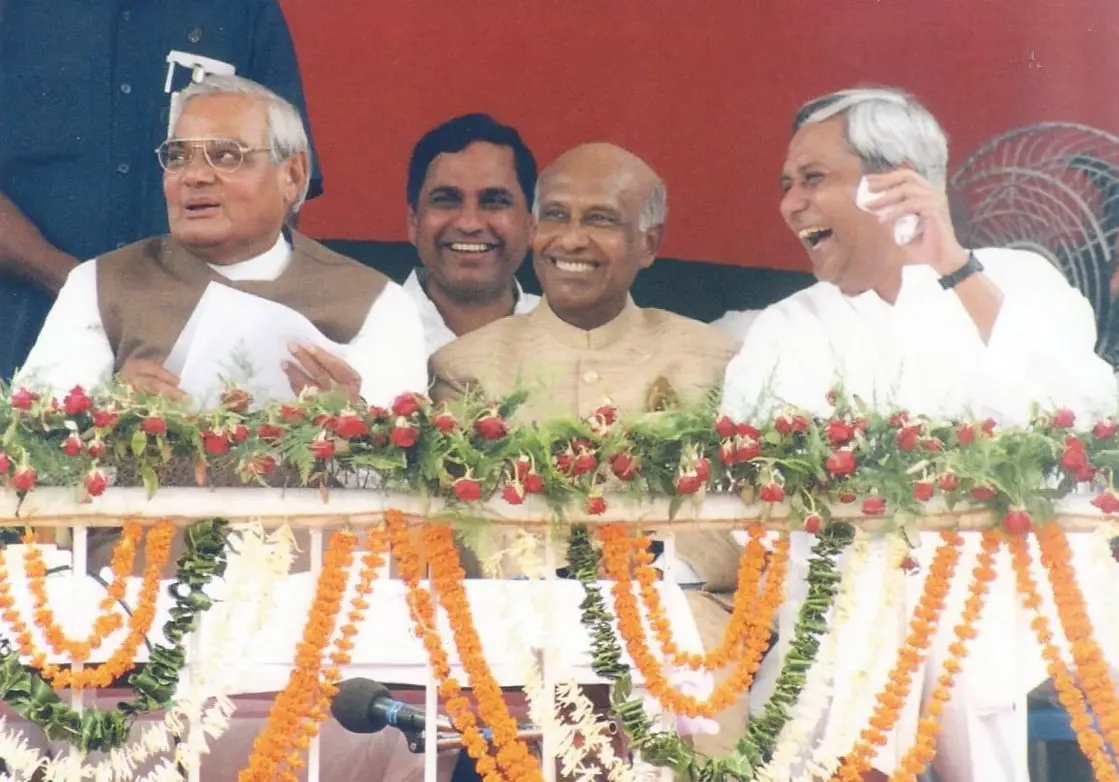
The Vajpayee government reformed India’s administered interest rate system by linking rates to government securities’ yields in 2002. It reduced small savings and provident fund rates in a single move. Improved fiscal discipline helped lower inflation, keeping interest rates stable. The government handed over an economy marked by strong growth and low inflation to the succeeding UPA administration.
Road Network
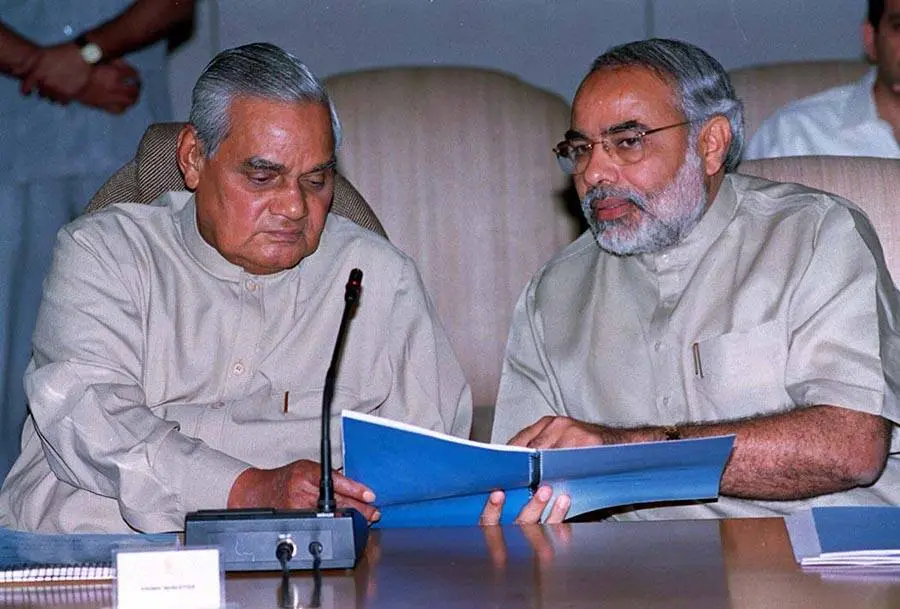
The Vajpayee government launched transformative road initiatives through the National Highways Development Programme and Pradhan Mantri Gram Sadak Yojana. The Golden Quadrilateral connected major cities, while rural roads boosted village-level economic activity. These programmes significantly improved connectivity, reduced travel time, and supported both urban commerce and rural development across India.
)
)
)
)
)