At what speed does your car consume more fuel?

Driving above 60 mph drastically reduces efficiency, with speeds of 80 mph consuming up to 25 per cent more fuel than cruising at the 70 mph limit.
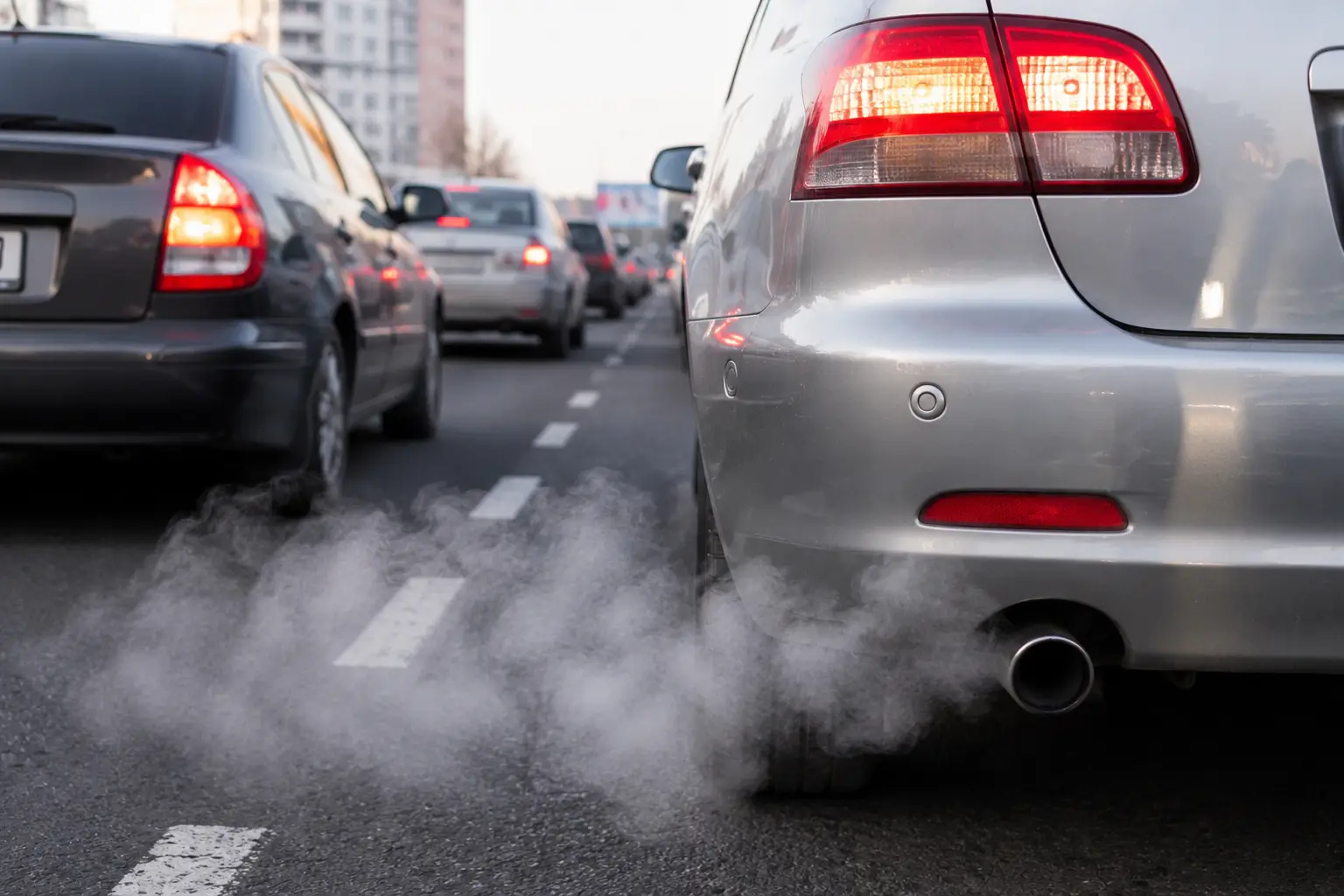
The penalty of driving fast
Exceeding 60 mph causes a sharp drop in fuel efficiency. The UK Department for Transport states that driving at 70 mph uses up to 9 per cent more fuel than driving at 60 mph.
The severe 80 mph drain
Pushing the vehicle even faster results in severe fuel waste. According to the RAC, cruising at 80 mph can consume up to 25 per cent more fuel than driving at the 70 mph limit.
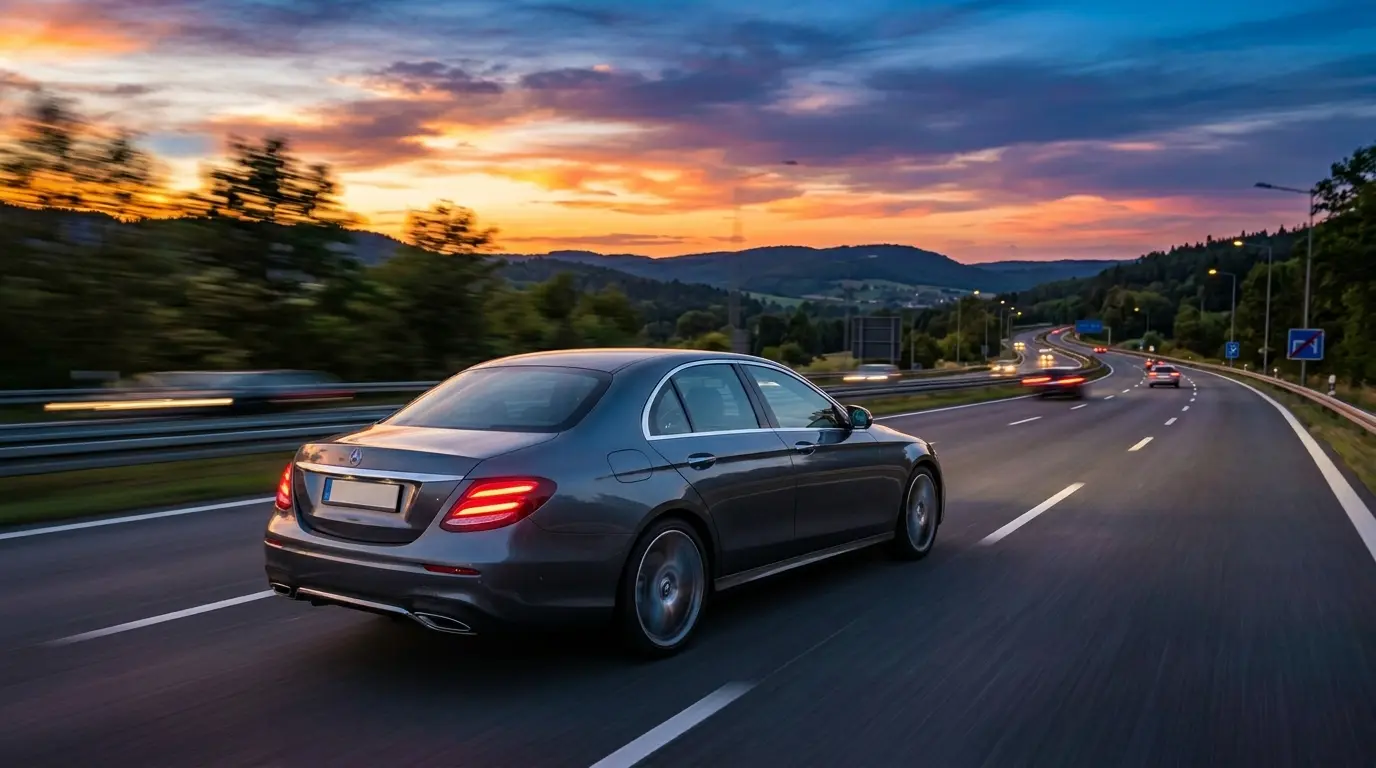
Aerodynamic drag takes over
As speed increases, the engine must work substantially harder to push through the air. Automotive engineers note that overcoming this wind resistance burns the majority of your fuel at high speeds.
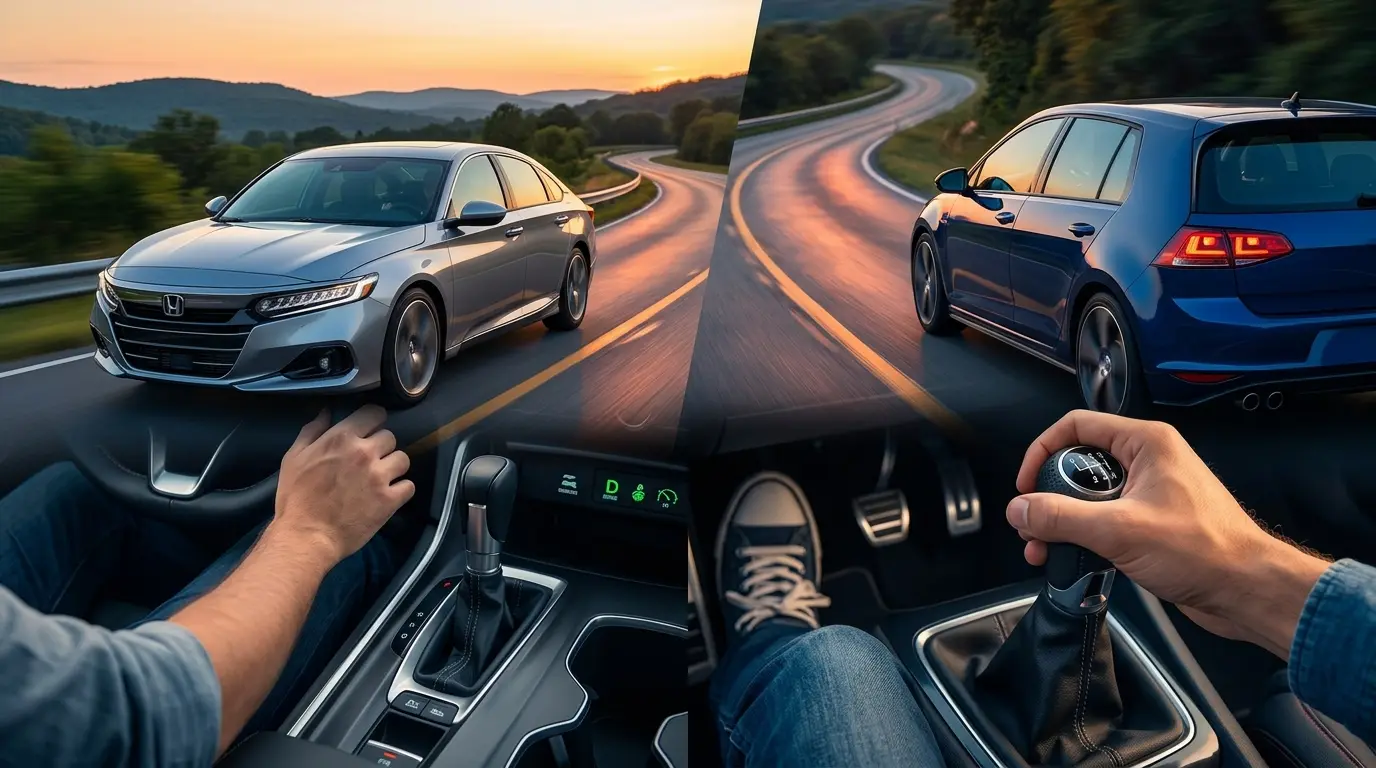
The danger of low speeds
Driving too slowly can also be highly inefficient. The Energy Saving Trust warns that crawling under 15 mph in heavy traffic keeps the car in a low gear, causing it to burn more fuel per mile.
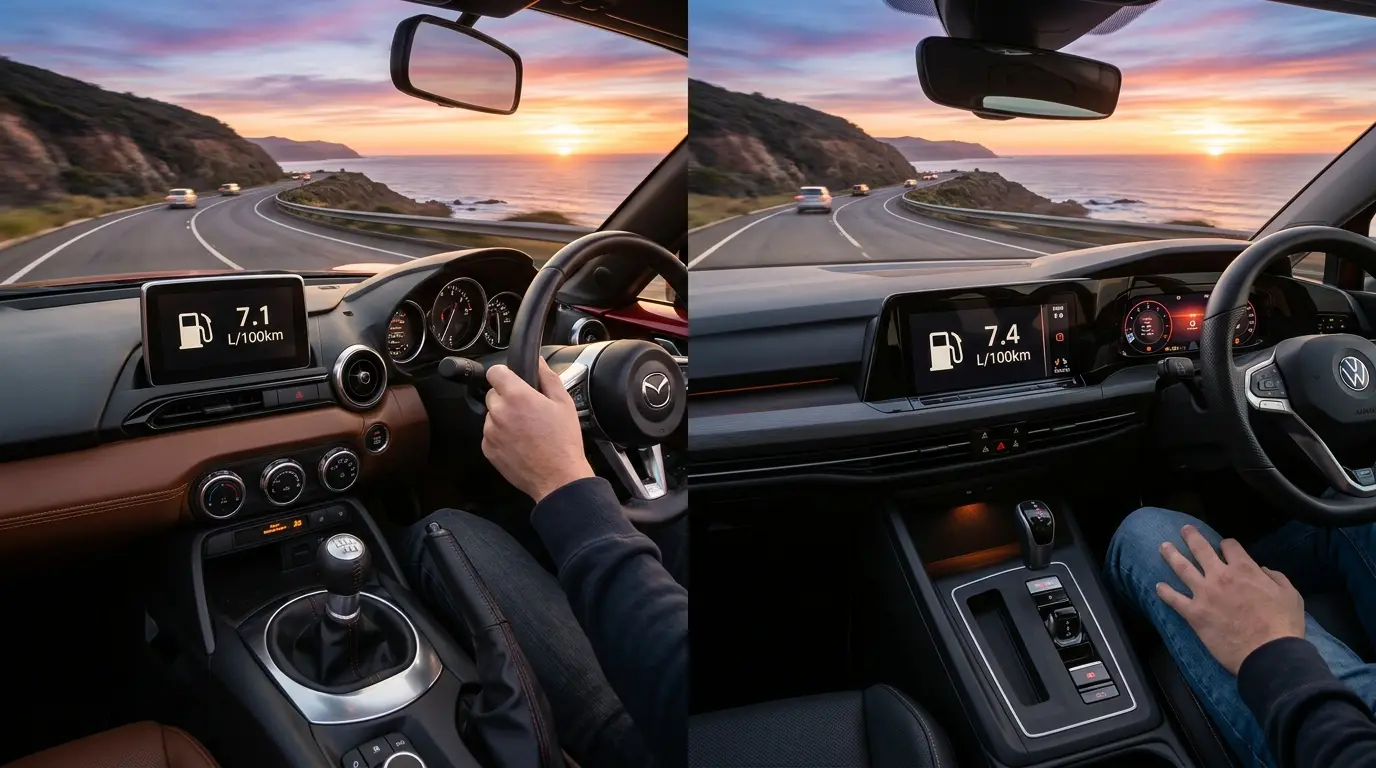
High engine revolutions
Fuel consumption relates directly to engine revolutions. The AA explains that driving at high speeds in a lower gear forces the engine to spin faster, rapidly depleting the fuel tank.
The impact of sudden acceleration
Reaching high speeds quickly is worse than maintaining them. Traffic analysts confirm that aggressive acceleration to reach motorway speeds burns significantly more petrol than a smooth, gradual increase.
Air conditioning at high speeds
While driving fast uses more fuel, opening windows at 70 mph creates massive drag. Transport studies suggest using air conditioning at high speeds is actually more fuel-efficient than driving with the windows down.
)
)
)
)
)