At 13,700 ft and –40°C: Inside India’s Nyoma airbase, one of the world’s highest fighter bases

Its location enables the Indian Air Force to strengthen aerial surveillance, logistics, and quick-response operations across the Ladakh frontier.
A strategic milestone
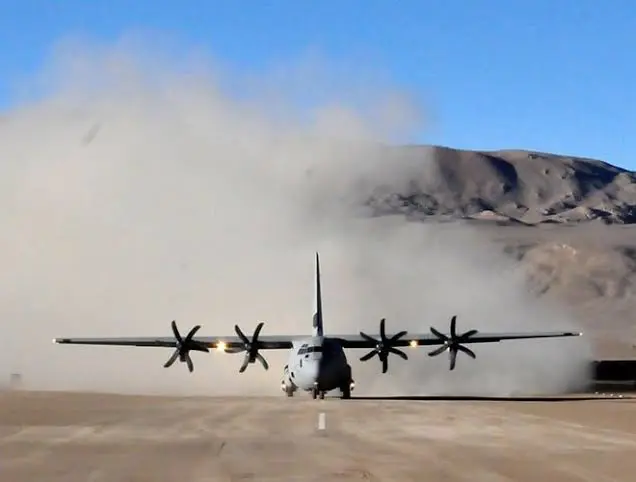
India has achieved a major breakthrough in defence preparedness by upgrading the Nyoma (Mudh) Airbase in eastern Ladakh, now one of the world’s highest fully functional airbases. Located at an altitude of about 13,700 feet above sea level, the airfield represents a crucial step in bolstering India’s air power and rapid response capability along the Line of Actual Control (LAC) with China.
Where it sits and why it matters
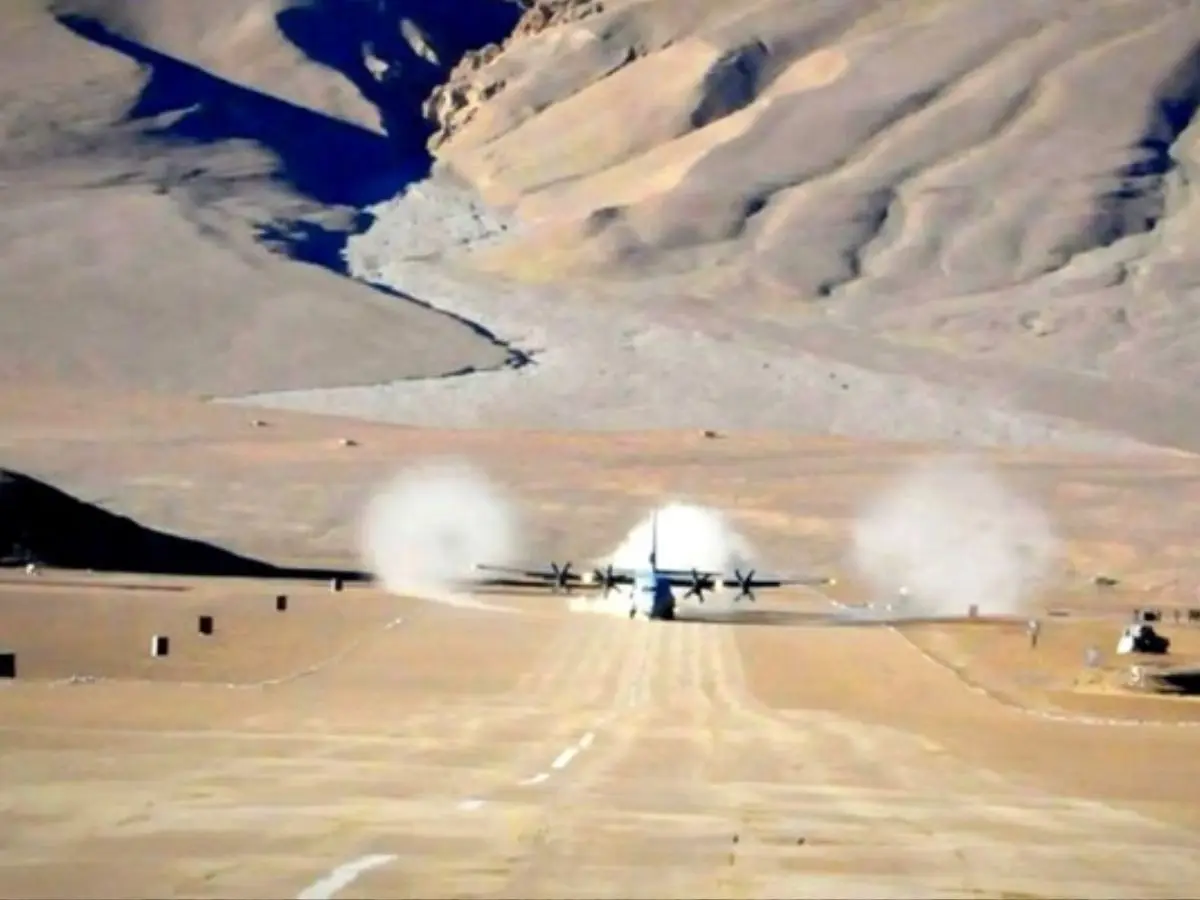
Nyoma lies deep within the Changthang region of eastern Ladakh, on the upper reaches of the Indus River, roughly 30 kilometres from the LAC and 160 kilometres southeast of Leh. The base is positioned south of Pangong Tso and east of the Karakoram range, an area of immense strategic value. Its location enables the Indian Air Force to strengthen aerial surveillance, logistics, and quick-response operations across the Ladakh frontier.

From 1962 strip to modern airbase
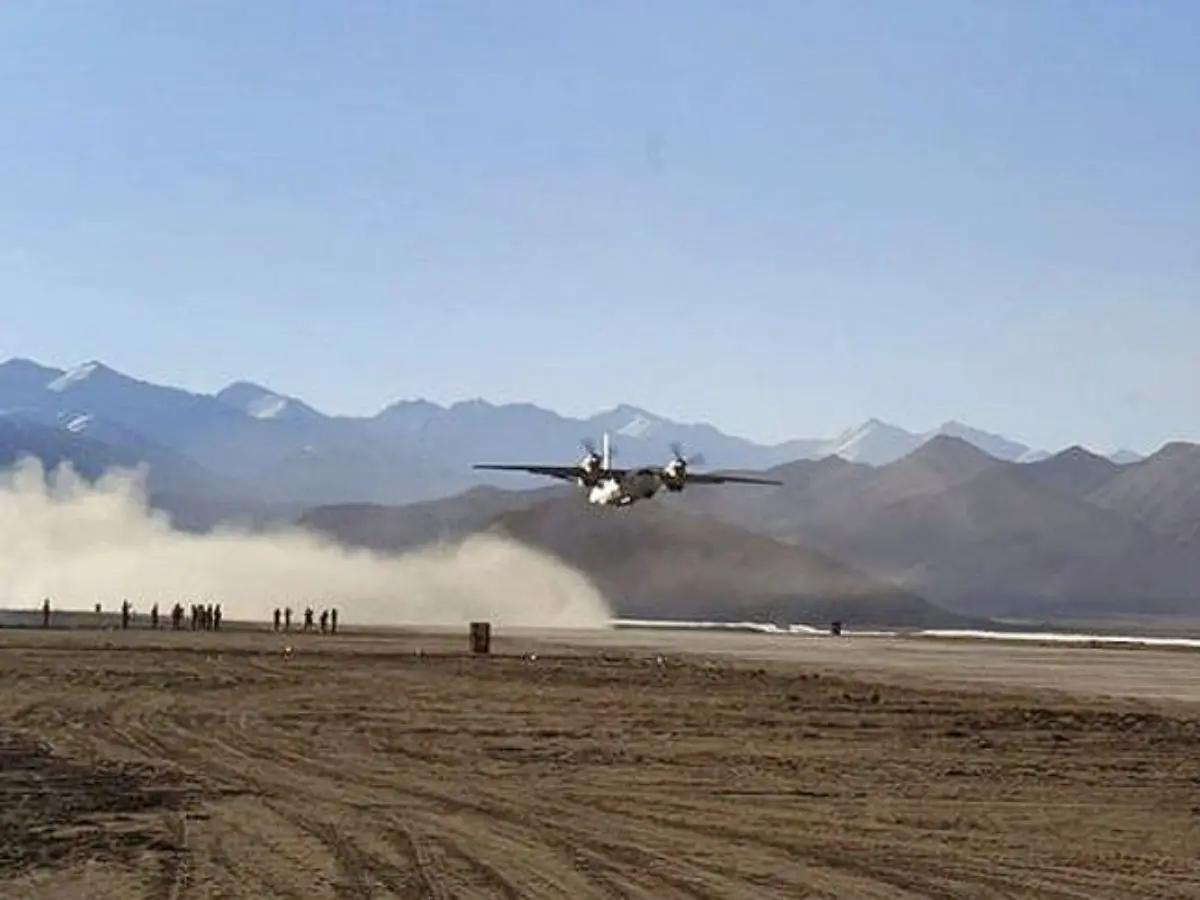
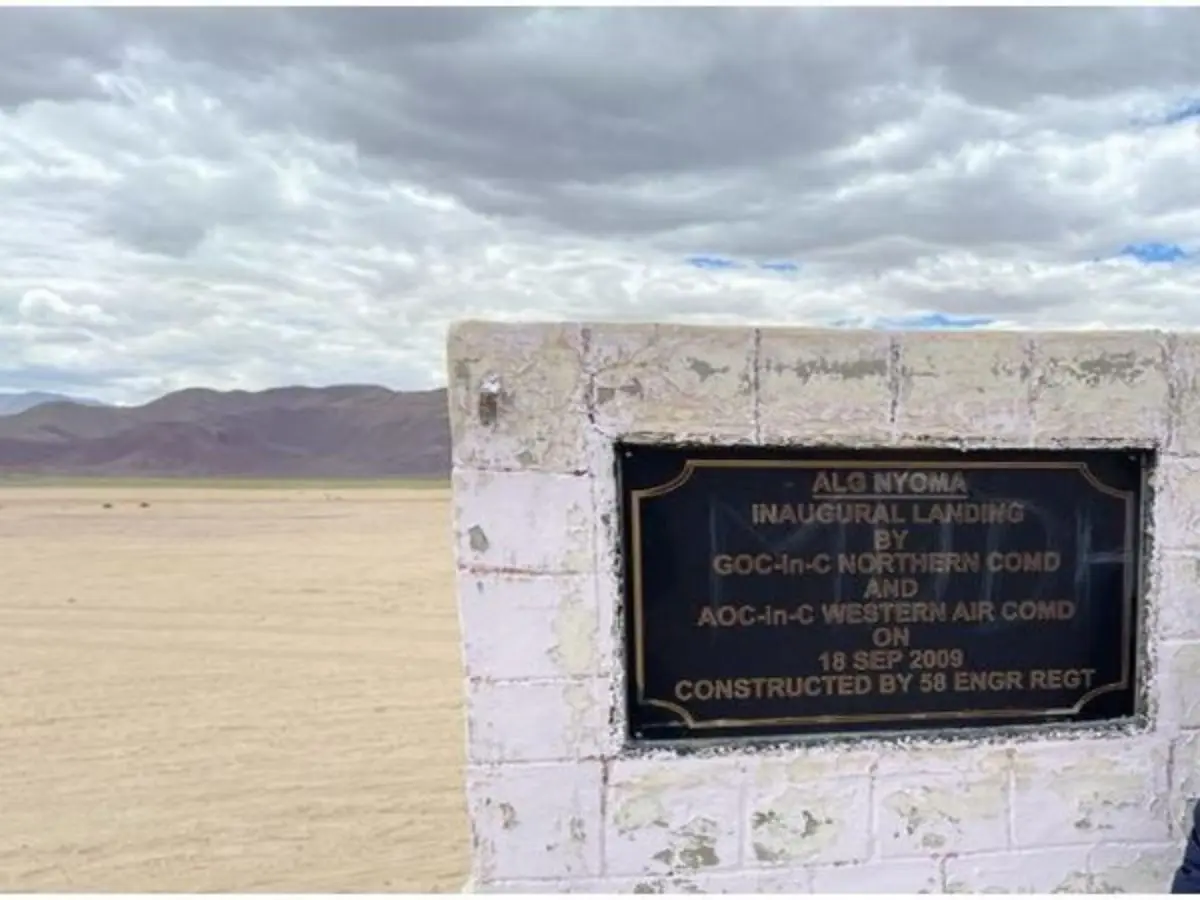
The airfield was first built in 1962 but remained dormant for decades. It was reactivated in 2009 when an AN-32 tactical transport aircraft successfully landed at Nyoma, marking the start of its limited operational use. Following the 2020 Galwan Valley clash between Indian and Chinese troops, the government sanctioned a major upgrade to transform Nyoma into a full-fledged fighter base under the Border Roads Organisation’s (BRO) Project Himank. The approximately, Rs. 220 crore project began in September 2023, overcoming extreme geographical and climatic challenges to reach completion by late 2024.
Runway and infrastructure
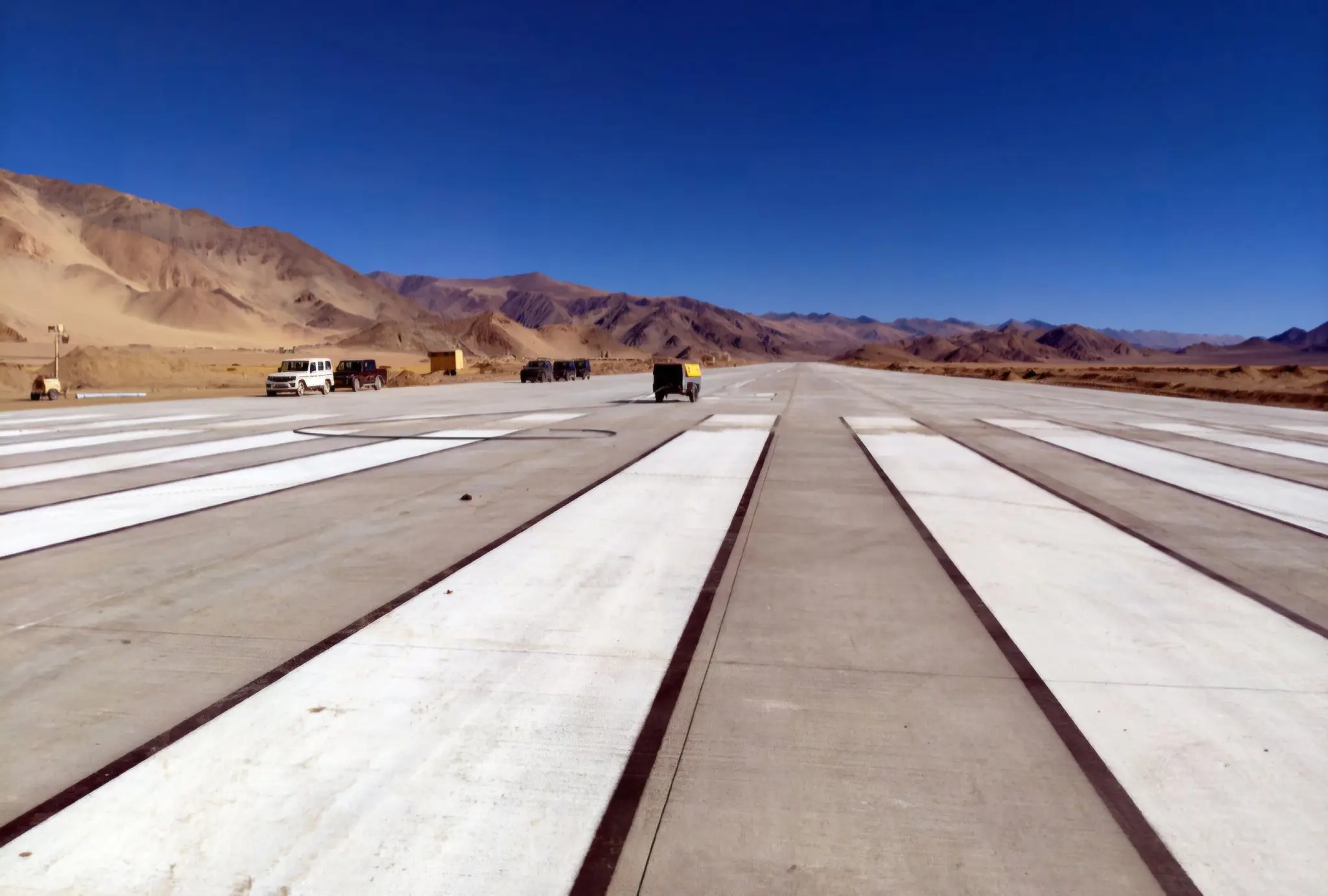
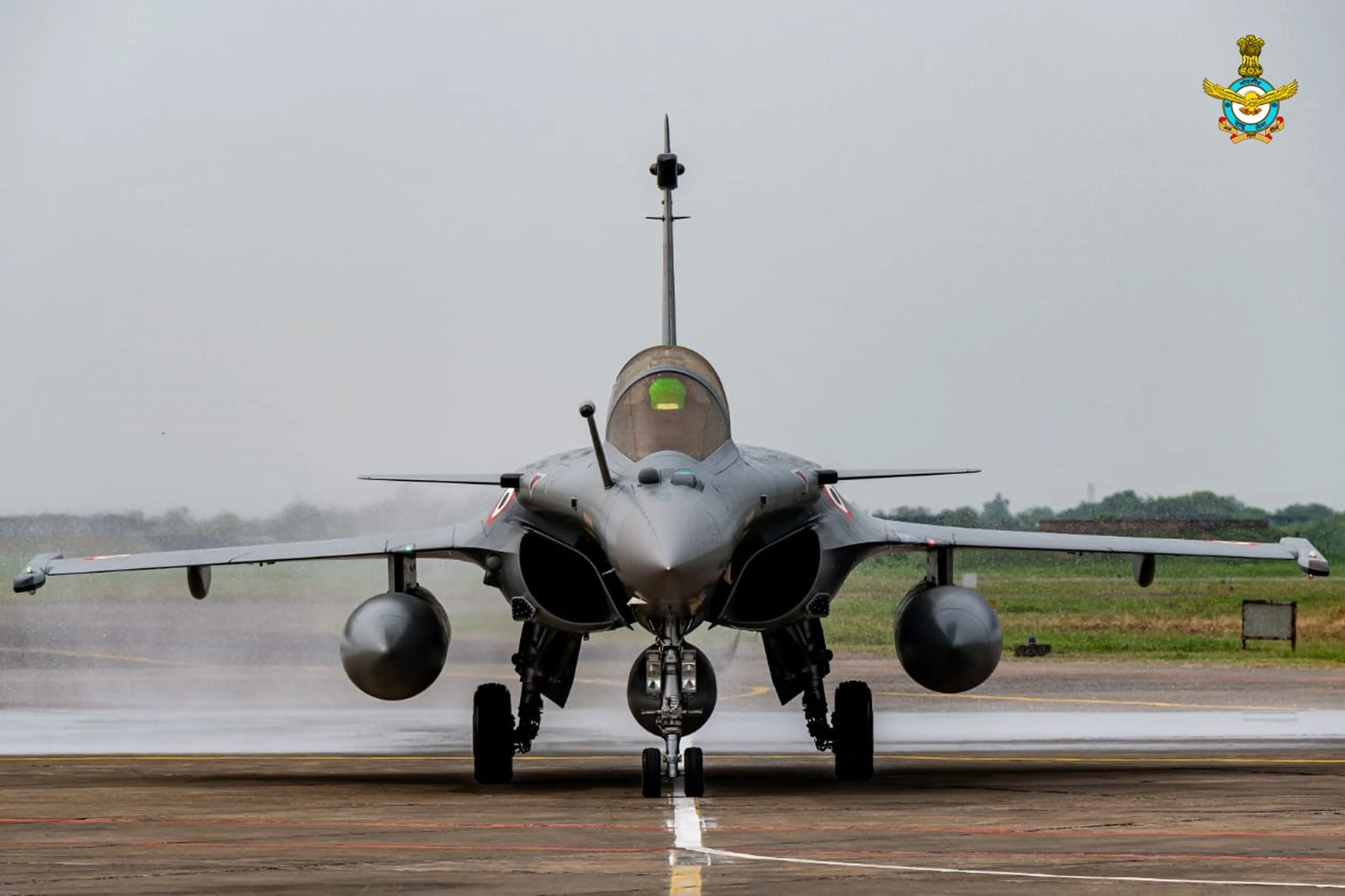
The upgraded Nyoma Airbase now features a 2.7 to 3-kilometre-long concrete runway capable of supporting advanced fighter aircraft such as the Sukhoi-30MKI and Rafale jets. The facility includes a new Air Traffic Control complex, hardened shelters, blast pens, and logistics buildings built to withstand the region’s harsh weather, where temperatures can drop to –40°C. It is also capable of accommodating heavy transport aircraft like the C-17 Globemaster III and IL-76, allowing rapid deployment of troops, equipment, and supplies to forward posts.
Engineering challenges and environmental safeguards
Constructing an airbase at such altitude presented significant hurdles. The limited working window due to freezing temperatures and low oxygen levels affected both personnel and machinery. Despite this, major construction work was completed within seven months. Environmental clearance for the project required strict adherence to conservation norms, as Nyoma lies near the Changthang Wildlife Sanctuary, home to rare species such as the Kiang (Tibetan wild ass) and black-necked crane. The Indian Air Force agreed to follow stringent environmental measures before proceeding with full-scale construction.
Strategic importance
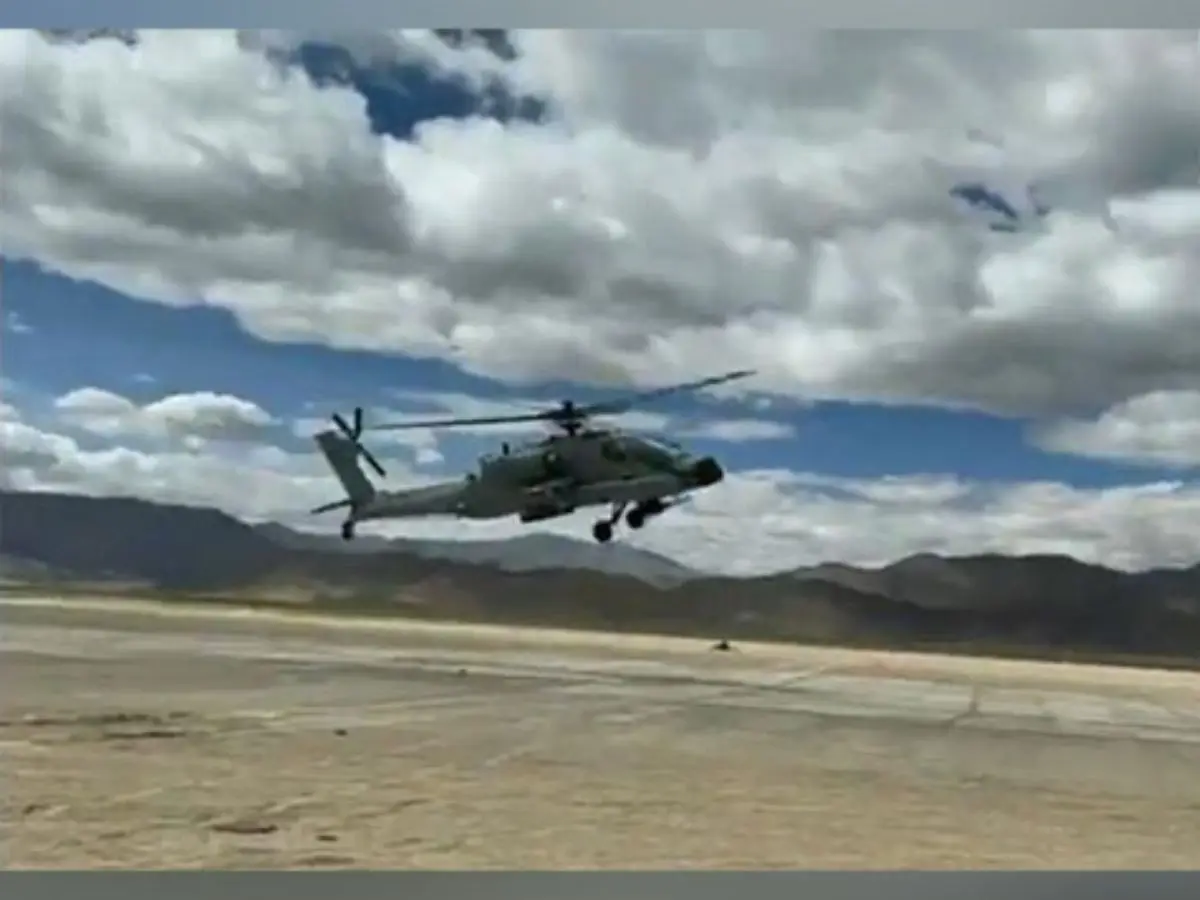
Nyoma’s upgraded capabilities provide India with a powerful forward base to support air operations across Ladakh. It complements existing high-altitude bases at Leh and Thoise, expanding India’s air power footprint and logistical reach in the Himalayas. The base enhances surveillance and rapid deployment capability in key flashpoints such as the Demchok sector and Depsang plains, regions that have witnessed recurring tensions with China.
Challenges of high-altitude operations
Operating from Nyoma poses unique technical difficulties. At 13,700 feet, reduced air density affects engine performance, requiring longer take-off distances and limiting payload capacity. Severe winters, heavy snowfall, and high winds demand constant maintenance of runway surfaces and support systems. Despite these challenges, Nyoma marks a major advancement in India’s ability to sustain air operations in one of the most demanding environments on Earth.
Conclusion
The development of the Nyoma Airbase signals India’s intent to secure and strengthen its northern frontier through technological, infrastructural, and strategic means. Alongside existing facilities in Ladakh, the upgraded base stands as a testament to India’s growing capability to project air power in the Himalayas, an achievement born of endurance, engineering, and strategic foresight.
)
)
)
)
)