Astrophysicists propose mission to send a paperclip-sized probe to a black hole, here’s why it matters..

Now, scientists are considering whether humanity could one day study them directly, not with vast rockets, but with spacecraft no heavier than a paperclip.
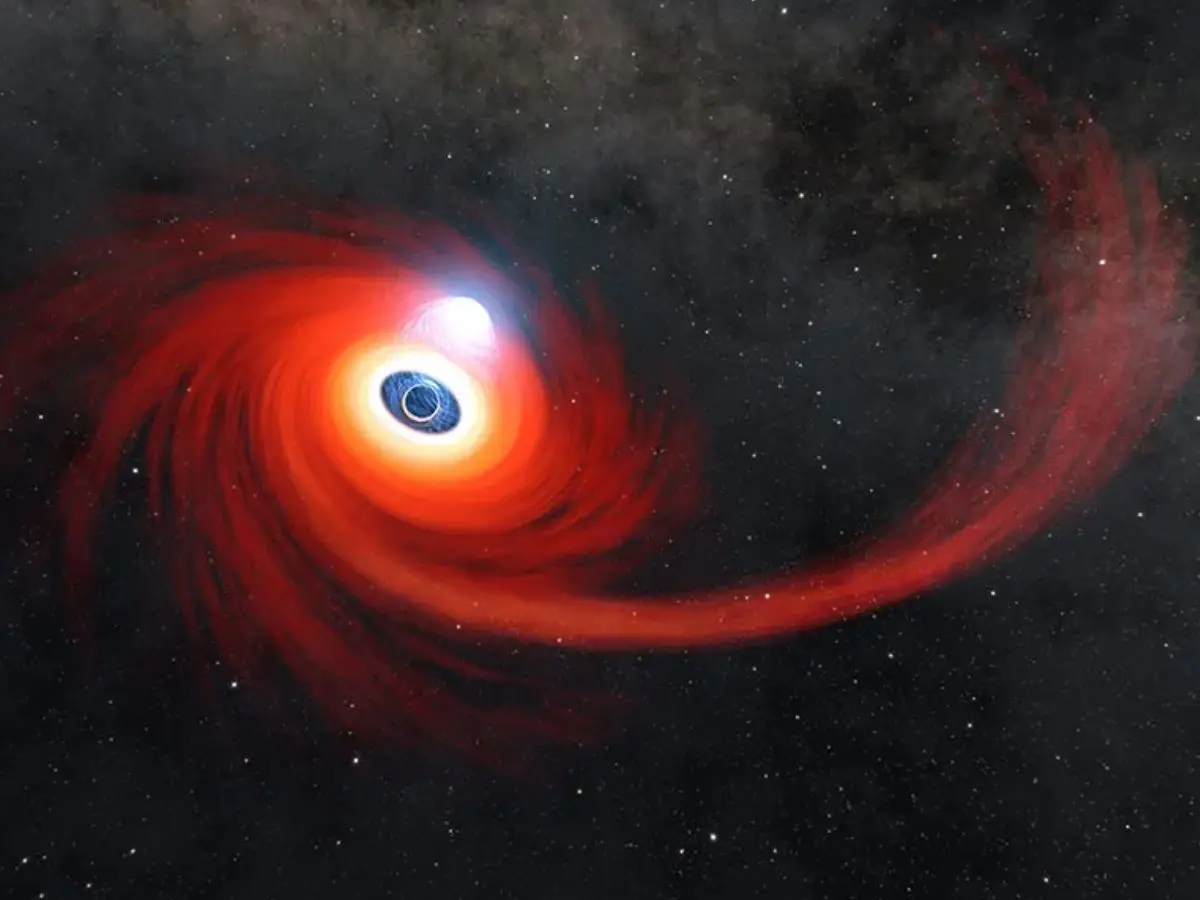
Black holes: invisible giants of the cosmos
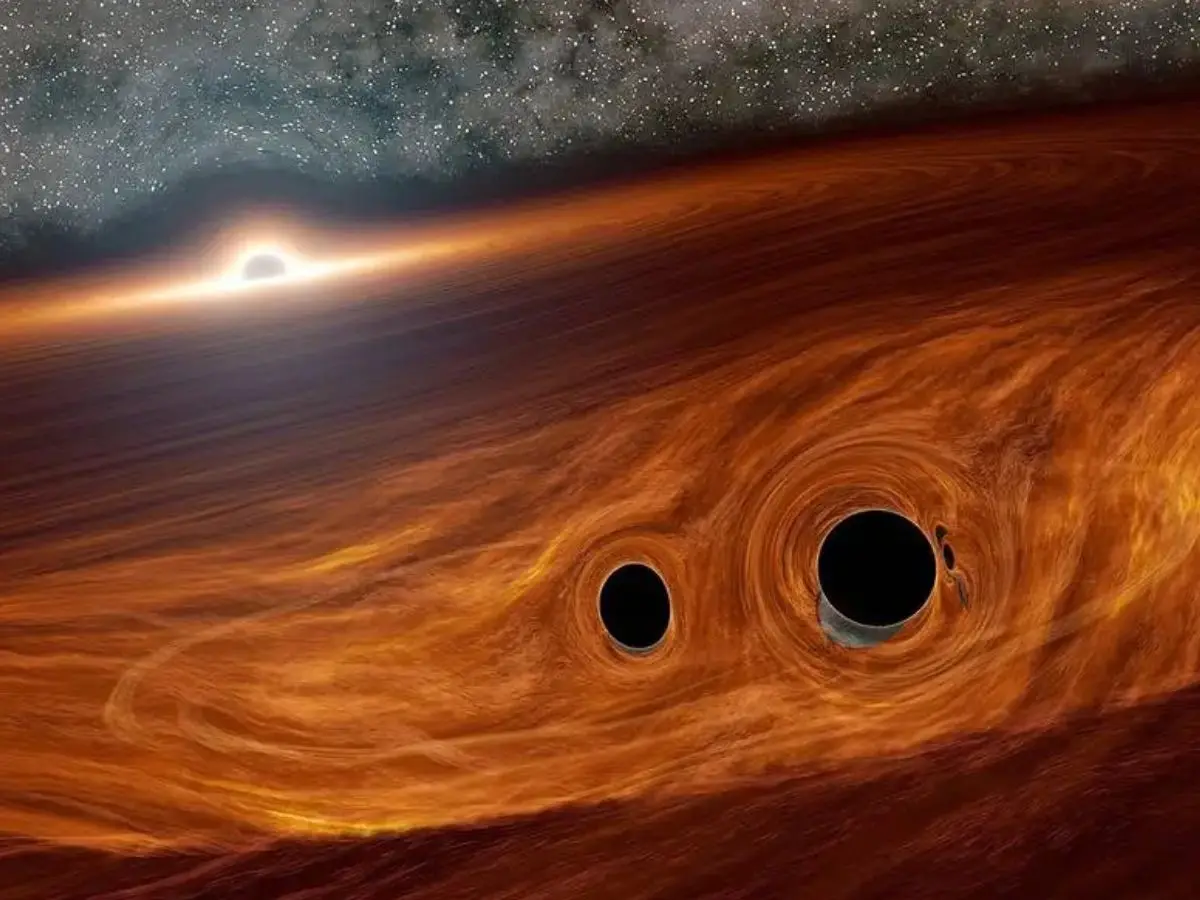
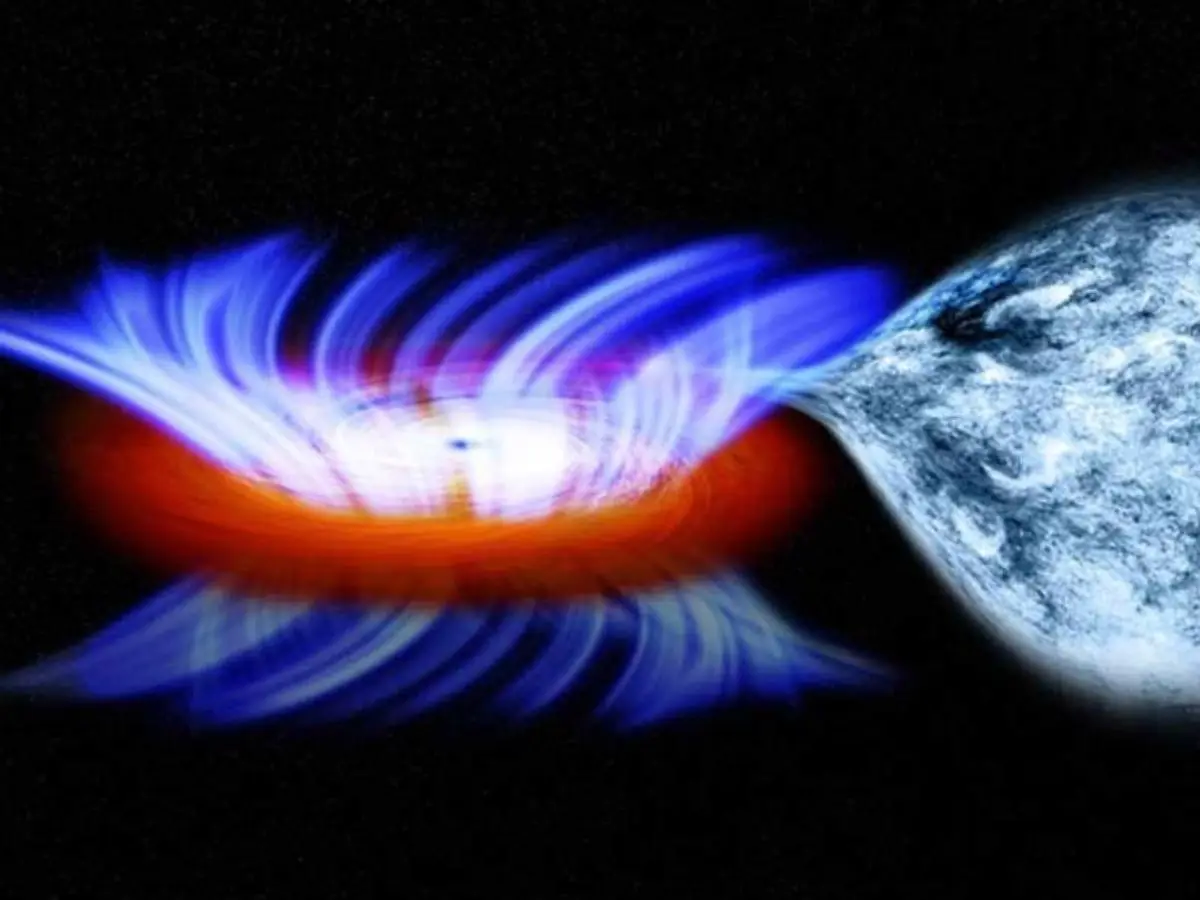
For centuries, black holes have fuelled both fear and curiosity. These cosmic entities, so dense that not even light can escape their pull, warp space and time around them. Though invisible, their presence is revealed by how stars move under their immense gravity. Now, scientists are considering whether humanity could one day study them directly, not with vast rockets, but with spacecraft no heavier than a paperclip.
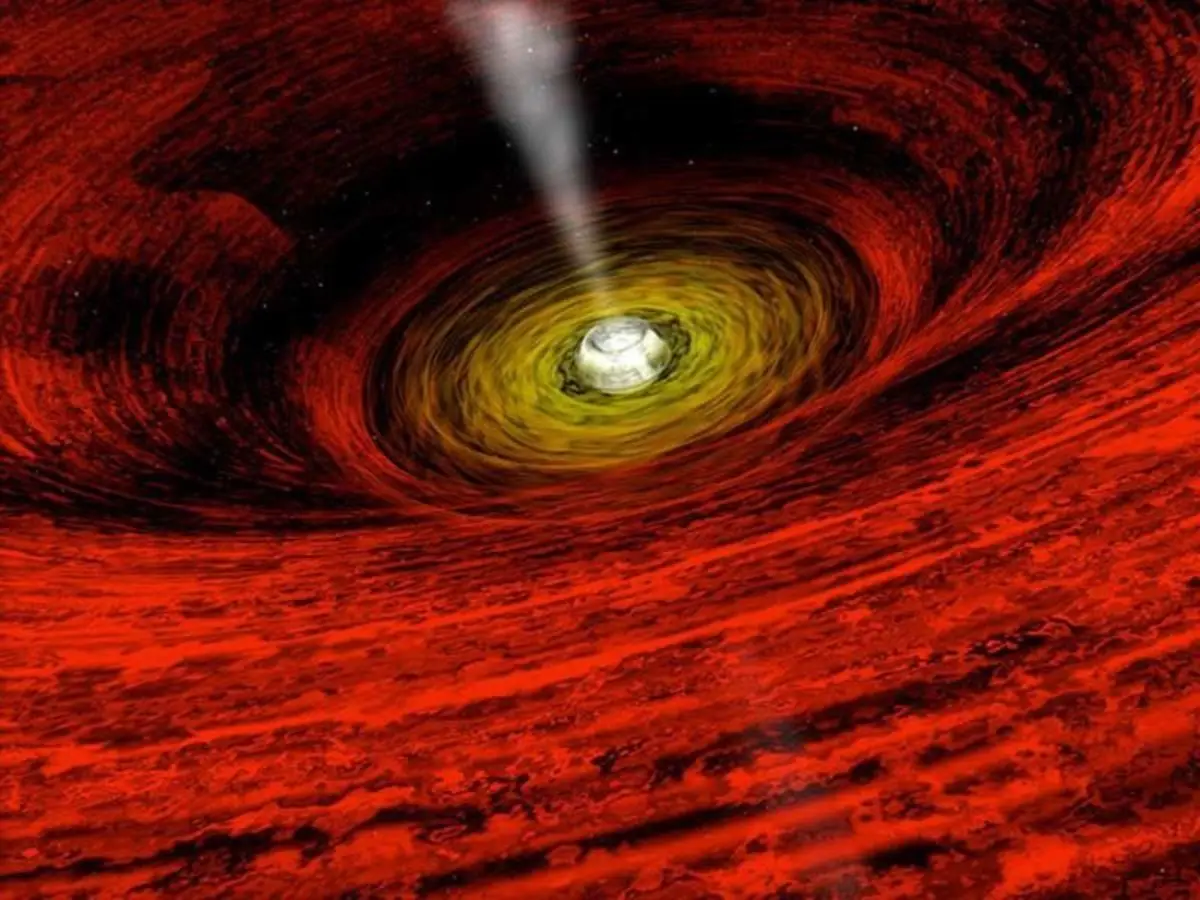
A radical idea from China
Cosimo Bambi, a physicist at Fudan University in China, has outlined a bold vision: within the next century, we may be able to launch a miniature spacecraft towards a nearby black hole. His concept is inspired by Breakthrough Starshot, a project exploring the use of nanocrafts, gram-sized probes propelled to extraordinary speeds by powerful lasers on Earth. These tiny vessels could, in principle, travel at one third the speed of light.
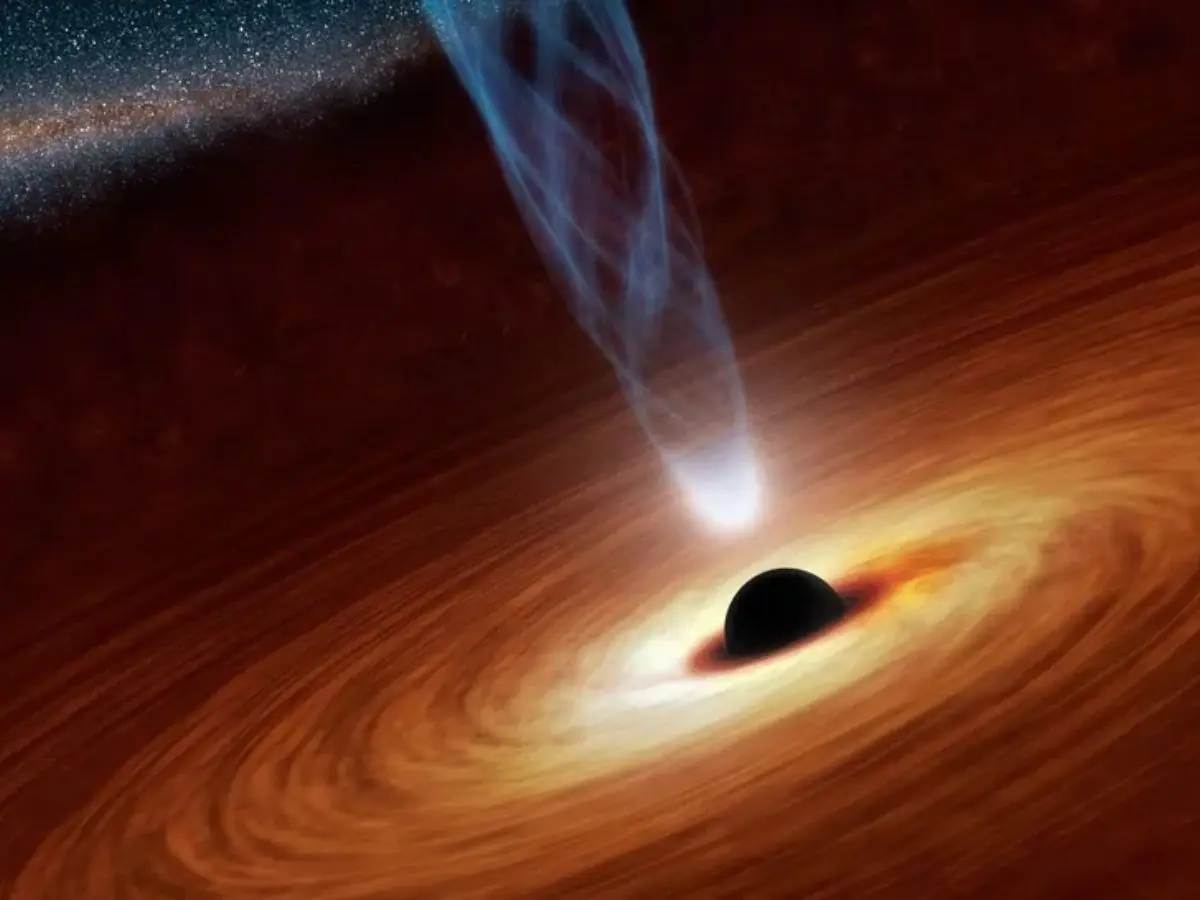
Testing Einstein’s greatest theory
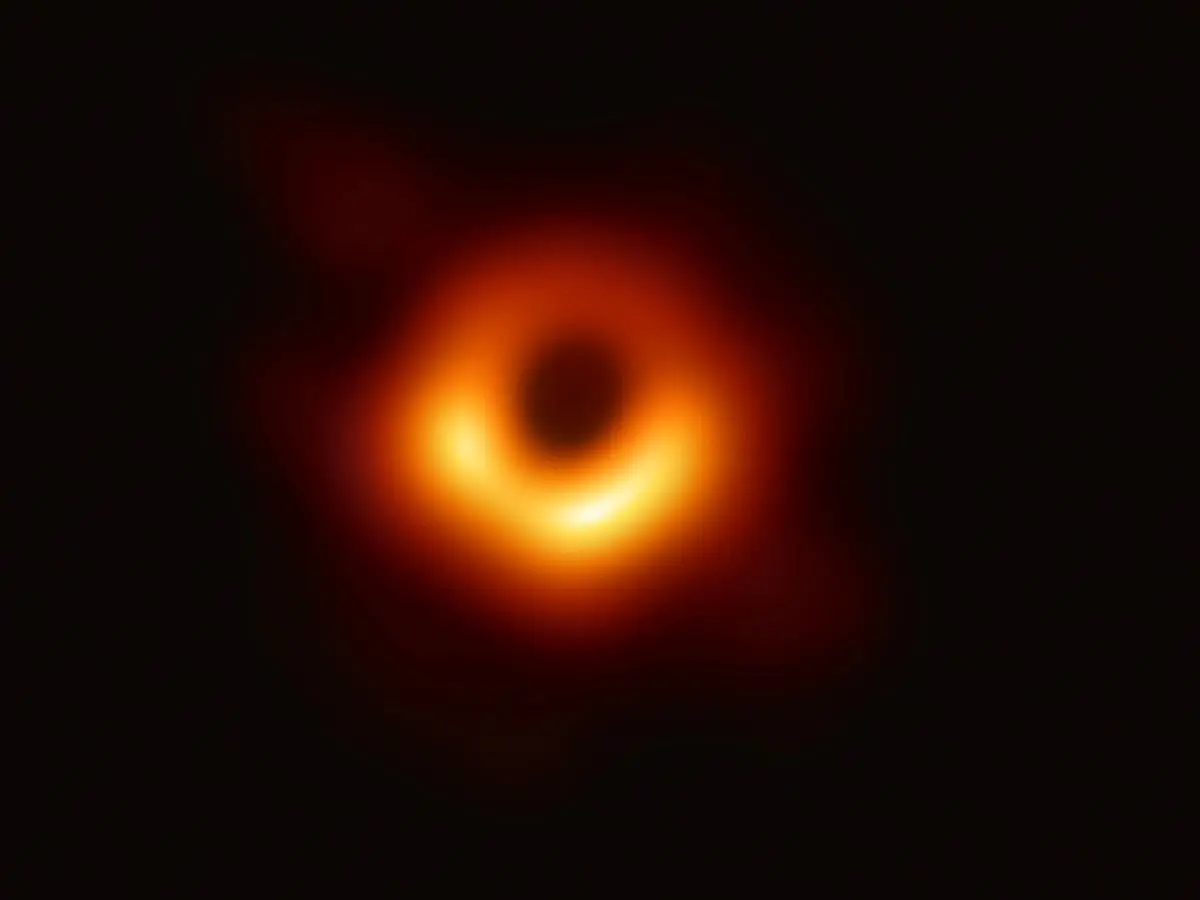
The mission’s goal would be to probe one of the universe’s harshest frontiers and test Albert Einstein’s general theory of relativity under conditions impossible to recreate on Earth. According to relativity, black holes should possess event horizons, invisible boundaries where gravity becomes inescapable. But alternative models suggest they may instead be 'fuzzballs', exotic objects without true horizons. Observing how a probe’s signal fades as it approaches a black hole could reveal which theory holds true.
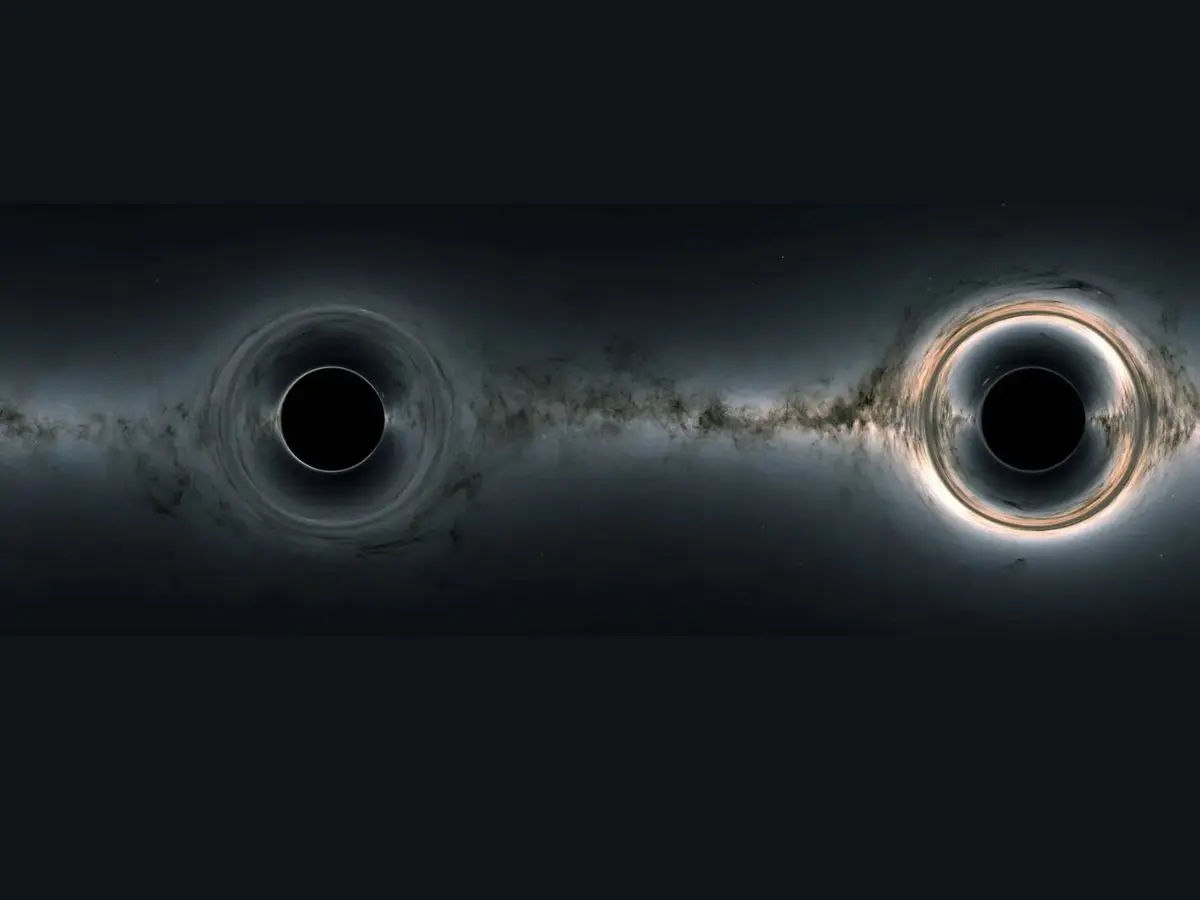
A voyage across light years
The nearest confirmed black hole, Gaia BH1, is more than 1,500 light years from Earth, far too distant for any foreseeable mission. Yet Bambi argues there may be undetected black holes as close as 20 to 25 light years away. If such an object is found, a nanocraft travelling at relativistic speeds could reach it in around 70 years, with data returning to Earth two decades later. That places the mission within the span of a single human lifetime.
Engineering challenges on a cosmic scale
The obstacles are formidable. A spacecraft weighing only a few grams would be extremely fragile, vulnerable to destruction by a single grain of interstellar dust. Communication over such vast distances poses another difficulty, as the faint signal from a tiny probe would take decades to reach Earth. Equally challenging is the propulsion system: the required laser array, powerful enough to accelerate a probe to a third of light speed, would currently cost more than a trillion dollars to build.
A century-long experiment
Despite the hurdles, Bambi insists the idea is not beyond reach. Technological costs are expected to fall dramatically, and concepts once thought impossible, from detecting gravitational waves to photographing black holes, have already been realised. If a sufficiently close black hole is discovered, and if laser propulsion advances, the first direct exploration of one of nature’s greatest mysteries may be attempted within the next hundred years.
From science fiction to future science
Black holes remain among the most enigmatic objects in the universe. A tiny spacecraft, no larger than a paperclip, may one day bring us answers about their true nature. For now, the proposal remains a daring dream, but history suggests that today’s speculation could become tomorrow’s science.
)
)
)
)
)