Astra, R-73, LGBs and more: All the missiles, rockets and bombs Tejas fighter jet can carry

According to the official HAL product brief, the aircraft is engineered to carry both BVR (Beyond Visual Range) and WVR (Within Visual Range) air-to-air missiles alongside strike weapons for surface engagements.
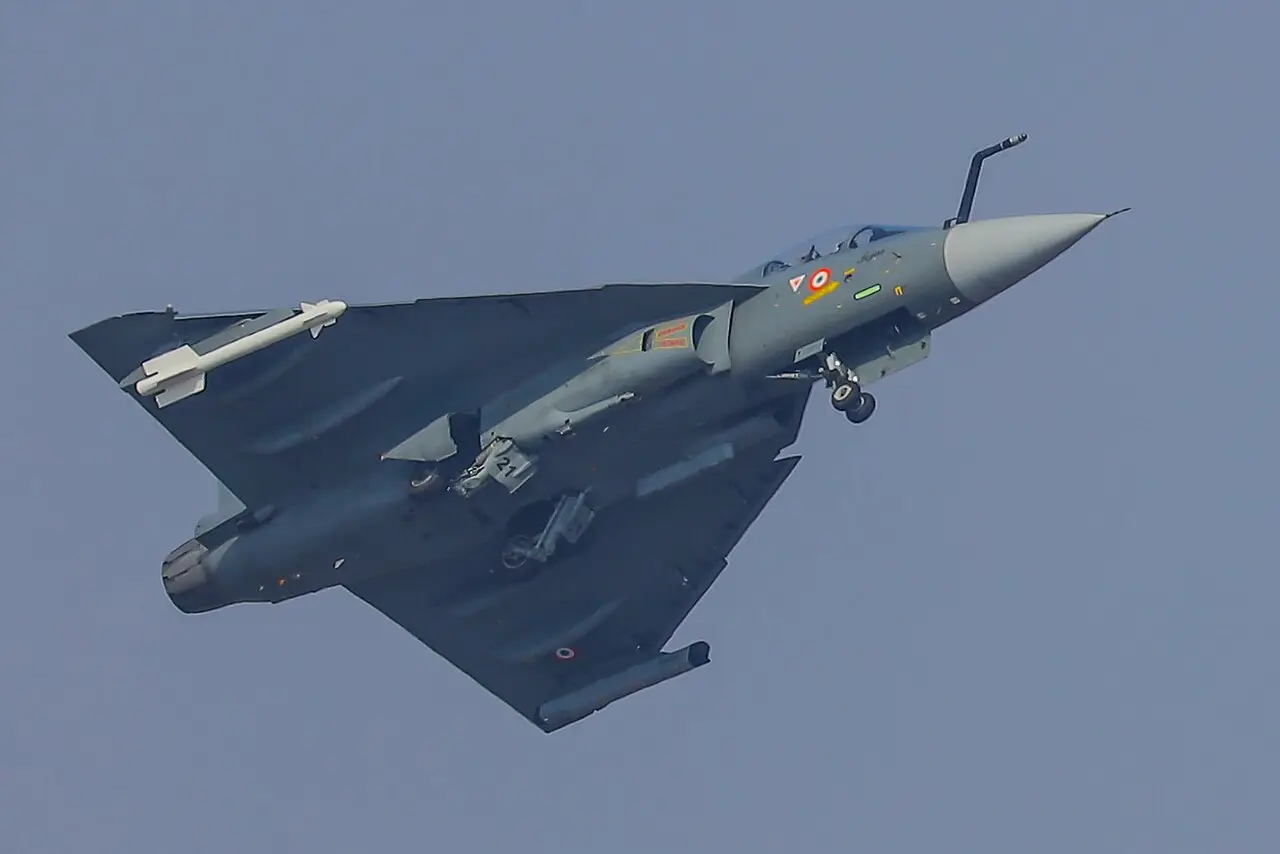
Introduction — a fighter built to carry diverse weaponry
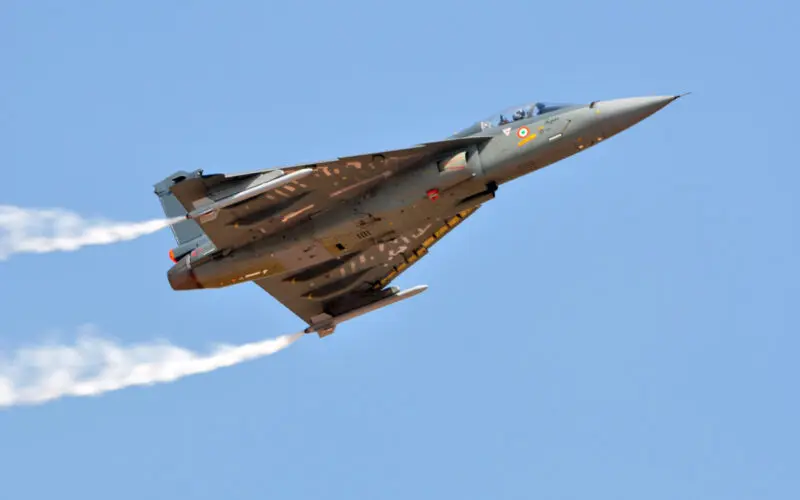
The HAL Tejas has evolved into a multirole combat aircraft capable of performing air-defence, strike and maritime operations. Its design features nine external hardpoints capable of carrying a range of air-to-air missiles, air-to-surface weapons, precision-guided munitions, rockets and bombs. According to the official HAL product brief, the aircraft is engineered to carry both BVR (Beyond Visual Range) and WVR (Within Visual Range) air-to-air missiles alongside strike weapons for surface engagements. The maximum external stores capacity is around 4,000 kg across the pylons.
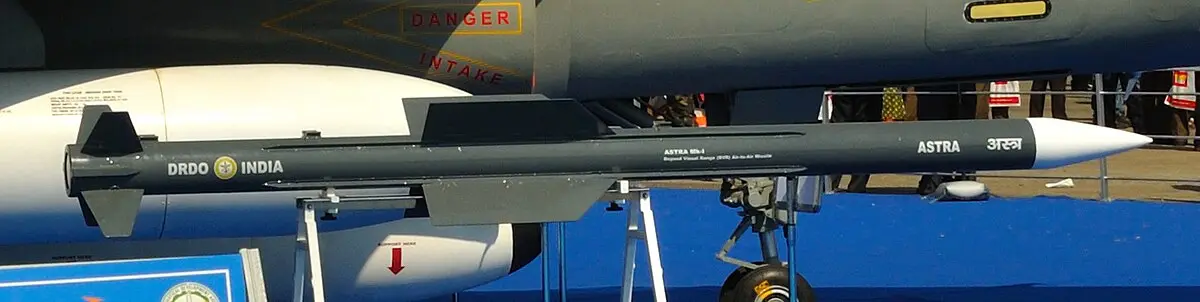
Astra — India’s indigenous BVR air-to-air missile
The most important step in Tejas armament modernisation has been the integration of the Astra beyond-visual-range air-to-air missile, developed in India. Astra is intended to replace imported BVR missiles over time and provides high-speed engagement capability against aerial targets at long distances. Its integration aligns with the wider push for indigenous air-combat capability.
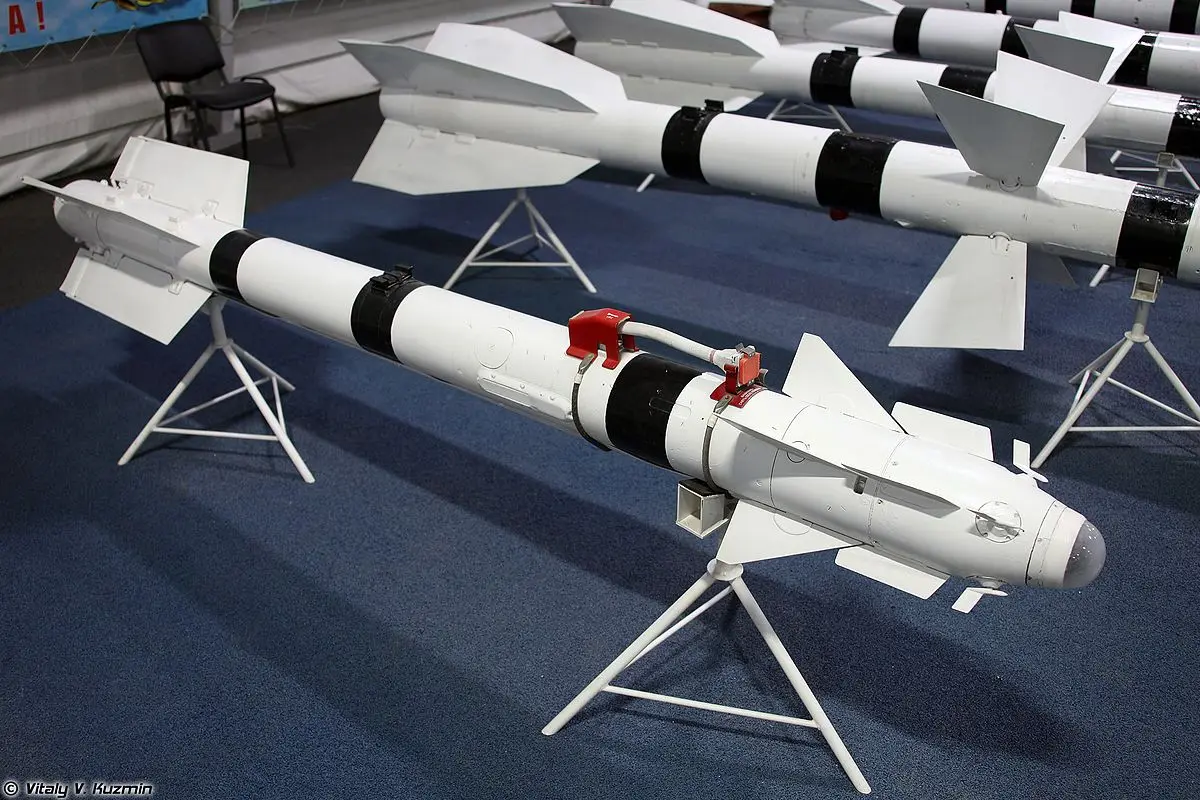
R-73 and other close-combat missiles
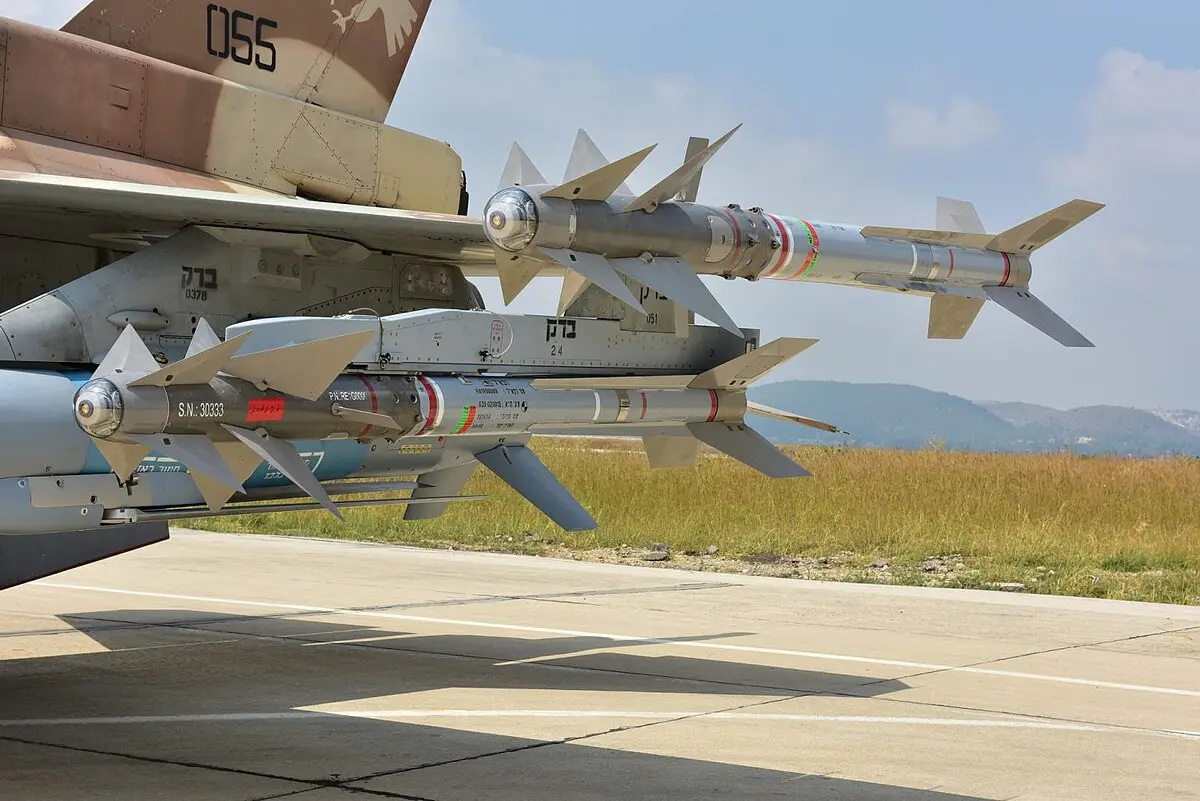
For short-range combat, Tejas incorporates Within Visual Range (WVR) missiles, including the R-73 close-combat missile, confirmed through operational use and flight trials. These missiles are employed for manoeuvre-based dogfighting and short-range air-defence roles, enhancing survivability in contested airspace. Their compatibility complements the Astra BVR missile in a layered air-combat configuration.
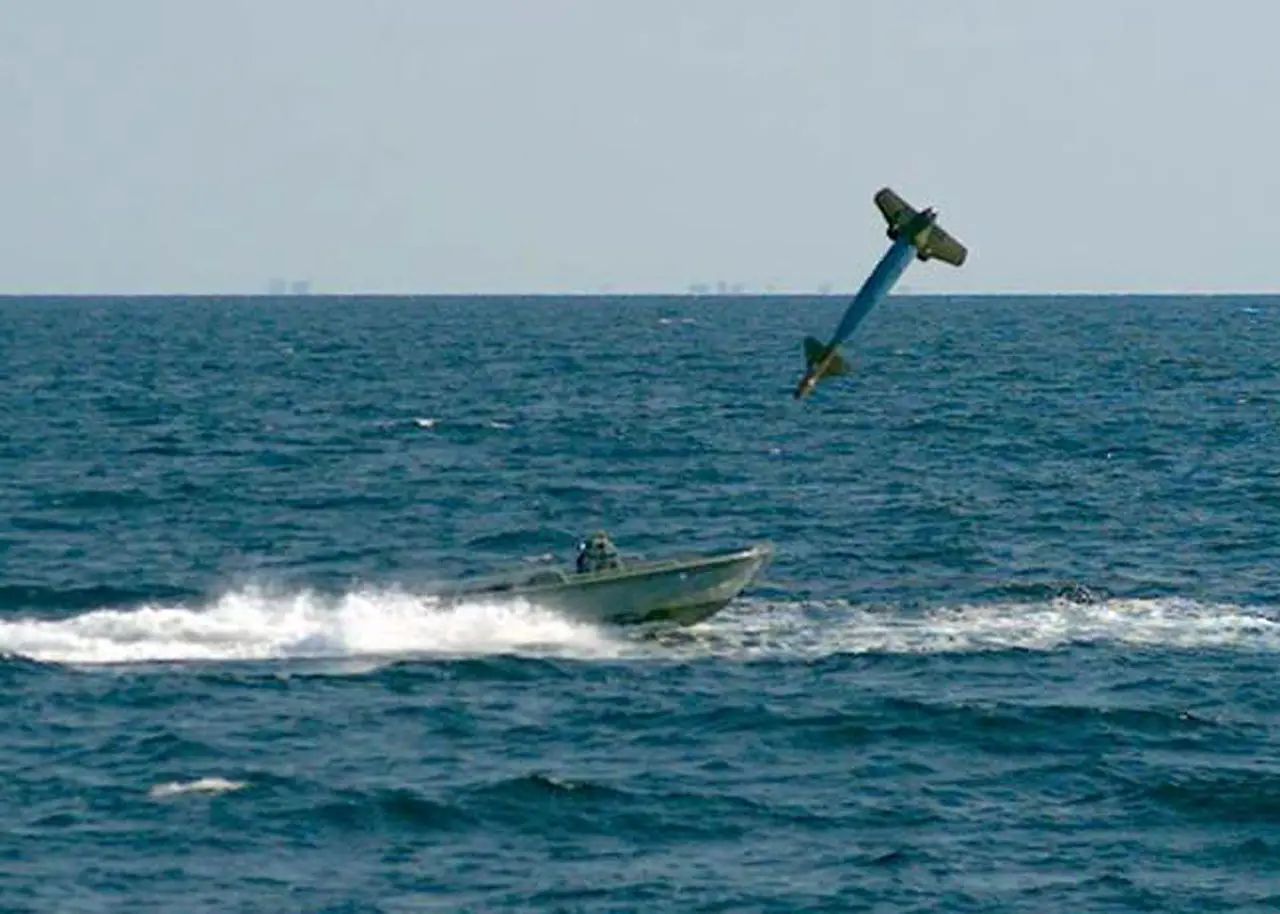
Precision-guided bombs
Official documentation and demonstrations confirm integration of precision-guided munitions, including Laser-Guided Bombs (LGBs). These are employed for high-accuracy strikes on surface targets using laser designation from onboard equipment or supporting aircraft. The Tejas is fitted with a targeting pod to support precision engagements under day and night conditions.
Conventional unguided bombs
Tejas also retains the ability to deliver conventional free-fall bombs for operational flexibility. HAL data notes that the aircraft is compatible with general-purpose bombs and retarded bombs, which are used in missions where area suppression rather than pinpoint accuracy is required. The combination of precision and unguided stores gives the aircraft a varied strike profile.
Rockets and air-to-surface armament
The Tejas can mount rocket pods on under-wing pylons for close air-support roles. These pods are designed for rapid delivery of multiple projectiles in a short time window against surface targets, such as light fortifications, vehicle convoys and infrastructure. Rockets occupy an important position in operational doctrine due to their responsiveness and wide-area effect.
BrahMos integration roadmap
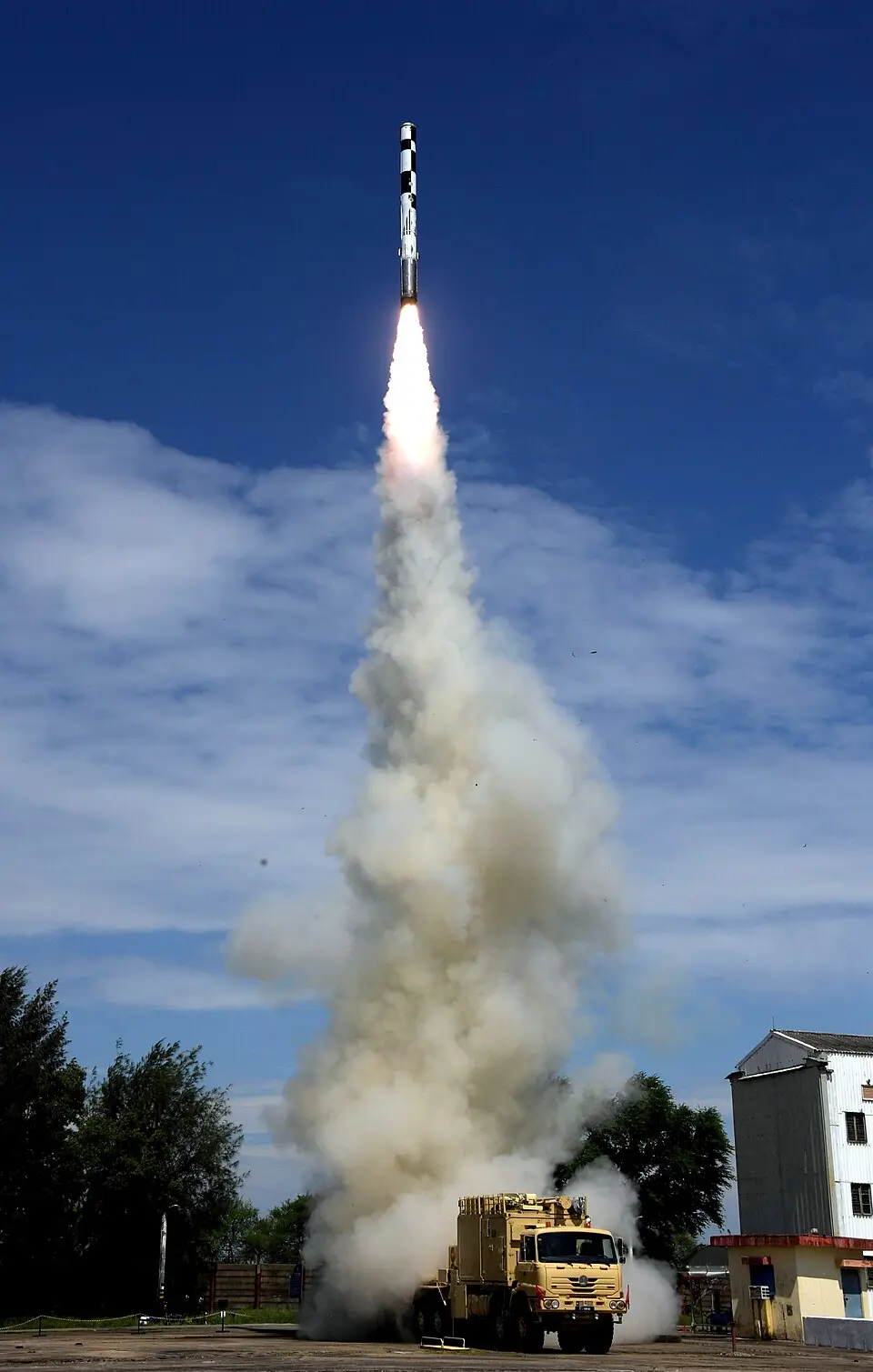
The BrahMos cruise missile was publicly confirmed for the Tejas Mk II / naval variant as part of future integration, though not for the current Mk I series.The original, heavy BrahMos missile is too large for the existing Tejas Mk I airframe, so a new, lighter version called the BrahMos-NG (Next Generation) is under development for this purpose. This remains notable because it illustrates the scale of the Tejas weapon-integration roadmap without attributing the missile to present-day squadrons.
A fighter designed for growing flexibility
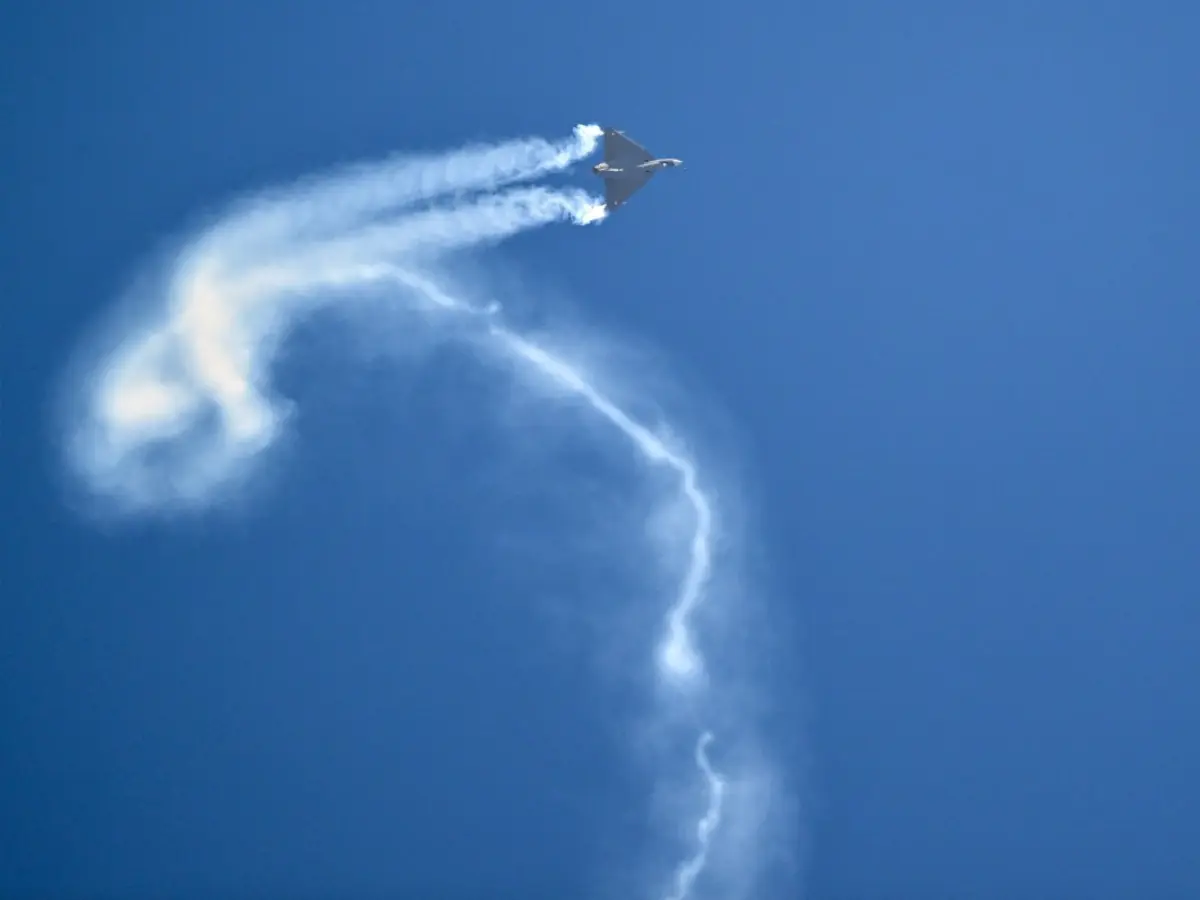
The weapon load of the Tejas reflects a platform that has been steadily broadened in capability with each batch of upgrades. Air-to-air missiles such as Astra and R-73 secure the aircraft’s role in air-defence, while bombs and rockets support offensive surface missions. The fighter’s modular architecture means new weapons can be incorporated progressively without major redesign. Rather than relying on a fixed configuration, the Tejas is being shaped as a long-term multirole platform whose combat profile expands with each developmental phase.
)
)
)
)
)