Asia’s 6 largest navies ranked by ships, submarines and carriers: See where India stands..

The following examines the six largest navies in Asia, highlighting not only the number of ships but also the distribution of destroyers, submarines, and aircraft carriers, offering a clear picture of the region’s maritime strength.

Introduction: Asia's Naval Powerhouses
Asia’s naval forces are central to regional security and global maritime dynamics. Strategic waterways, territorial disputes, and regional tensions make fleet size and composition critical indicators of power. The following examines the six largest navies in Asia, highlighting not only the number of ships but also the distribution of destroyers, submarines, and aircraft carriers, offering a clear picture of the region’s maritime strength.
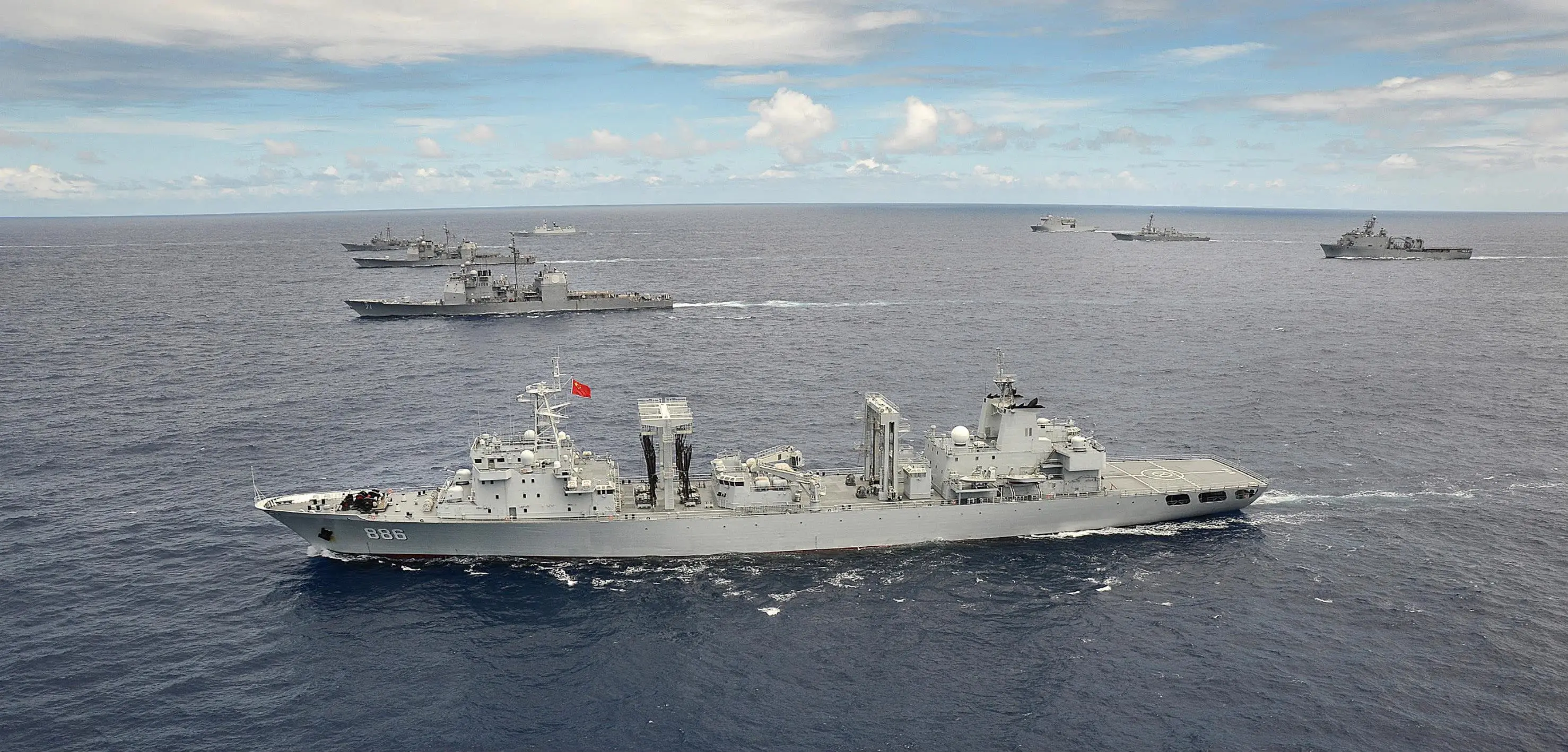
1. China
China's PLAN stands as Asia's largest navy, boasting 754 ships and approximately 61 submarines. The fleet includes three aircraft carriers. The PLAN is rapidly modernising, focusing on blue-water capabilities and regional power projection.
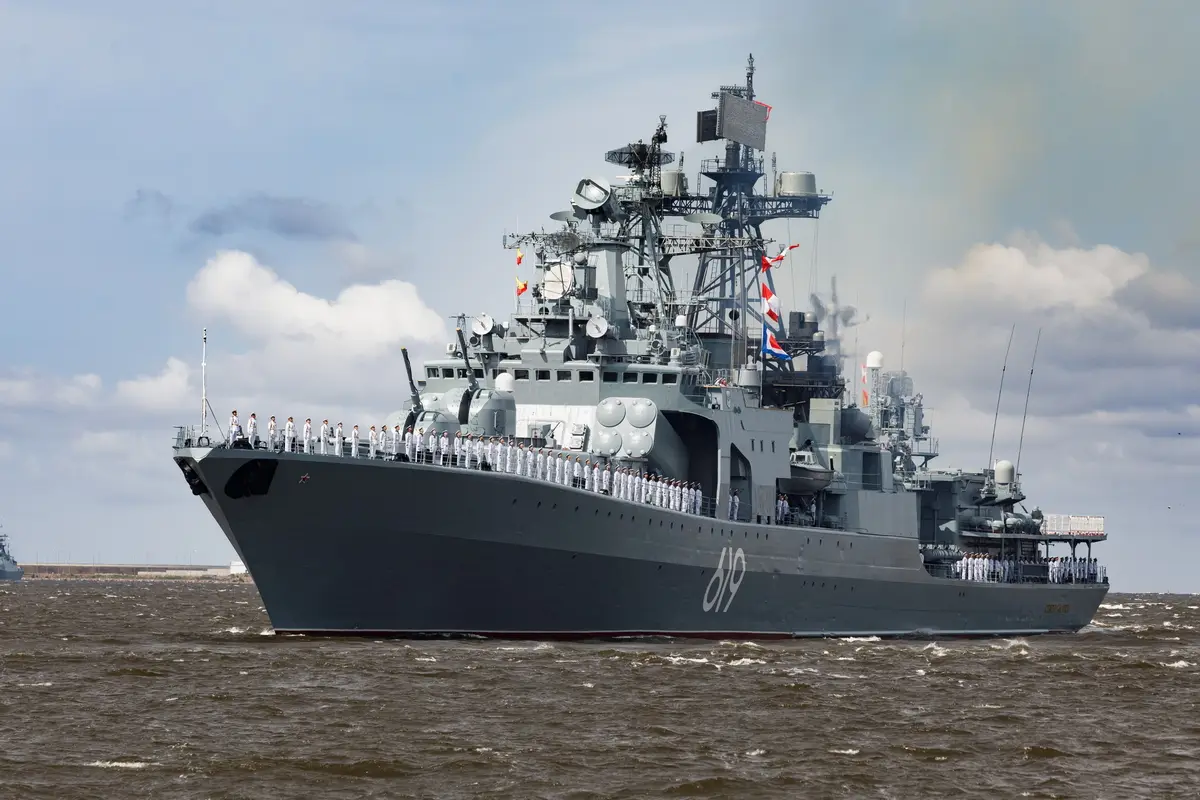
2. Russia (Russian Navy)
Russia's navy ranks second in Asia with 419 ships and around 63 submarines. The fleet includes one aircraft carrier, the Admiral Kuznetsov, currently undergoing modernization. Despite challenges, Russia is committed to revitalising its naval forces, aiming to restore its status as a leading maritime power
3. Indonesia
Indonesia's TNI-AL is the largest navy in Southeast Asia, comprising 331 ships and 4 submarines. While lacking aircraft carriers, the fleet focuses on coastal defence and regional maritime security. The navy's strength lies in its extensive surface combatant fleet, including corvettes and frigates.
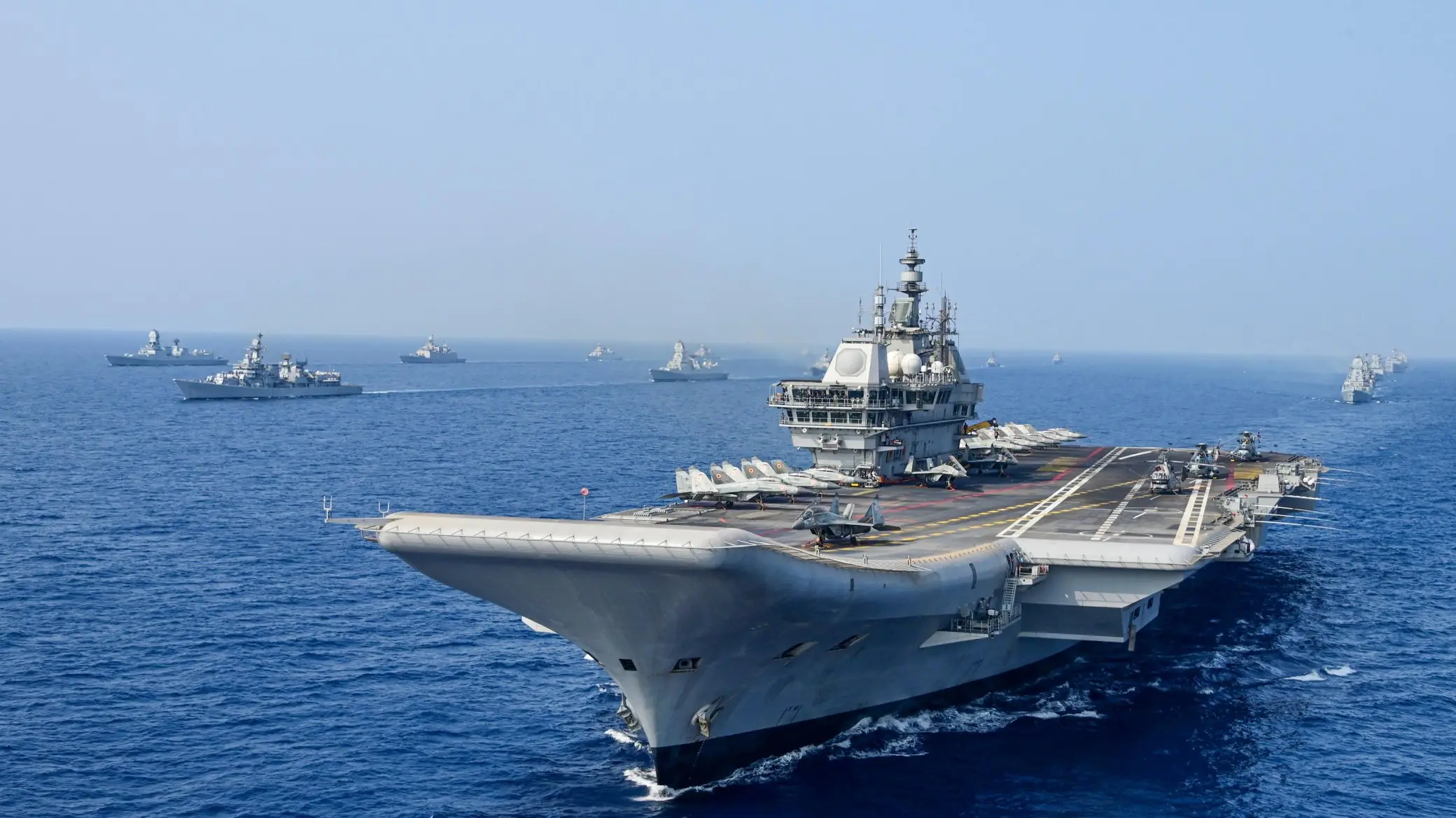
4. India
India ranks second in Asia, with approximately 293 naval vessels, comprising 13 destroyers, 18 submarines, and 2 aircraft carriers. The Indian Navy is undergoing extensive modernisation to meet strategic goals, including protecting maritime trade routes and countering regional challenges. By 2035, India aims to expand its fleet further, reflecting its aspirations as a blue-water navy.
5. South Korea
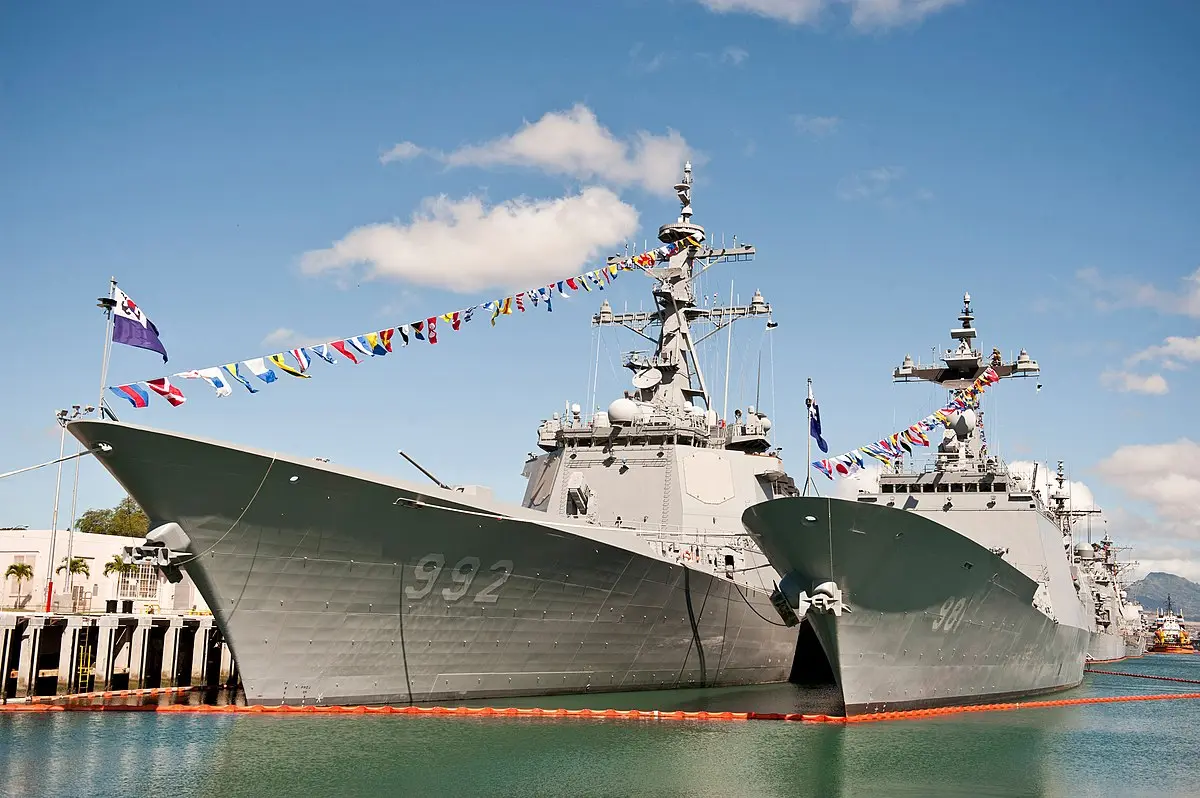
South Korea's ROKN comprises 227 ships and more than 20 submarines. The fleet is expanding its capabilities, including the development of larger destroyers and advanced submarines. While lacking aircraft carriers, the navy focuses on regional security and modernisation efforts.
6. Japan
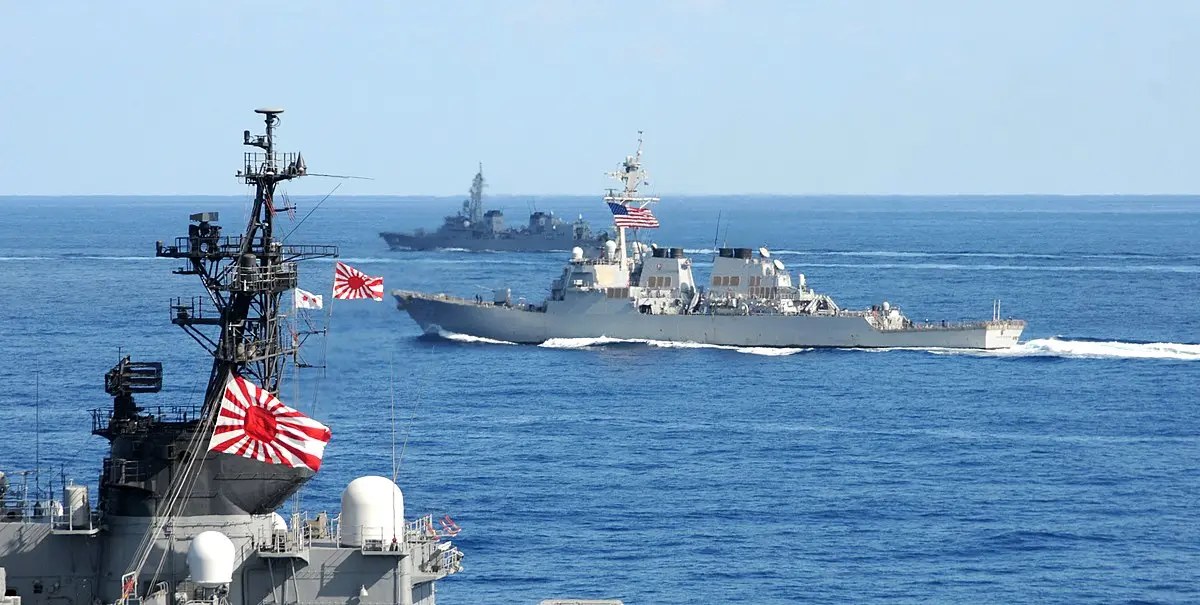
Japan's JMSDF operates 159 ships and 23 attack submarines. The fleet includes four helicopter destroyers (Izumo-class), which are capable of operating fixed-wing aircraft. Japan's navy is highly advanced, focusing on stealth, anti-submarine warfare, and missile defense.
)
)
)
)
)