Asia Power Index 2025: Top 7 most powerful countries in the world — Check where India, US and China rank

The Asia Power Index 2025, published by the Lowy Institute in November, evaluates the resources and the capacity of the country to affect the behaviour of other states and non-state actors and influence the outcomes of international affairs. Let's have a look at the top 7 nations.
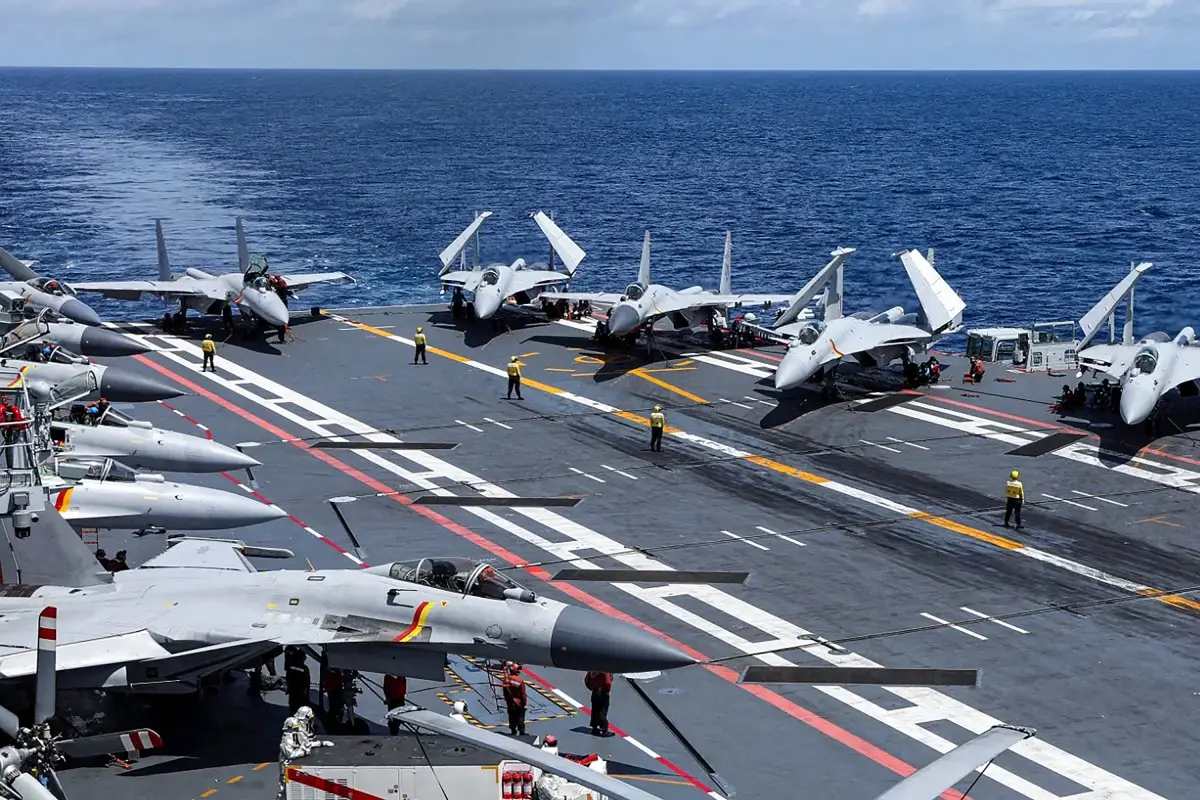
1. United States – 80.4
With an 80.4 score, the United States tops the Asia Power Index, which is driven by unmatched military reach, alliance networks with Japan, South Korea, Australia and the Philippines, and dominant financial and technological influence. Despite domestic polarisation, it remains Asia’s primary security guarantor and key player in trade, AI, and semiconductor supply chains.

2. China – 73.7
China scores 73.7, reflecting vast economic weight, world‑leading manufacturing, and rapid naval and air‑power expansion. Its Belt and Road Initiative, trade ties, and assertive posture in the South China Sea and Taiwan Strait underpin influence, though slowing growth and pushback from neighbours and the US temper its rise.
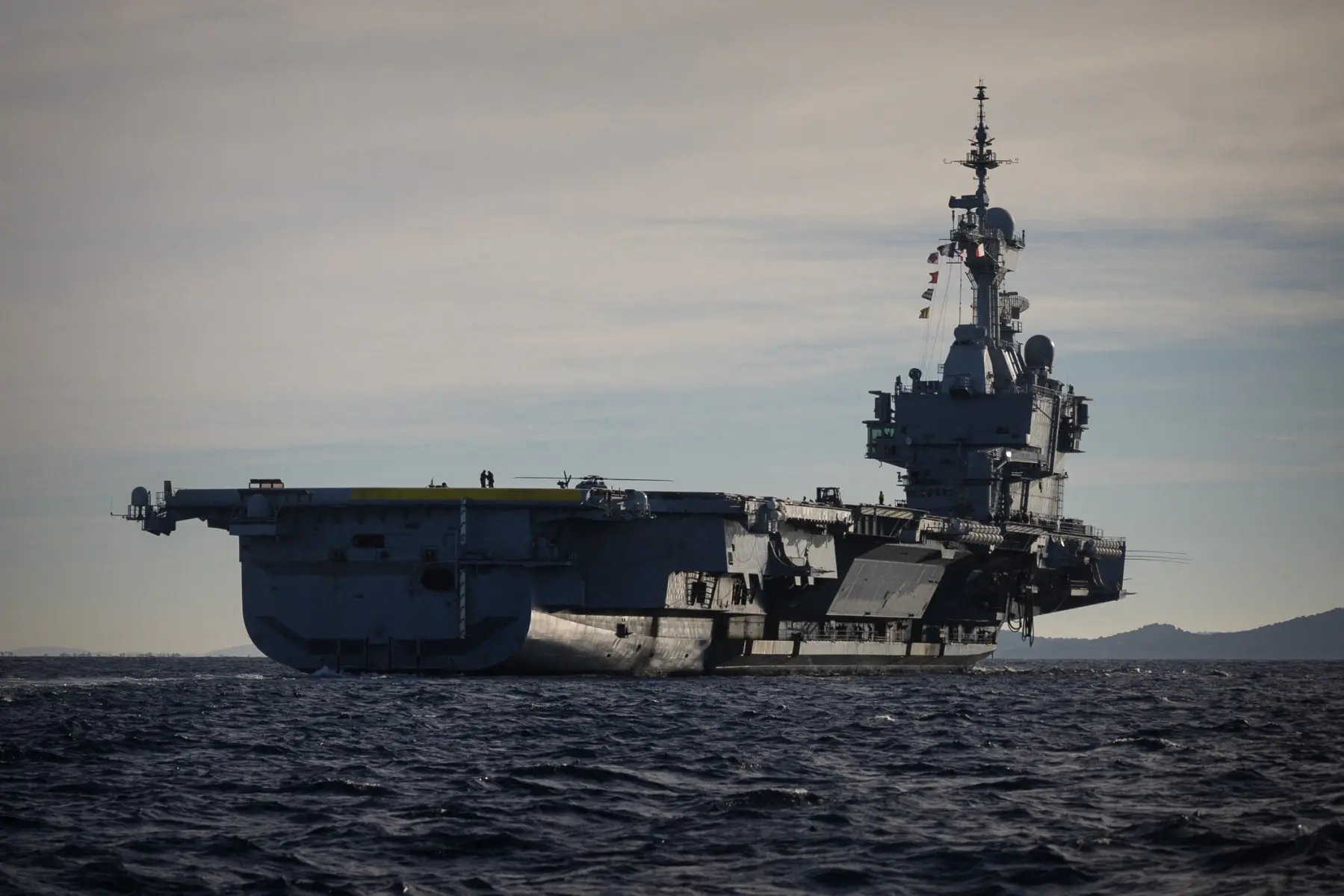
3. India – 40.0
India’s 40.0 score makes it the third most powerful country in Asia and the only “major power” category state. Strong economic growth, a huge population, an expanding blue‑water navy, and a central role in the Quad and Indian Ocean security lift its clout, even as infrastructure gaps and internal inequalities remain constraints.

4. Japan – 38.8
Japan scores 38.8, ranking fourth as a high‑capacity middle power. It combines advanced technology, major aid budgets, and critical supply‑chain roles with a Self‑Defense Force now expanding under new security strategies that emphasise counter‑strike capabilities aimed at deterring China and North Korea.

5. Russia – 32.1
Russia’s 32.1 reflects residual military power, energy exports, and arms sales into Asia, including India and Vietnam. However, the Ukraine war, Western sanctions, and economic isolation erode its overall influence, pushing Moscow to deepen ties with Beijing, Tehran and some Southeast Asian partners.
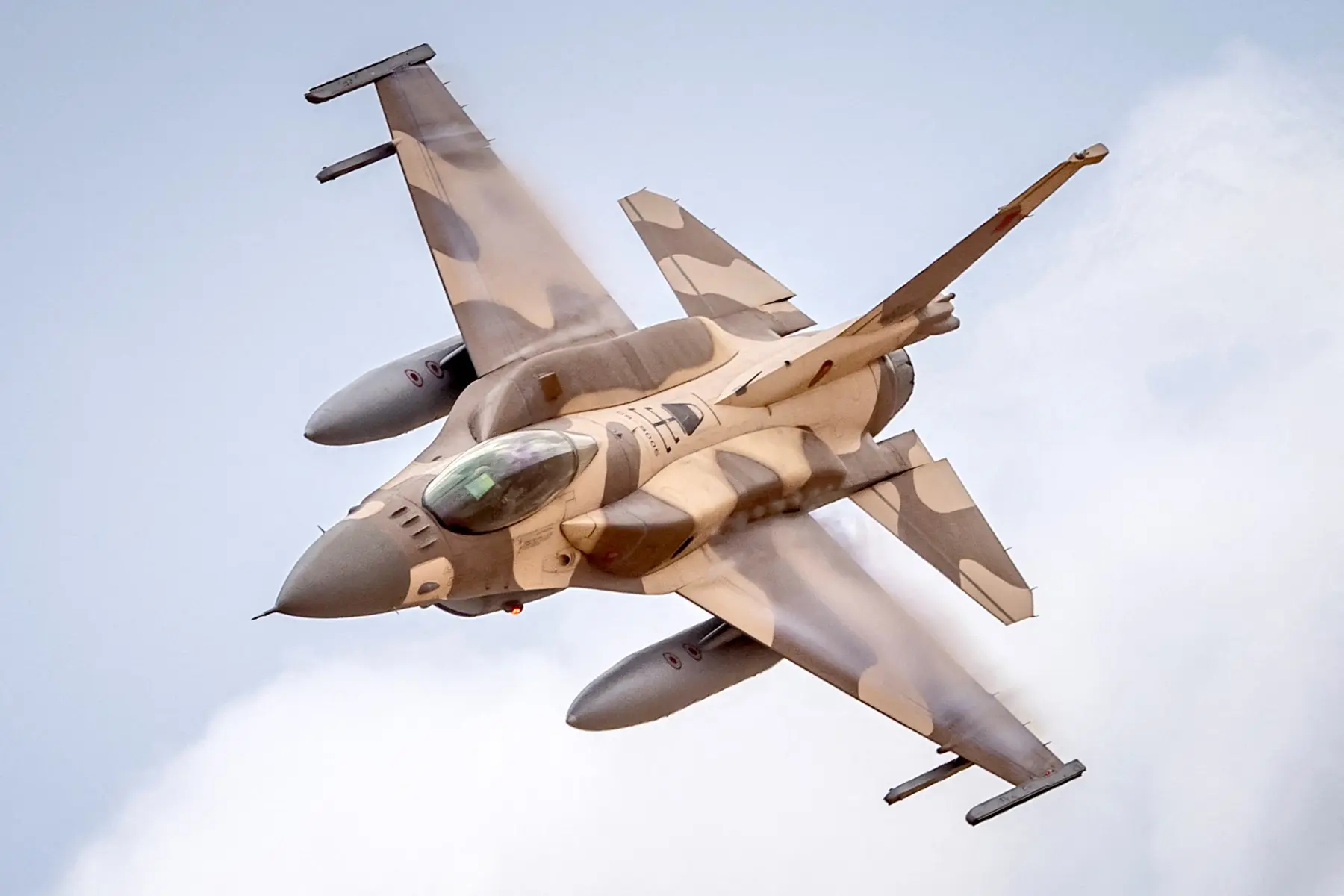
6. Australia – 31.8
Australia scores 31.8, ranking sixth. Its influence stems from a resource‑rich advanced economy, a highly capable military, and deep alliances with the US, UK (AUKUS) and regional partners. Canberra’s active diplomacy in the Pacific and Southeast Asia seeks to balance China’s rise.

7. South Korea – 31.5
South Korea’s 31.5 score reflects its advanced technology industries, sizable economy, and modern armed forces facing North Korean threats. Seoul leverages soft power through culture (K‑pop, drama) and navigates complex relations with the US, China and Japan while investing heavily in defence and semiconductor leadership.
)
)
)
)
)