As Greenland tensions rise: The NATO country next to Denmark with the most US military bases

What is particularly noteworthy is that as strains have grown between Denmark and the US, especially after the capture of Venezuelan President Nicolás Maduro, Denmark’s only land neighbour hosts the largest number of US military bases in NATO.
A Strategic Backdrop
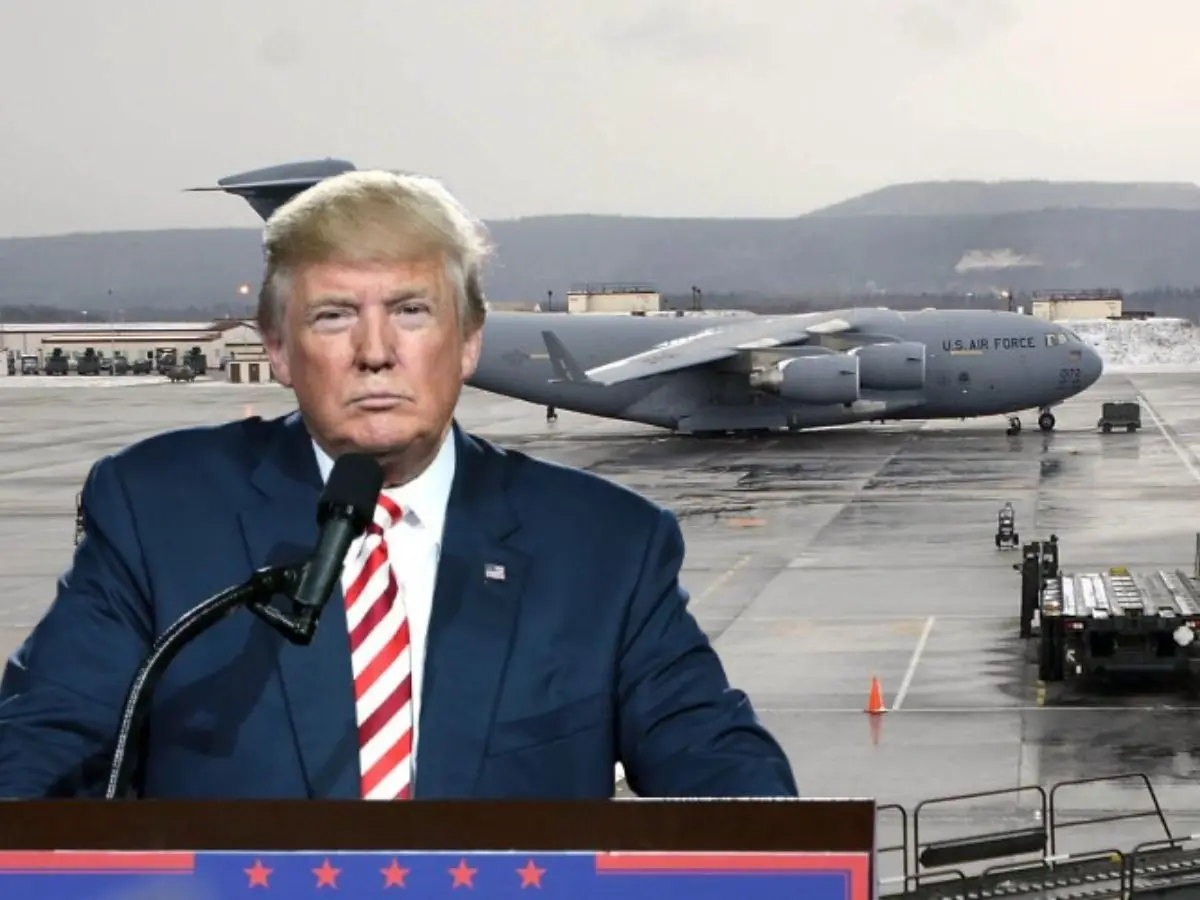
Tensions over Greenland’s future have intensified following repeated remarks by US President Donald Trump suggesting the island could become part of the United States for national security reasons. What is particularly noteworthy is that as strains have grown between Denmark and the US, especially after the capture of Venezuelan President Nicolás Maduro, Denmark’s only land neighbour hosts the largest number of US military bases in NATO. Amid this unusual geopolitical debate involving a NATO ally, that neighbour has emerged as the central hub of America’s military presence in Europe.
US Forces in Europe
Since the Second World War, the United States has maintained a significant military presence in Europe as part of the NATO alliance. These forces are deployed to reassure allies and deter threats, a legacy of Cold War strategic posture that continues in the face of new challenges. Germany has been a vital part of the United States' defense strategy in Europe since Allied forces occupied the country for 10 years.
Germany: The Primary Host
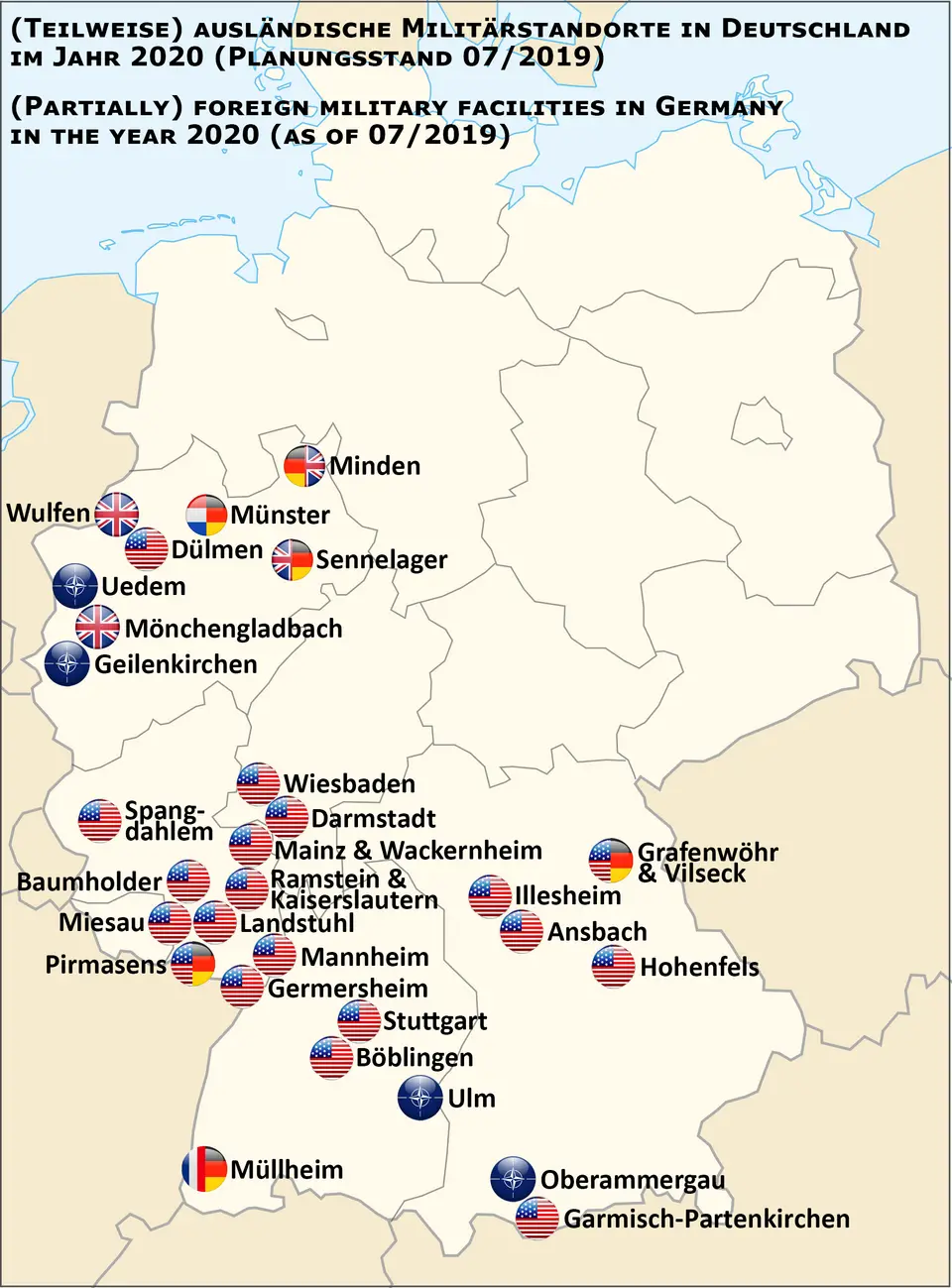
US military maintains a significant presence in Germany. According to DW, The total number of US military personnel has also risen significantly in the past few years, from fewer than 39,000 in 2019 to over 50,000 in 2024. The only other country where the US keeps a comparable number of overseas troops is Japan. Key installations such as Ramstein Air Base serve as major command and control hubs for US and NATO operations. This vast presence supports air policing, logistics and rapid deployment across Europe and beyond.

History of US bases in Germany
During the Cold War, 70 per cent of US troops in Europe were stationed in West Germany and the country was home to 60 per cent of all US overseas bases. Of the troops stationed in Germany, 45 per cent were combat troops, 45 per cent served as combat support troops, and 10 per cent worked in administrative positions.
More than just troops
According to DW, some US military bases in Germany operate like small towns, complete with American shops, schools, postal services and police, and in some areas the US dollar is the main currency. In fact, large civilian American communities have grown around these bases as service members often bring their families. The largest of these communities is the US Army Bavaria Garrison at Grafenwöhr, near the Czech border, the biggest US Army base overseas in a NATO country, covering more than 97,000 acres (390 sq km).
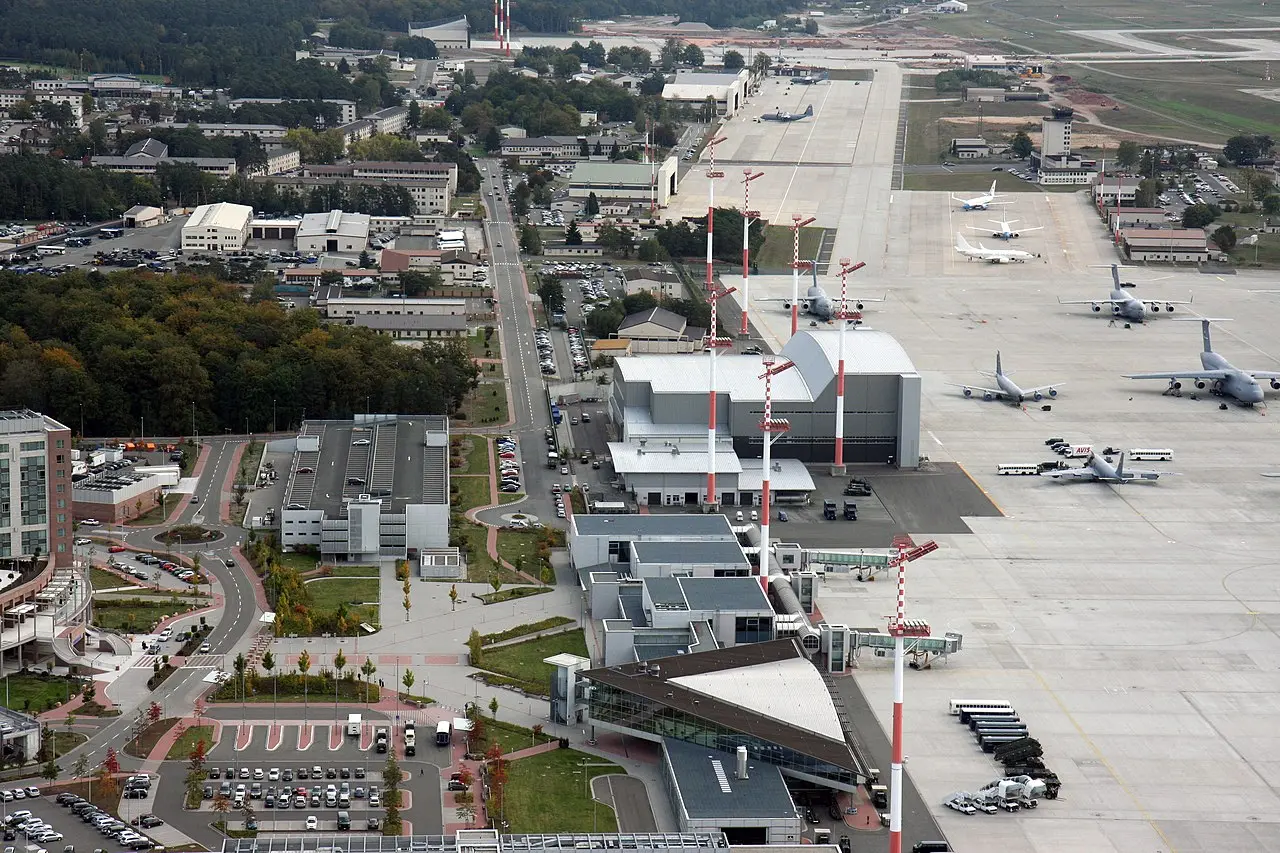
Ramstein Air Base
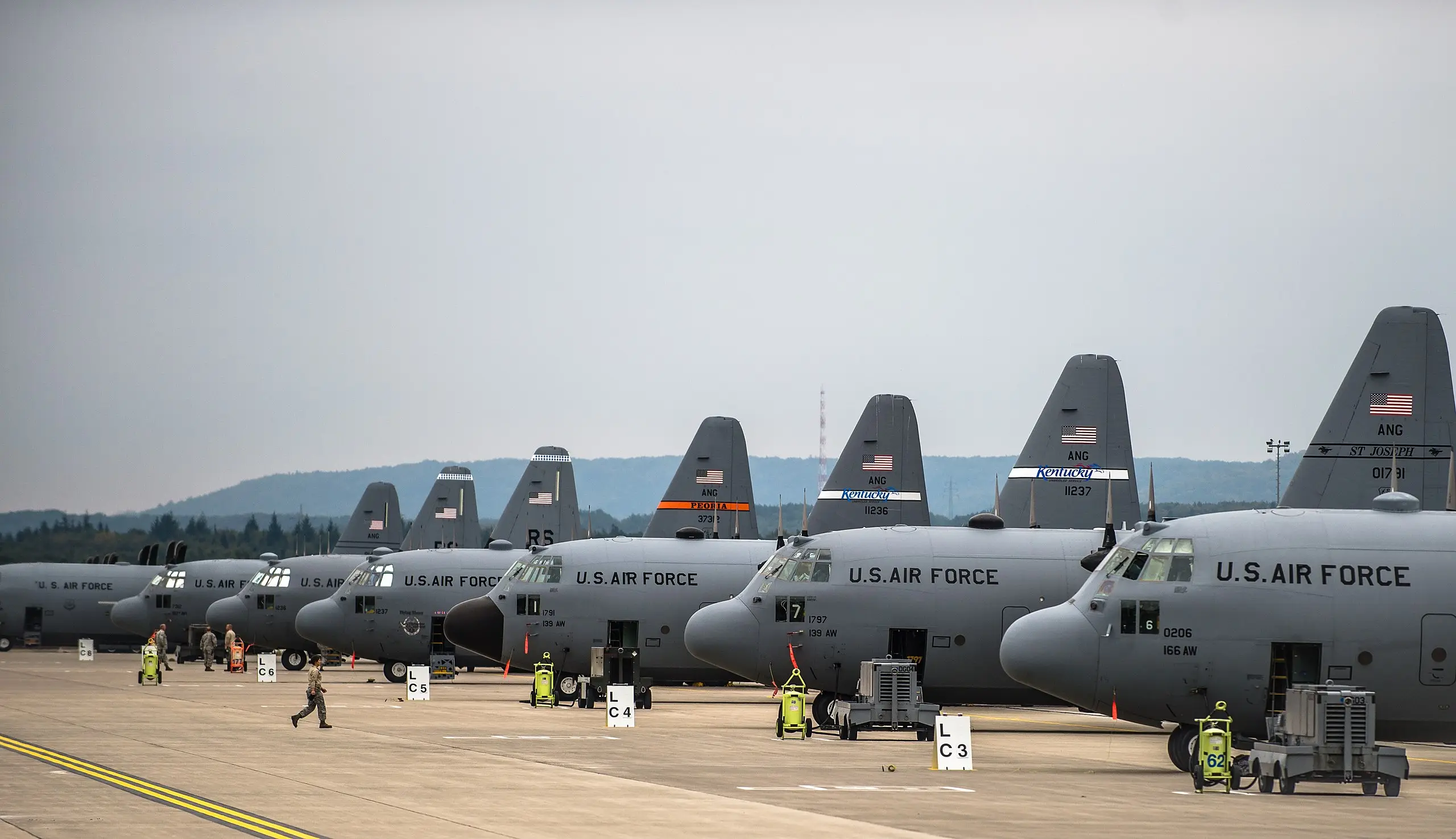
Ramstein Air Base in Germany is a key United States Air Force installation and the headquarters of US Air Forces in Europe, Air Forces Africa, as well as the NATO Allied Air Command, coordinating air operations across Europe and Africa. It is part of the Kaiserslautern Military Community, the largest American community outside the United States, with thousands of US military personnel, civilian employees and their families. The base’s 86th Airlift Wing provides vital airlift, airdrop and aeromedical evacuation support, linking Europe, Africa and the Middle East, and enabling rapid deployment for military and humanitarian missions.
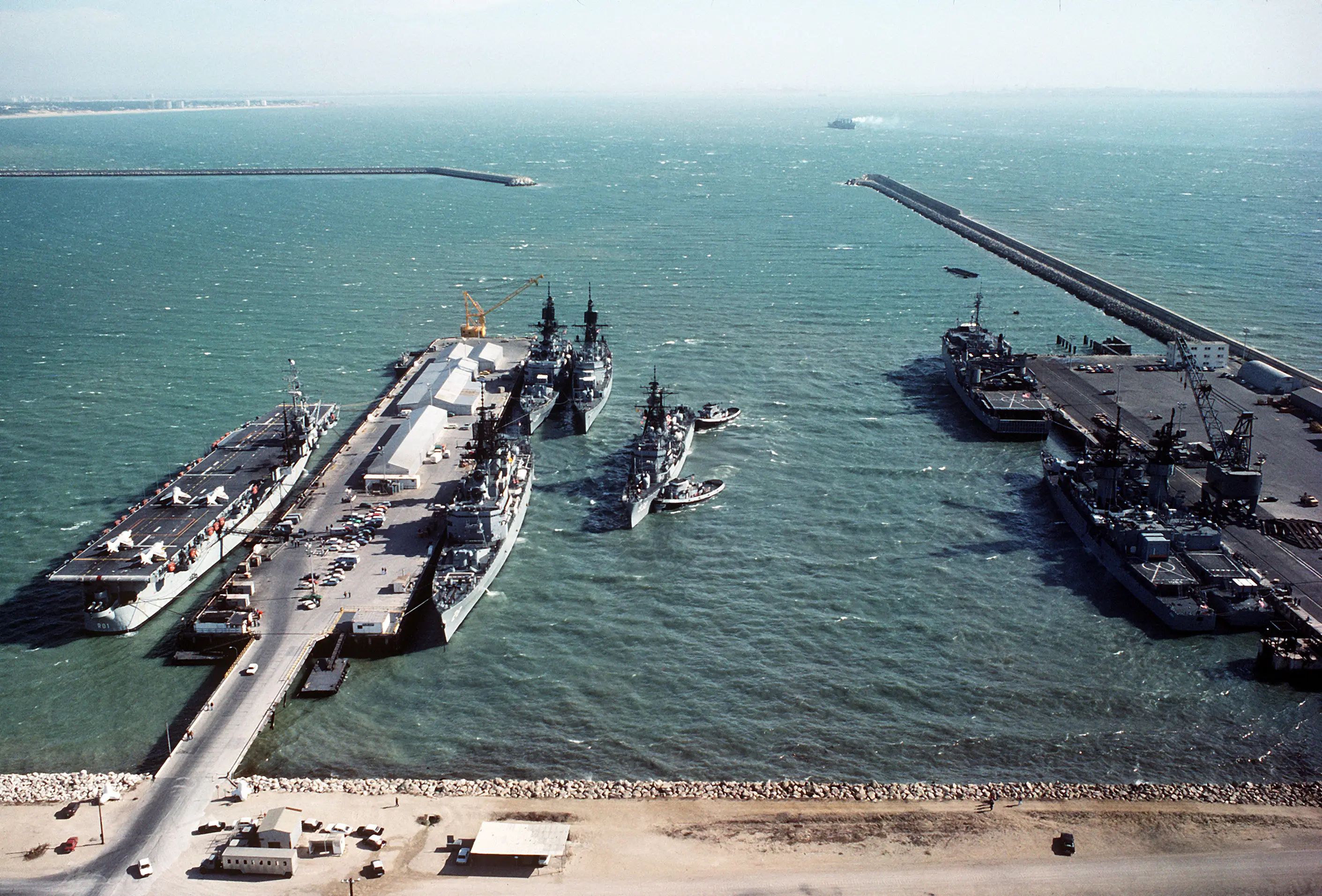
Neighbouring nations
Germany shares land borders with nine countries: Denmark to the north, Netherlands, Belgium, Luxembourg, and France to the west, Switzerland and Austria to the south, and Czech Republic and Poland to the east. Its border with Denmark is 68 km (42 miles) long, stretching across Schleswig-Holstein and South Jutland from the North Sea to the Baltic. Denmark’s only land neighbour is Germany; the rest are maritime borders with Sweden, Norway, the UK, Netherlands, Poland, Iceland, and Canada via Greenland.
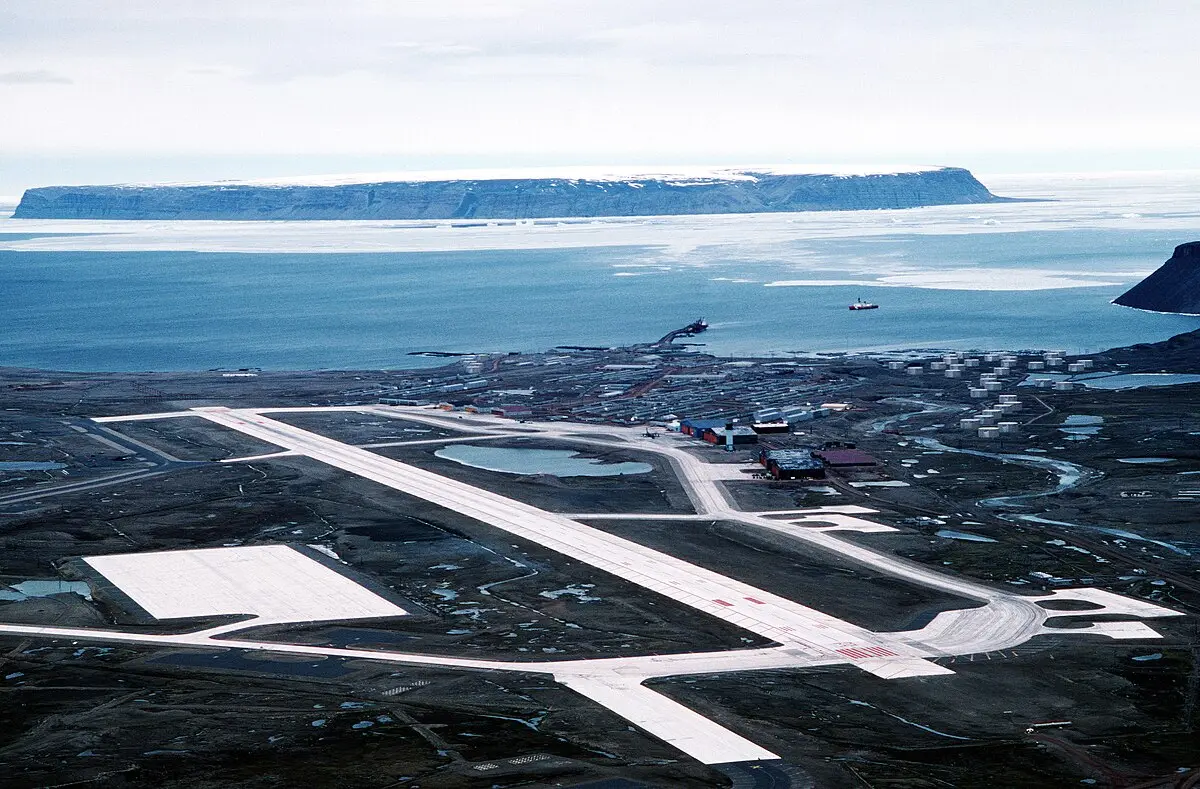
Greenland’s Strategic Role
Greenland, while not hosting these major European bases, is itself strategically significant. The US operates the Pituffik Space Base under a defence agreement with Denmark.
)
)
)
)
)