As Dilip Kumar bids farewell, these iconic on-screen pairings will resonate with fans forever

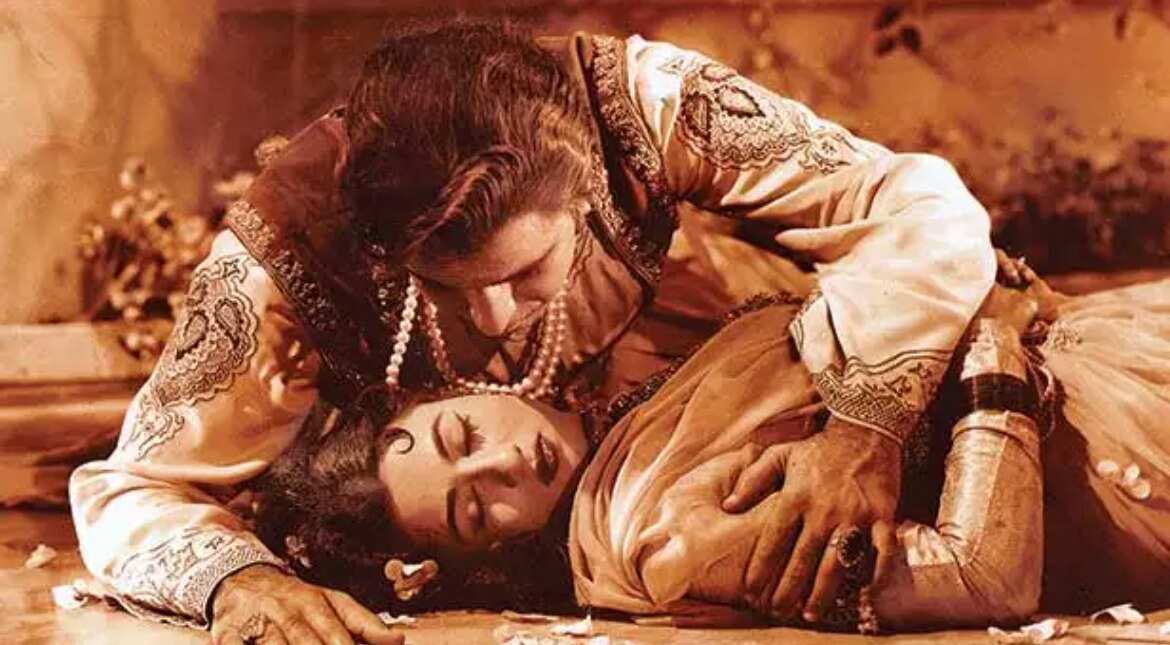
Dilip Kumar and Madhubala
Ask anyone and they would tell you that this pair’s real love for one another translated on screen and how! Together, they worked on movies like ‘Tarana’ (1951), Sangdil (1952), Amar (1954) and Mughal-E-Azam (1960). Although their love story didn’t get the happy ending it probably deserved, Kumar wrote about Madhubala in his memoir. “She was a vivacious artiste and was so instantaneous in her responses that the scenes became riveting even when they were being filmed.”
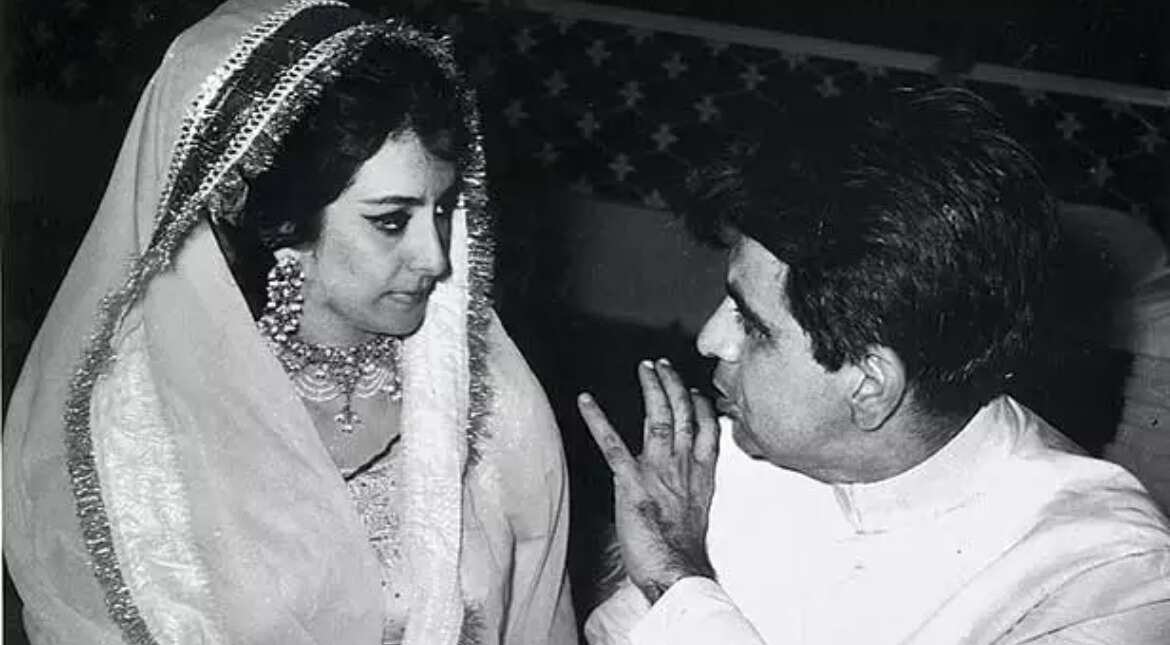
Dilip Kumar and Saira Banu
It is rather ironic that Dilip Saab had once rejected the idea of working with his now wife Banu as she was ‘too young’. Years later, they went on to work together on multiple films—‘Gopi’ (1970), ‘Sagina’ (1974) and ‘Bairaag’ (1976)—and their chemistry was palpable. Talking about the first time he noticed her as a full-grown woman, Dilip Saab wrote in his memoir, “I can still recall… Saira standing in the foyer of her house looking breathtakingly beautiful in a brocade sari… She had indeed grown to full womanhood and was in reality more beautiful than I thought she was.”
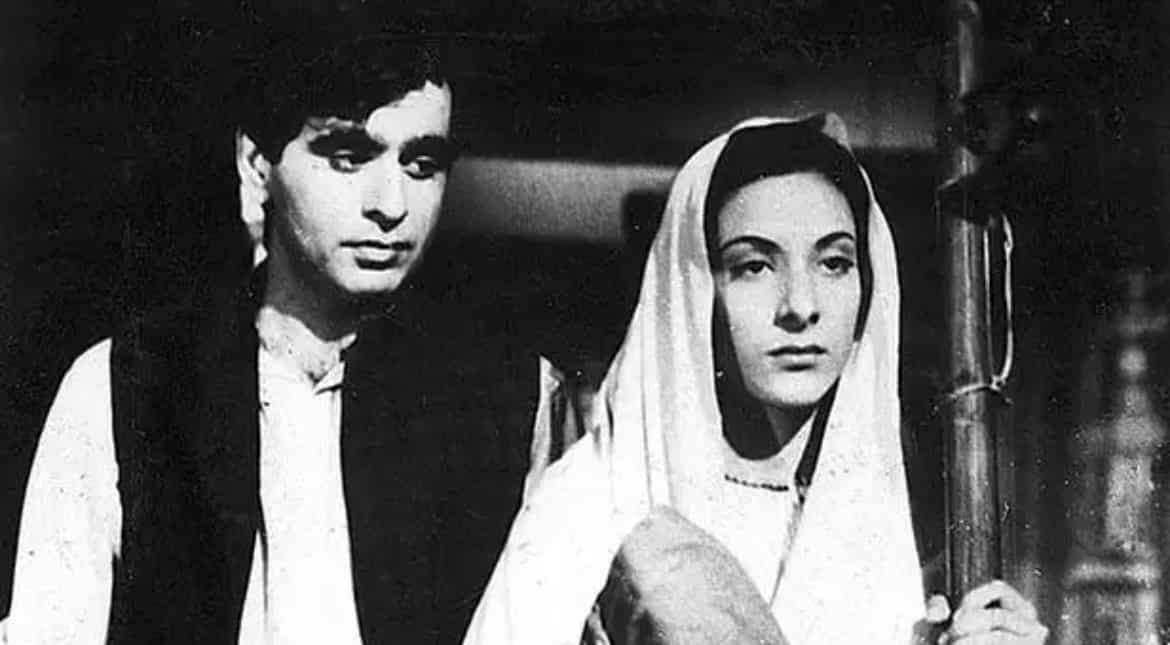
Dilip Kumar and Nargis
Although the legendary actress’s most famous on-screen partnership was with the late Raj Kapoor, few people remember that Nargis had in fact worked with Dilip Saab in seven films: ‘Anokha Pyar’(1948), ‘Mela’ (1948), ‘Andaz’ (1949), ‘Babul’ (1950), ‘Jogan’ (1950), ‘Hulchul’ (1951) and ‘Deedar’ (1951). Not many people know that Dilip Kumar was offered ‘Mother India’ (1957) but he declined the offer. He explained his reasons in his autobiography ‘Dilip Kumar: The Substance and the Shadow’: The role that Mehboob saab (Khan) offered me was that of Nargis’ son… it would have been an incongruous casting after all the romancing she and I had done in earlier films.
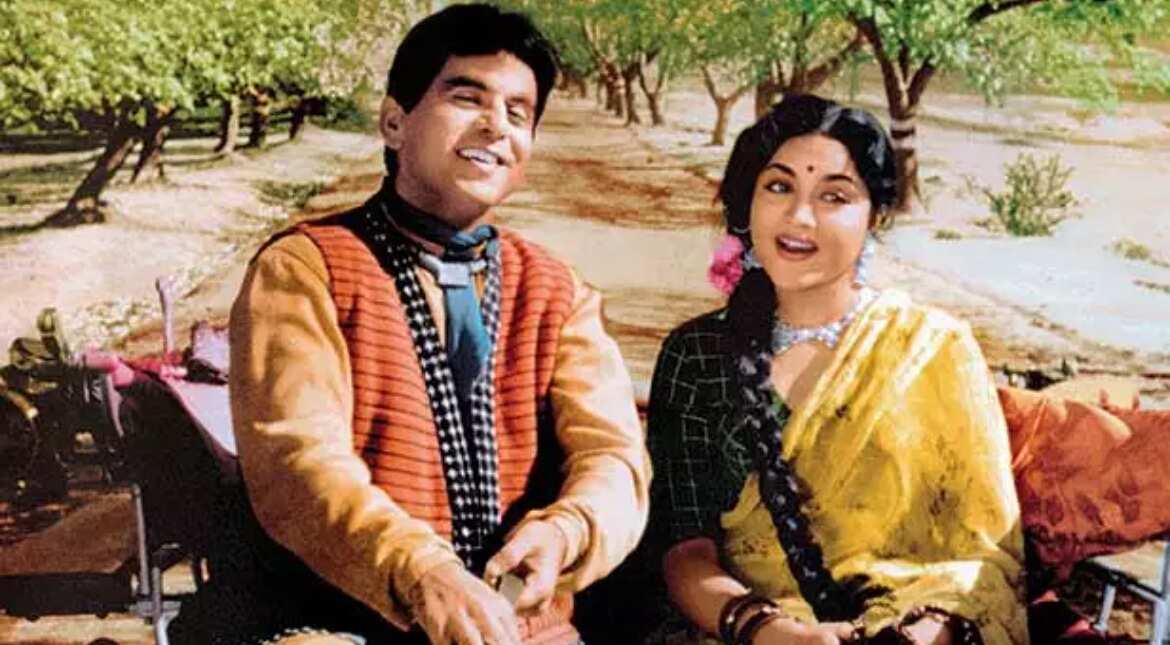
Dilip Kumar and Vyjayanthimala
This pair has worked in seven films in total and their most iconic collaborative project till date is ‘Devdas’ (1955). The duo’s other works include ‘Naya Daur’ (1957), ‘Madhumati’ (1958), ‘Paigham’ (1959), ‘Gunga Jumna’ (1961), ‘Leader’ (1964) and ‘Sunghursh’ (1968). It was Dilip Saab who had first mouthed one of the most memorable Hindi dialogues of Indian cinema, “Kaun kambakht bardasht karne ke liye peeta hai.”
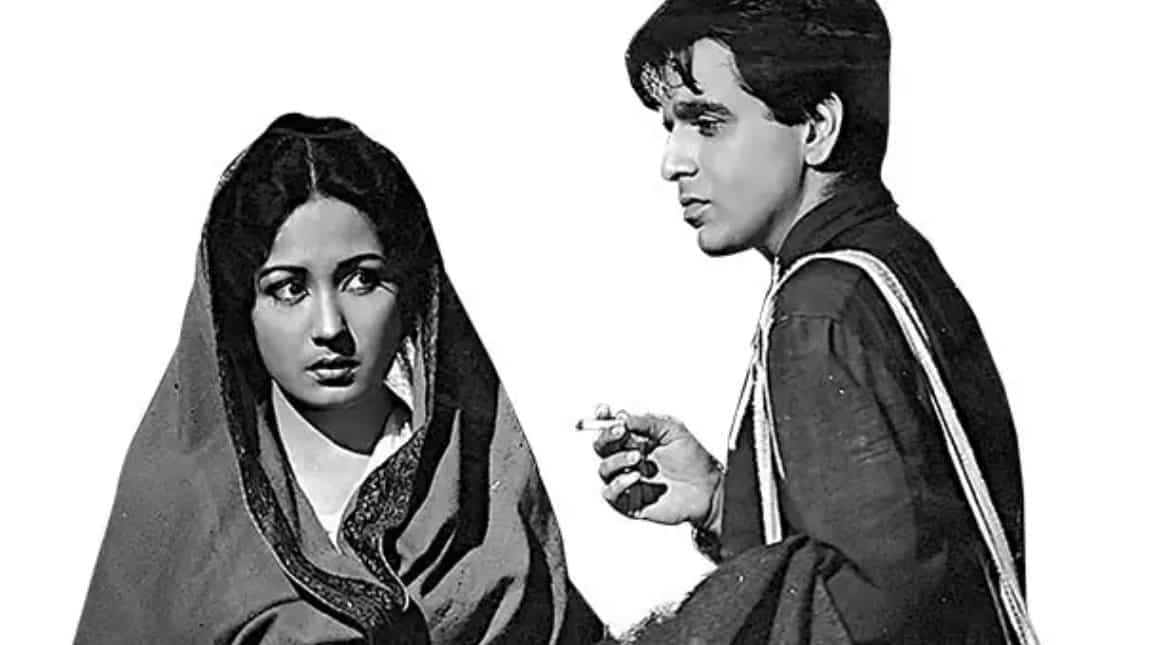
Dilip Kumar and Meena Kumari
This classic pair was famously known as the king and queen of tragedies. They worked in four films together: ‘Foot Path’ (1953), ‘Azaad’ (1955), ‘Yahudi’ (1958) and ‘Kohinoor’ (1960). Contrary to their on-screen image, Dilip Saab and Meena Kumari essayed happy, cheerful roles in ‘Azaad’ and ‘Kohinoor’. Talking about his experience of working with her, he wrote in his book, “I enjoyed the making of Kohinoor also for the camaraderie that grew between Meena Kumari and me after Azaad as we, who were known for our forte with emotional drama and tragedy, came together for another light-hearted film.”
)
)
)
)
)