Artemis II problems: Everything that went wrong before and after launch, including the Outlook trouble

Artemis II witnessed some problems before and after the launch. There were battery overheating issues and a momentary communication dropout after the rocket took off. Here is all that went wrong with Artemis II.
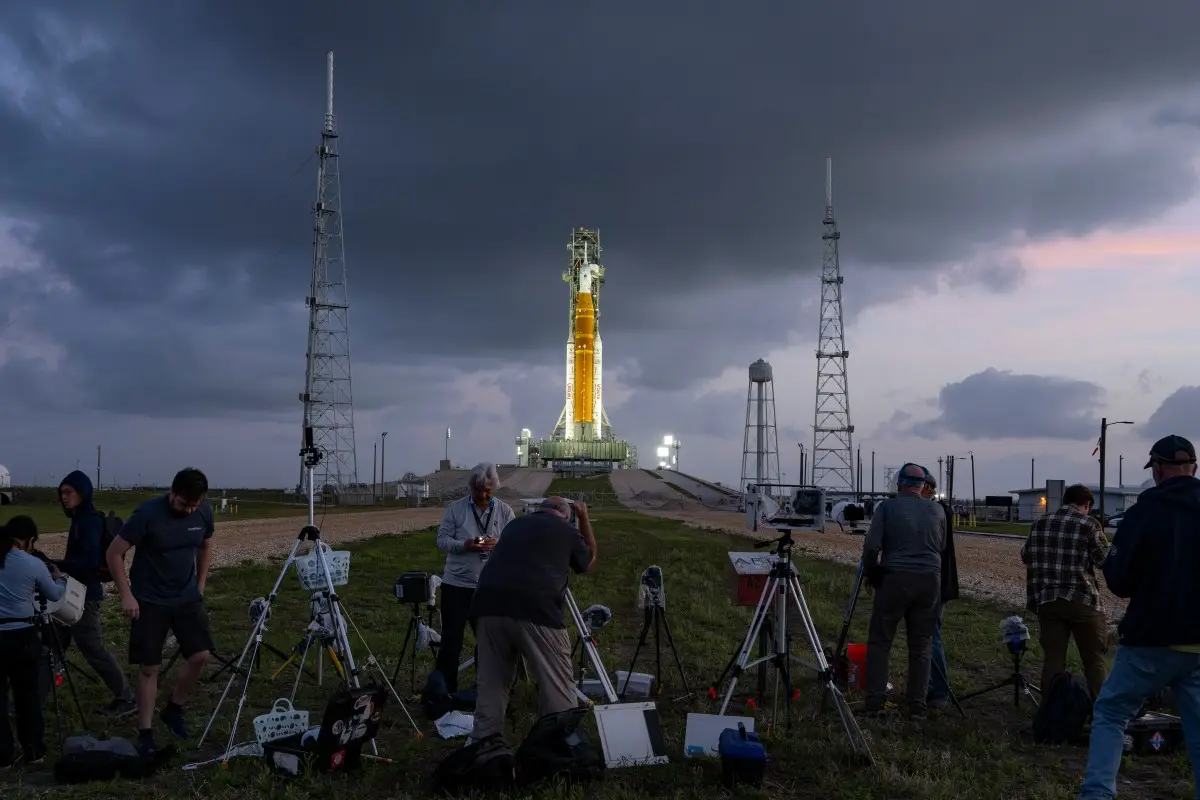
Artemis II problems before and after the launch
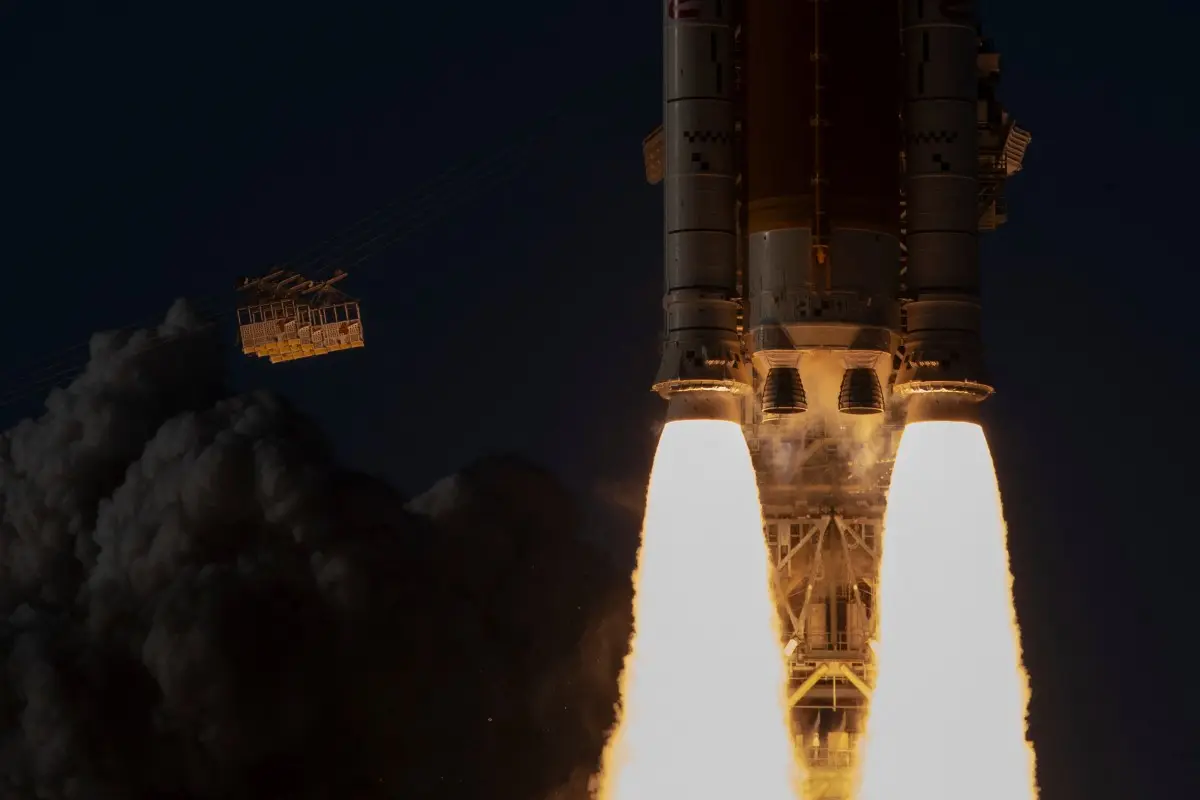
Artemis II faced a few hiccups before and after the launch. There was a communication problem between Eastern Range and the flight termination system. There was also an issue of a temperature spike in one of the two batteries in the Launch Abort System (LAS). There was a momentary scare after the launch when NASA lost communication with the Orion capsule. Here is everything that went wrong even as Artemis II successfully took off for deep space.
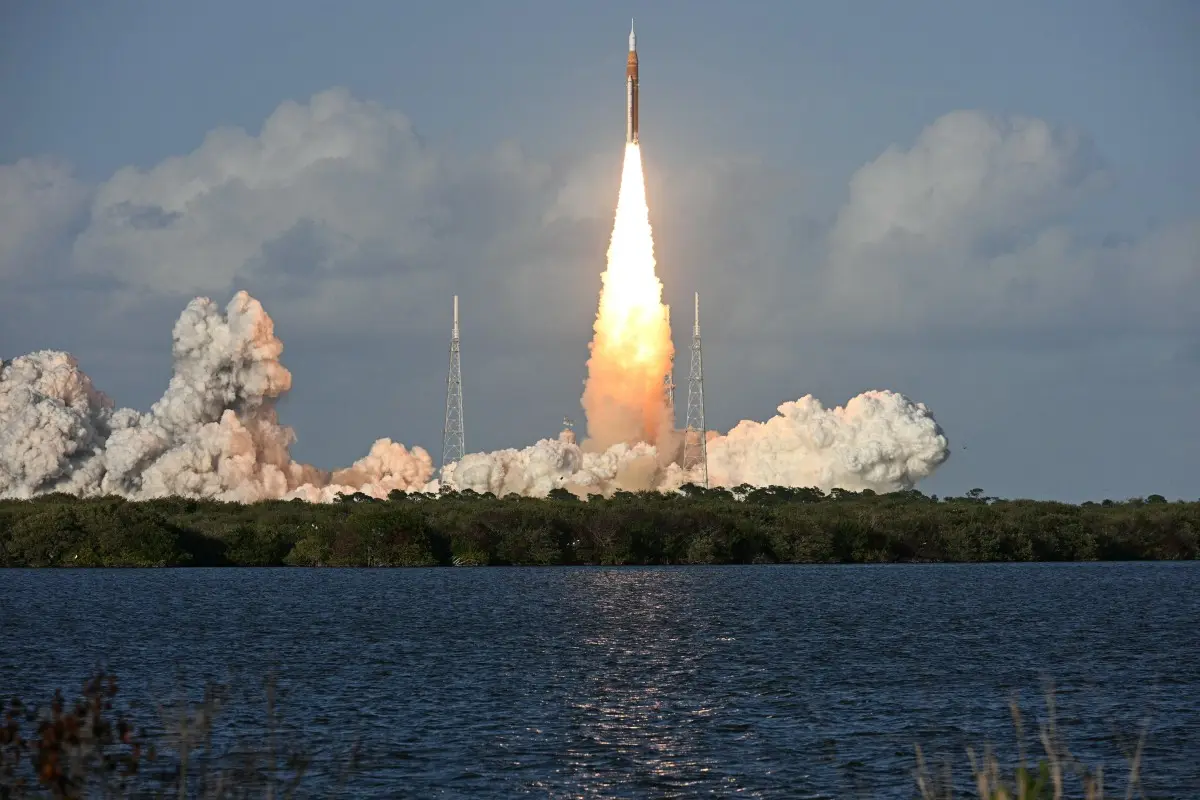
Artemis II: Flight Termination System (FTS) Glitch
The Artemis II lift-off was declared a "NO-GO" because of a problem that occurred around two hours before the launch window opened. A communication issue was identified between the Eastern Range and the rocket’s flight termination system. This is a crucial safety feature as it allows engineers on the ground to send a signal to destruct the rocket if it changes course during ascent. The problem was fixed after a launch controller went to the Vehicle Assembly Building to retrieve shuttle-era heritage equipment, which helped resolve the command link.
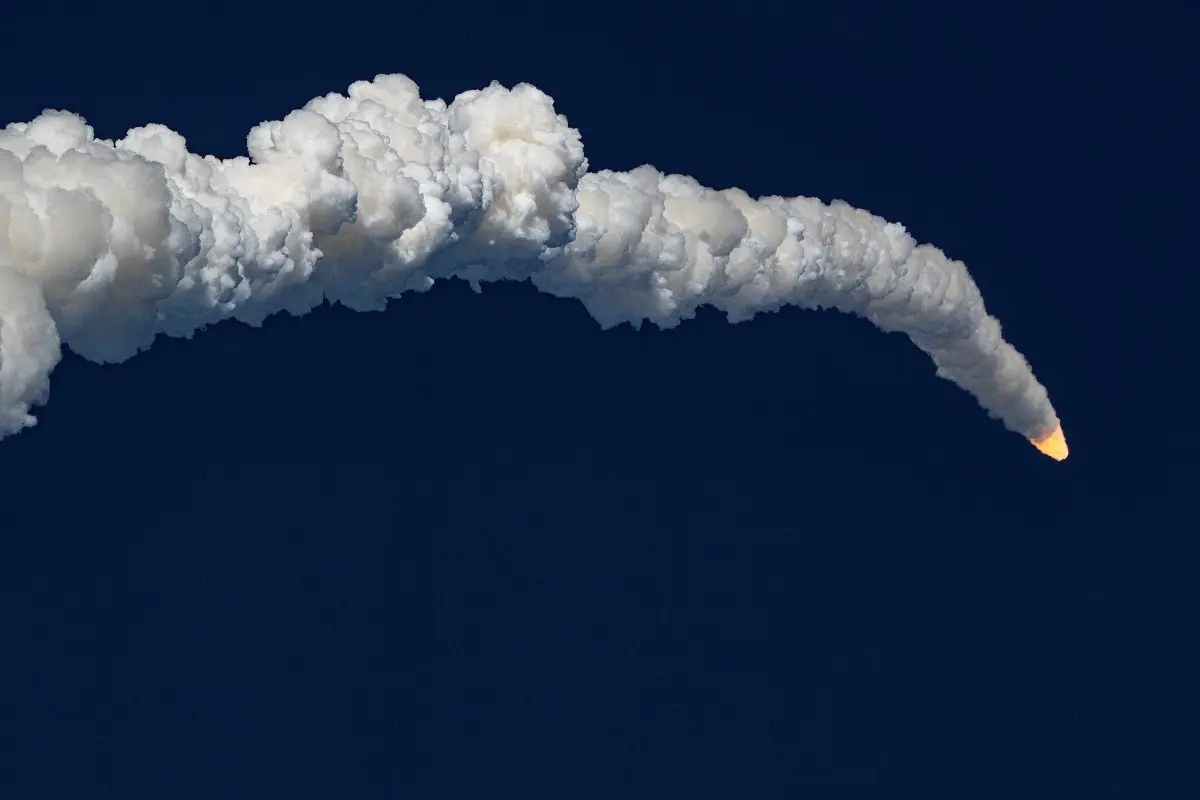
Artemis II: Battery Temperature Spike
The Artemis II launch team had to tackle a battery issue in the Launch Abort System. One of two batteries in the Launch Abort System (LAS) had a higher-than-expected temperature. Engineers worked for around an hour to identify the problem and fix it, which was determined to be a faulty sensor (instrumentation issue) rather than a physical battery failure.
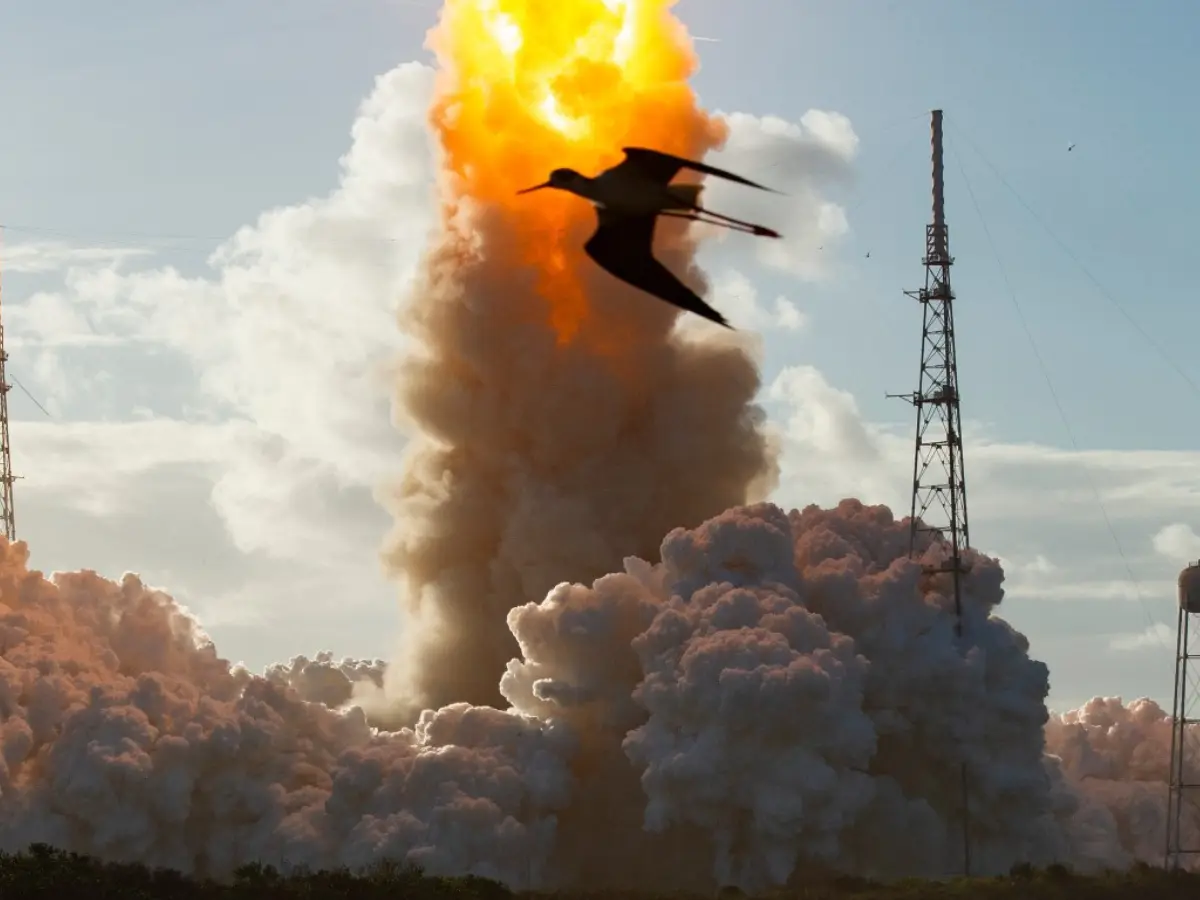
Artemis II: Communication Dropout
Around 50 minutes into the flight, NASA reported a temporary loss of communication with the Orion capsule. NASA Administrator Jared Isaacman said during a news conference Wednesday night that the issue was quickly resolved. The reason for the disruption is still being identified.
Artemis II: Toilet problem
Following the Artemis II launch, the crew was supposed to set up the toilet inside the capsule. However, they faced some problems. NASA Associate Administrator Amit Kshatriya said they were dealing with a "controller issue" with the toilet. Mission specialist Christina Koch had to troubleshoot the issue and did so successfully. "Happy to report that the toilet is go for use," mission control said. "We do recommend letting the system get to operating speed before donating fluid".

Artemis II astronauts face Microsoft Outlook problem in space
Artemis II astronauts were faced with a Microsoft Outlook hours after launching into space. Reid Wiseman, the mission’s commander, told mission control that “there are two Microsoft Outlooks and ”neither one of those are working".

Artemis II astronauts see moonrise, manually steer Orion
There was also plenty of good news after the launch. The Artemis II astronauts experienced a moonrise from space. The crew also manually took control of the Orion capsule as a test to ensure certain features for future missions. This would be necessary to dock with a lunar lander.
When will Artemis II spacecraft Orion reach the Moon?
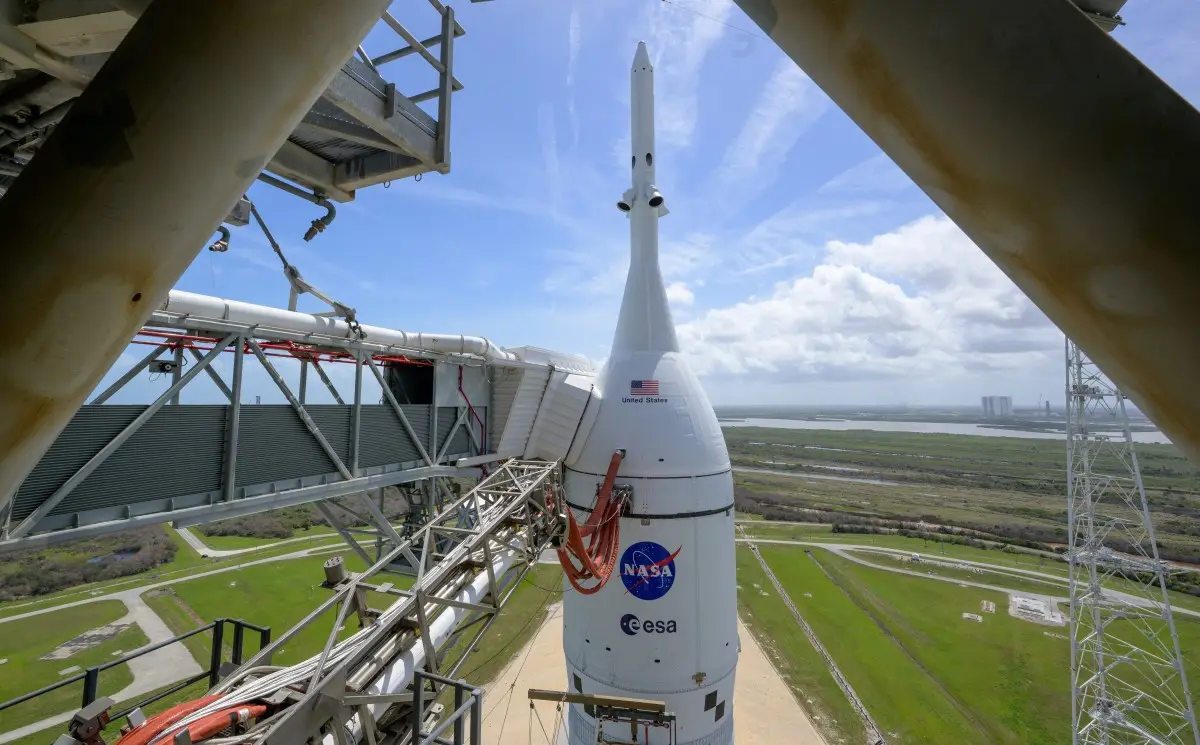
Orion is on a 10-day mission to the Moon during which astronauts will test safety and life-support systems. They will take nearly four days to reach the Moon and will be there by April 6. The trajectory will see them go beyond the far side of the Moon and slingshot back using its gravity. They will splash down in the Pacific on April 10.
)
)
)
)
)