Artemis II: NASA's mission to take astronauts around the Moon

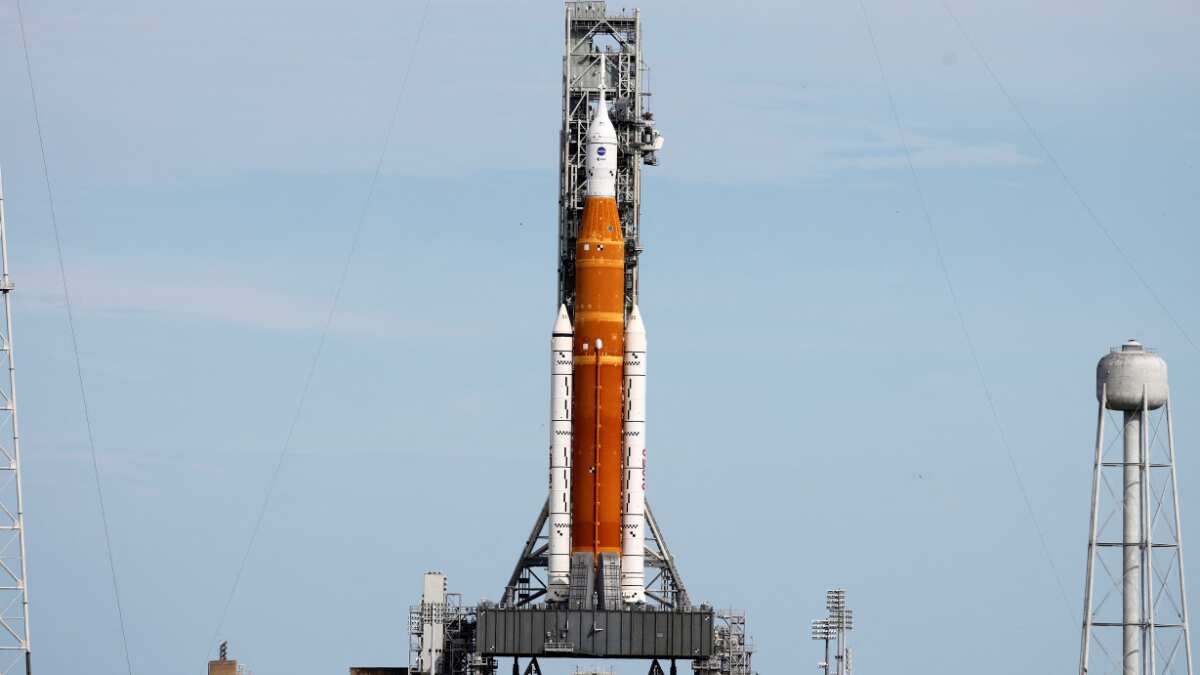
Astronauts to fly around the Moon!
National Aeronautics and Space Administration (NASA)'s Artemis II mission is scheduled to take place in November 2024 with the four-person crew circling the Moon but not landing on it, they will venture around the Moon on Artemis II.
On April 3, NASA will reveal the names of the astronauts who will fly around the Moon next year, a prelude to returning humans to the lunar surface.
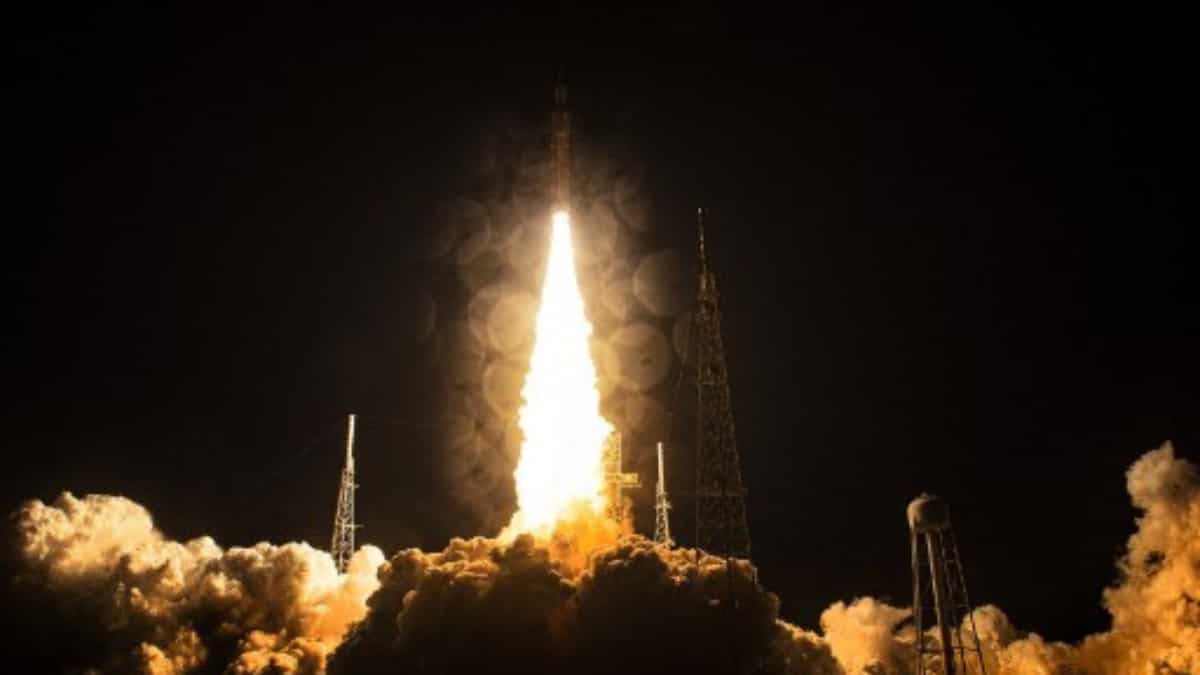
NASA's Artemis programme
The Artemis Moon exploration programme is led by NASA along with European Space Agency, Japan Aerospace Exploration Agency, and Canadian Space Agency.
With the Artemis programme, NASA aims to send astronauts to the Moon in 2025—more than five decades after the historic Apollo missions ended in 1972.
What do we know about Artemis II?
Artemis II is the first crewed flight test on NASA's ambitious path to establishing a long-term scientific and human presence on the lunar surface.
As per NASA, the mission is scheduled to take place in November 2024 as the astronauts will travel aboard NASA's Orion spacecraft and launch on the Space Launch System rocket.

Purpose of the mission
NASA informed that the 10-day Artemis II mission will test the pace agency's powerful Space Launch System rocket as well as the life-support systems aboard the Orion spacecraft.
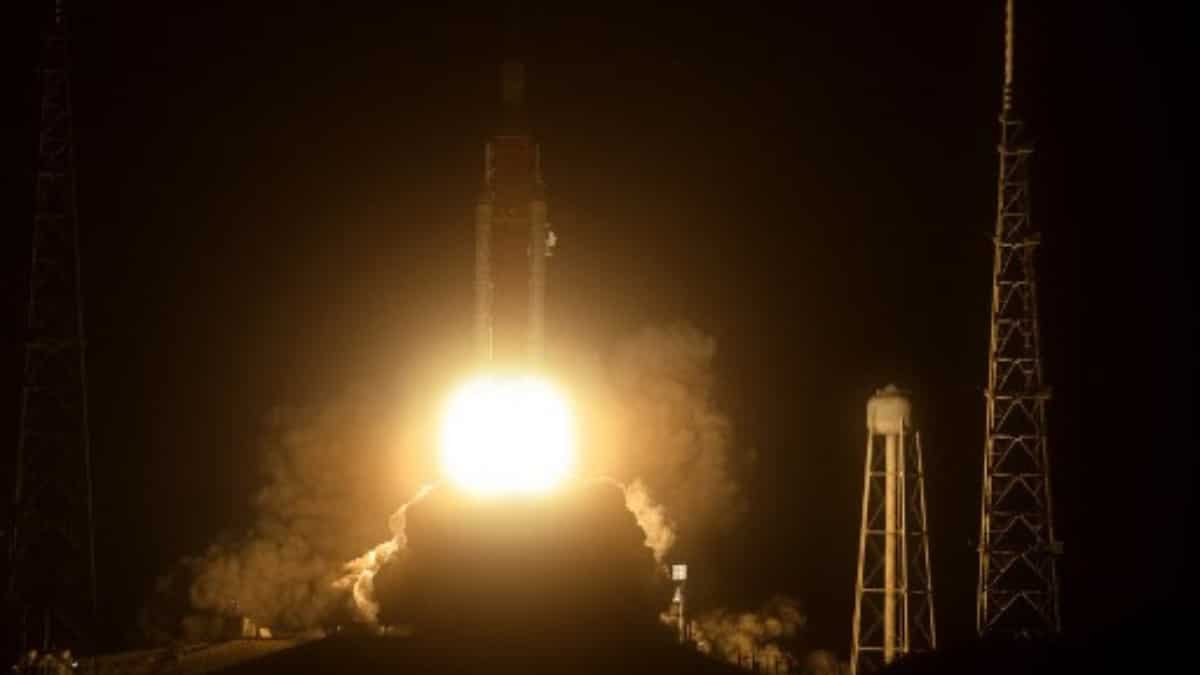
The first Artemis mission wrapped up in December with an uncrewed Orion capsule returning safely to Earth after a 25-day journey around the Moon.
During the trip around Earth's orbiting satellite and back, Orion logged well over a million miles (1.6 million kilometers) and went farther from Earth than any previous habitable spacecraft.
Inclusivity in the mission
The Artemis missions are also inclusive as NASA will land the first woman and first person of colour on the Moon. The US-based will also use innovative technologies to explore more of the lunar surface than ever before.
NASA said that it will collaborate with commercial and international partners and establish the first long-term presence on the Moon.
Also, it will use the learnings gained from on and around the Moon to take the next giant leap: sending the first astronauts to Mars.
NASA said that it hopes to establish a lasting human presence on the lunar surface and eventually launch a voyage to Mars.
The US space agency said that besides putting the first woman and first person of colour on the Moon.
)
)
)
)
)