'NASA's Artemis II ready for launch': Humanity’s bold leap back to the Moon after 50 years

NASA's Artemis II mission is ready for a historic lunar flyby. With fuel issues resolved, four elite astronauts prepare to travel further into deep space than ever before, marking a new era of lunar exploration and diversity.
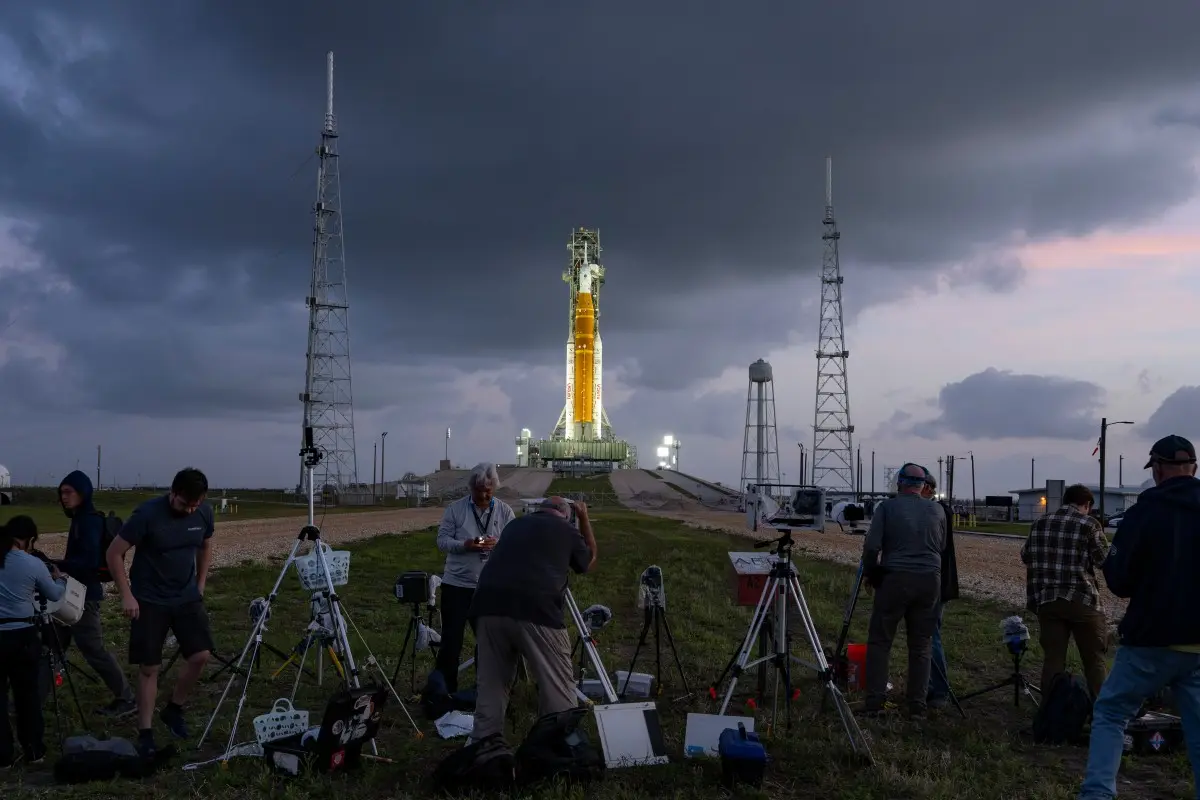
A Historic Return
For the first time since the Apollo 17 mission in 1972, humans are finally heading back to the lunar vicinity, signaling a massive leap for deep-space exploration.
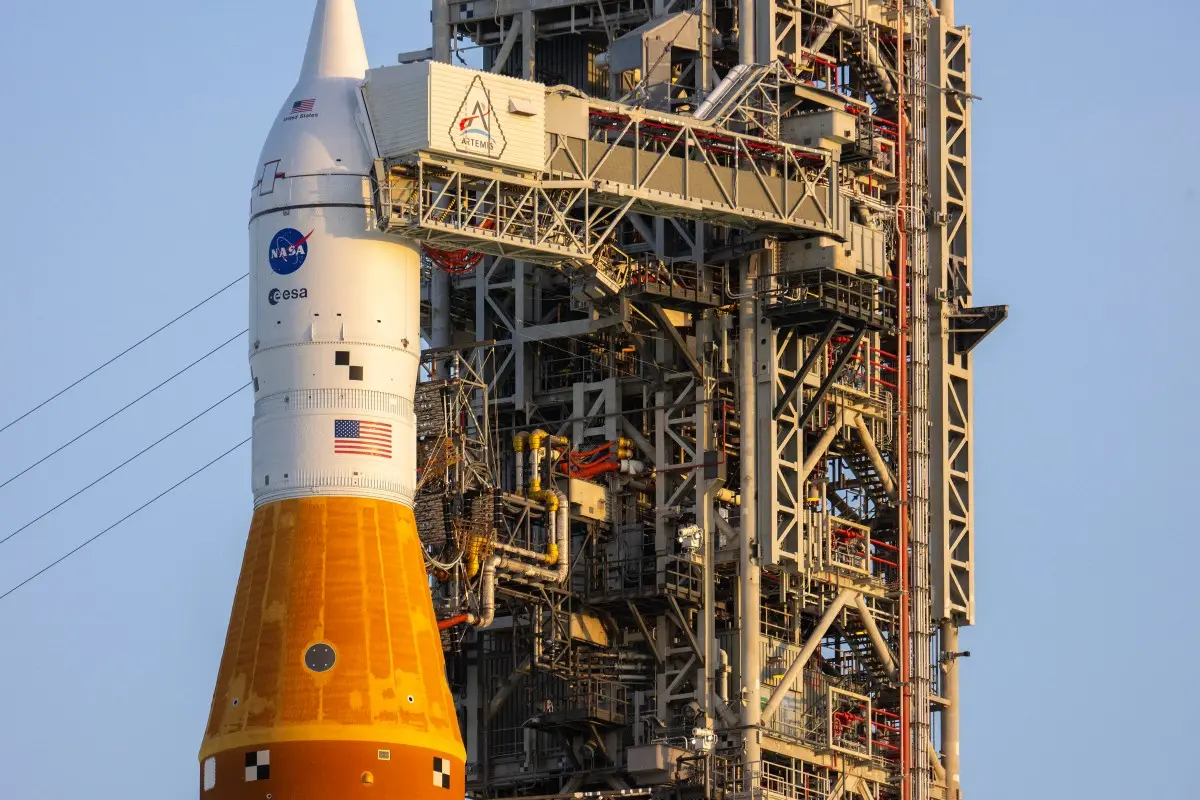
Technical Hurdles Cleared
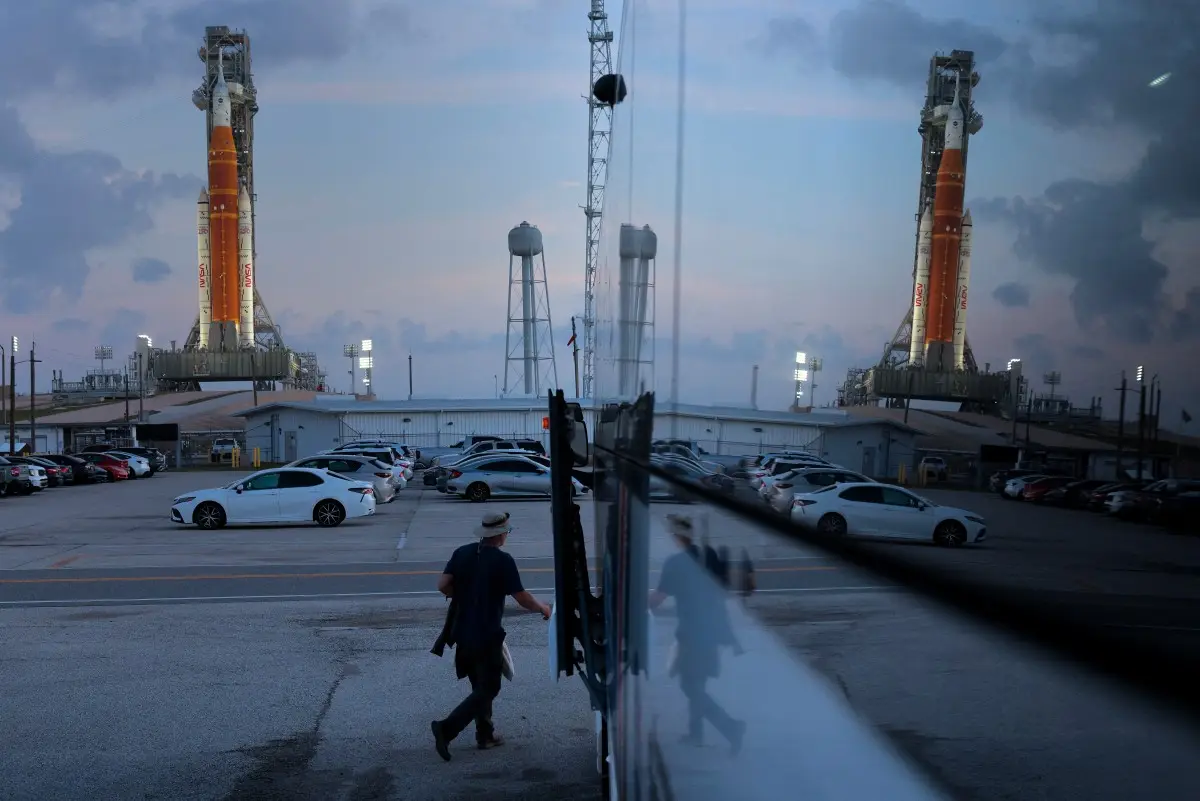
After battling persistent hydrogen fuel leaks and helium line blockages, NASA engineers have finalized repairs to ensure the 32-story rocket is flight-ready.
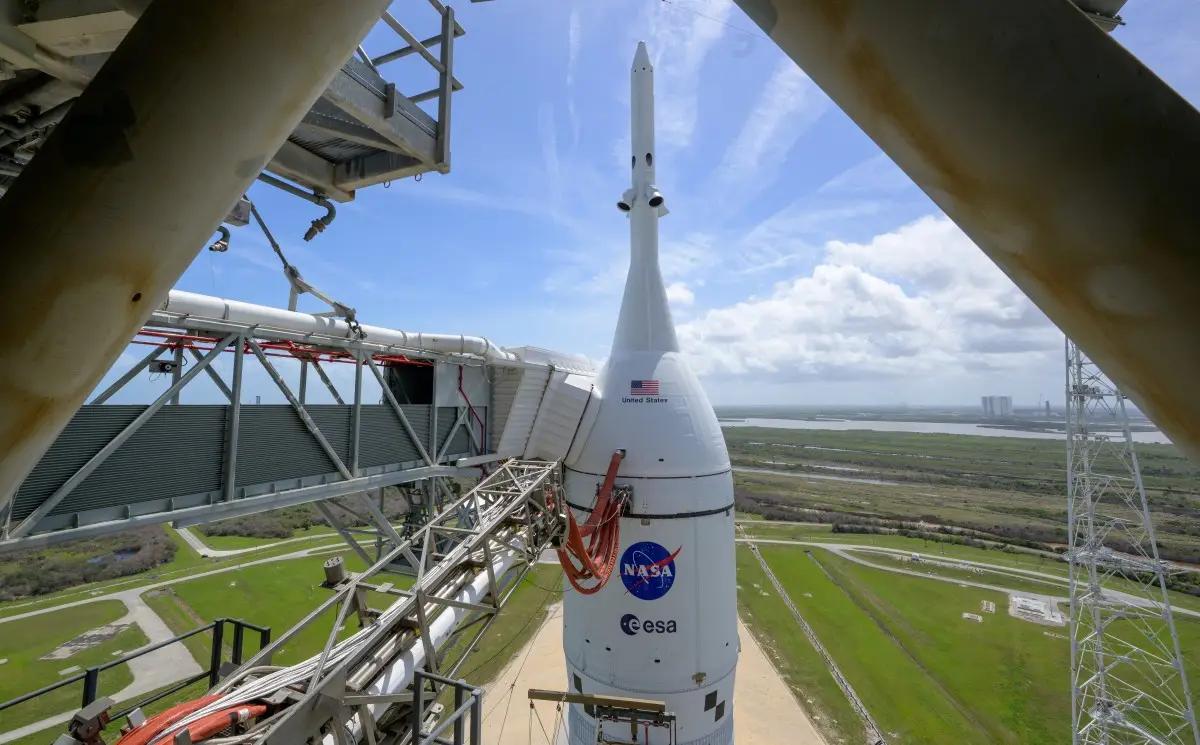
Record-Breaking Distance
Due to the Moon's specific orbital alignment this April, the crew is set to travel further away from Earth than the legendary Apollo 13 mission ever did.
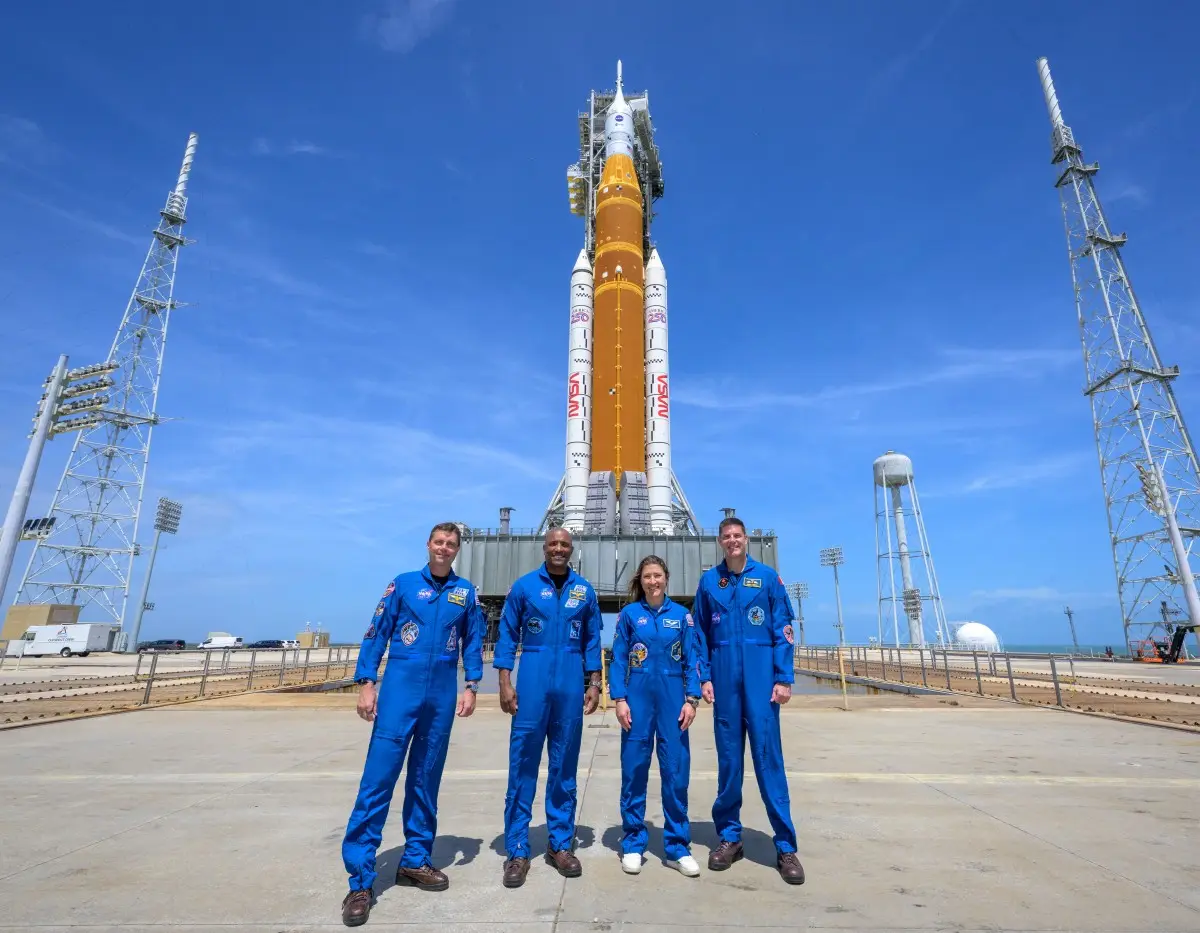
Breaking Barriers
The mission represents a milestone for inclusivity, featuring the first woman, the first person of color, and the first non-American to ever journey to the Moon.
The Ten-Day Odyssey
The crew will undergo a high-speed 10-day journey that involves zipping around the lunar surface without landing before making a high-stakes return to Earth.
Favorable Launch Conditions
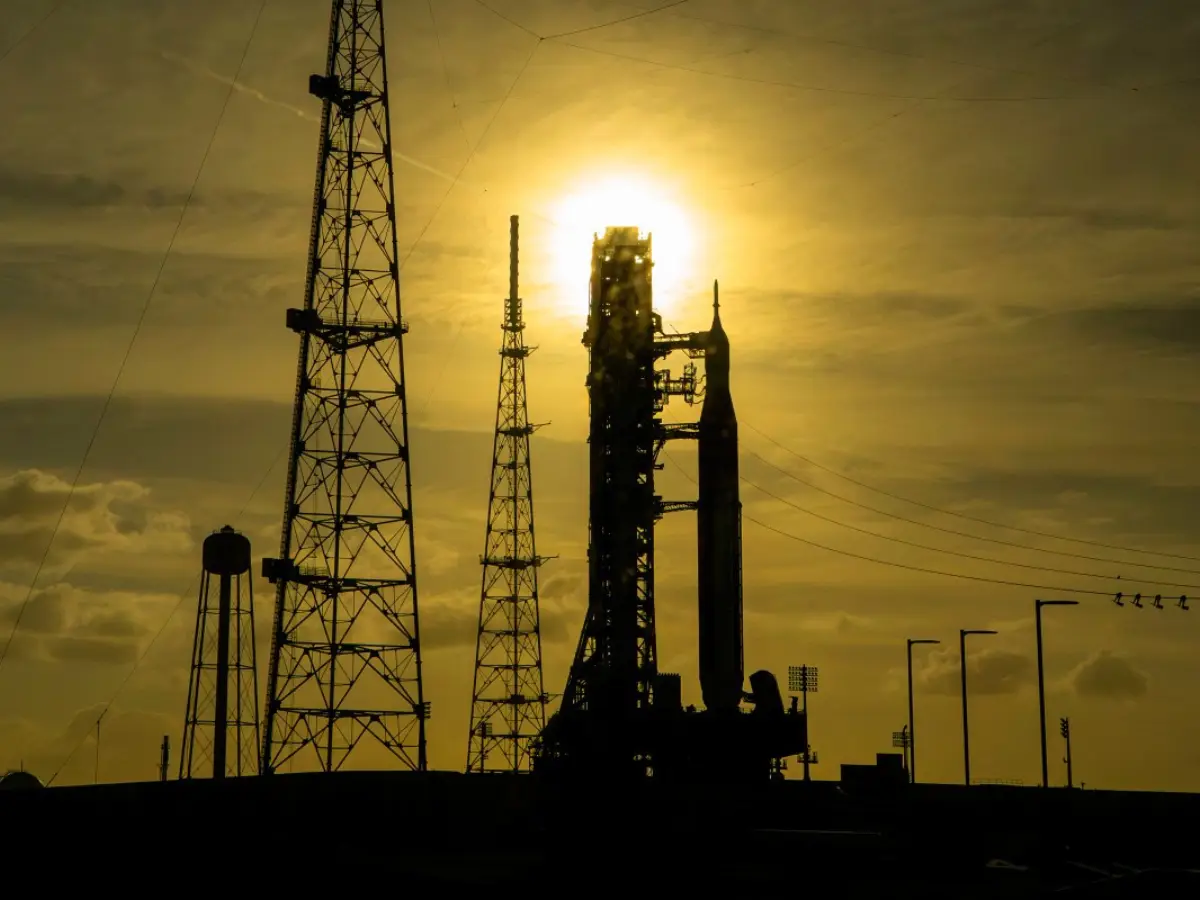
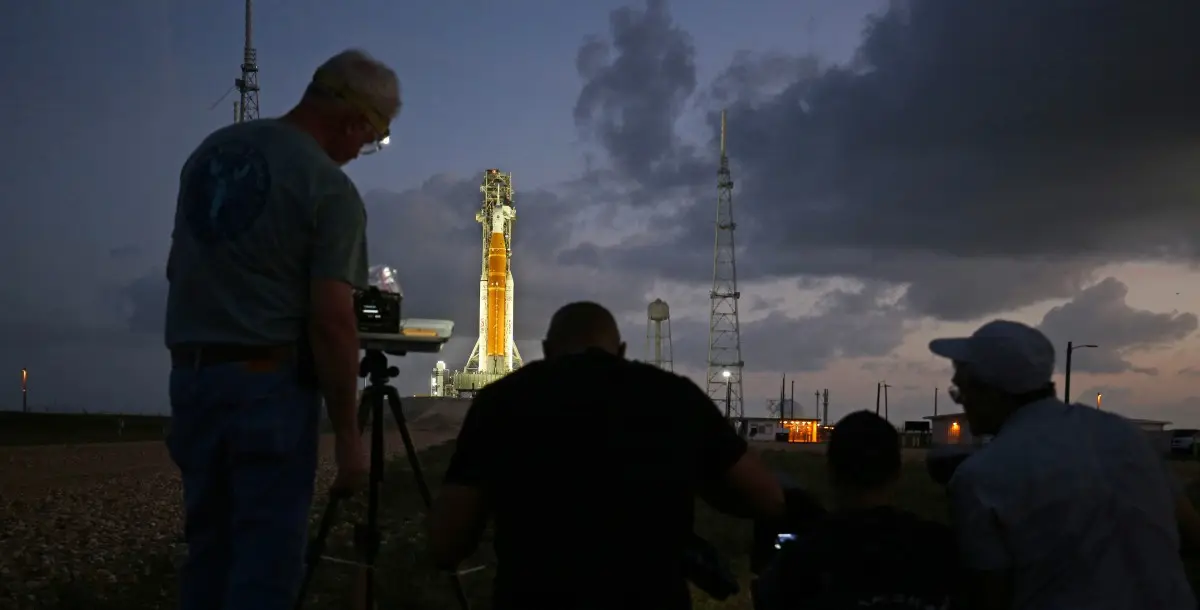
Meteorologists are currently projecting an 80% chance of ideal weather, providing a clear window for the Space Launch System rocket's evening departure.
International Collaboration
The mission highlights a global effort, combining the expertise of NASA astronauts with the Canadian Space Agency to push the boundaries of human reach.
)
)
)
)
)