Artemis II astronauts and the toll of gravity: Immediate health challenges they face on Earth

Artemis II astronauts can feel several physical problems after landing on Earth. Microgravity changes a few things in the human body since weightlessness causes changes in blood movement, and certain parts have no role to play in space.
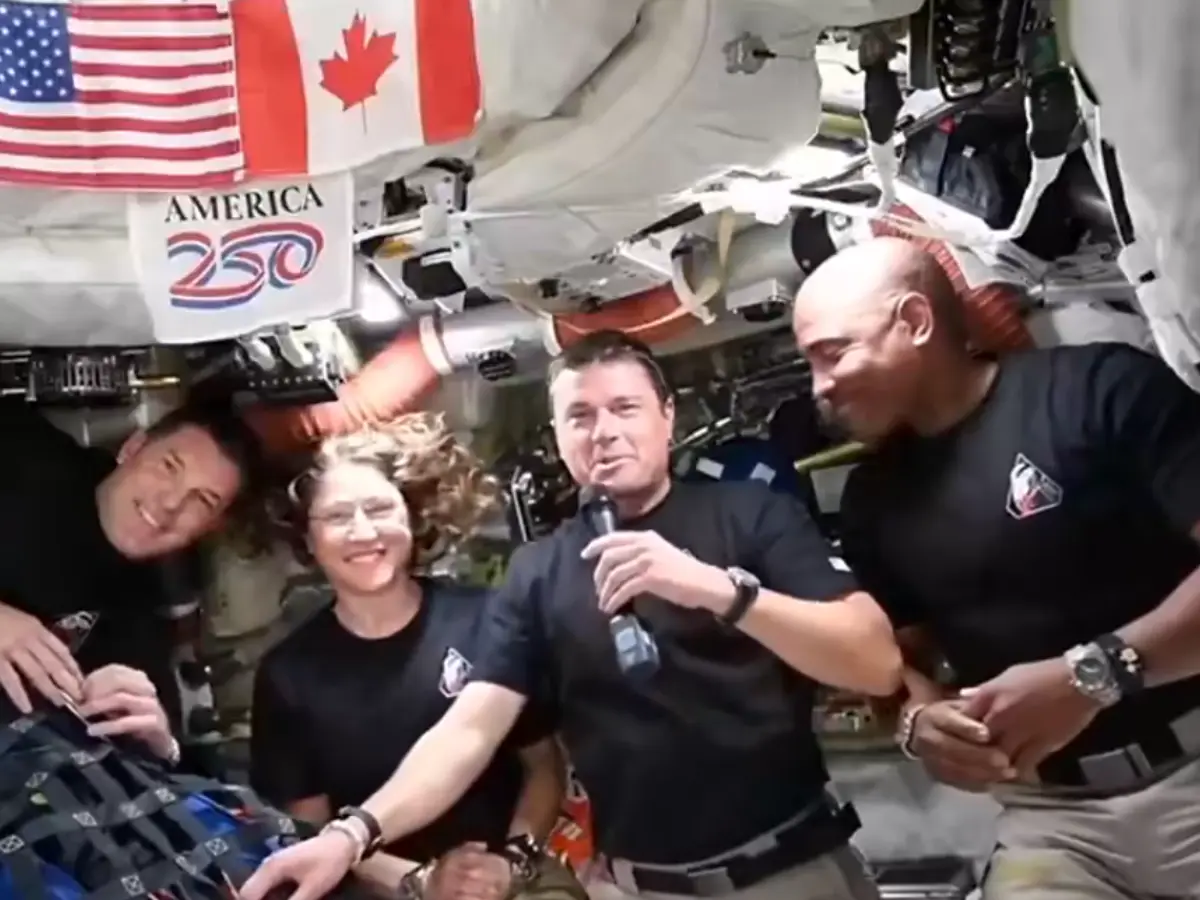
Artemis II astronauts will face several physical issues upon return
Artemis II astronauts will face a tough time adjusting to Earth after returning from their historic mission. For one, the return journey itself is going to be dangerous as they need to survive being inside a fireball as Orion tumbles through the planet's atmosphere. Once they safely splash down, another phase of struggles will begin.
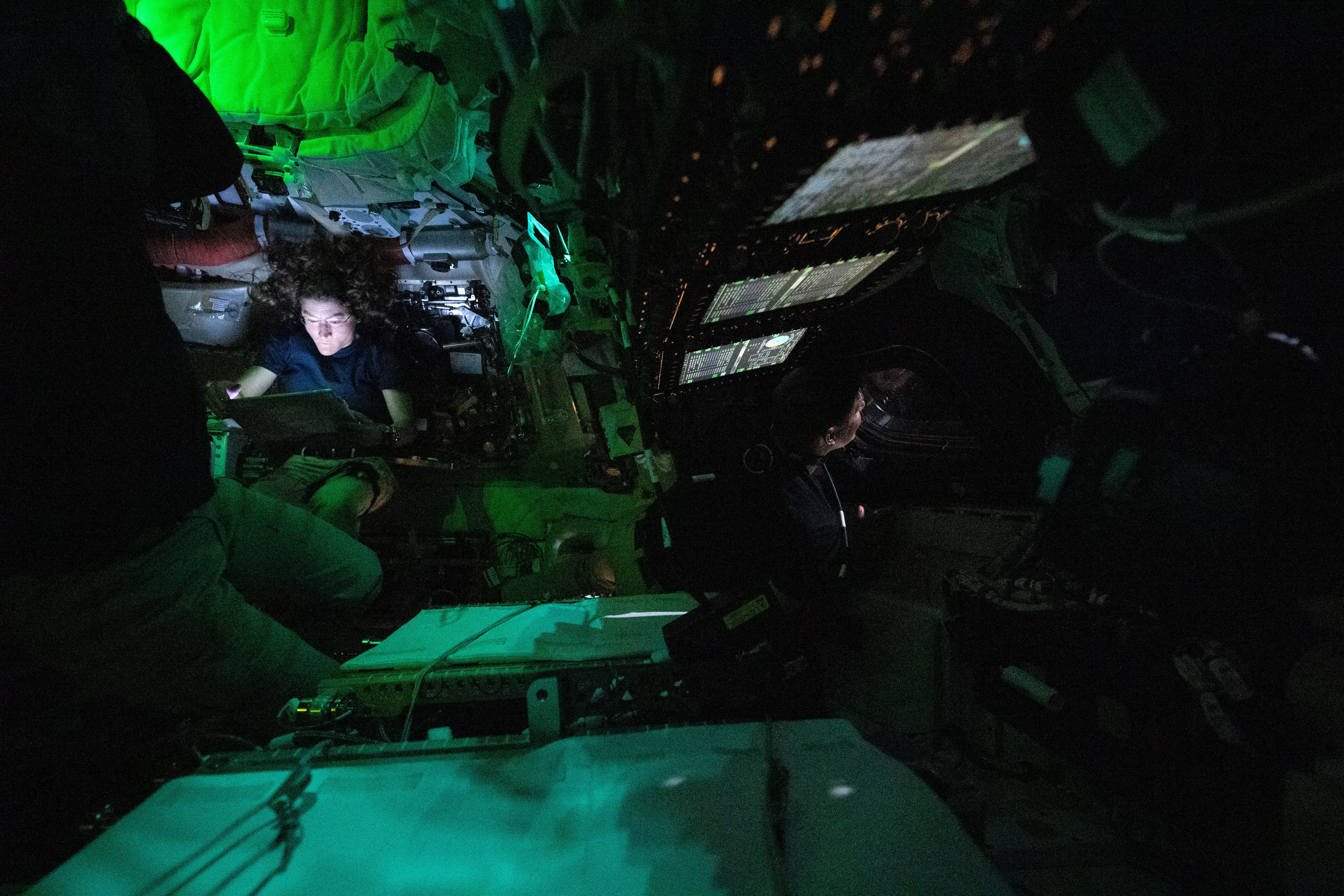
Microgravity changes the human body
The problems mainly arise from being in microgravity for several days. It is a state of weightlessness caused by continuous free-fall in a place where gravitational forces are significantly reduced. During what NASA calls the "re-adaptation" phase, astronauts can experience a host of problems which begin right after the spacecraft lands.
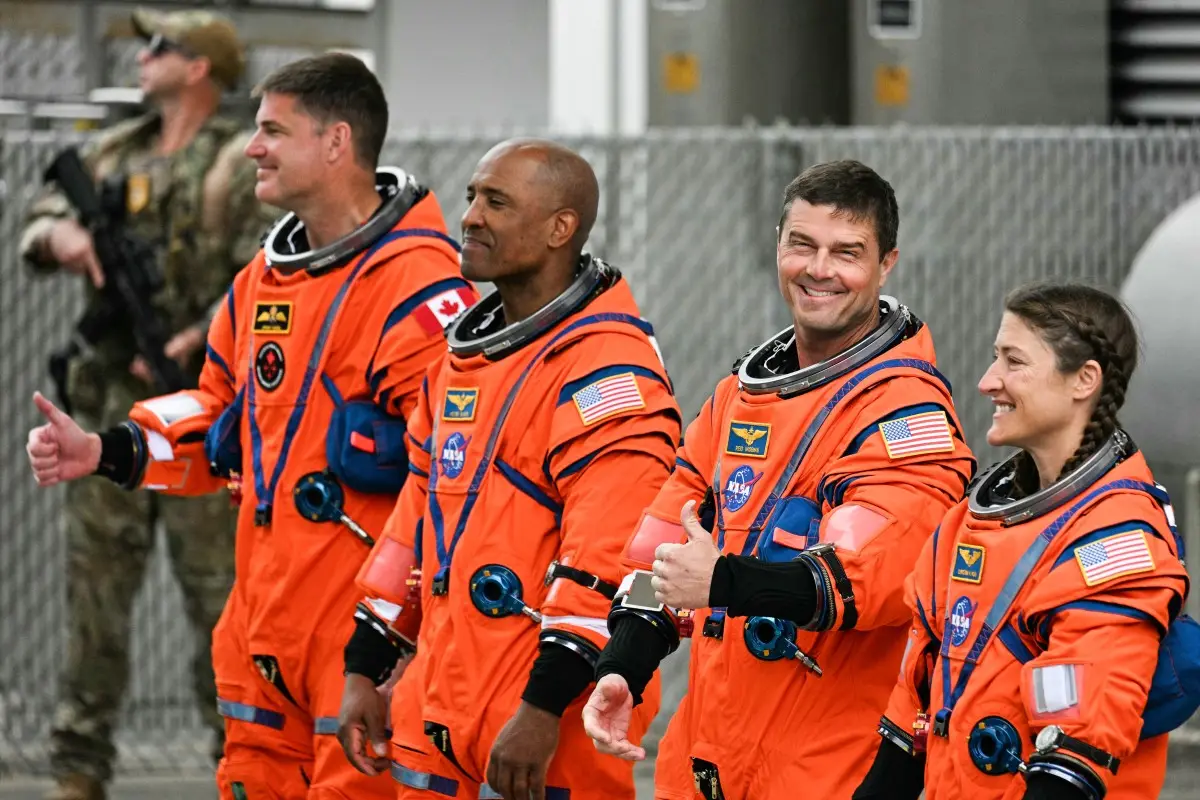
Artemis II astronauts can feel dizzy
During the first two hours after splashdown, astronauts need help exiting the capsule because they are highly likely to fall. They can faint and experience dizziness. The Department of War takes up the job of retrieving them from the spacecraft safely. The staff will fit the Orion with a special stabilising collar to keep it upright in case the sea is turbulent. The crew will put on "Astronaut Recovery Vests" and board the HSC-23 helicopters to go to a medical bay for health check-ups.
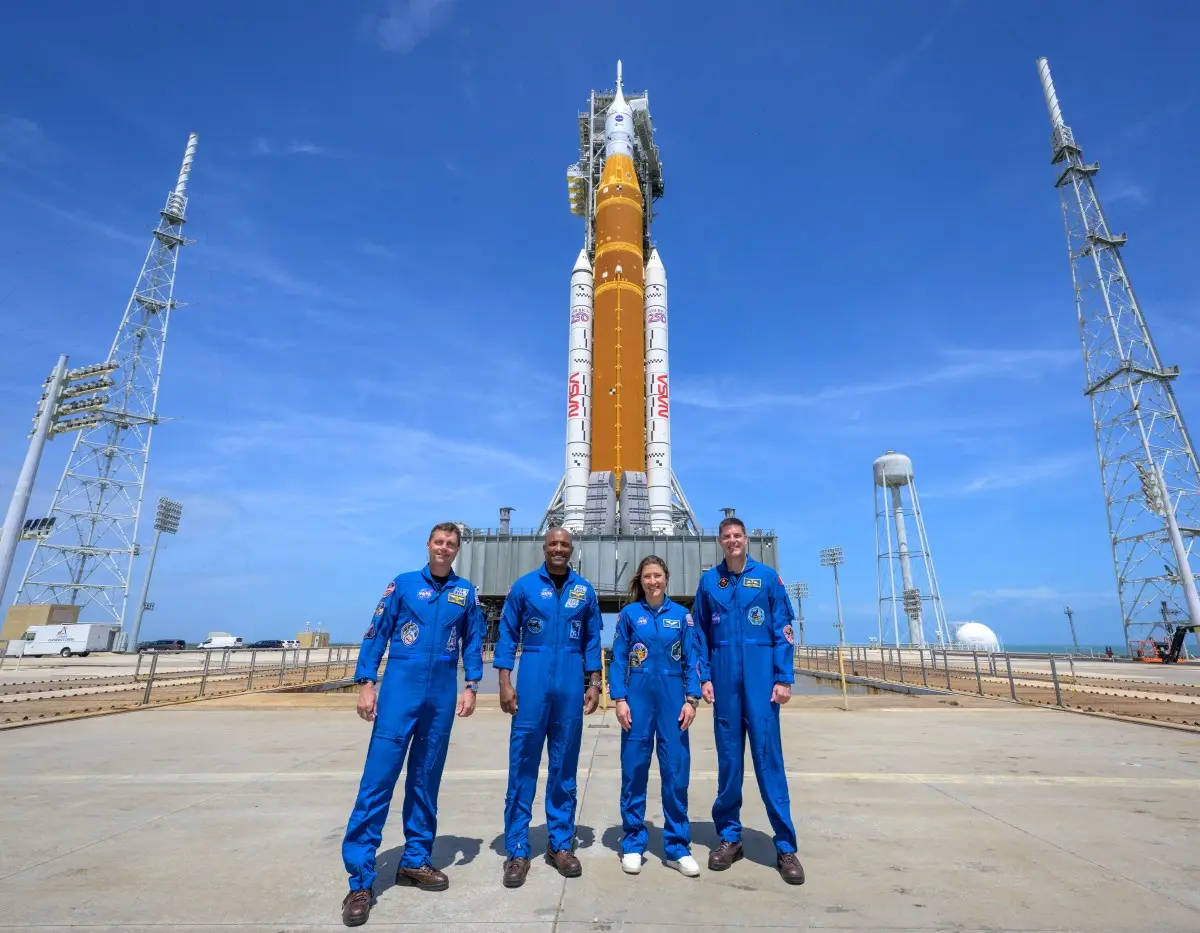
Imbalance due to inner ear and neck pain
The inner ear, or the vestibular system, which governs balance, becomes "calibrated" to weightlessness in space. After returning to Earth, astronauts often experience imbalance while trying to walk straight. They can feel like they are being pulled to one side. SpaceX Crew-7 mission crew members reported in 2024 that they struggled to walk with their eyes closed and then open. They felt wobbly, and their necks were tired from holding their heads up all the time.
Nausea, loss of sense of where their limbs are
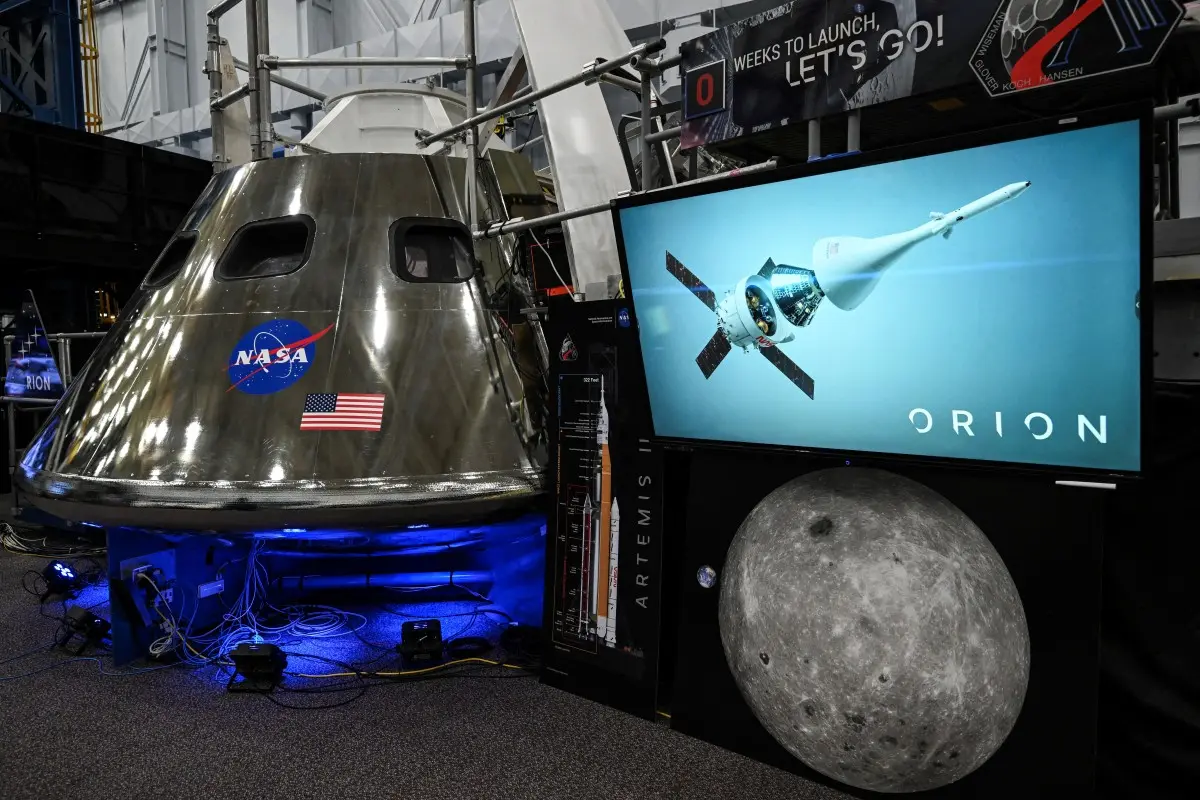
They also get nauseous and get motion sickness after landing since the brain is overwhelmed by signals from the inner ear that it has ignored for the duration of the mission. They also lose the sense of where their limbs are since the brain has not been relying on gravity to feel their weight. Crew-7 members said that every time they looked down, their heads started spinning.
Shift in blood movement in the body
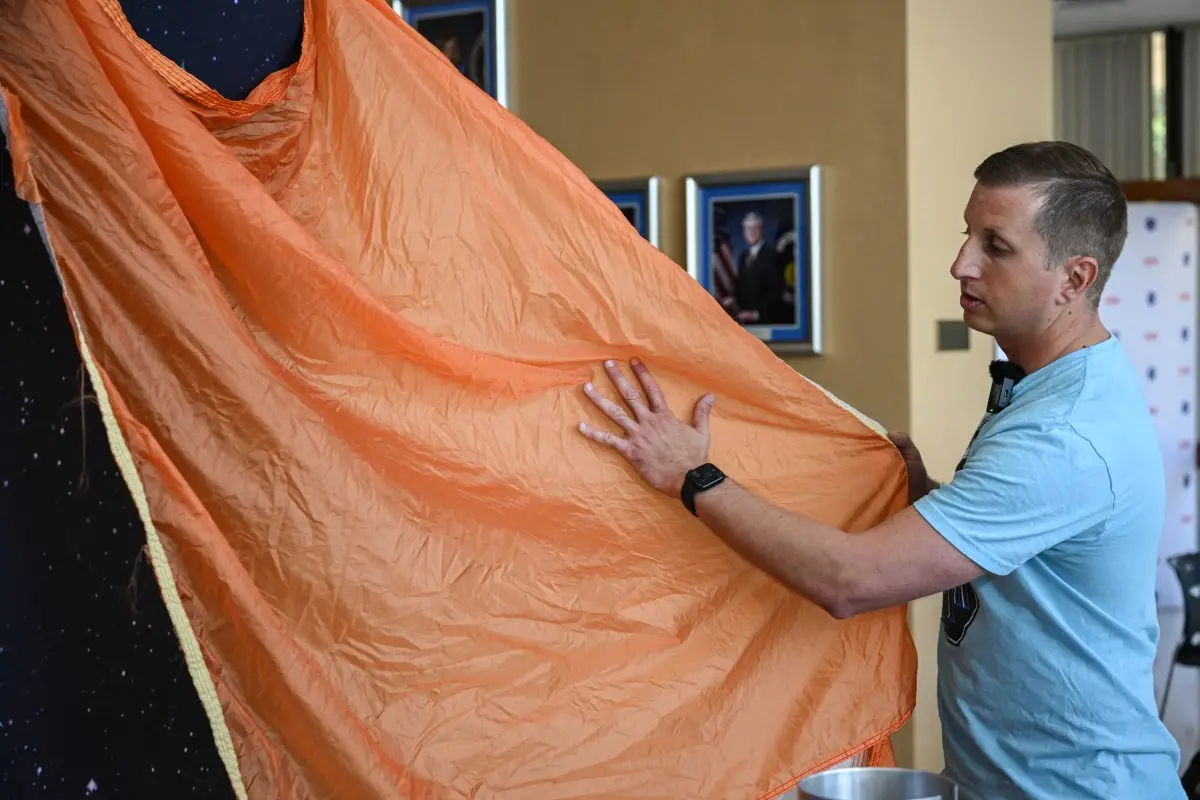
In space, blood shifts to the upper body, and the body compensates by reducing total blood volume. After returning to gravity, the blood quickly pools in the legs. Since the body has less blood and most of it is now in the legs, the heart struggles to pump enough oxygen to the brain. This creates the risk of fainting. The Artemis II crew will be given G-suits to tackle this problem as they squeeze their legs and abdomen to force blood upward.
Loss of muscle mass and increasing heaviness
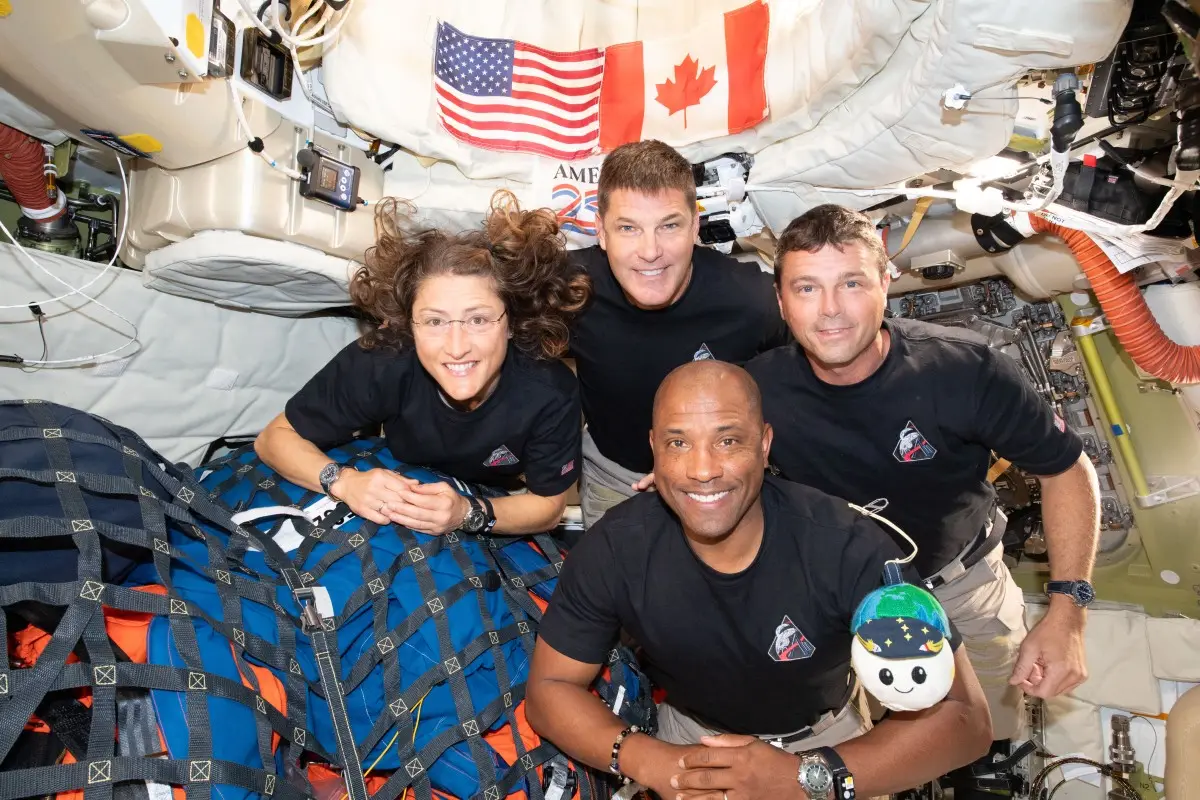
Muscle mass in astronauts can be reduced by 20%, and they could lose up to 2% of their bone density after being for nearly 30 days in space. This happens because their bodies don't need skeletal support in the microgravity environment. Upon return, every limb feels incredibly heavy, and the "postural muscles" in the back and calves, which haven't had to support the body's weight, can become sore and fatigued as soon as they try to stand.
)
)
)
)
)