Artemis 2 Launch Alert: Scientists warn of grave danger facing NASA astronauts

NASA's upcoming Artemis 2 mission faces urgent safety concerns over its Orion capsule heat shield. Experts warn the 2022 unma
Imminent Launch of the Artemis 2 Mission
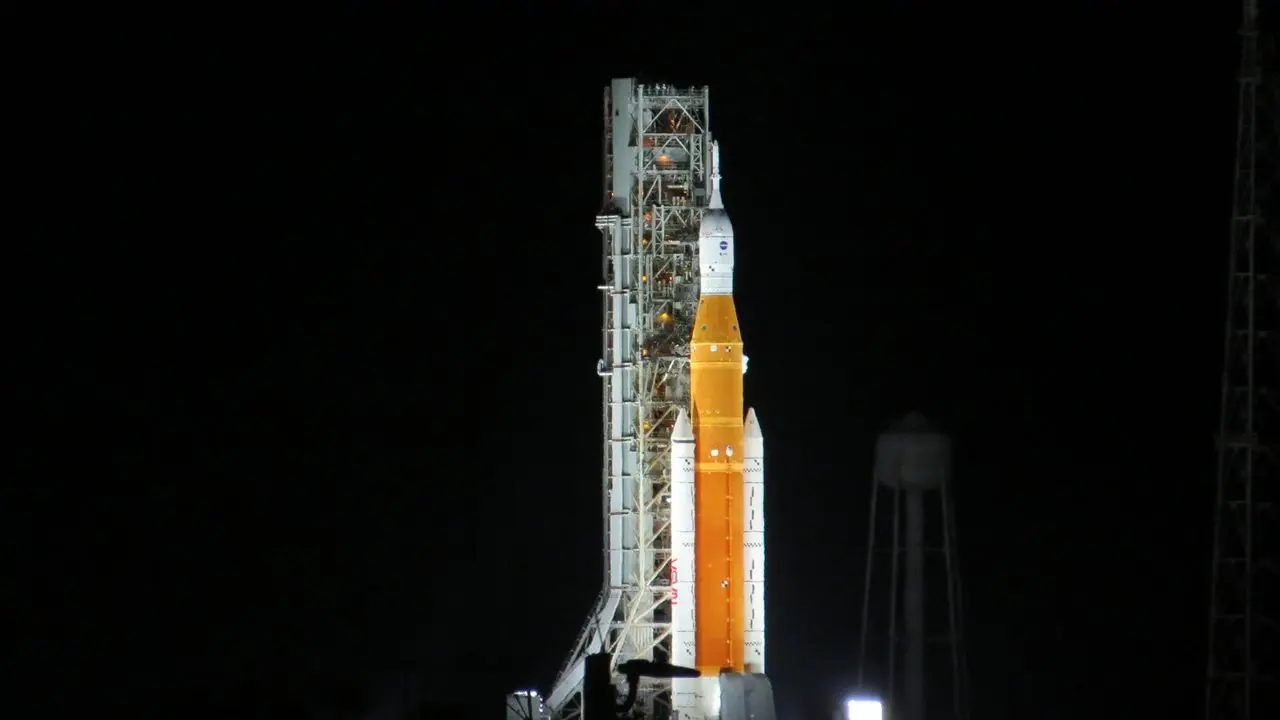
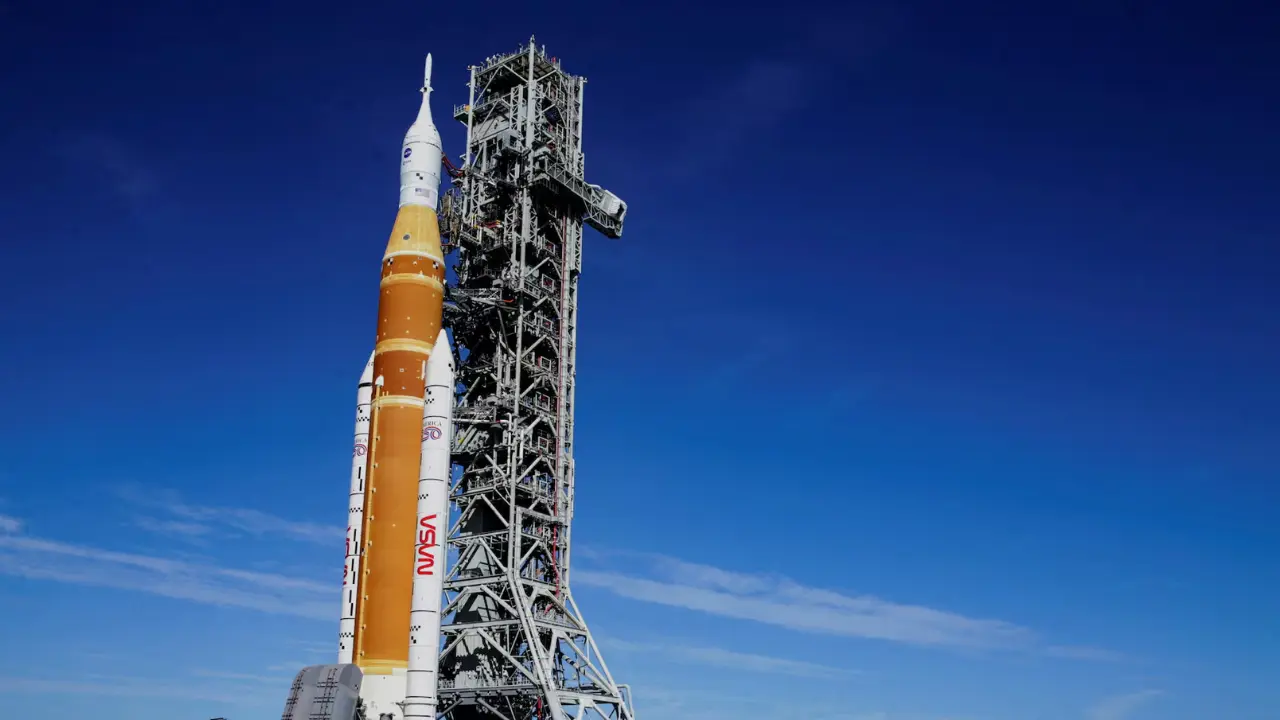
NASA's highly anticipated Artemis 2 moon mission is scheduled to begin as early as April 1. A four-person crew, consisting of Reid Wiseman, Victor Glover, Christina Koch, and Jeremy Hansen, is set to embark on a 10-day journey. The astronauts will be traveling within a compact 11-foot by 16.5-foot Orion capsule, which will be propelled into space by the agency's Space Launch System rocket.
Severe Heat Shield Safety Concerns
Scientific experts are raising urgent alarms regarding the Orion capsule's heat shield as the launch approaches. Ed Macaulay, a Physics and Data Science lecturer at Queen Mary University of London, highlighted that the spacecraft will encounter perilous thermal levels upon atmospheric re-entry. The four astronauts will have to rely entirely on a thin layer of resin-coated silica to protect them from heat reaching nearly half the temperature of the Sun's surface.
Historical Damage from Artemis I Test
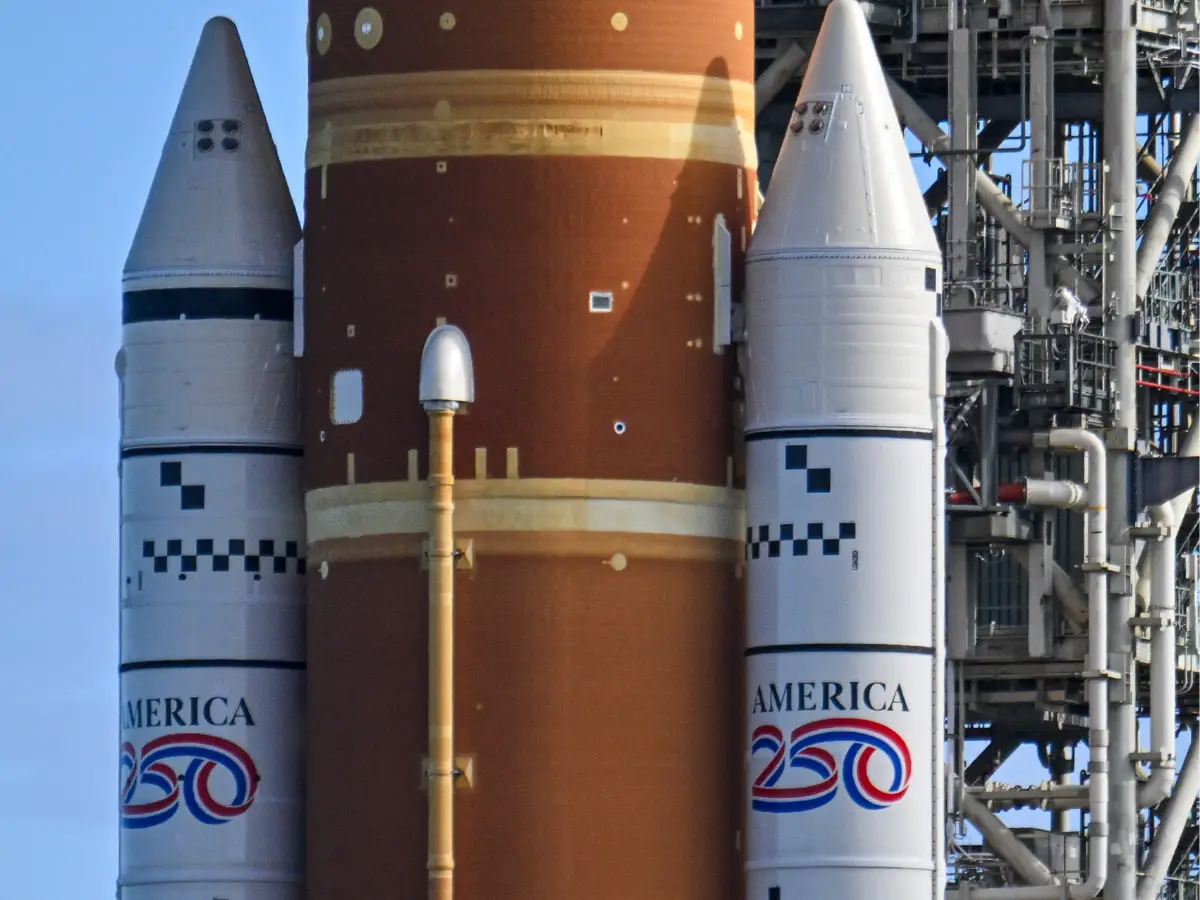
The current anxieties stem from the unexpected damage the Orion heat shield sustained during the unmanned Artemis I test flight in 2022. Rather than the Avcoat material safely and uniformly burning away to dissipate the extreme heat as designed, large, uneven portions of the shield broke off. NASA found that this damage significantly exceeded their initial expectations and returned a cracked capsule.
The Root Cause of the Ablation Issue
Investigations into the 2022 Artemis I incident revealed a specific flaw in the heat shield's material properties. It was determined that the Avcoat layer lacked the necessary permeability. Consequently, gases built up within internal pockets during the capsule's return, leading to substantial fragments of the protective barrier detaching during the intense re-entry phase.
Criticisms from Former NASA Personnel
The uneven ablation and resulting unpredictability of the thermal loads have drawn sharp criticism. Dr. Danny Olivas, a former NASA astronaut involved in investigating the heat shield anomaly, expressed serious reservations about utilizing the compromised design for a crewed flight. He previously stated to CNN that the current iteration of the heat shield is certainly not the protective gear the space agency would prefer to supply to its crew.
NASA's Strategic Re-Entry Adjustments
Despite the documented flaws and expert warnings, NASA has chosen to proceed with the existing heat shield design for the Artemis 2 mission. However, to mitigate the risks, the agency has altered the capsule's return trajectory. Instead of employing a standard skipping method where the spacecraft bounces on the atmosphere before final descent, the crew will utilize a more direct re-entry model to minimize the duration of exposure to extreme heat and reduce gas buildup.

Increased Physical Toll on the Astronauts
While the modified direct re-entry trajectory aims to safeguard the heat shield from critical failure, it introduces a different challenge for the Artemis 2 crew. Dr. Macaulay noted that avoiding the skipping maneuver will subject the astronauts to significantly higher levels of deceleration forces as they re-enter the Earth's atmosphere. Ultimately, the crew's safe return hinges on the calculated risks and meticulous adjustments made by NASA's engineering teams.
)
)
)
)
)