Arrow-3 vs Cluster bombs: How Israel's defence system stops these missiles before they split into dozens of killers

It can detect, track and engage short-, medium- and intermediate-range threats, including those carrying unconventional warheads, in both standalone and networked modes.
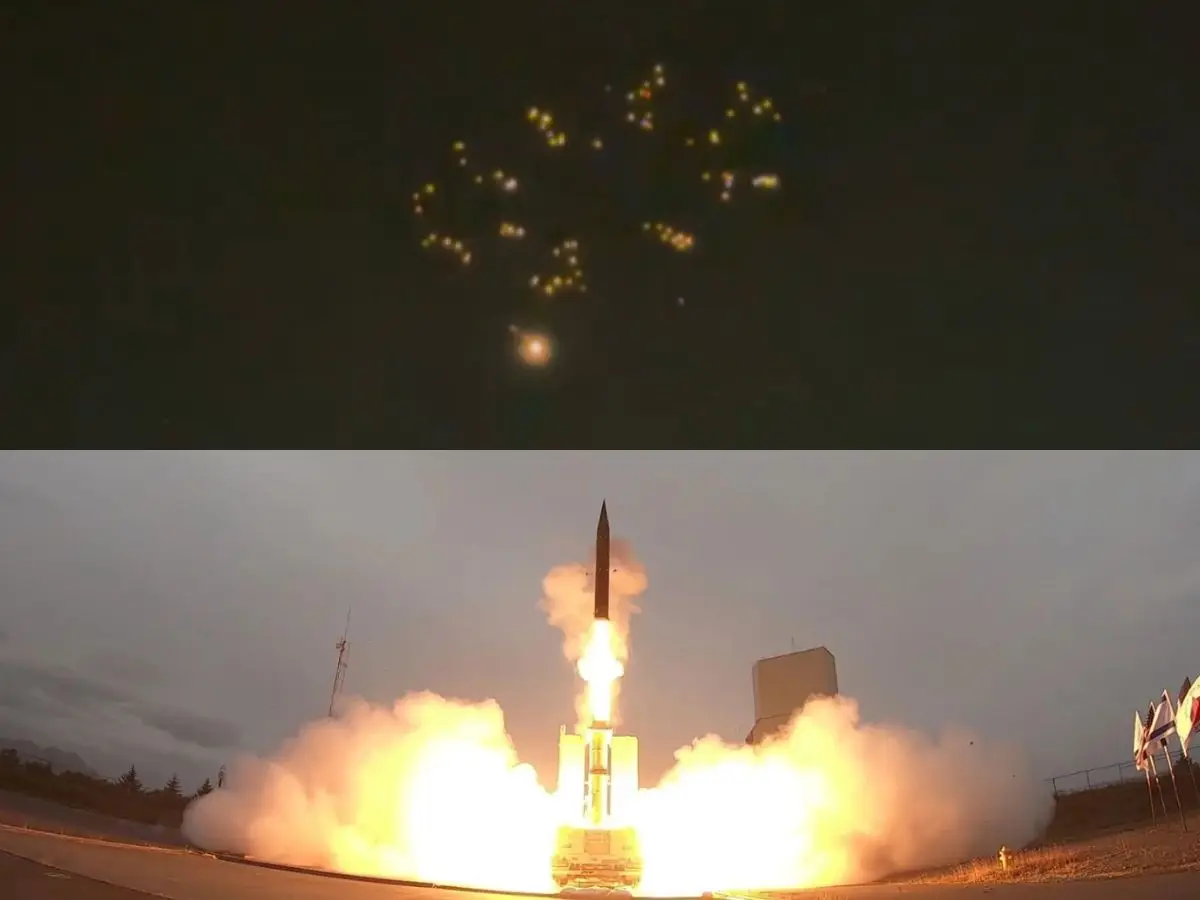
A Changing Threat in Missile Warfare
Israel says Iran has increasingly deployed cluster warheads on ballistic missiles, adding a new layer of complexity to air defence. According to the Israel Defense Forces, nearly half of incoming projectiles carry such payloads. Unlike conventional warheads, these are designed to fragment mid-air, multiplying the threat across a wide area rather than striking a single target.
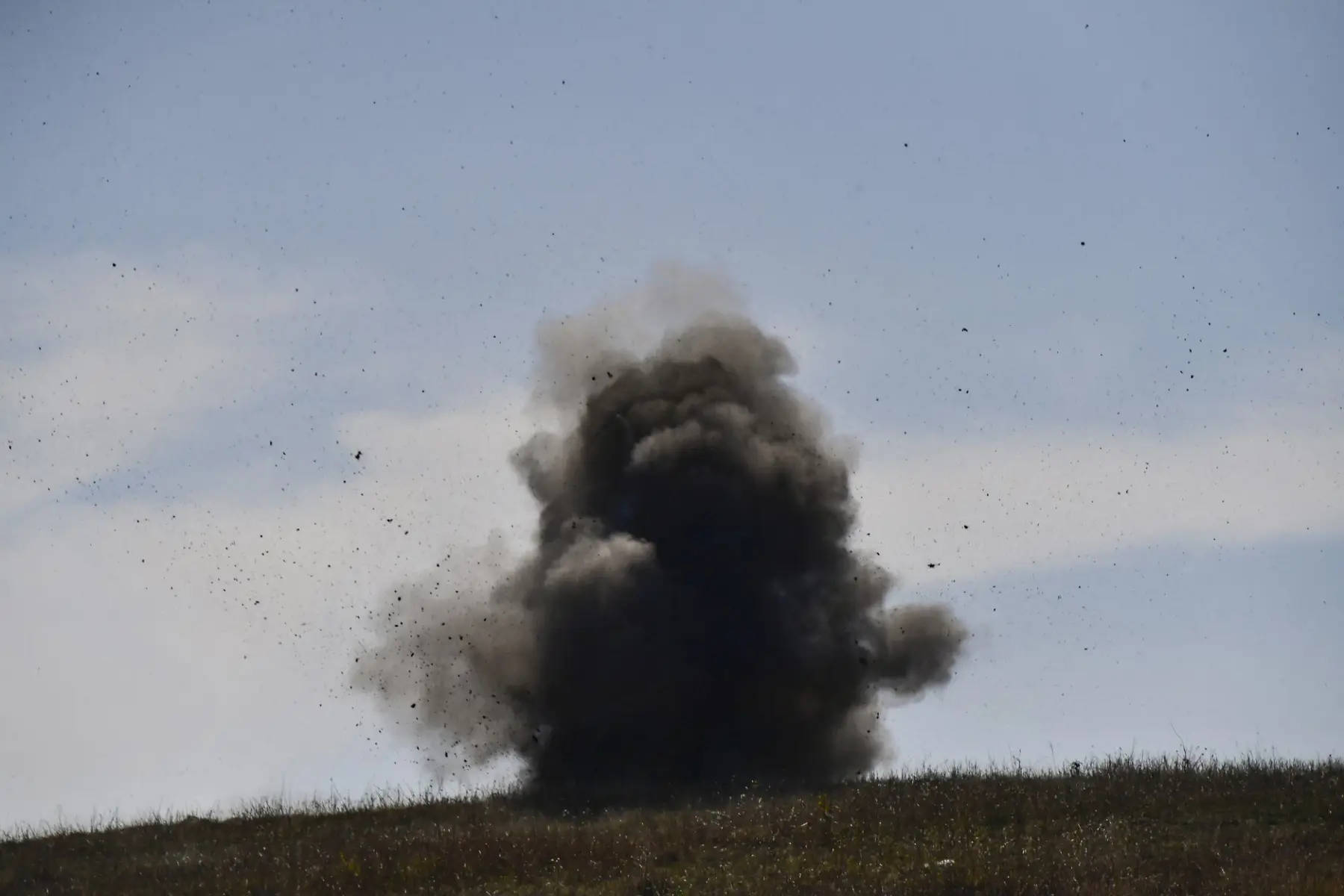
What Makes Cluster Warheads So Difficult
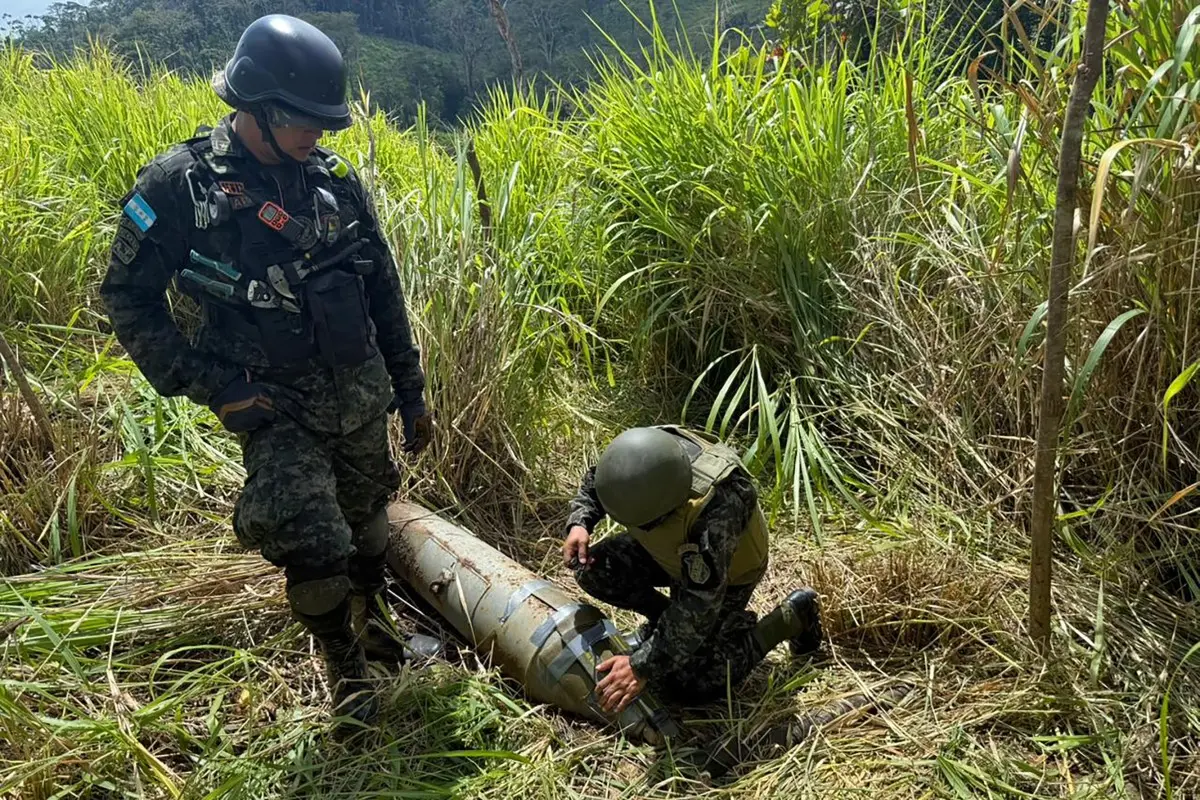
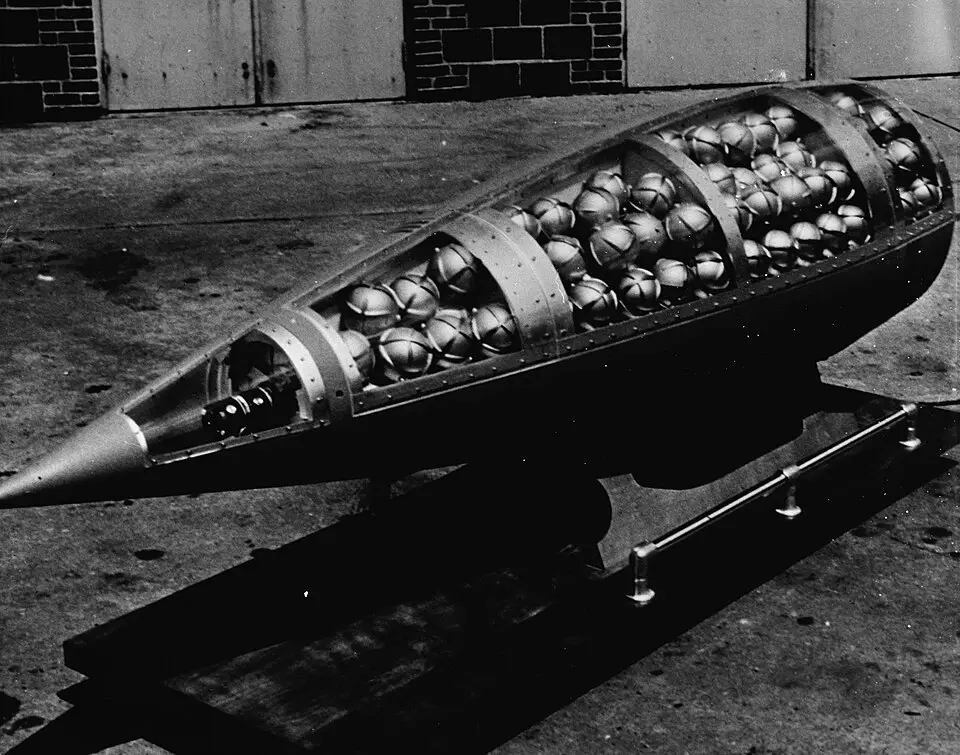
Cluster munitions differ from conventional warheads in how they deliver damage. Cluster munitions release between 20 and 24 submunitions, each carrying explosives weighing up to 5 kilograms. These bomblets, often under 3 kilograms individually, are particularly dangerous to exposed civilians, vehicles and buildings. According to Reuters, Israeli military spokesperson Lieutenant Colonel Nadav Shoshani told reporters, 'Each submunition can detonate when it hits the ground or another hard surface,… its effect is similar to the explosion of a grenade- relatively limited local damage but highly dangerous to anyone nearby”.
How the Arrow Weapon System Works
Israel’s Arrow-3 missile defence system is designed precisely for this challenge. The Arrow Weapon System is developed by Israel Aerospace Industries. Operational since 2000, it forms a national, multi-tier ballistic missile defence architecture. It can detect, track and engage short-, medium- and intermediate-range threats, including those carrying unconventional warheads, in both standalone and networked modes.
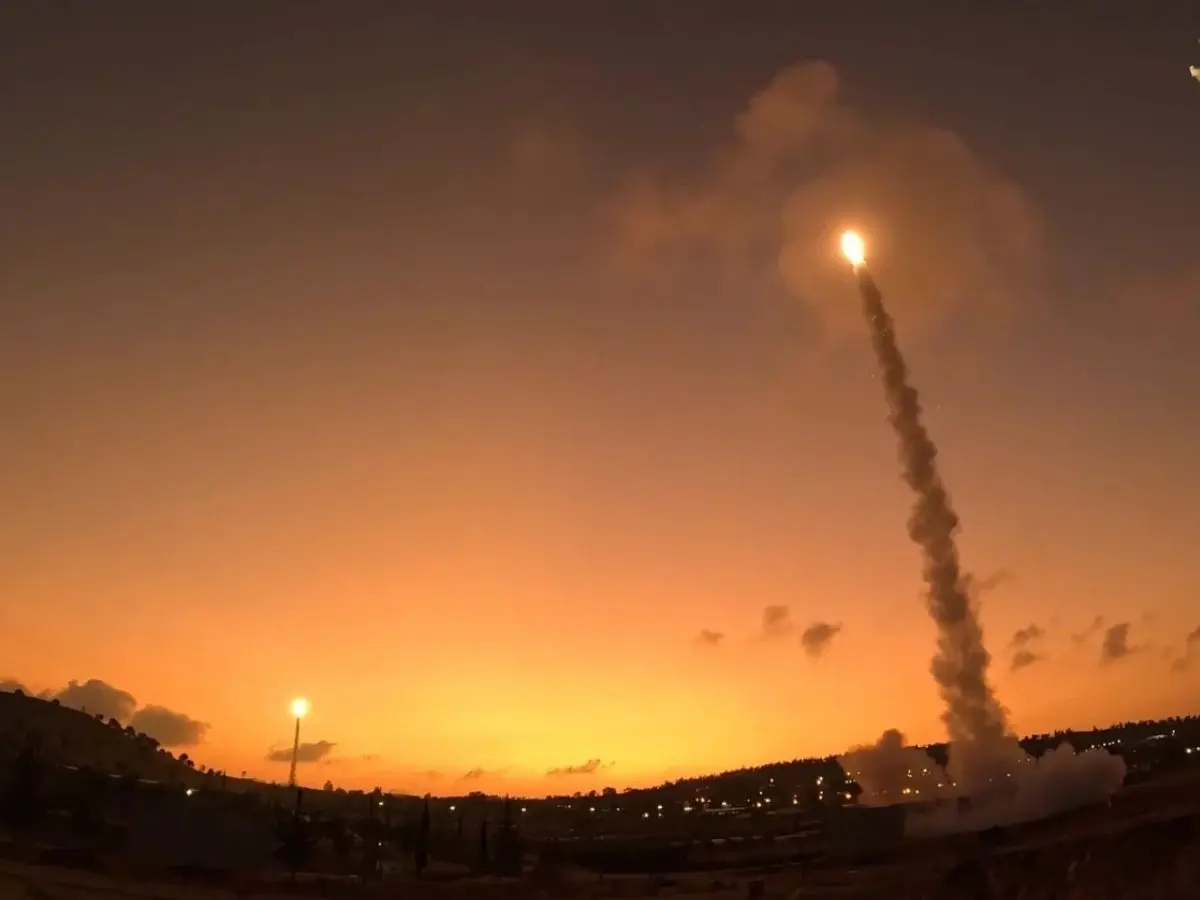
Arrow-3: Intercepting in Space
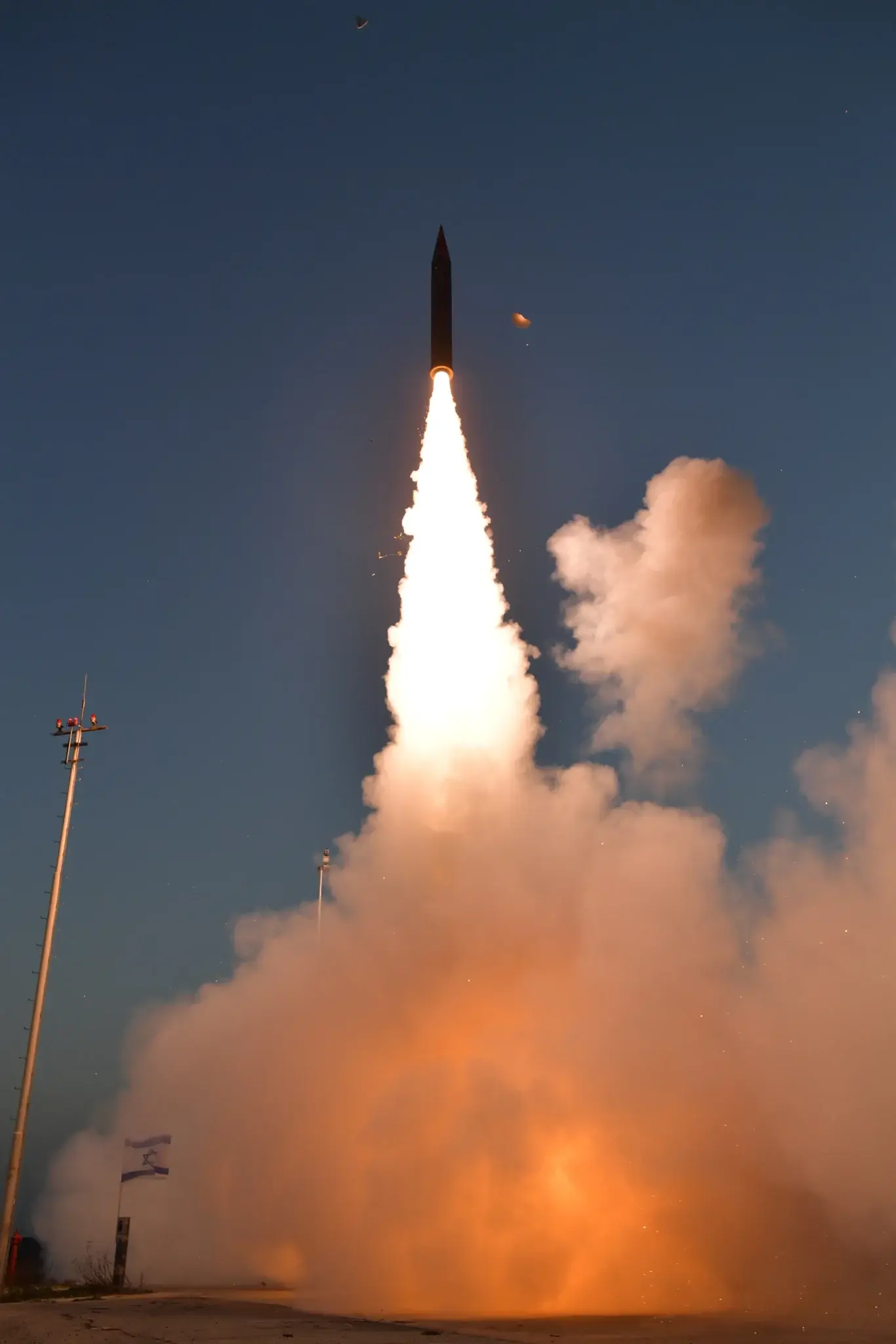
The Arrow 3 system is designed with the ability to neutralise ballistic missiles before they re-enter the atmosphere. The interceptor represents the system’s upper tier. It is a two-stage, hit-to-kill interceptor designed to destroy incoming missiles outside the atmosphere. With a large engagement envelope and short reaction time, it enables interception before a warhead can disperse. This exo-atmospheric capability is critical when dealing with cluster munitions.
Why Timing Determines Success
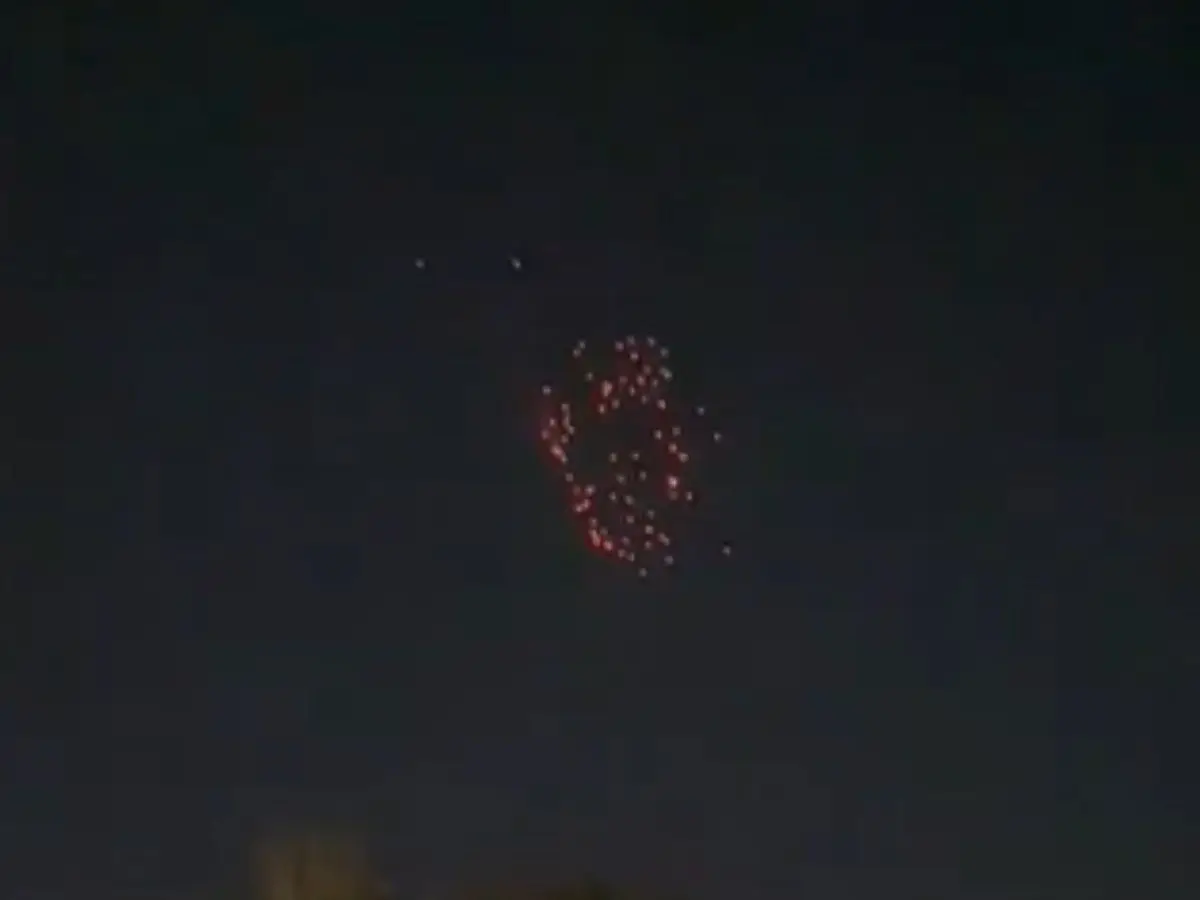
Cluster warheads are engineered to open at high altitude, sometimes appearing as “falling fireballs” due to atmospheric friction. Once separation occurs, dozens of targets emerge simultaneously. Air defence systems, including Iron Dome, are not designed to neutralise such dispersed threats. As a result, interception must occur before the split—making early engagement essential rather than optional.
Evidence of Design
According to the Associated Press, some of the Iranian designs include protective coatings allowing submunitions to survive re-entry. This enables wide-area dispersal far beyond typical military targets.
Legal and Historical Context
Cluster munitions are not illegal but their use in civilian areas is prohibited under the Geneva Conventions. They are also banned under a separate international treaty signed by over 120 countries, though neither Israel nor Iran is a signatory.They were first deployed during the Second World War, when Nazi Germany dropped so-called ‘butterfly bombs’ over the United Kingdom, cluster munitions have since been used in several major conflicts. The United States employed them in Vietnam, Laos, Iraq and Afghanistan, and has more recently supplied them to Ukraine. Russia has been accused of using cluster bombs during its 2022 invasion of Ukraine, an allegation it has denied.
)
)
)
)
)