Are USS Abraham Lincoln & Gerald R. Ford preparing for conflict or strengthening US’ nuclear talks leverage with Iran?

The military build-up comes as the United States and Iran prepare for a new round of discussions on Tehran’s nuclear programme, scheduled to be held next week in Geneva, following an initial round of indirect talks hosted by Oman on February 6.
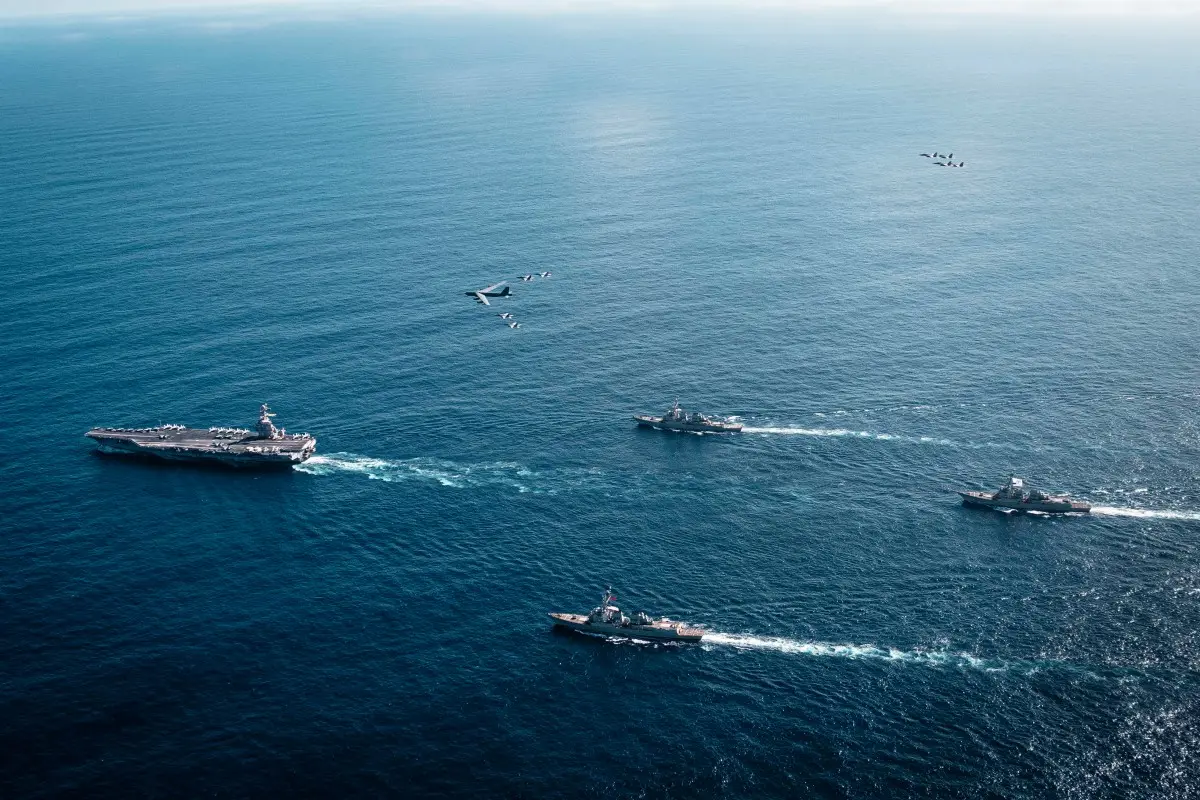
Naval Deployments Signal Rising Strategic Stakes
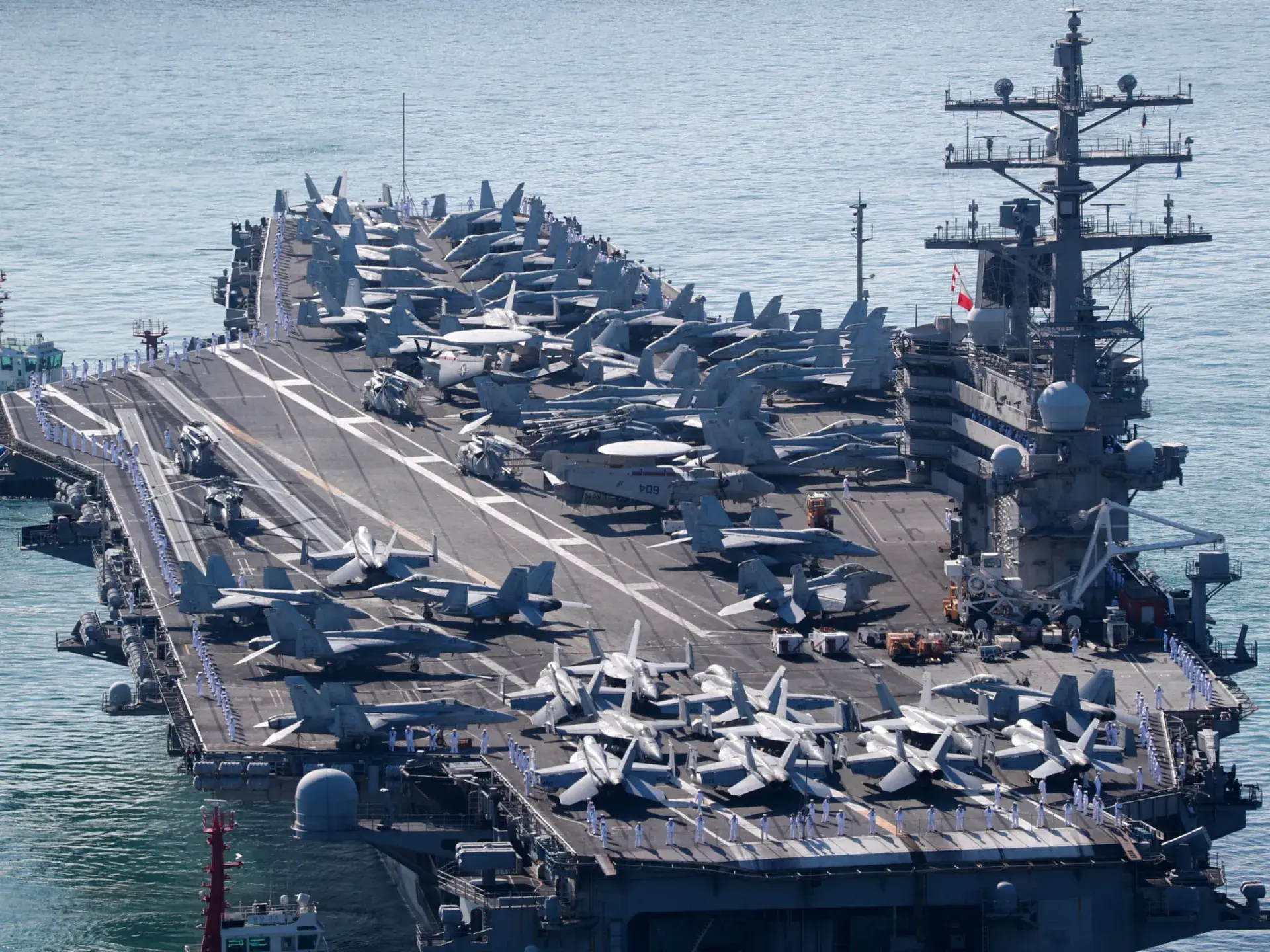
The United States is set to deploy the world’s largest aircraft carrier to the Middle East, reinforcing an already substantial naval presence in the region. The move will see USS Gerald R. Ford join USS Abraham Lincoln, alongside guided-missile destroyers, fighter jets and surveillance aircraft that have been repositioned in recent weeks. The expanded deployment has intensified debate over whether Washington is preparing for potential military confrontation or strengthening its negotiating leverage in nuclear talks with Iran, which are continuing amid heightened regional tensions.
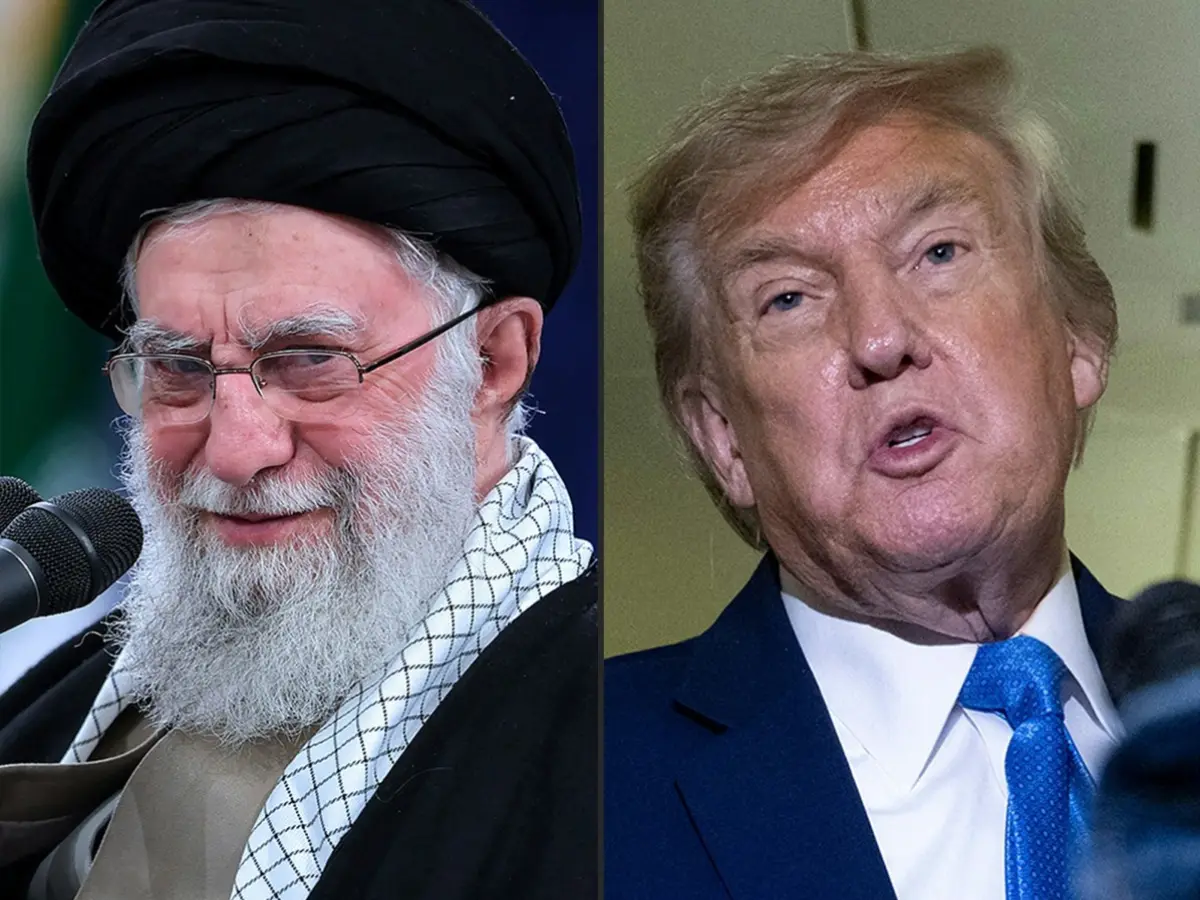
US suggests Iran Regime change
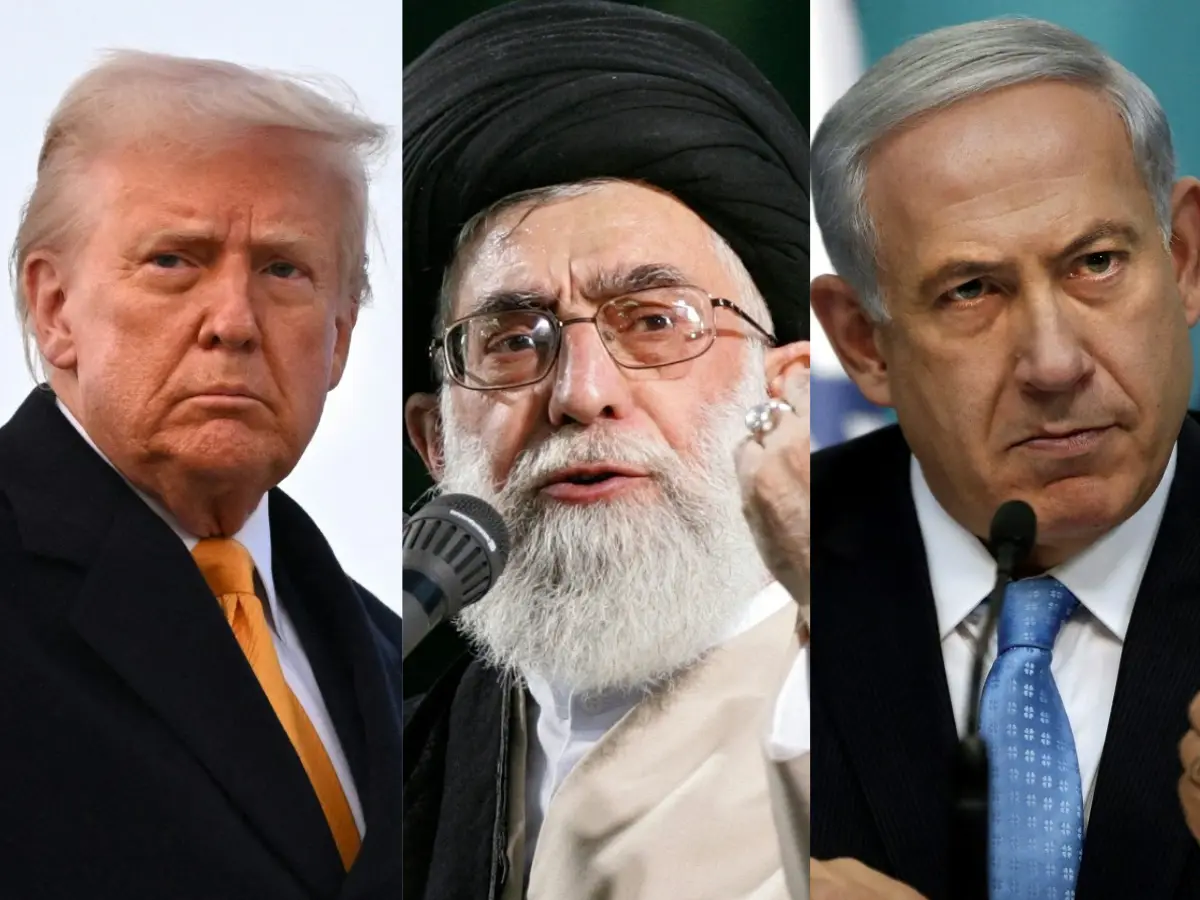
US President Donald Trump said that regime change in Iran “seems like that would be the best thing that could happen”, though he declined to identify any potential successor leadership, stating only that “there are people”.
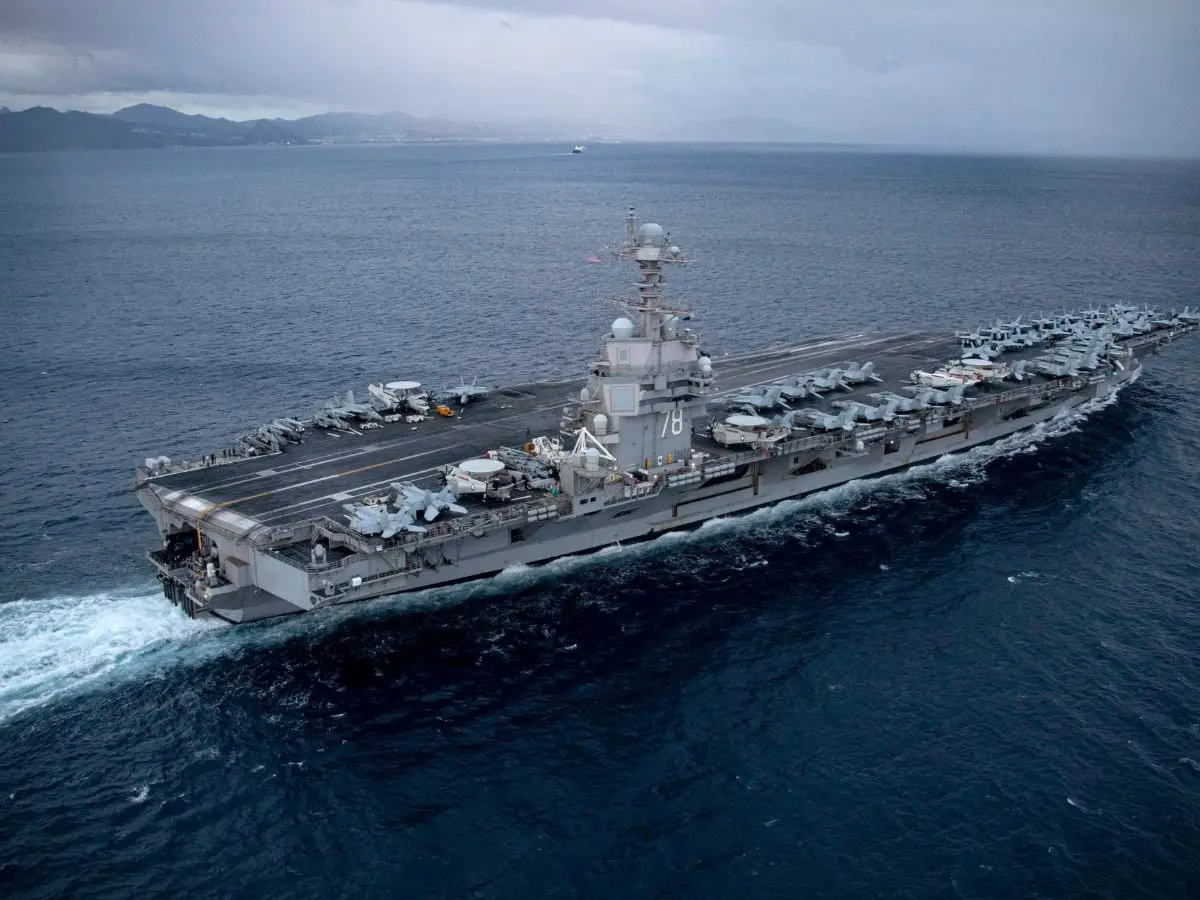
Weeks-Long Military Operations Underway
Additionally, according to reports, the United States military is preparing for the possibility of sustained, weeks-long operations against Iran if President Donald Trump authorises an attack, two US officials told Reuters, raising concerns about a conflict potentially more serious than previous confrontations between the two nations. The deployment of the aircraft carriers along with this, reflects the operational readiness of the United States Navy. Such operations are designed to reinforce deterrence while demonstrating the Navy’s ability to conduct coordinated military activities across multiple theatres simultaneously.
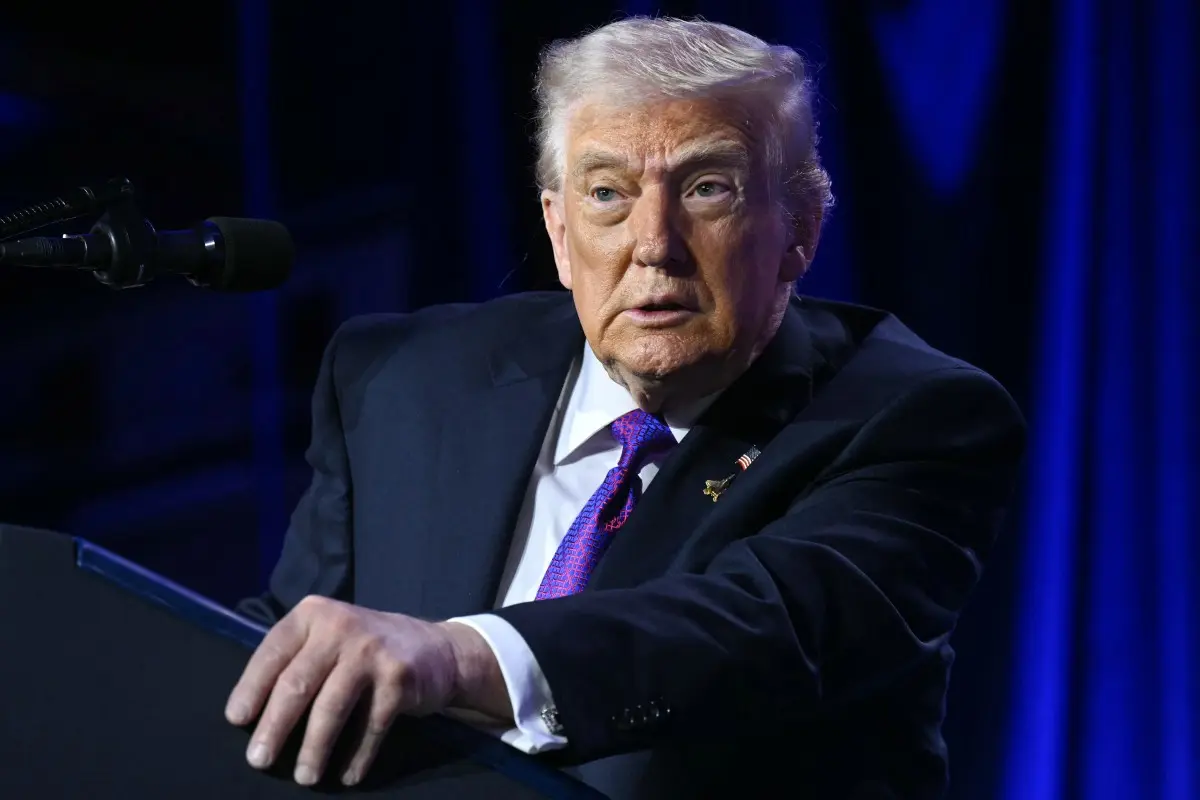
Nuclear Talks Return to the Forefront
The military build-up comes as the United States and Iran prepare for a new round of discussions on Tehran’s nuclear programme, scheduled to be held next week in Geneva, following an initial round of indirect talks hosted by Oman on February 6. Diplomatic sources indicate both sides have agreed to continue engagement despite persistent disagreements over sanctions and enrichment limits. The talks aim to revive confidence-building measures and reduce escalation risks, although no formal agreement has yet emerged. After the first discussions, Trump warned Tehran that failure to reach an agreement with his administration would be “very traumatic.”
Tehran Signals Conditional Compromise
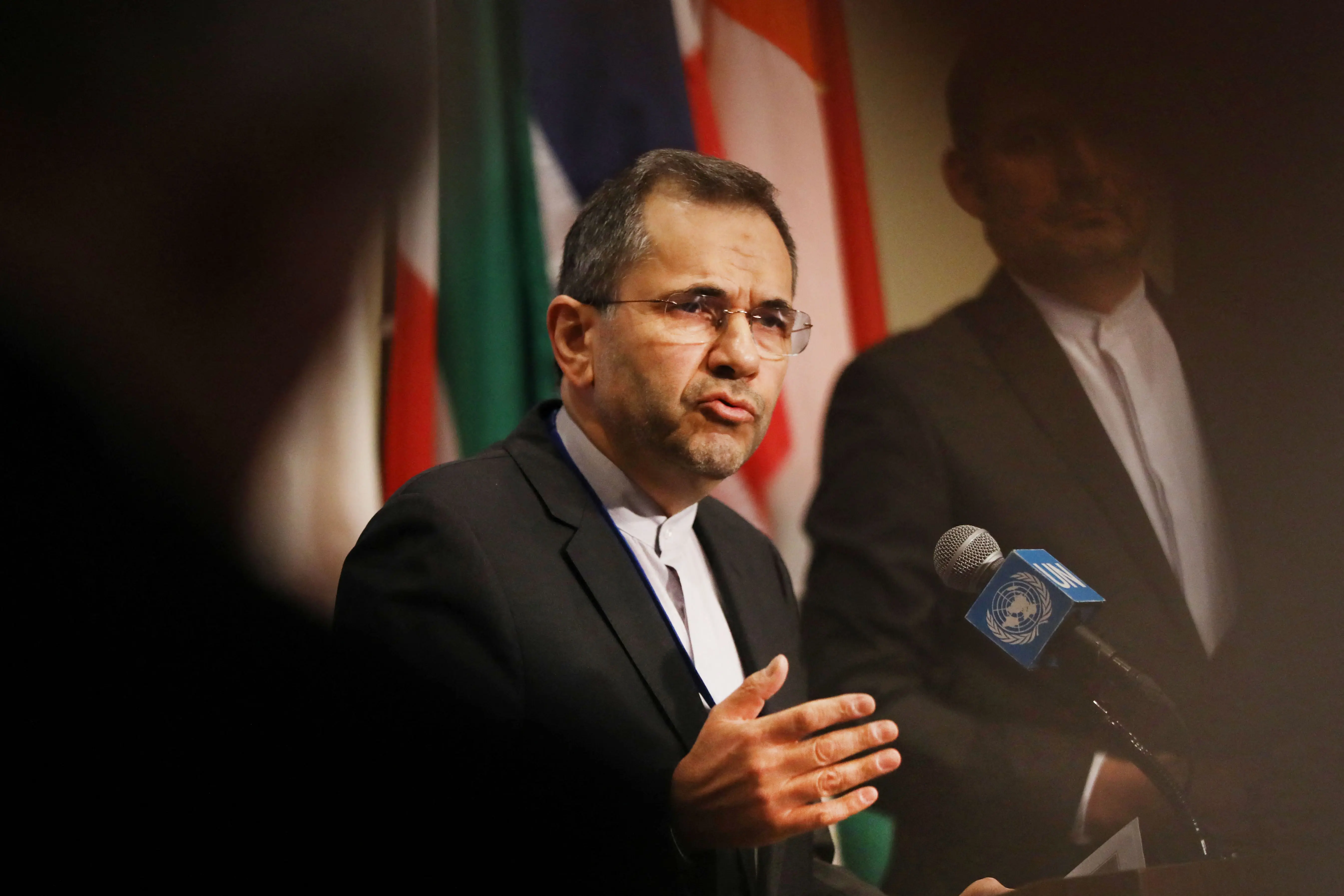
On Sunday, Iranian officials have indicated openness to potential concessions but have tied any compromise directly to sanctions relief. Deputy Foreign Minister Majid Takhtravanchi, in an interview with the BBC, stated that negotiations could progress if Washington demonstrates willingness to discuss lifting economic restrictions or sanctions. Tehran maintains that its nuclear programme remains peaceful while emphasising that sanctions relief is essential for meaningful diplomatic progress.
Oil Pressure Adds a New Dimension
Parallel to the naval deployments, reports indicate Washington and Israel have discussed increasing pressure on Iran by targeting its oil exports, particularly shipments to China. Efforts to restrict Iranian oil revenue form part of broader attempts to curb Tehran’s regional influence while strengthening negotiation leverage during nuclear discussions. "We agreed that we will go full force with maximum pressure against Iran, for example, regarding Iranian oil sales to China," Axios reported on Saturday, quoting a senior US official.
Strategic Messaging Through Military Presence
Analysts argue that this economic and diplomatic pressure, including efforts to restrict Iranian oil exports, also forms part of the US strategy alongside military posture. This “maximum pressure” approach could be aimed to bring Tehran back to a nuclear framework that addresses Washington’s security concerns, while the presence of powerful naval assets reinforces the seriousness of US policy.
)
)
)
)
)