Are US warships and destroyers really capable of stopping ballistic missiles aimed at them?

US warships use the Aegis system, SPY-6 radars, and kinetic interceptors like SM-3 and SM-6 to destroy ballistic missiles in space and the atmosphere, offering a proven multi-layered defence shield.
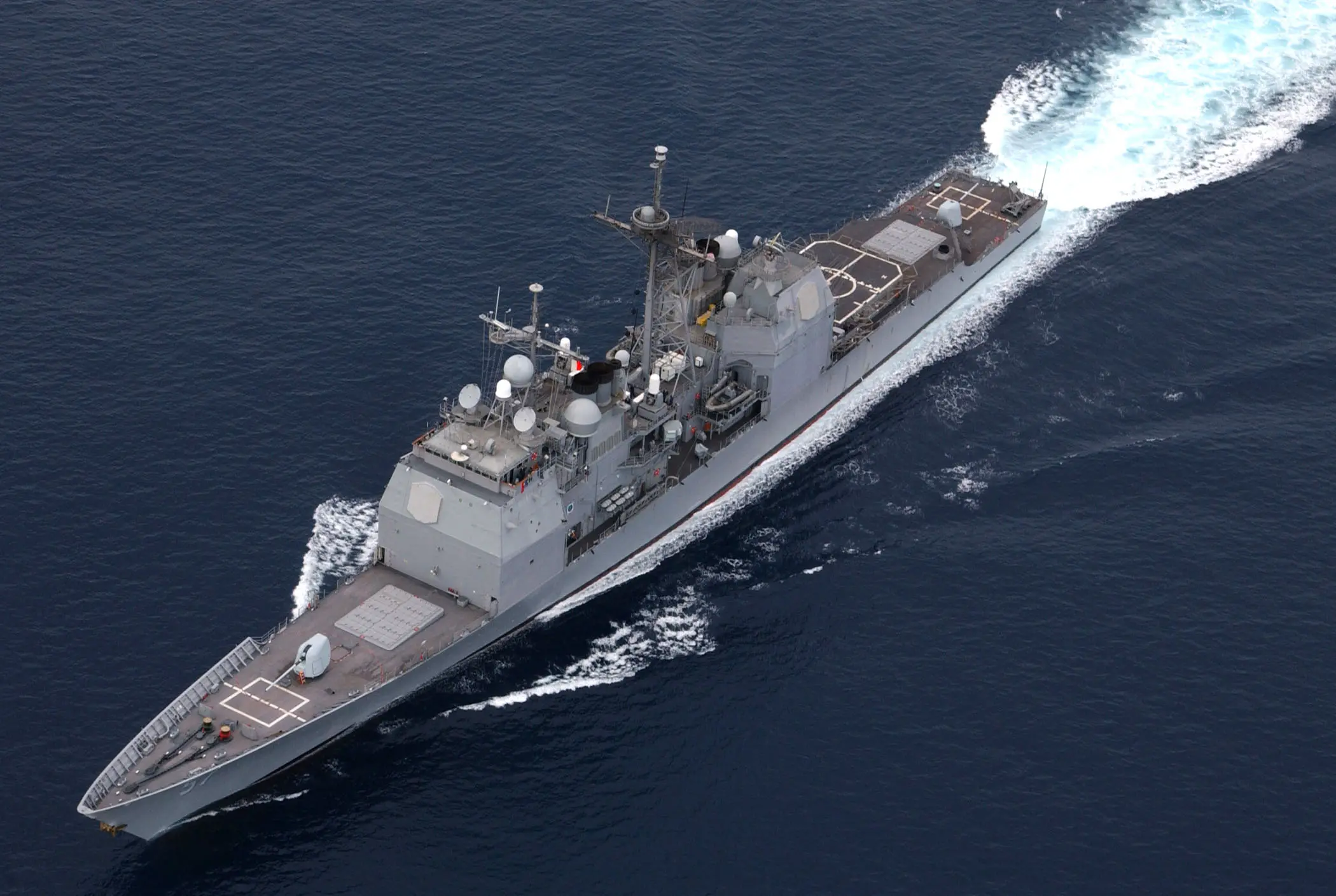
The Aegis Combat System
The core of US naval defence is the Aegis Combat System, an automated command-and-control platform. It serves as the brain of the ship, integrating data from powerful radars to track hundreds of targets simultaneously. When a ballistic missile is detected, Aegis calculates its trajectory instantly and launches counter-missiles to destroy it. This system is deployed on Arleigh Burke-class destroyers and Ticonderoga-class cruisers, making them mobile missile defence batteries.
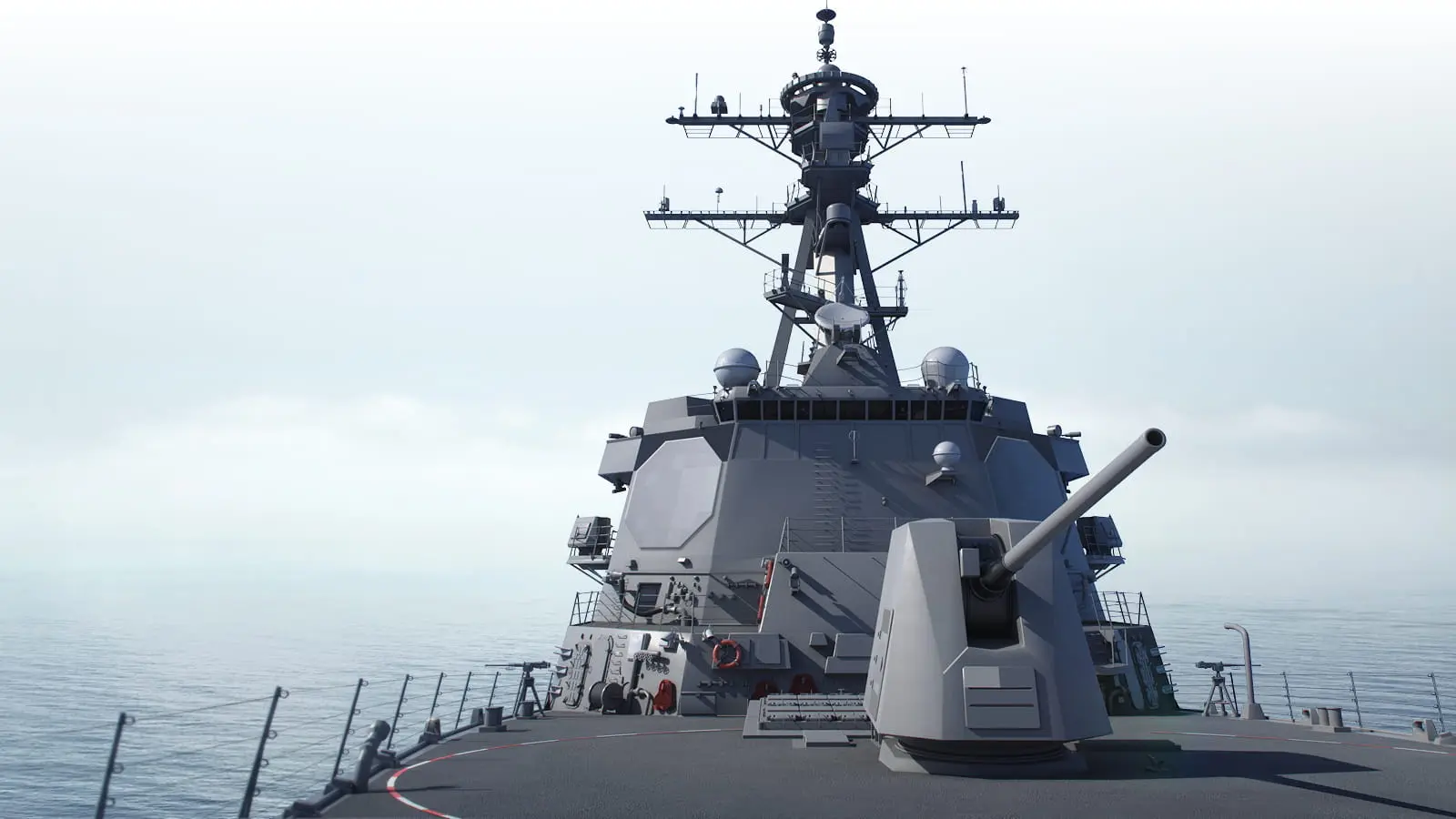
Powerful SPY-6 Radar
New US destroyers are equipped with the AN/SPY-6 radar, which offers a massive leap in detection capability. This radar is approximately 30 times more sensitive than the previous SPY-1 model, allowing it to spot smaller objects at much greater distances. It can track ballistic missiles, cruise missiles, and enemy aircraft all at the same time. The radar provides the precise data needed to guide interceptors to targets moving at hypersonic speeds.
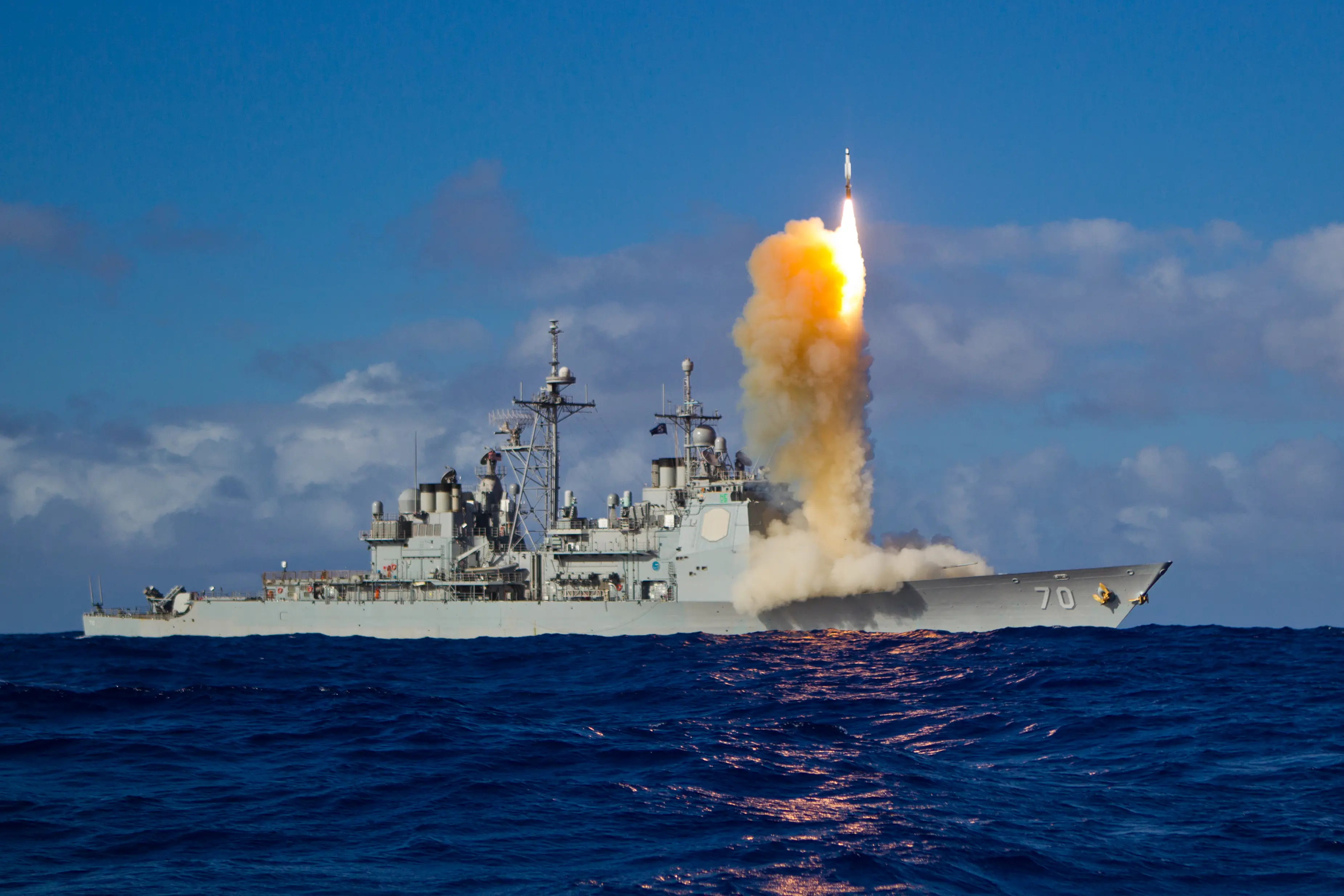
SM-3 Space Interceptors
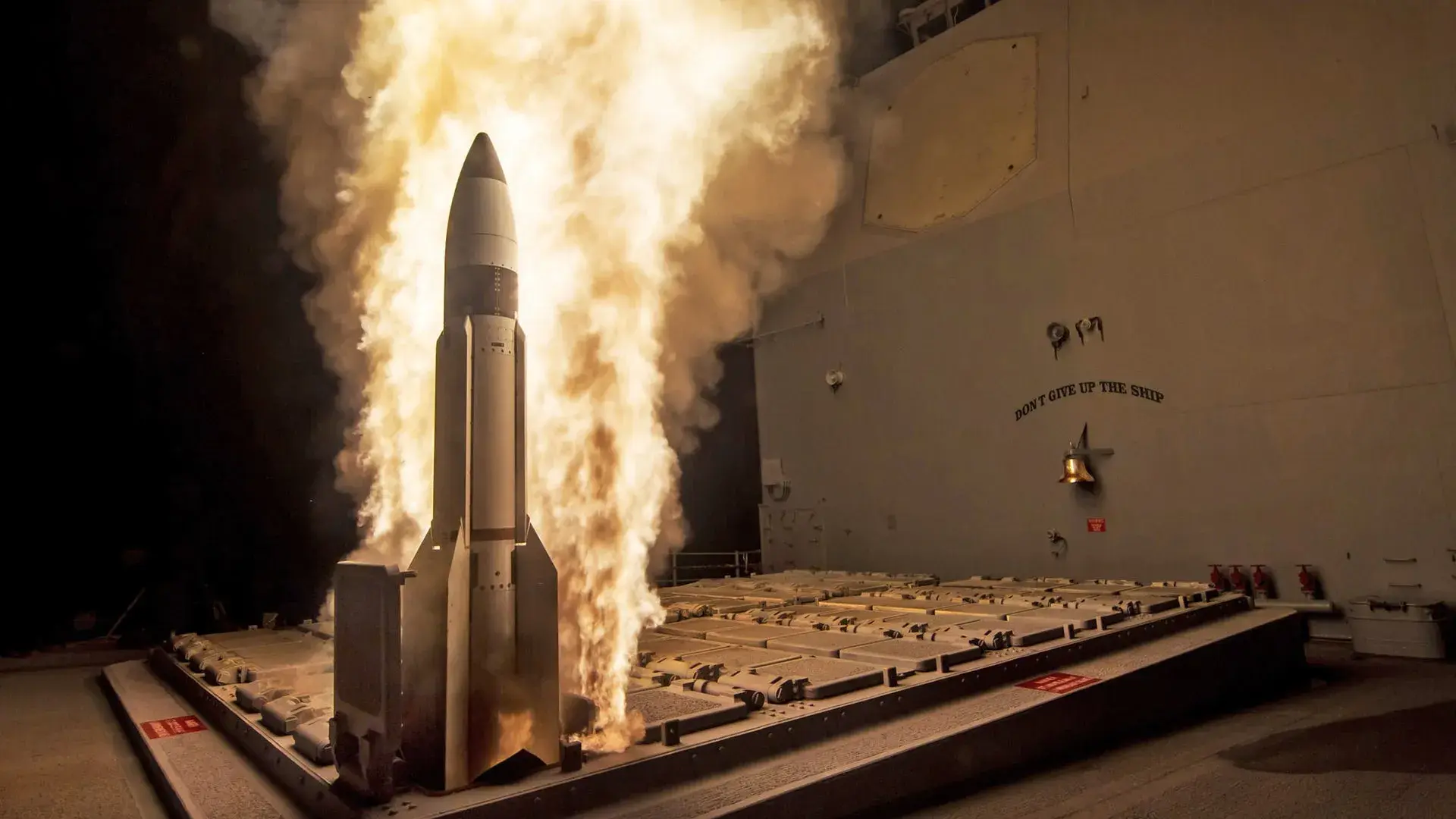
The Standard Missile-3 (SM-3) is the primary weapon for stopping ballistic missiles while they are cruising in space. Unlike traditional missiles, the SM-3 is designed to fly above the earth's atmosphere, reaching altitudes of over 1,000 kilometres. It intercepts short-to-intermediate-range ballistic missiles during their midcourse phase. The latest variant, Block IIA, flies at speeds exceeding 4.5 kilometres per second (Mach 13.2) to chase down targets.

Terminal Phase Defence
If a missile slips past the outer space defences, the Standard Missile-6 (SM-6) takes over. The SM-6 is designed to intercept ballistic missiles in their 'terminal phase', meaning the final seconds when the warhead is diving back into the atmosphere towards the ship. It has a dual-mode seeker that allows it to track targets even in heavy electronic jamming. This provides a critical last line of defence for the vessel.
Kinetic Hit-to-Kill
US missile defence relies on 'hit-to-kill' technology rather than explosive warheads. The interceptor destroys the incoming missile by colliding with it physically at immense speeds. The force of this impact is comparable to a 10-tonne truck hitting a wall at 600 miles per hour. This kinetic energy completely pulverises the enemy warhead in space, ensuring that no nuclear or chemical debris survives to cause damage below.
Shooting Down ICBMs
In November 2020, a US Navy destroyer proved it could stop an Intercontinental Ballistic Missile (ICBM). The USS John Finn used an SM-3 Block IIA missile to destroy a mock ICBM target launched from the Marshall Islands. This was a historic milestone, proving that US warships can theoretically defend against long-range strategic threats, not just shorter-range regional missiles. This capability adds a new layer to the US homeland defence architecture.
Layered Defence Strategy
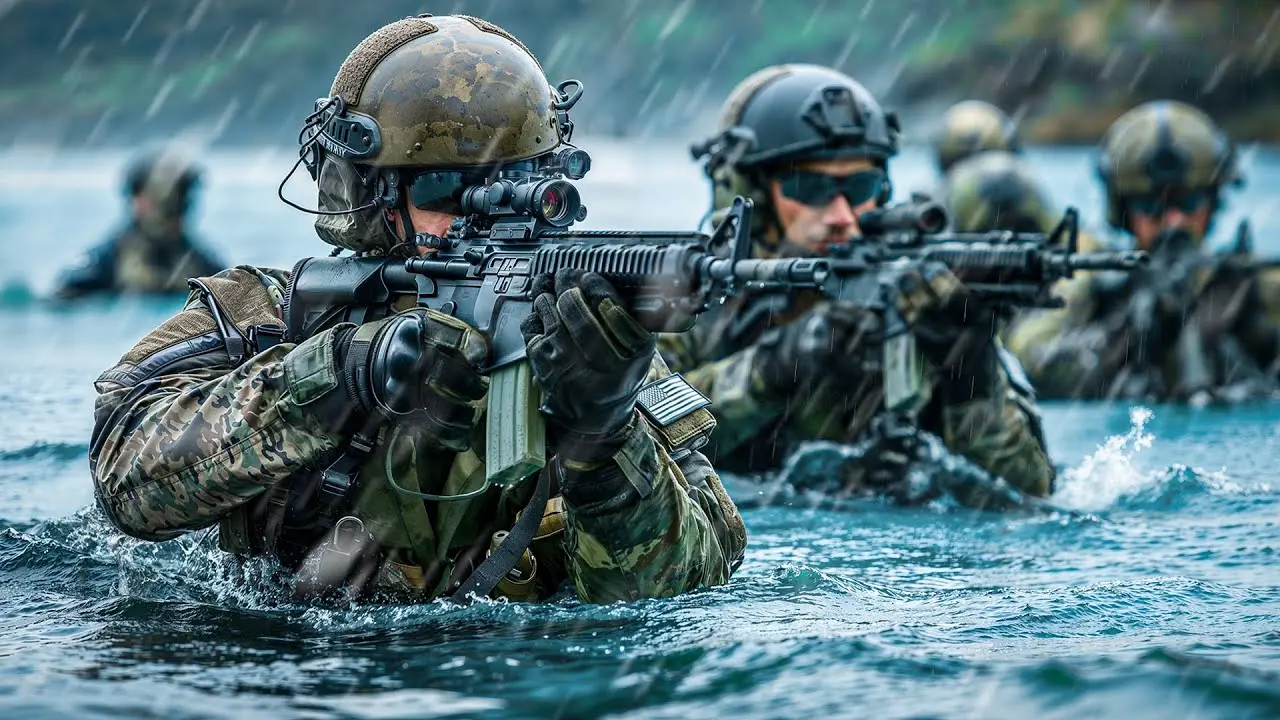
The US Navy employs a 'layered' approach to ensure maximum survival rates. A single ballistic missile faces multiple chances of being shot down: first in space by the SM-3, and then inside the atmosphere by the SM-6. This redundancy means that even if the outer layer misses, the terminal defence is ready to engage immediately. It forces enemies to expend massive resources to try and overwhelm a single ship's multi-tier shield.
Integration with Satellites
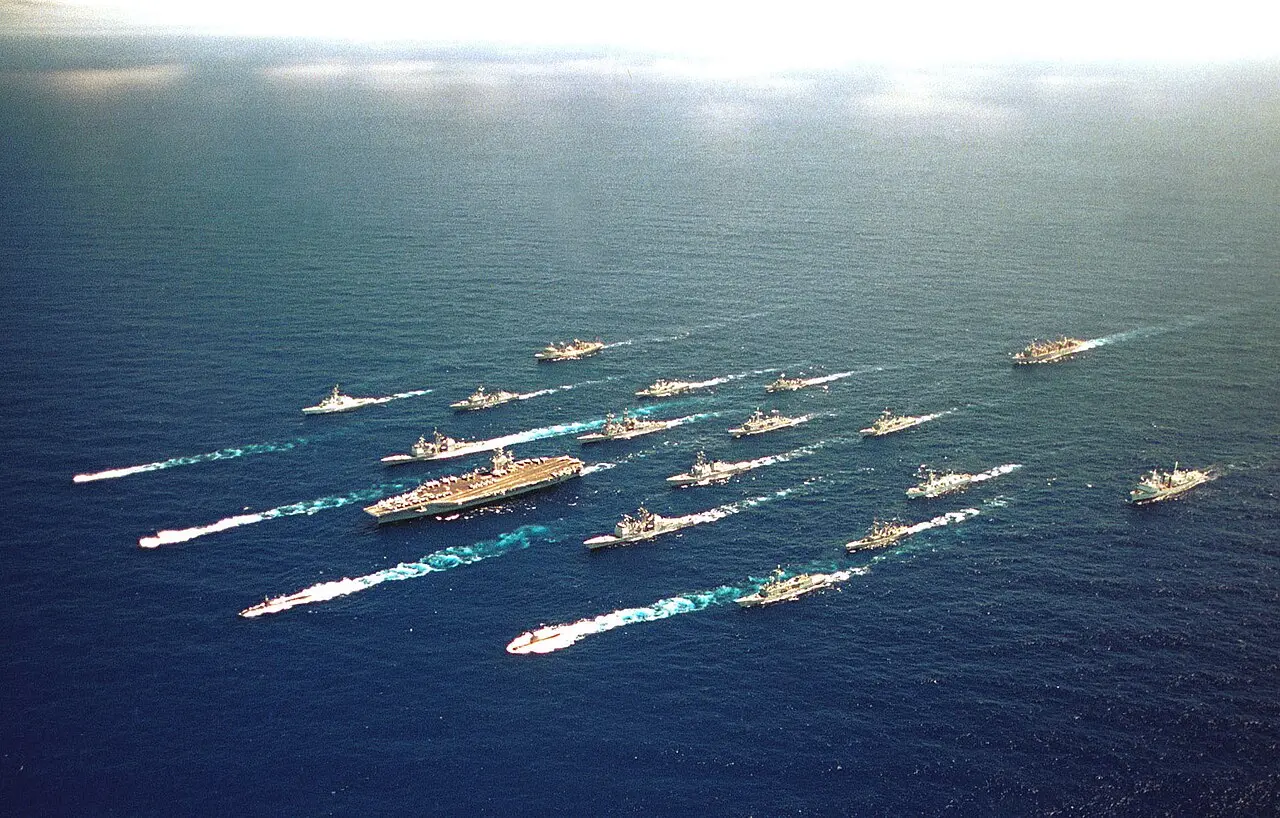
US warships do not fight alone; they are linked to a global network of sensors. Satellites and forward-based radars detect missile launches seconds after ignition and relay tracking data to the ships via the Command and Control Battle Management Communications (C2BMC) system. This allows a destroyer to launch an interceptor based on remote data before its own shipboard radar has even seen the target, greatly extending its defensive range.
Global Fleet Strength
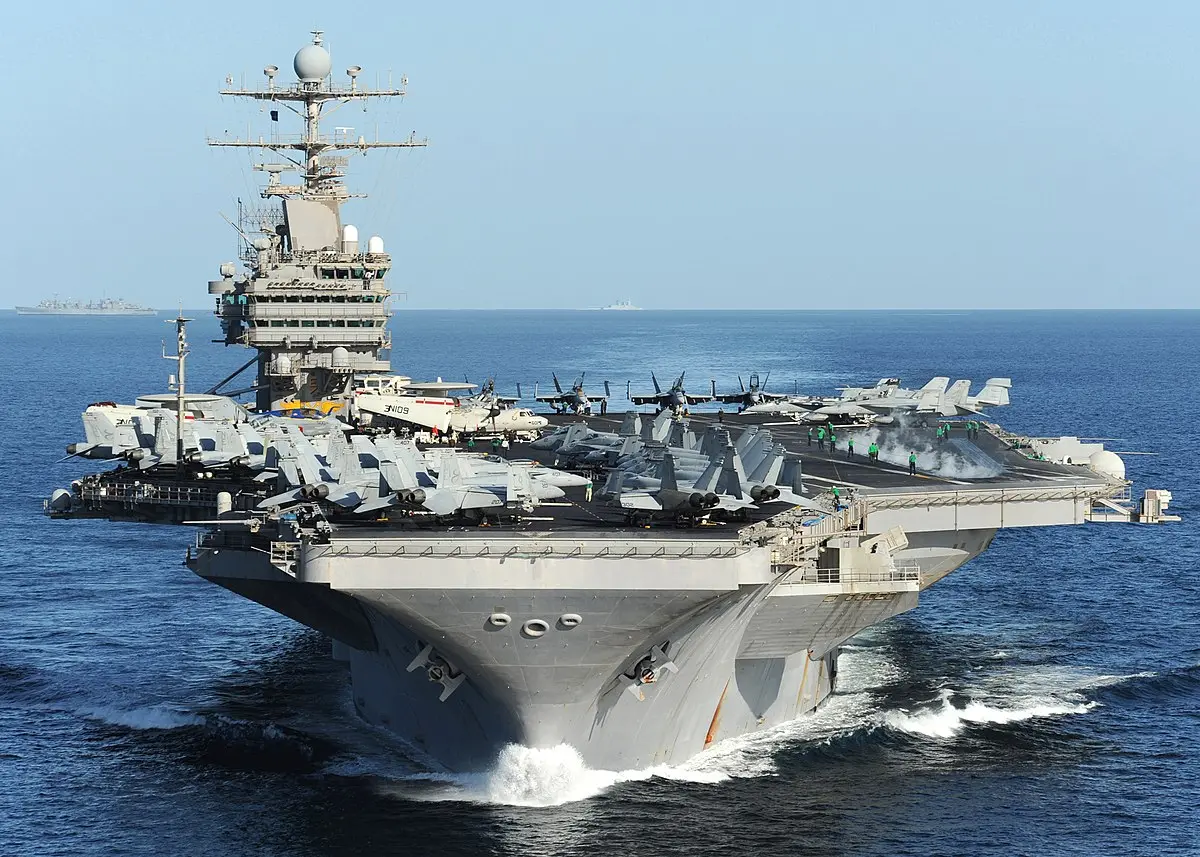
The US Navy operates the largest fleet of BMD-capable ships in the world. Over 50 destroyers and cruisers are currently certified for ballistic missile defence missions. These ships are constantly rotating through key global hotspots, providing a permanent shield for US carrier strike groups and allied nations. The fleet is regularly upgraded with new software baselines to keep pace with evolving missile threats from potential adversaries.

Future Laser Weapons
To further enhance defence, the US Navy is integrating directed energy weapons like the HELIOS laser system. While currently used for drones and small boats, future iterations aim to disable missile sensors or burn through boosters. Lasers offer an unlimited 'magazine' of shots as long as the ship has power, providing a cost-effective solution compared to expensive interceptor missiles. This technology represents the next generation of shipboard protection.
)
)
)
)
)