Are Mumbai’s flyovers and metros built to withstand extreme rains?

Mumbai flyovers and metro lines have drainage systems built for rain, but extreme downpours still cause flooding. Is poor maintenance or climate change?

Mumbai’s flyovers and metros built for rain
Mumbai’s flyovers and metro lines are designed with drainage systems to handle the monsoon. It include drains and culverts that guide water away from roads and tracks to reduce waterlogging, As per the Mumbai Metro Rail Corporation.
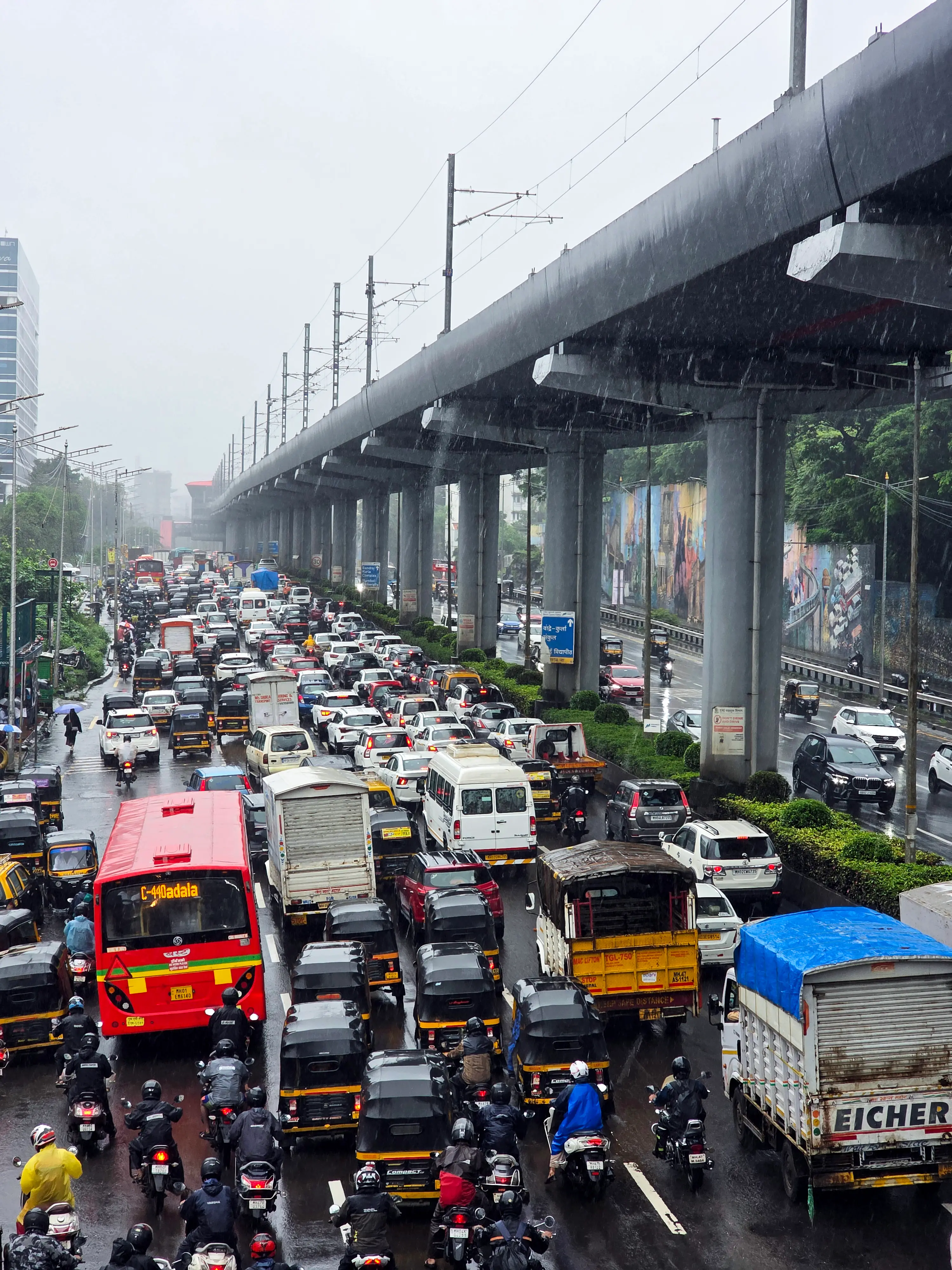
How the drainage works
As per official reports Flyovers are fitted with underground drains and side channels that carry rainwater towards lakes or the sea. Metro stations use sump pumps, covered drains and flood barriers to protect platforms and tunnels from water seepage.
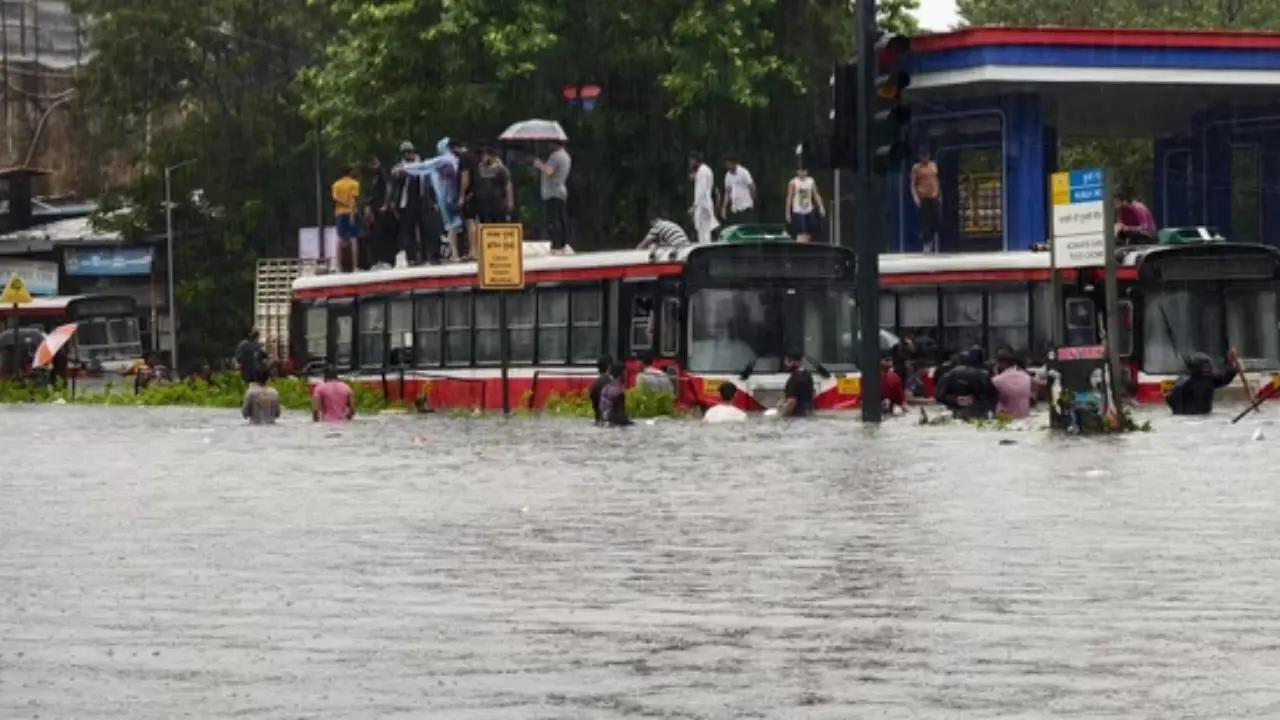
When the rain is too much
Despite these systems, Mumbai often sees rainfall that exceeds normal levels. IMD data shows downpours of more than 300 mm in 24 hours, which cause overflow the drainage capacity and it leave waterlogging on tracks.
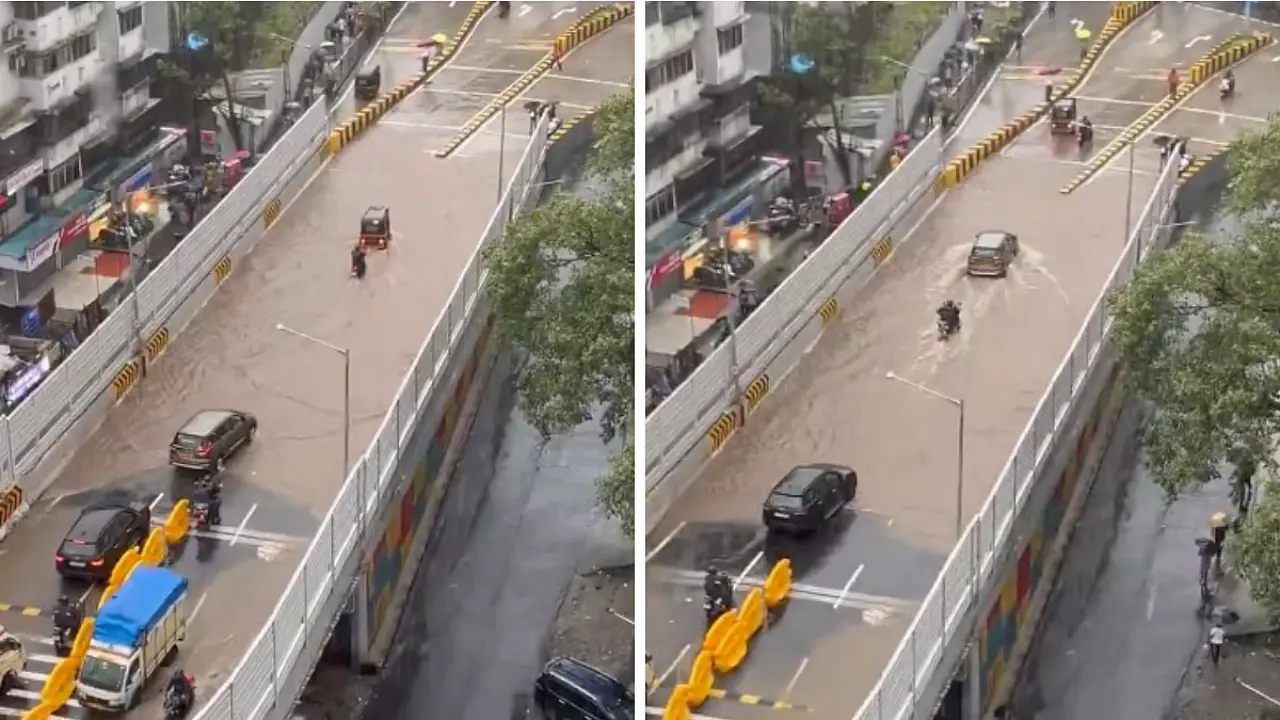
Flooding on Metro Line
Mumbai metro Line 3, one of the city’s newest metro projects with modern drainage systems, has also faced flooding in some stations during recent heavy rains.

Why drainage sometimes fails
Silt, plastic waste and debris often clog drains and culverts, cutting their capacity.
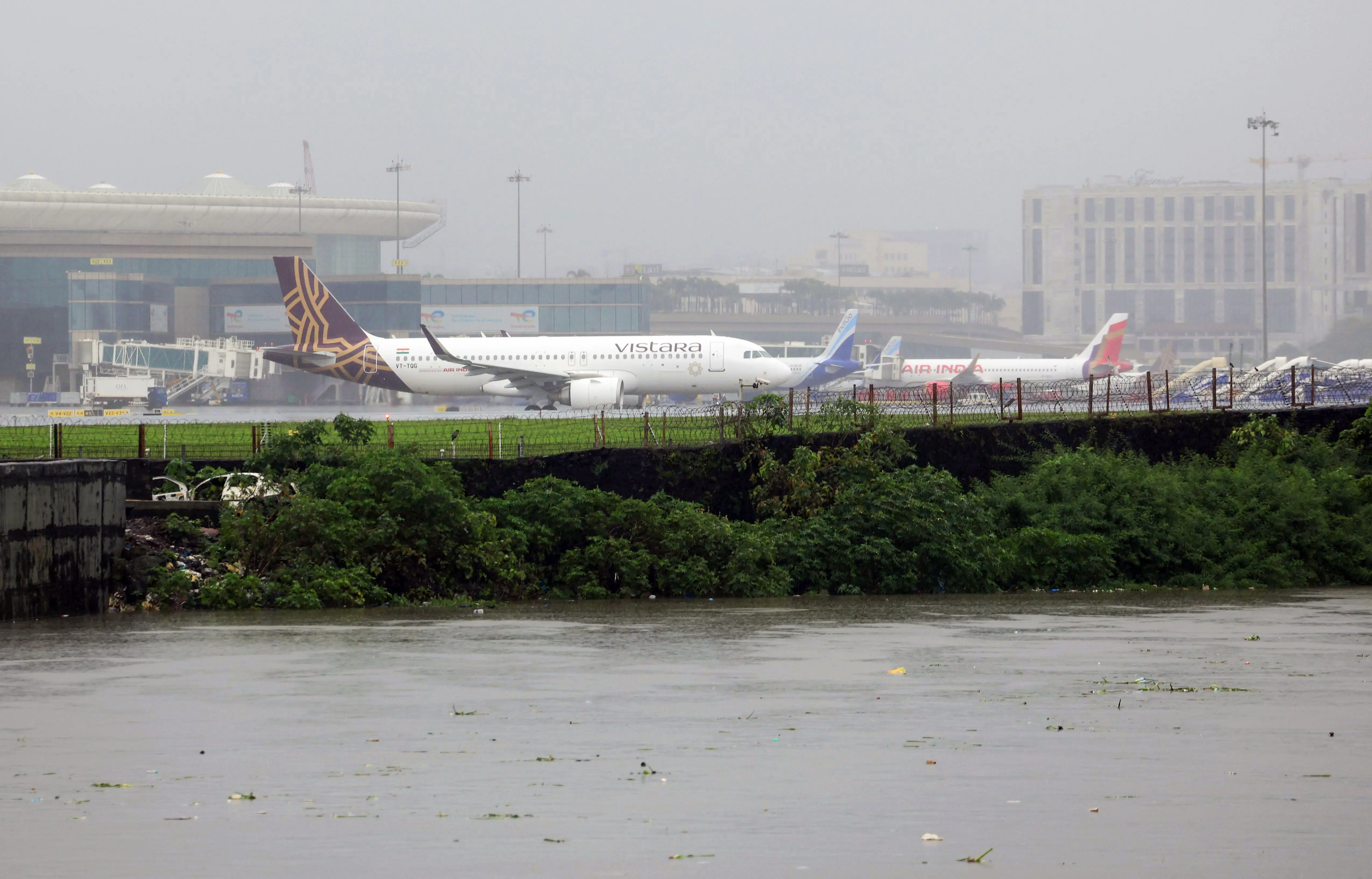
Building for the future
City planners and MMRC are working on upgrades such as larger drains, automated water level monitoring, better waste management and stronger pumping systems. These changes aim to cut flooding risks in future monsoons.
)
)
)
)
)