Are Iran’s underground ‘missile cities’ its BIGGEST mistake? Satellite images reveal...

Satellite images suggest Iran’s underground “missile cities,” built to protect its arsenal, are becoming vulnerable targets as US and Israeli strikes hit launchers and entrances, reducing Tehran’s missile attacks amid the escalating conflict.
Iran’s vulnerable ‘missile cities’
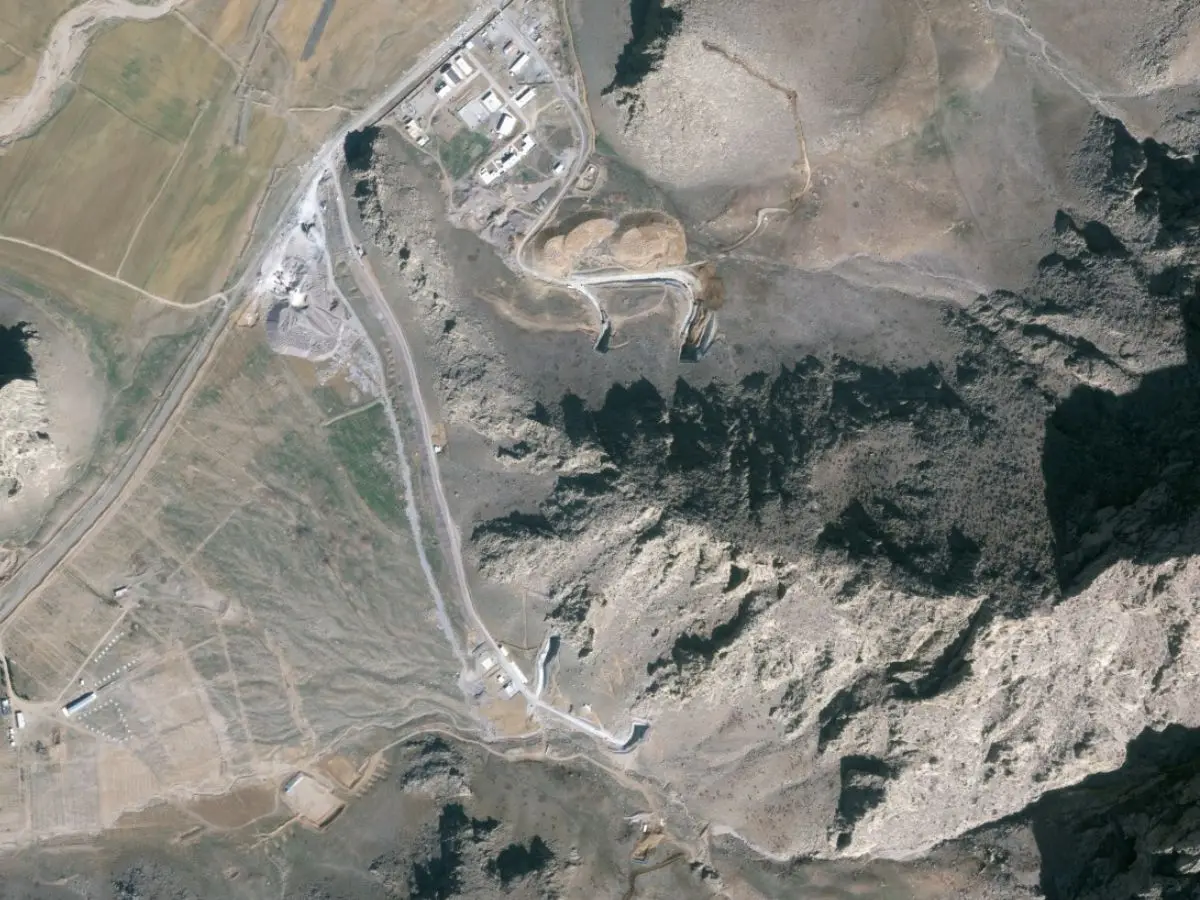
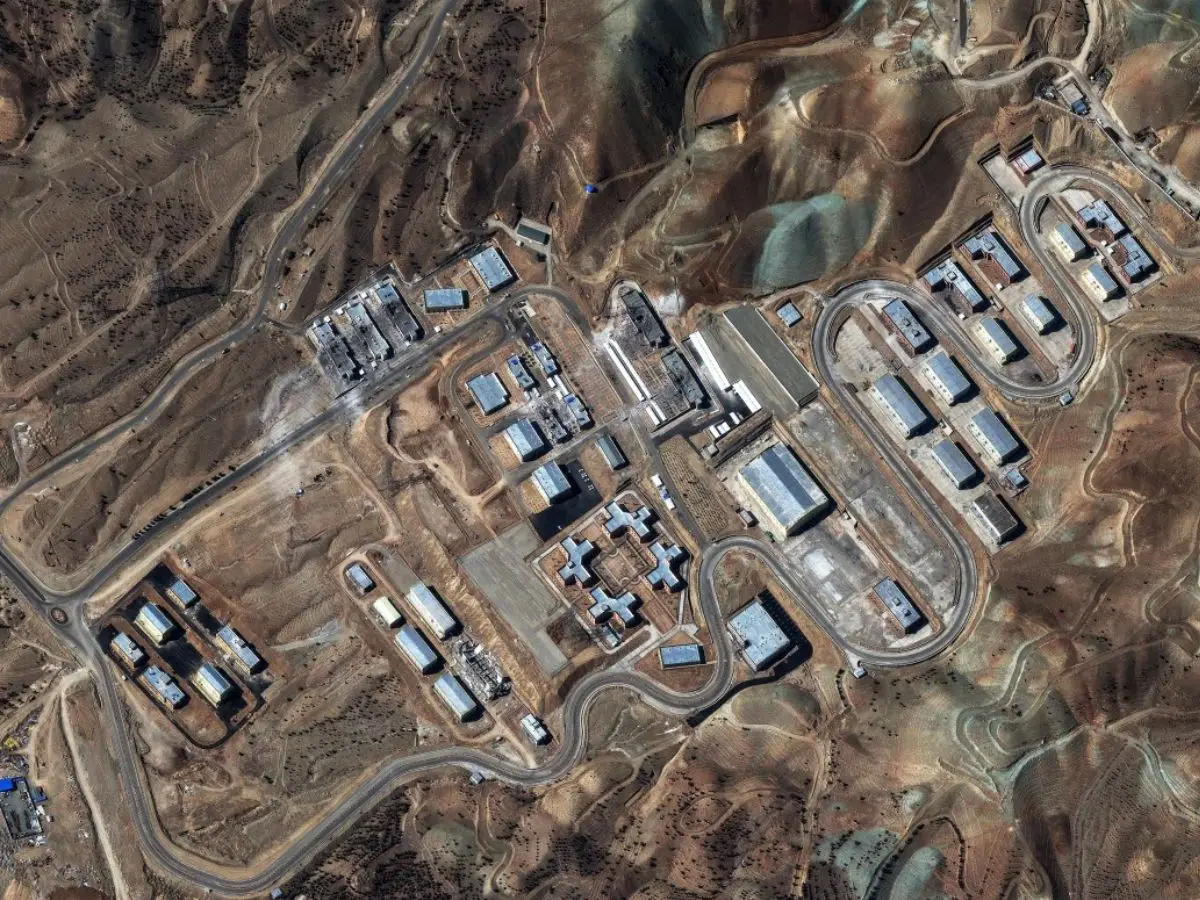
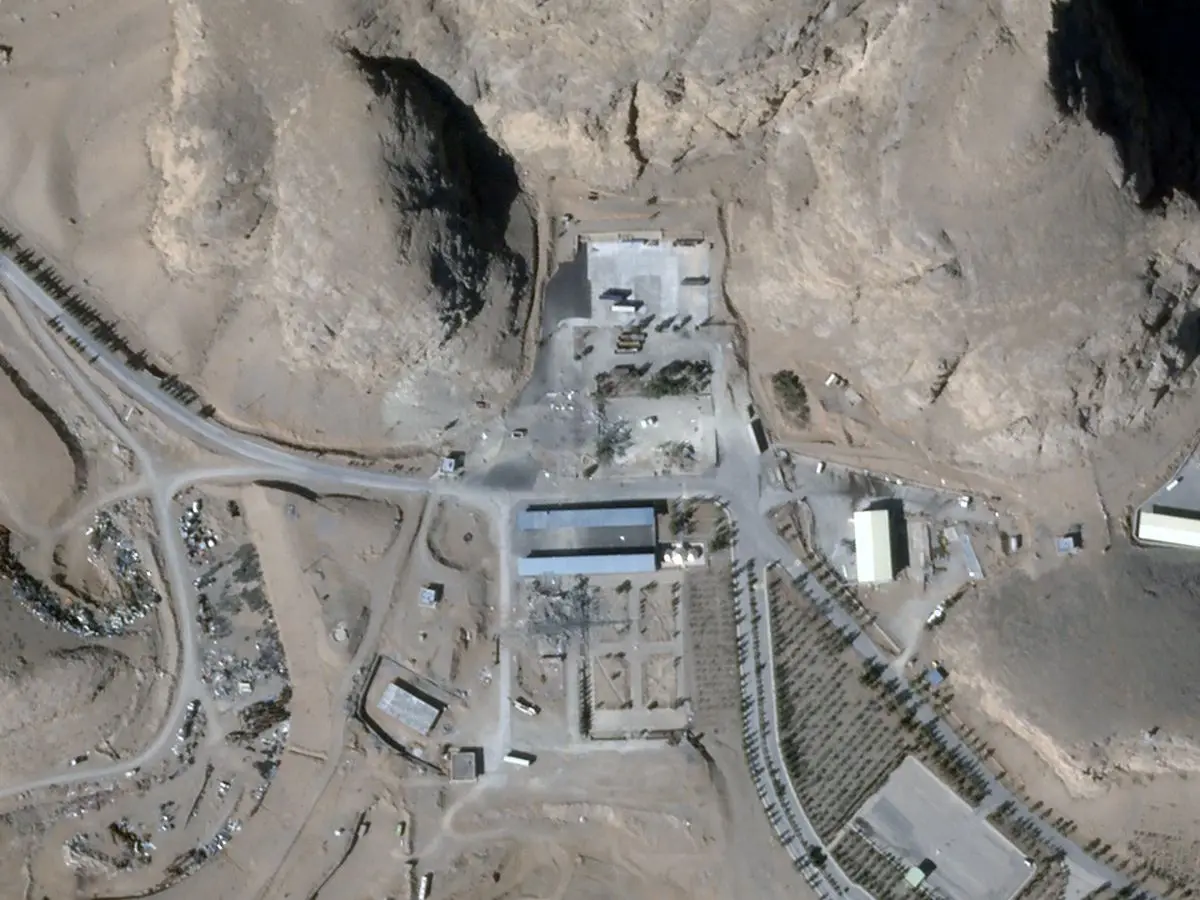
Iran’s underground “missile cities”, which were constructed over decades to shield its missile arsenal from enemy attacks, are now becoming its biggest vulnerability amid conflict with the United States and Israel. The US and Israeli military have been keeping surveillance and conducting strikes near the entrances of these underground caves, carved into mountains in remote regions, trapping missiles and launch systems before they can attack US and Israeli targets.
Satellite images reveal damage
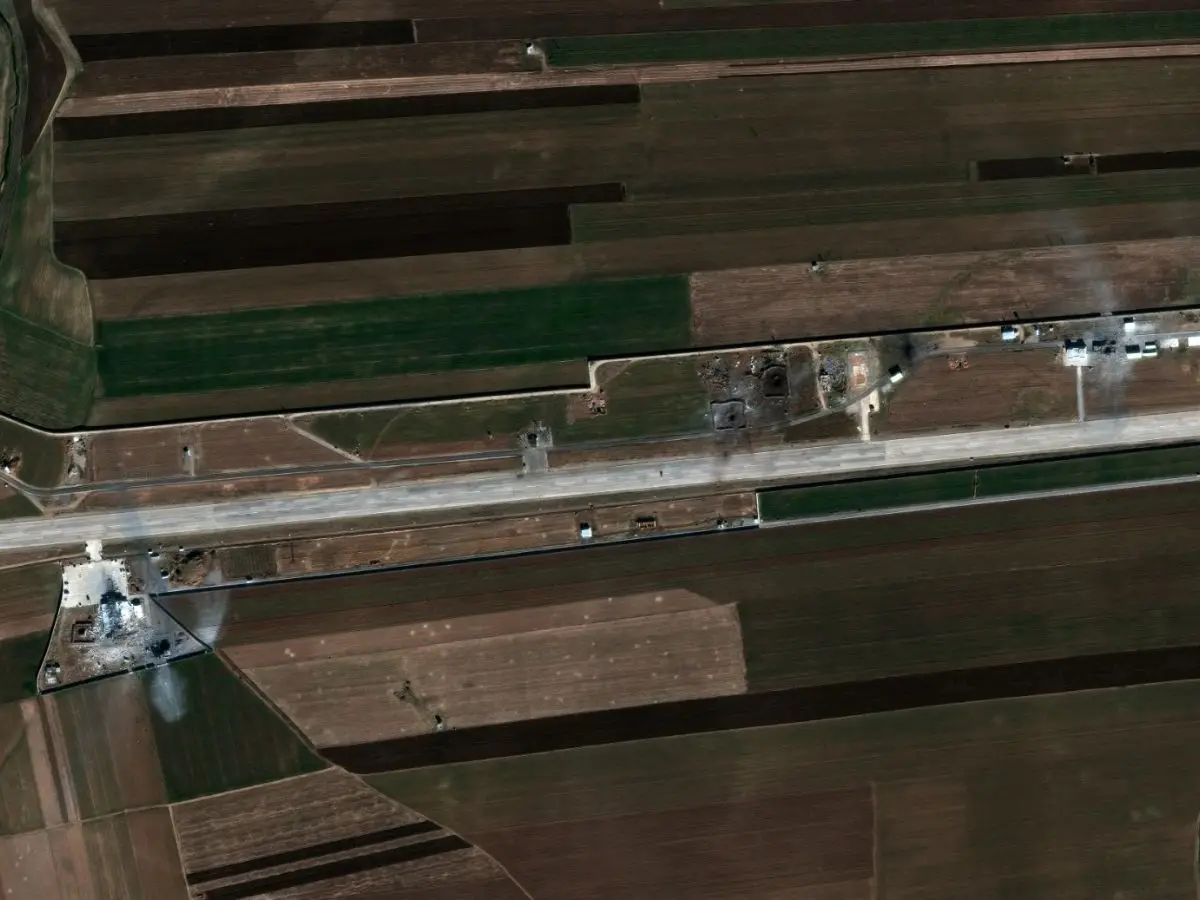
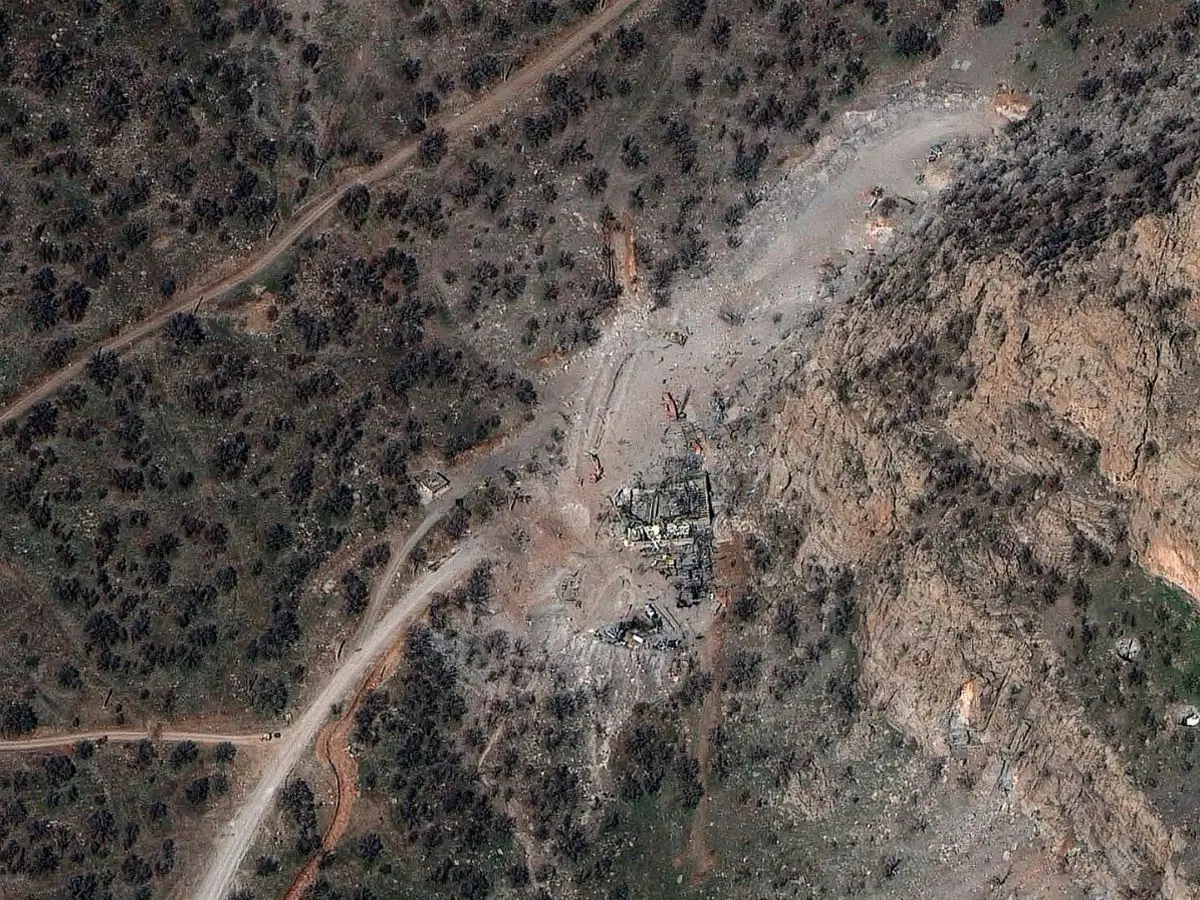
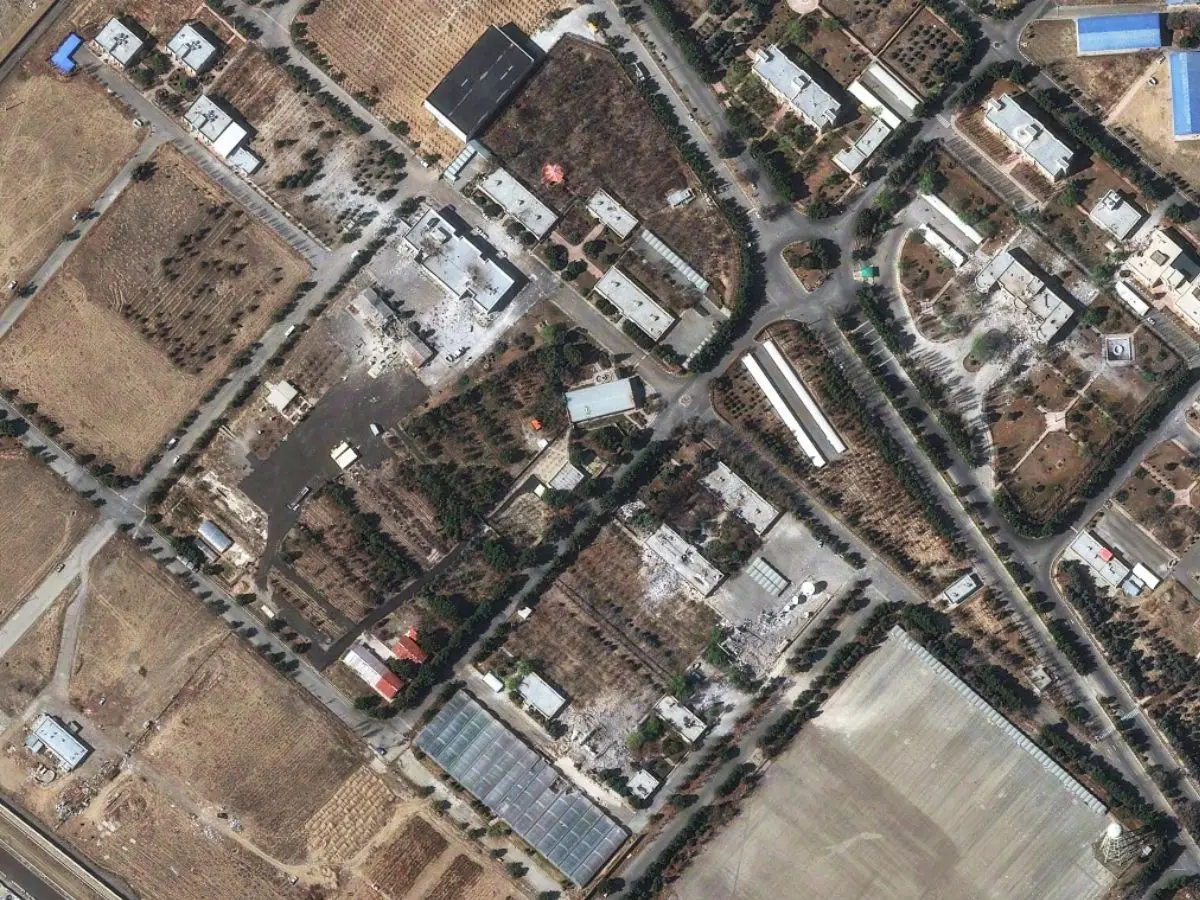
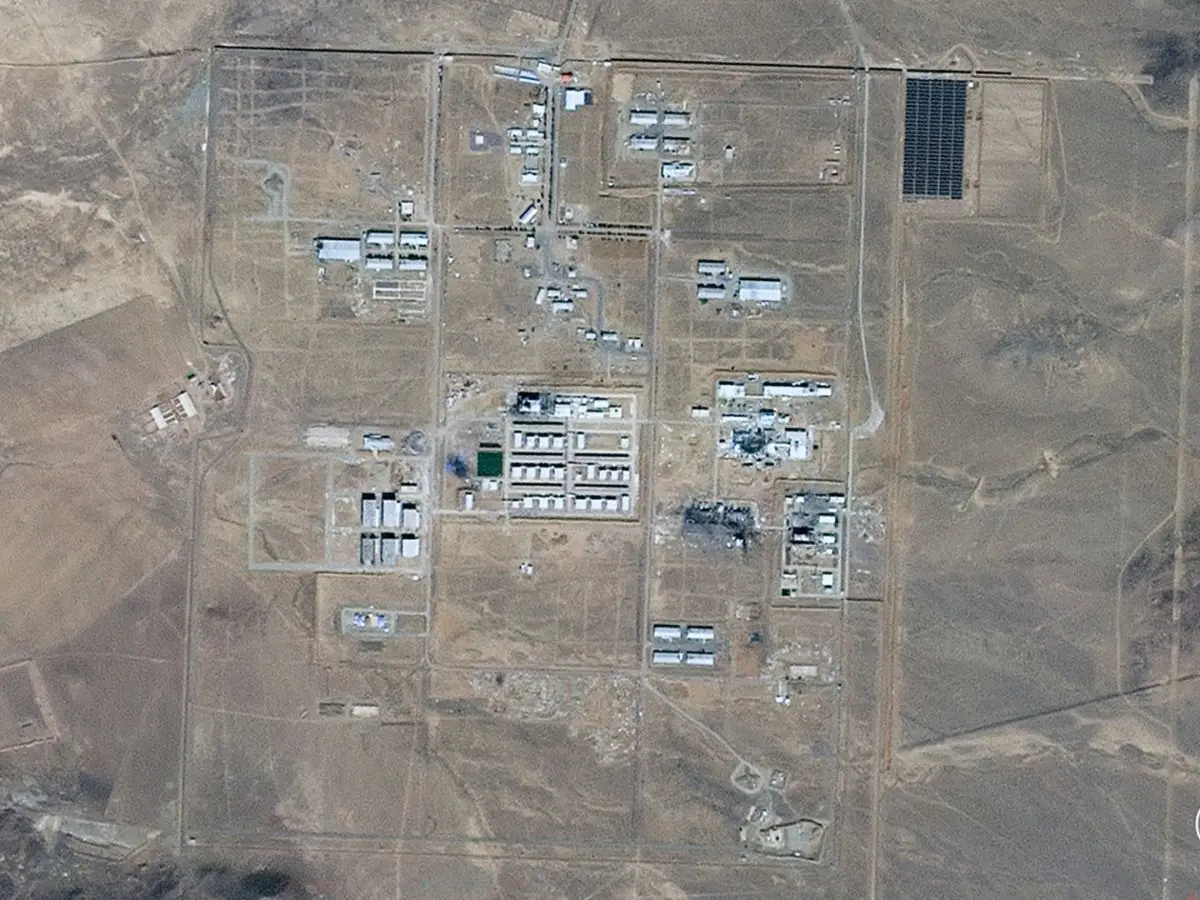
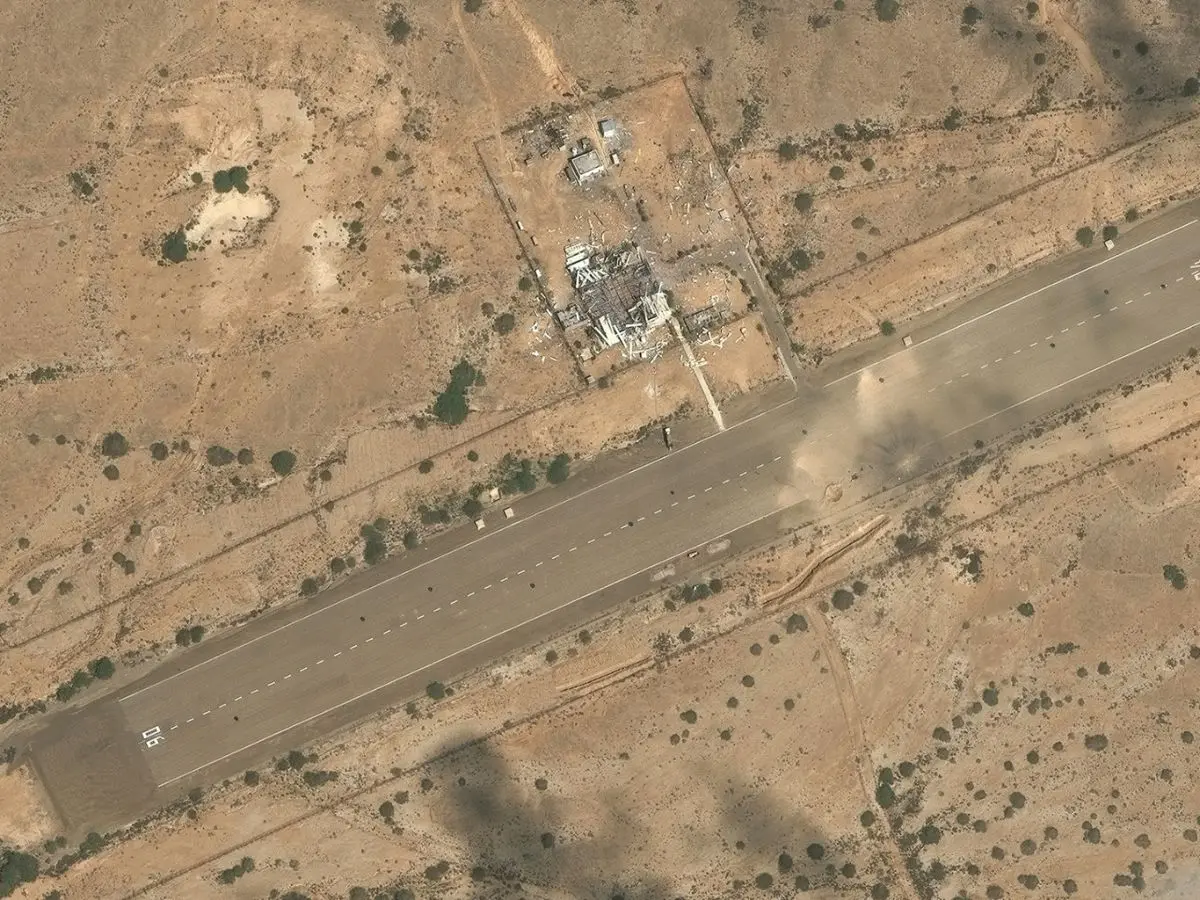
According to a Wall Street Journal report, satellite images showed damage caused to launchers as debris burned near the entrance to several of these facilities. It is believed that most of Tehran’s remaining stockpile of thousands of medium- and short-range missiles is placed in underground bases, whose locations aren’t secret to the US and Israel. While these bases were designed to shield missiles from airstrikes, their fixed locations make them easier to monitor and target.
Iran’s missile launches drop
On Wednesday (Mar 4), US Central Command said that Iran’s missile launches have dropped 86 per cent in four days as the US military continues to attack the Islamic Republic.
US, Israel ‘hunting last remaining launchers’
“We’re hunting Iran’s last remaining ballistic missile launchers to eliminate what I would characterize as their lingering ballistic missile capability,” said Adm. Brad Cooper, the top U.S. commander in the Middle East. “We’re seeing Iran’s ability to hit us and our partners is declining.”
‘Race against time’
Meanwhile, military experts have cautioned that Washington could lose a critical “race against time” with Iran if American interceptor missile stocks begin to run dry. Reportedly, the US could run out of interceptor stocks in “a matter of days,” as the conflict widens.
Cheap drones vs expensive interceptors
James Alexander “Sandy” Winnefeld Jr, former vice-chairman of the Joint Chiefs of Staff, said that Iran was relying on cheap drones and missiles to strike US bases and allied targets in the region. On the other hand, the US is relying on far more expensive air defence interceptors to shoot them down. While the Iranian Shahed drone costs around $20,000, interceptors used to destroy them, such as the Patriot missile system, can cost about $4 million.
‘Who runs out first?’
“It’s the sophisticated air defence munitions that I would be worrying about right now – the Patriots, the AMRAAM missiles that are out there,” he said. “Do we have enough of those in a race against Iran’s inventory of Shahed drones and ballistic missiles? Who runs out first? It’s a race against time.”
US-Israel-Iran war
On February 28, the US and Israeli military launched strikes on Iran, killing Iran’s supreme leader Ali Khamenei and several other top Iranian officials. The operation was named ‘Epic Fury’ by the US and ‘Lion’s Roar’ by Israel. The attacks came amid heightened tensions between Washington and Tehran and ongoing talks over Iran’s nuclear program. In retaliation, Iran launched attacks on Israel and US military bases in the region, including in Bahrain, Kuwait, the UAE, Qatar, Saudi Arabia, and Jordan.
Disclaimer: WION takes utmost care to accurately and responsibly report ongoing conflicts in West Asia involving Israel, Iran, the US, Gulf nations and non-state actors like Hezbollah, Hamas, Houthis, Islamic State, and others. Claims and counterclaims, disinformation and misinformation are being made online and offline. Given this context, WION cannot independently verify the authenticity of all statements, social media posts, photos and videos.
)
)
)
)
)