Are humans' hybrids of aliens and chimps? Here's why we struggle to explain our own existence

The so-called “missing link” is less about a single fossil and more about explaining how an ape-like ancestor became a modern human with abstract reasoning. The leaps often seem abrupt, leaving gaps that evolutionary theory alone struggles to fully bridge.
Who are we?
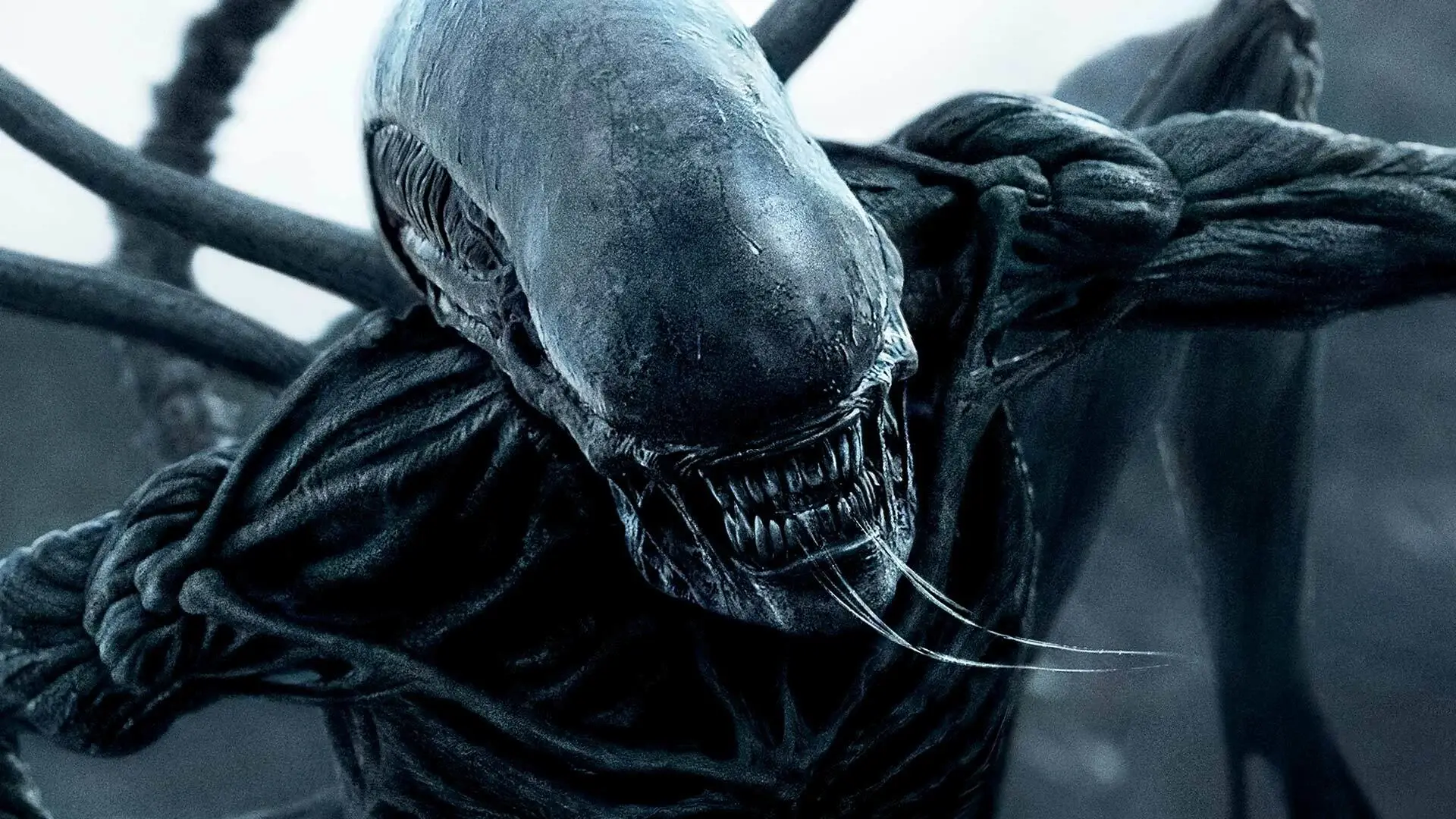
For centuries, humans have looked up at the stars and wondered about their place in the universe. Yet the strangest mystery may not lie out there, it might be us. Modern science has mapped out the tree of life with remarkable detail, but when it comes to humans, the story isn’t as neat as we’d like. Despite sharing 98–99 per cent of our DNA with chimpanzees, the gap in intelligence, culture, and consciousness between us and our closest relatives remains staggering. This has led some scientists, philosophers, and speculative thinkers to ask: are humans truly the product of natural evolution, or could our origins be stranger, perhaps even hybrid in nature?
The Genetic Puzzle of Being Human
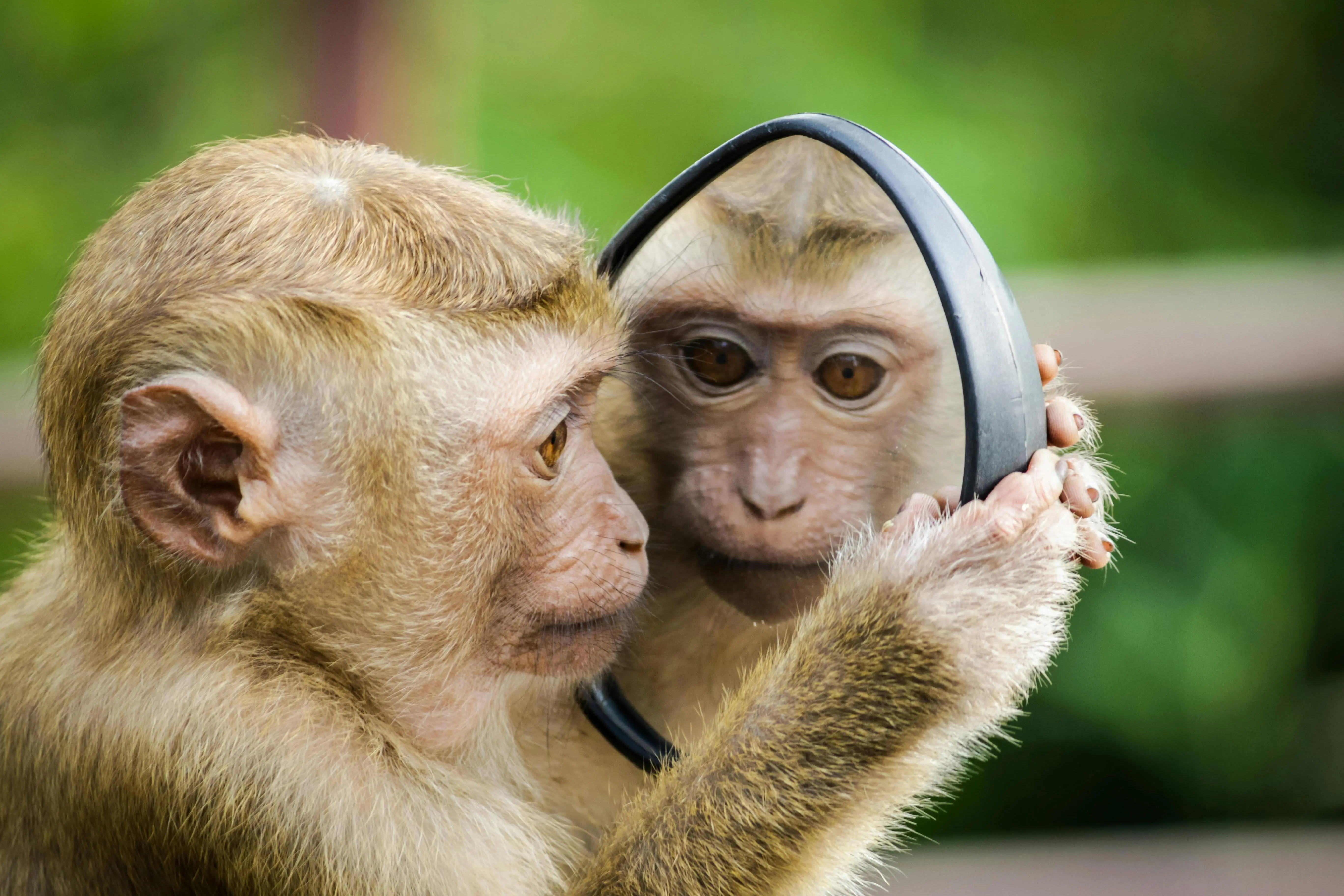
DNA studies show that humans and chimpanzees split from a common ancestor around 6–7 million years ago. On paper, the difference is tiny. But in reality, no other primate species comes close to matching human language, symbolic thinking, or technological progress. A mere percentage point in DNA accounts for art, mathematics, space travel, and the ability to question existence itself. That disproportionate leap raises questions: did evolution move unnaturally fast in our case, or did some other factor accelerate it?
Some geneticists note unusual features in the human genome. For example, humans have fused chromosomes, our chromosome 2 is the result of two ancestral ape chromosomes merging into one. Such a change is rare and dramatic in evolutionary terms. Was it simply a lucky mutation, or did it come from deliberate interference?
The Missing Link Problem
The fossil record also complicates things. Paleoanthropologists have discovered numerous hominin species, Australopithecus, Homo habilis, Homo erectus but the exact transitions between them remain debated. The so-called “missing link” is less about a single fossil and more about explaining how an ape-like ancestor became a modern human with abstract reasoning. The leaps often seem abrupt, leaving gaps that evolutionary theory alone struggles to fully bridge.
This is where alternative ideas creep in. If a more advanced intelligence once interacted with early hominins, could that explain the sudden boosts in brain size, tool use, and social complexity?
The Alien Hybrid Hypothesis
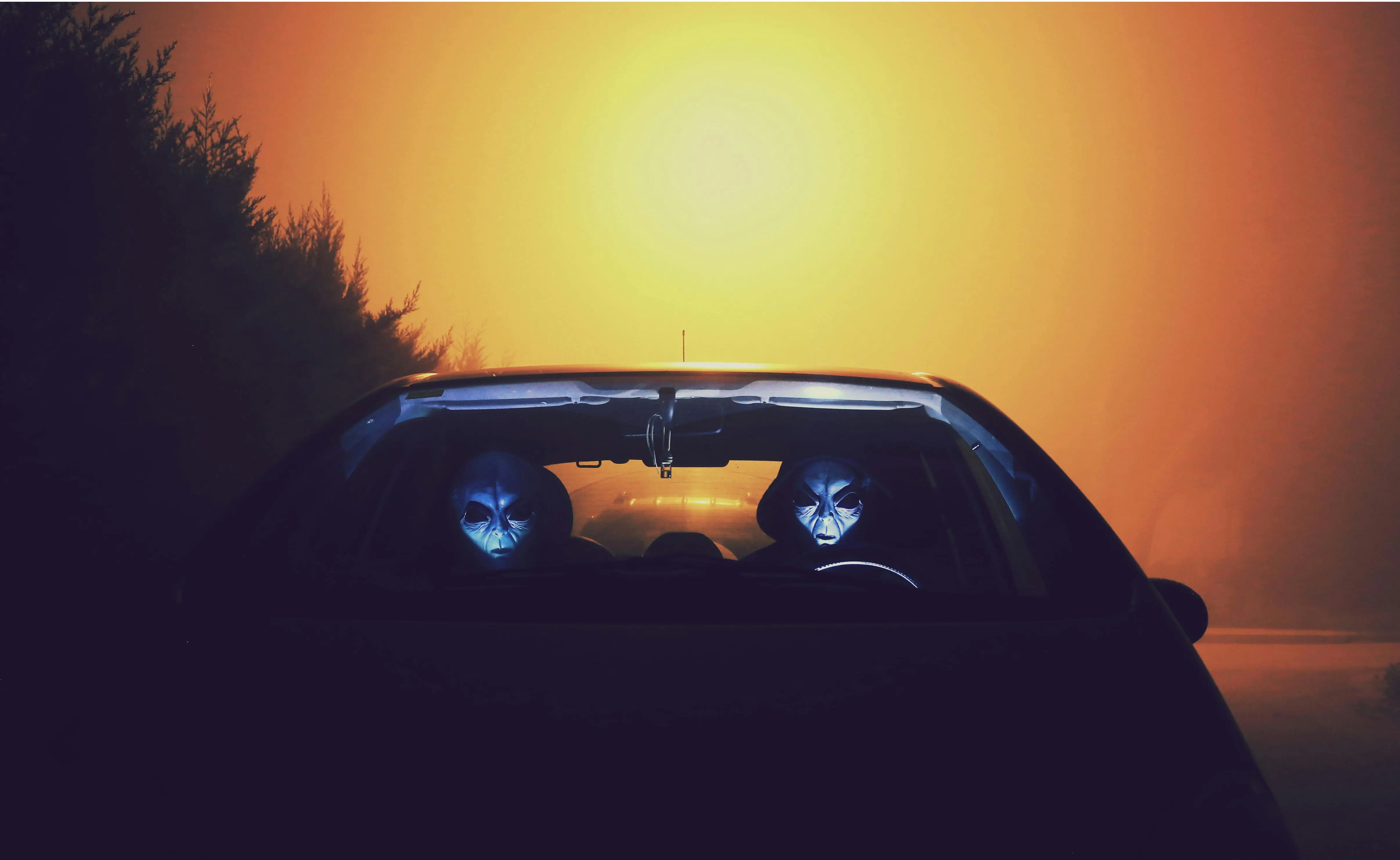
Some theorists argue that humans could be a hybrid species—part primate, part something else. The idea draws on myths, religious texts, and modern UFO lore. Ancient cultures from the Sumerians to the Mayans often spoke of “gods” descending from the sky, teaching agriculture, mathematics, and astronomy. Were these gods symbolic, or were they early memories of contact with beings not from Earth?
Proponents of the hybrid theory suggest a scenario: extraterrestrial visitors, perhaps searching for resources or experimenting with genetics, may have altered the DNA of early hominins to create a more intelligent species. This could explain not only our rapid cognitive leap but also the lingering feeling of being “different” from the rest of Earth’s creatures.
Why Humans Don’t Fit In
Even without invoking aliens, humans stand out as an anomaly in nature. Our intelligence is far ahead of survival needs. No other species writes poetry, launches rockets, or worries about the heat death of the universe. We also have unusually long childhoods, complex languages, and a dependence on culture rather than instinct to survive.
There are also biological oddities:
Weak physical resilience compared to other primates (fragile spines, weak newborns, high risk in childbirth).
Unusual brain-to-body ratio, with energy-hungry brains that consume 20 per cent of our calories.
Rapidly evolving traits, such as bipedalism and speech organs, which seem unusually accelerated compared to evolutionary timelines.
Some scientists argue these are just quirks of evolutionary pathways. Others, however, see them as signs of “artificial tweaking.”
Skepticism and Scientific Grounding
It’s important to stress: mainstream science does not support the alien-hybrid hypothesis. Evolutionary biology explains human traits as the result of natural selection, genetic drift, and environmental pressures. The so-called “gaps” often narrow as new fossils and genetic data emerge. The idea of aliens splicing our DNA remains speculative without hard evidence.
But science also thrives on questioning. Even Carl Sagan, a fierce skeptic of UFO claims, admitted that the possibility of extraterrestrial life and even past interactions, couldn’t be dismissed outright without investigation.
Philosophy, Myth, and the Human Question
Whether literal or symbolic, the hybrid idea reflects a deeper truth: humans feel out of place. We are animals, yet we spend much of our time trying to transcend animal limitations—through technology, religion, and exploration. Ancient myths of sky gods or star ancestors may reflect this existential discomfort. If we don’t fit neatly into Earth’s evolutionary story, perhaps we created stories to explain that dissonance.

So, What Are We?
Are humans the accidental genius of evolution, the beneficiaries of cosmic luck, or a deliberately engineered hybrid species? The truth may lie in a mix of science and mystery. Genetic evidence shows our ape ancestry is undeniable, but the speed and scope of our intelligence remain puzzles. Until science fully explains the gaps, speculation will continue.
In the end, the alien-hybrid hypothesis may not be about proving literal alien DNA in our cells, it may be about confronting the deeper mystery of human uniqueness. Why us, and not another species, became conscious dreamers of the stars? Perhaps the real answer isn’t in the past, but in the future, when we, like Voyager, step into interstellar space and become the very “aliens” we once imagined created us.
)
)
)
)
)