Are commercial flights at risk? What the new UFO files reveal about near-misses in the sky

Declassified UAP files indicate unknown craft frequently breach commercial flight corridors, raising urgent questions about civilian aviation safety.
The Hazard in the Skies
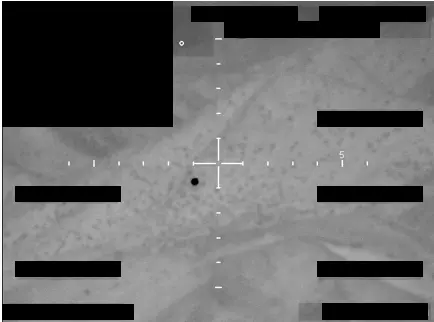
While much of the UAP discussion focuses on military encounters, the newly declassified files reveal a troubling number of incursions into civilian airspace, placing commercial flights in potential danger.
The Lake Huron Precedent
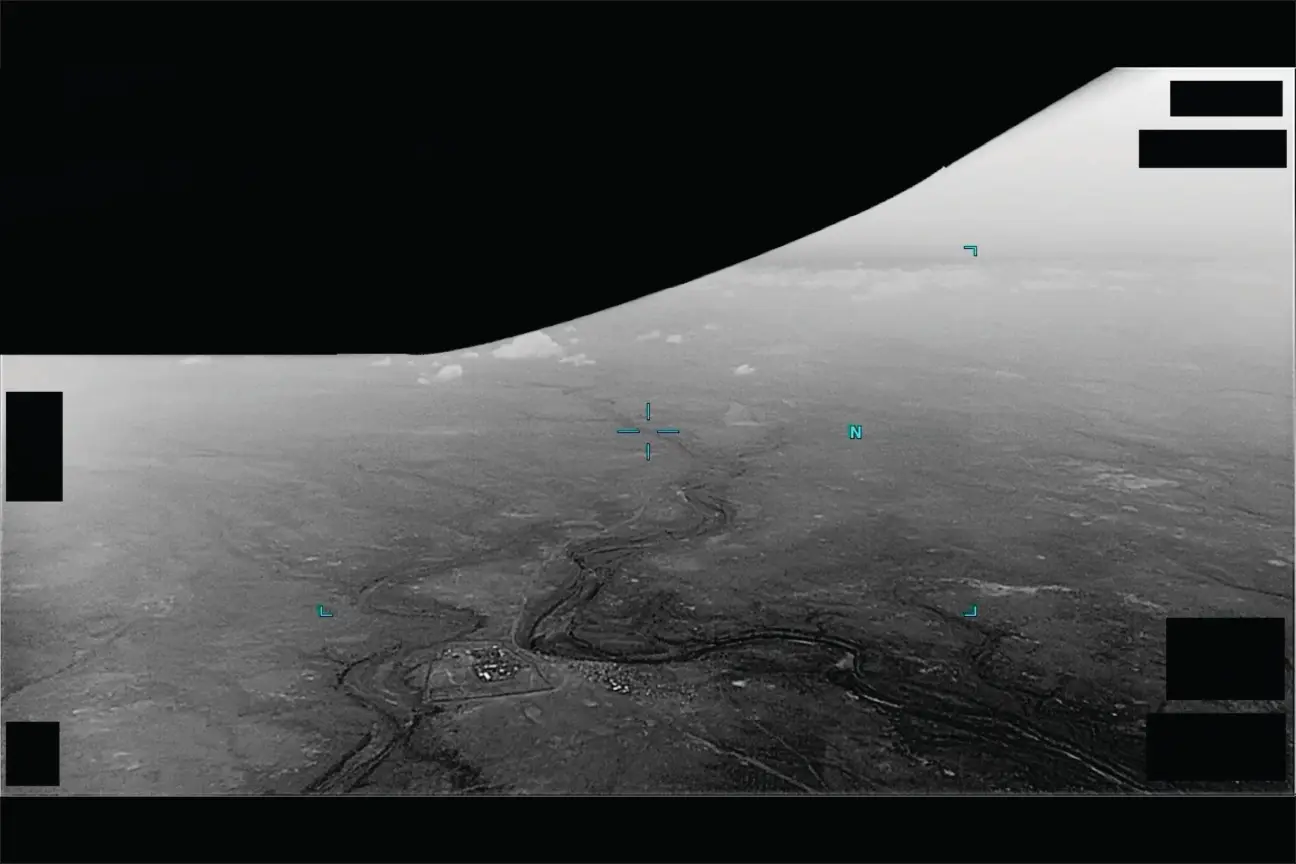
The military justified shooting down the object over Lake Huron in 2023 specifically because its altitude and trajectory posed a direct threat to commercial aviation routes over the Great Lakes.
Near-Misses with Commercial Jets
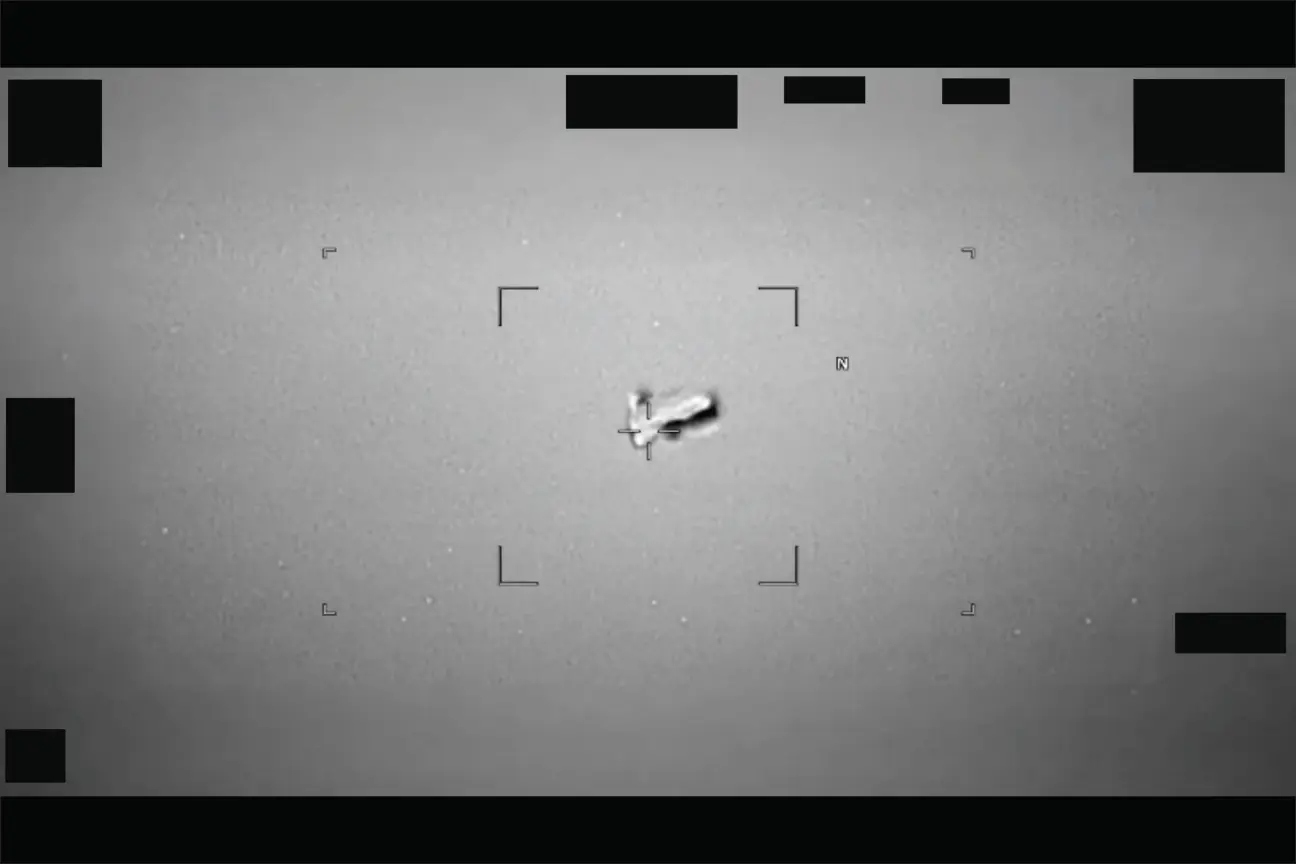
Historical data within the release includes reports from commercial airline pilots who witnessed anomalous objects flying in close proximity to their aircraft, often moving at speeds that defied logic.

Radar Anomalies and Ghost Tracks
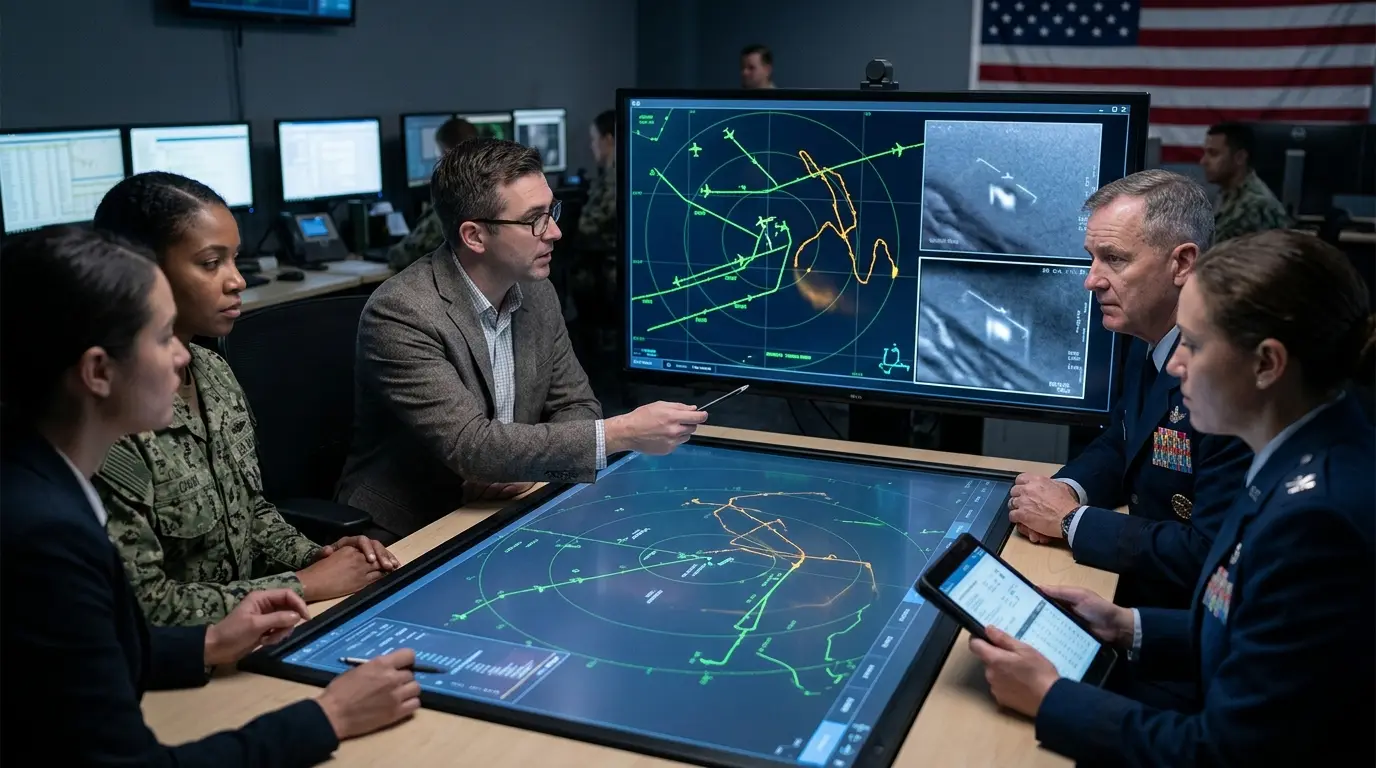
Air traffic controllers have documented instances of ‘ghost tracks’—radar returns of objects that maneuver erratically through active flight paths without transponders or communication.
FAA and NORAD Coordination
The PURSUE initiative highlights the growing coordination between the FAA and NORAD to track these objects in real-time, attempting to divert commercial traffic away from UAP hotspots.
The Danger of Transmedium Craft
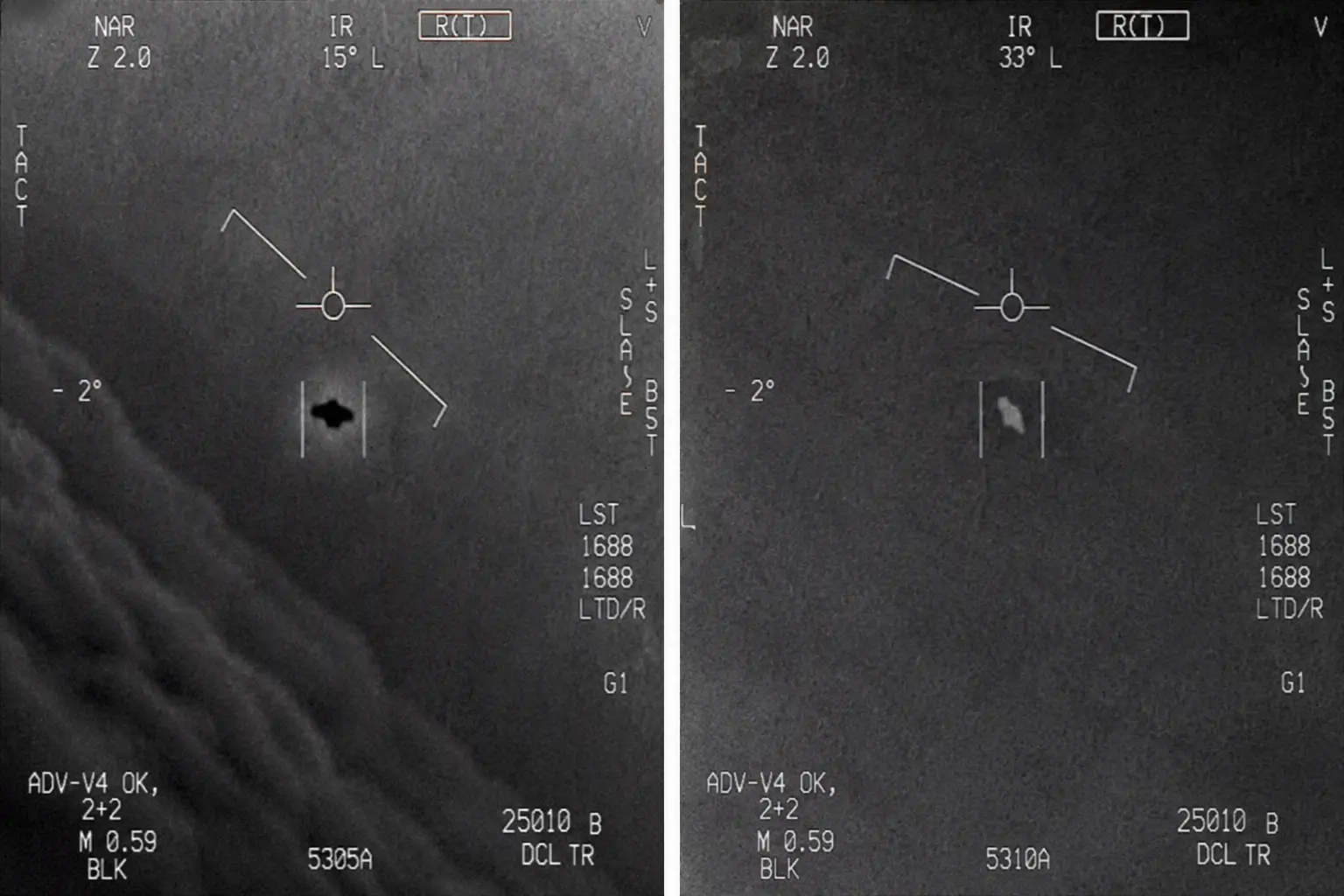
The unpredictable nature of transmedium UAPs—objects that can rapidly ascend from the ocean into flight corridors—makes them incredibly difficult for conventional air traffic control to track and avoid.
A Call for New Safety Protocols
Aviation experts are now urging the implementation of new safety protocols and reporting mechanisms for civilian pilots to document UAP encounters without fear of professional stigma.
)
)
)
)
)