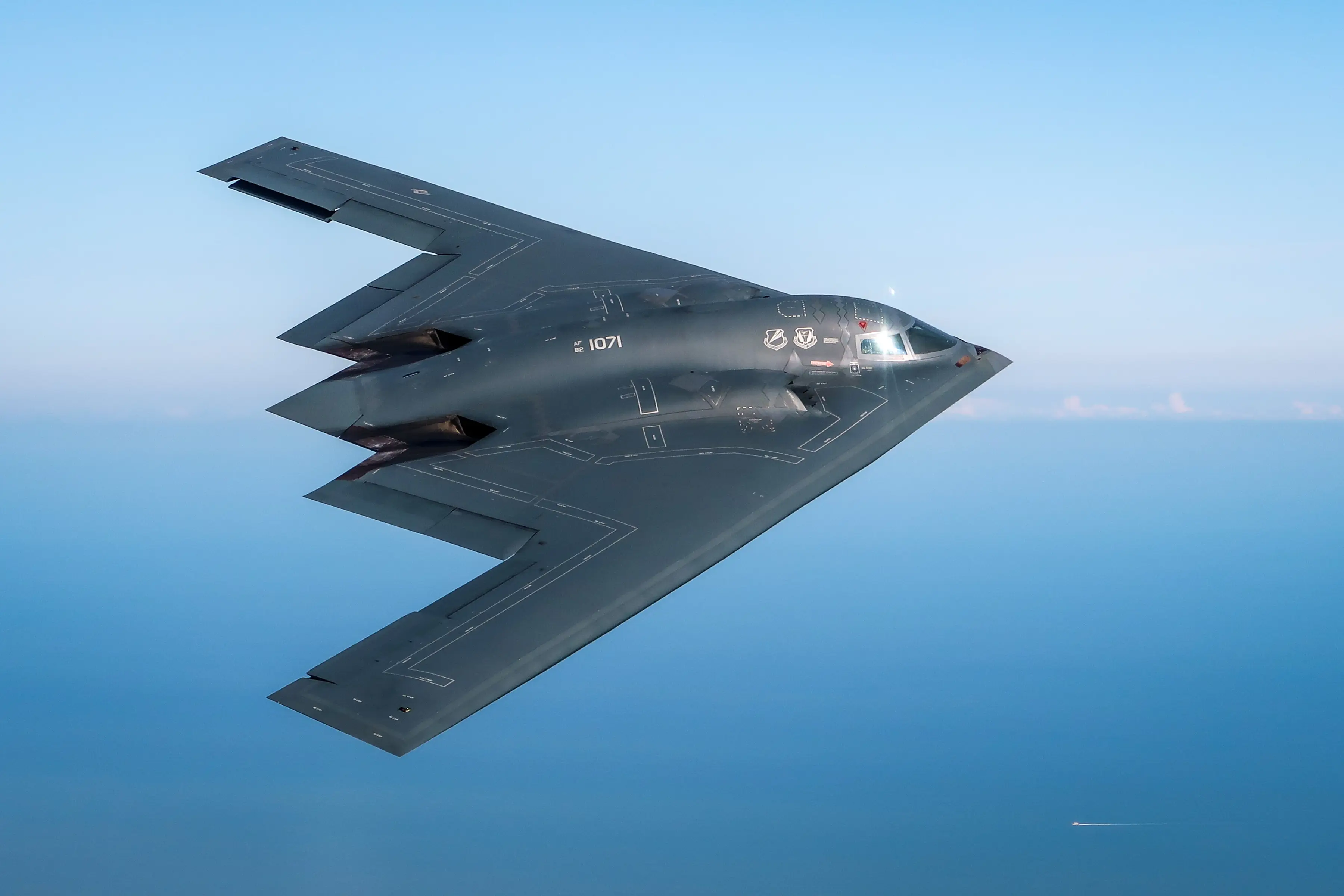
Are B-2 Bombers coming? Will Trump use the 'Spirit' to strike Iran amid protests

The primary kinetic option involves a high-intensity aerial campaign specifically designed to break the back of the Islamic Revolutionary Guard Corps (IRGC).
1. The Context: A Regime on the Brink
By mid-January 2026, the geopolitical landscape in Tehran has shifted irrevocably. What commenced as scattered economic grievances in late 2025 has metastasised into a formidable nationwide uprising, with the populace openly calling for the fall of the Islamic Republic. Following a brutal crackdown that has reportedly left thousands of civilians dead, the Trump administration has issued a final ultimatum to Tehran. The White House views this not merely as civil unrest, but as a pivotal historical moment to fracture the regime's forty-seven-year hold on power. With diplomatic avenues exhausted and US forces in the Persian Gulf at their highest state of readiness, Washington is poised to intervene, shifting its strategy from containment to active degradation of the regime's survival mechanisms.
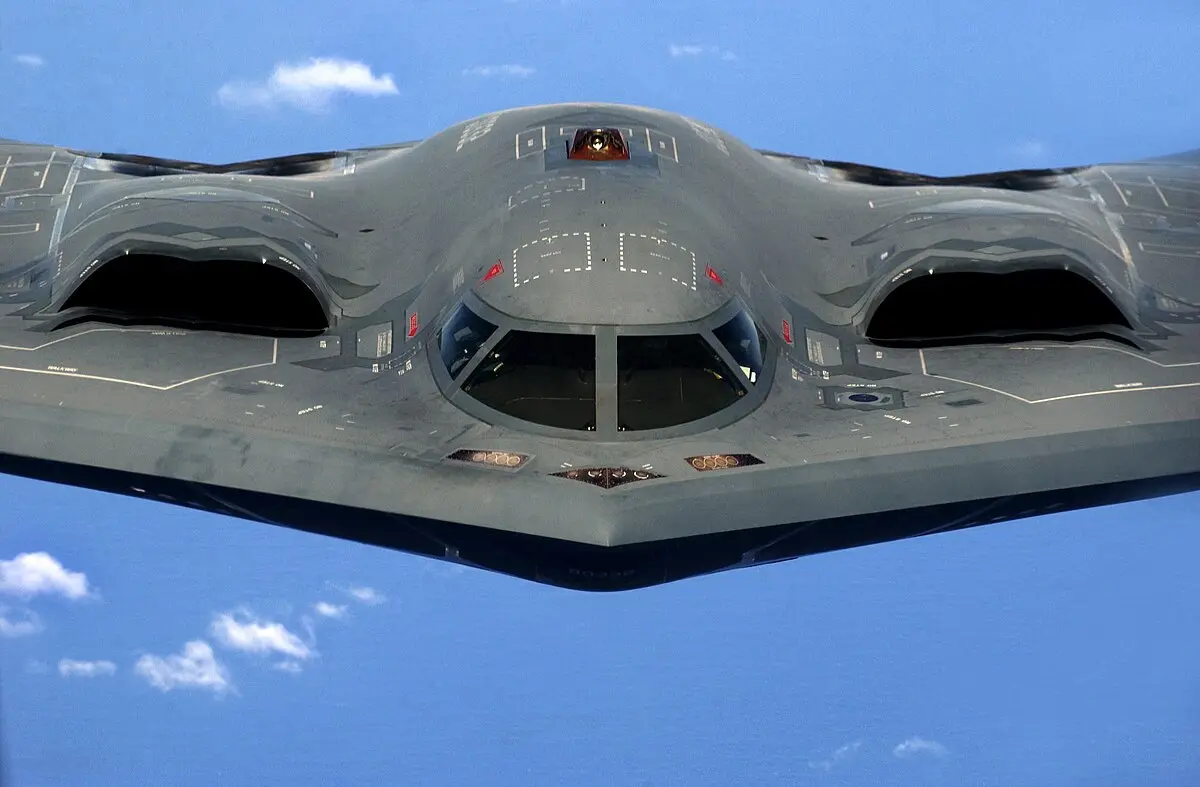
2. Aerial Dominance: Degrading the IRGC’s Iron Fist
The primary kinetic option involves a high-intensity aerial campaign specifically designed to break the back of the Islamic Revolutionary Guard Corps (IRGC). Operating from forward bases in the Gulf and utilising carrier-based aircraft from the Arabian Sea, the US Air Force and Navy would execute precision strikes against IRGC command centres, Basij paramilitary barracks, and vehicle depots currently being used to mobilise anti-riot forces. Unlike previous operational plans focused on nuclear facilities, this campaign would prioritise 'counter-force' targets to directly alleviate pressure on the protesters. By destroying the regime's ability to coordinate large-scale troop movements and communicate with field commanders, the US aims to create a security vacuum that the opposition movement can exploit to seize control of key cities.
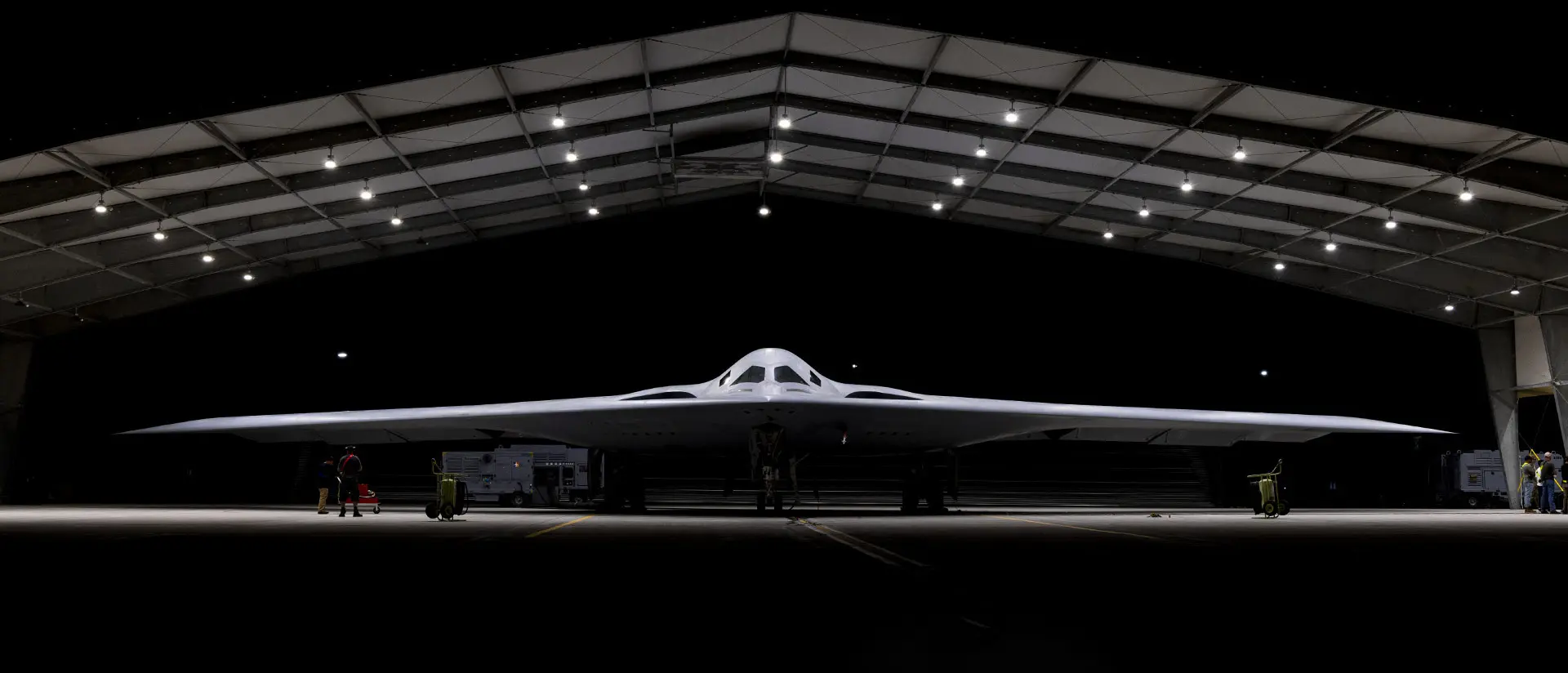
3. Cyber-Kinetic Warfare: The 'Blackout' Strategy
In a sophisticated hybrid warfare manoeuvre, US Cyber Command would likely initiate a 'Blackout' strategy to blind the regime while illuminating the opposition. This involves a dual-pronged cyber offensive: firstly, aggressive malware attacks would target the internal encrypted networks and surveillance grids used by the Iranian security services, rendering their command and control infrastructure inoperable. Secondly, the US would deploy high-altitude assets and leverage commercial satellite constellations, such as Starlink, to puncture the state-imposed internet blackout. By flooding the country with uncensored connectivity, Washington would empower protesters to organise effectively and broadcast real-time evidence of regime atrocities to the international community, thereby solidifying global diplomatic support.
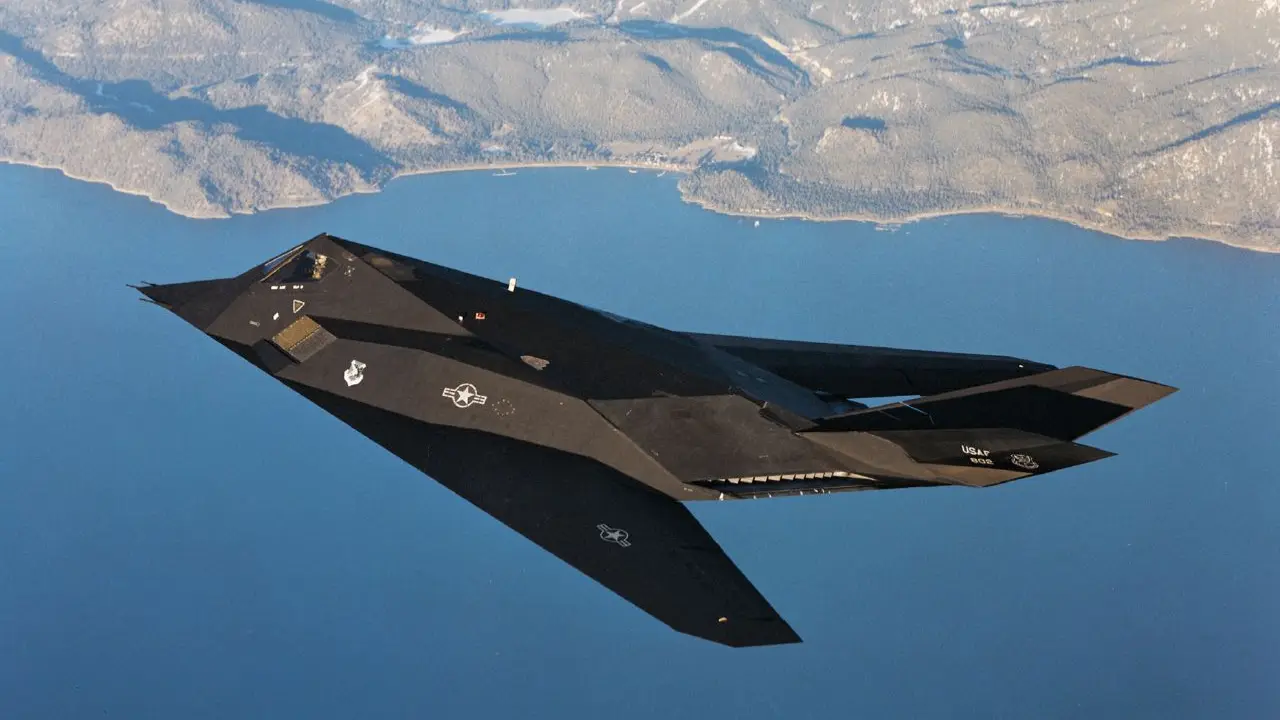
4. Stand-off Missile Barrages: The Tomahawk Option
Cognisant of the risks to American pilots in contested airspace, military planners have prepared a 'stand-off' strike package relying heavily on naval power. US guided-missile destroyers positioned in the Red Sea and nuclear-powered submarines lurking in the Persian Gulf would launch waves of Tomahawk Land Attack Missiles (TLAMs) against fixed high-value targets. This option allows the US to dismantle critical military infrastructure—such as ballistic missile production facilities and drone factories—from a safe distance. This strategy not only minimises the risk of US casualties but also serves as a potent psychological weapon, demonstrating that the regime's assets can be obliterated with impunity, regardless of their proximity to populated centres.
5. Targeting the Arteries: Energy Infrastructure Strikes
Should the conflict escalate further, the US retains the option to strike at the economic lifeblood of the Islamic Republic: its energy sector. Precision strikes would target the oil refineries and export terminals on Kharg Island and in Abadan, effectively zeroing out the regime's revenue streams. While this course of action carries the risk of destabilising global energy markets, it is calculated to bankrupt the state rapidly, cutting off the funds necessary to pay the wages of the security forces and bureaucracy. The strategic logic posits that unpaid soldiers are far more likely to defect or abandon their posts, thereby accelerating the collapse of the regime's internal security apparatus.
6. Decapitation Strikes: Removing the Leadership
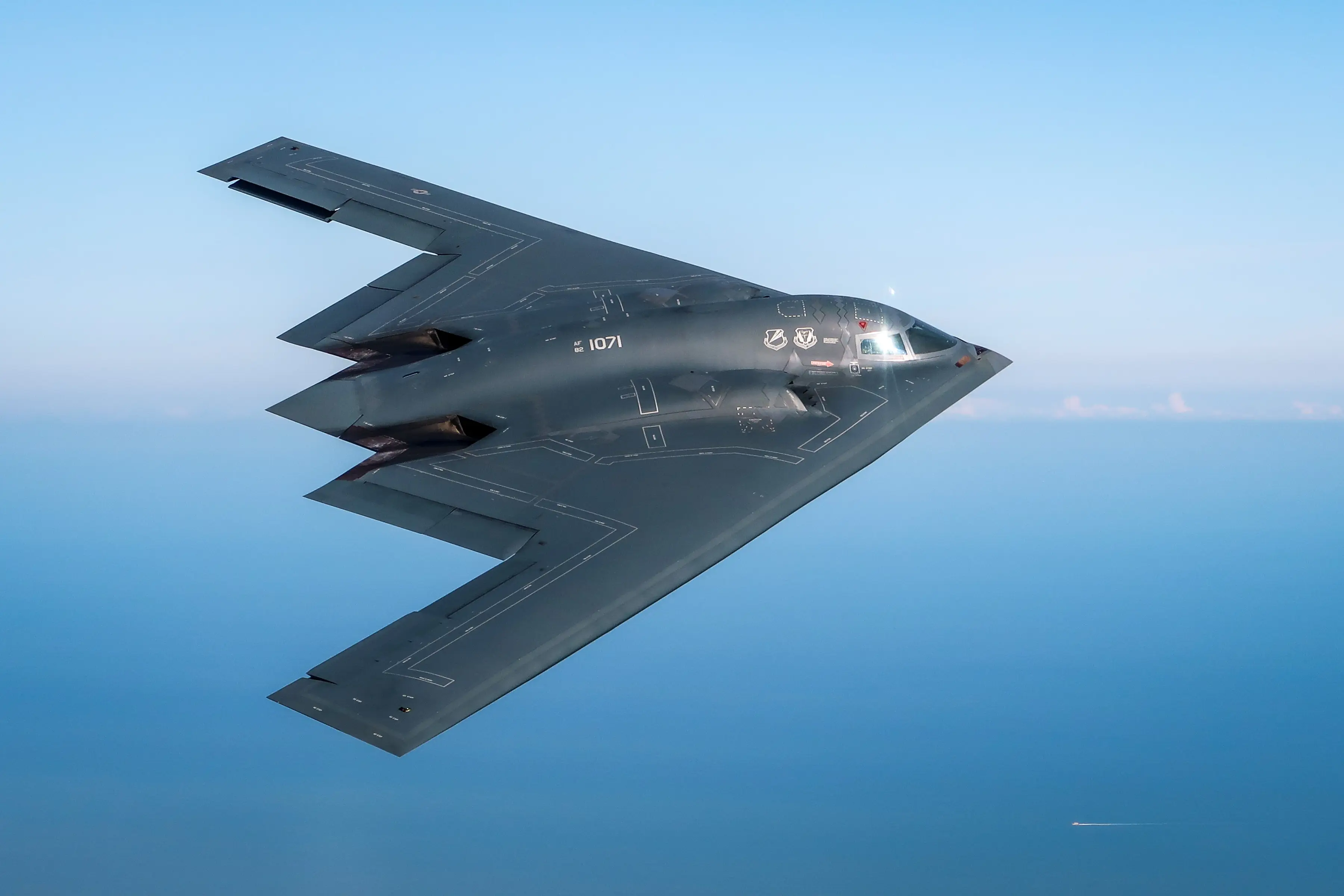
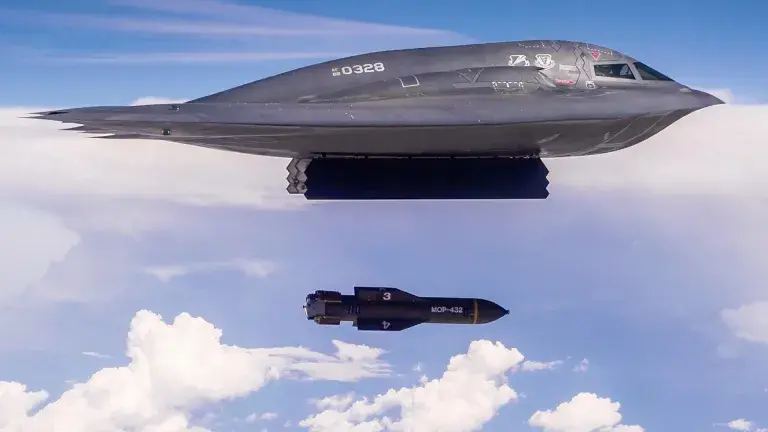
In the event of a total breakdown in order or an imminent threat to US interests, the Pentagon may authorise 'decapitation strikes' aimed at the regime’s upper echelon. Leveraging real-time human intelligence (HUMINT) and advanced signals intelligence (SIGINT), the US would utilise armed drones and stealth aircraft to target specific IRGC generals, intelligence directors, and key political figures deemed responsible for the violence. Reminiscent of the 2020 strike on Qasem Soleimani, these targeted attacks are designed to sow paranoia and chaos within the leadership circle, forcing them into hiding and preventing them from effectively directing the counter-revolution, thus leaving their subordinates leaderless and demoralised.
7. The Aftermath: A Region in the Balance
The culmination of these military actions is not intended to be a long-term occupation but a decisive 'shove' to topple the existing order. However, the aftermath poses significant challenges for regional stability. Intelligence assessments predict that a cornered Tehran might attempt to activate its remaining proxy networks in Iraq, Syria, and Yemen to launch asymmetrical retaliatory attacks against US and allied assets. Consequently, US forces would need to maintain a robust defensive posture across the Middle East to contain any spillover violence. The ultimate objective remains a controlled transition, paving the way for a new political reality in Iran, though the path there is fraught with the danger of a wider, unpredictable regional conflagration.
)
)
)
)
)