Apollo, Columbia, Challenger: The 7 deadliest spaceflight accidents that changed history

Despite meticulous engineering and rigorous protocols, several missions have ended in tragedy. This list examines seven of the most serious accidents and disasters in the history of space exploration.
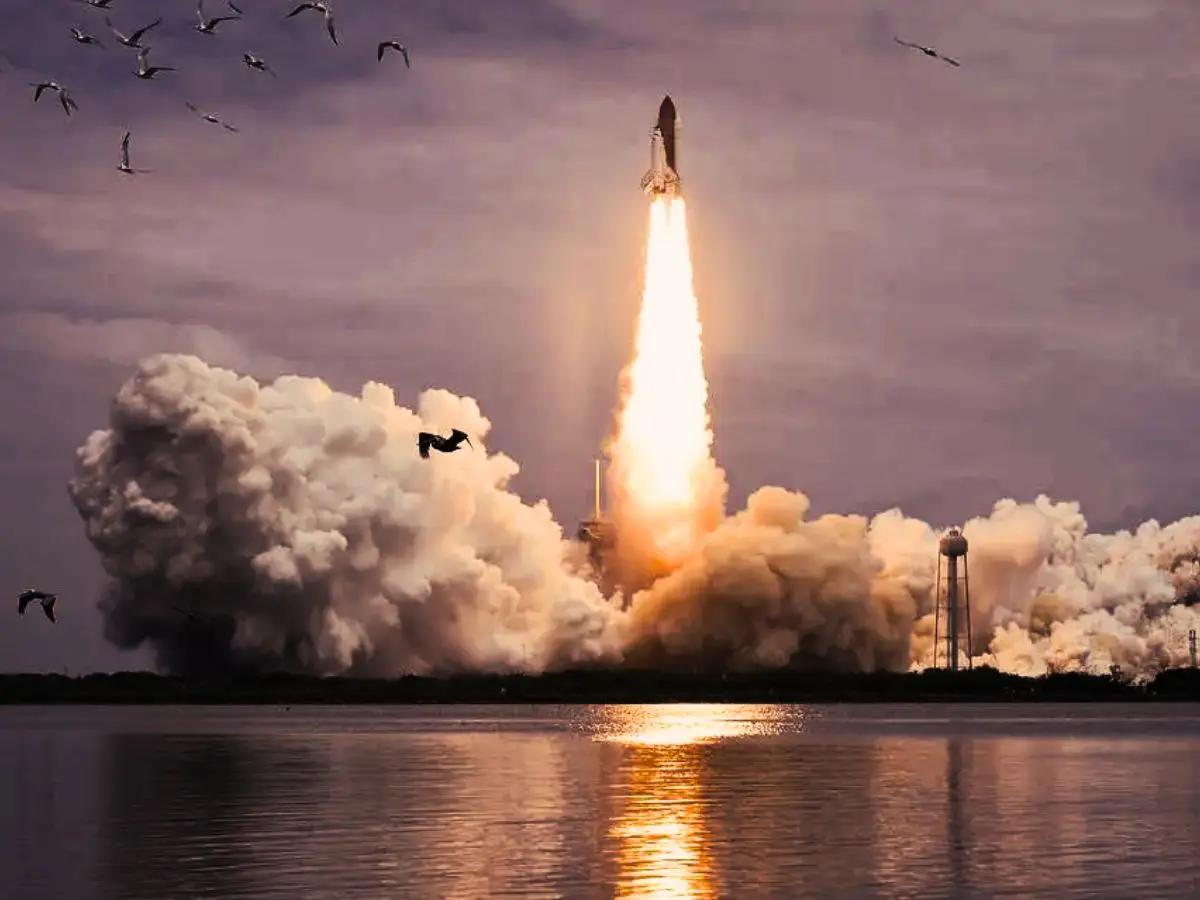
Introduction – The Risks of Reaching Space
Travelling beyond Earth involves navigating high-velocity launches, zero-gravity operations, and volatile propulsion systems, all under extreme conditions. Despite meticulous engineering and rigorous protocols, several missions have ended in tragedy. This list examines seven of the most serious accidents and disasters in the history of space exploration, each offering hard-earned lessons that shaped future missions.
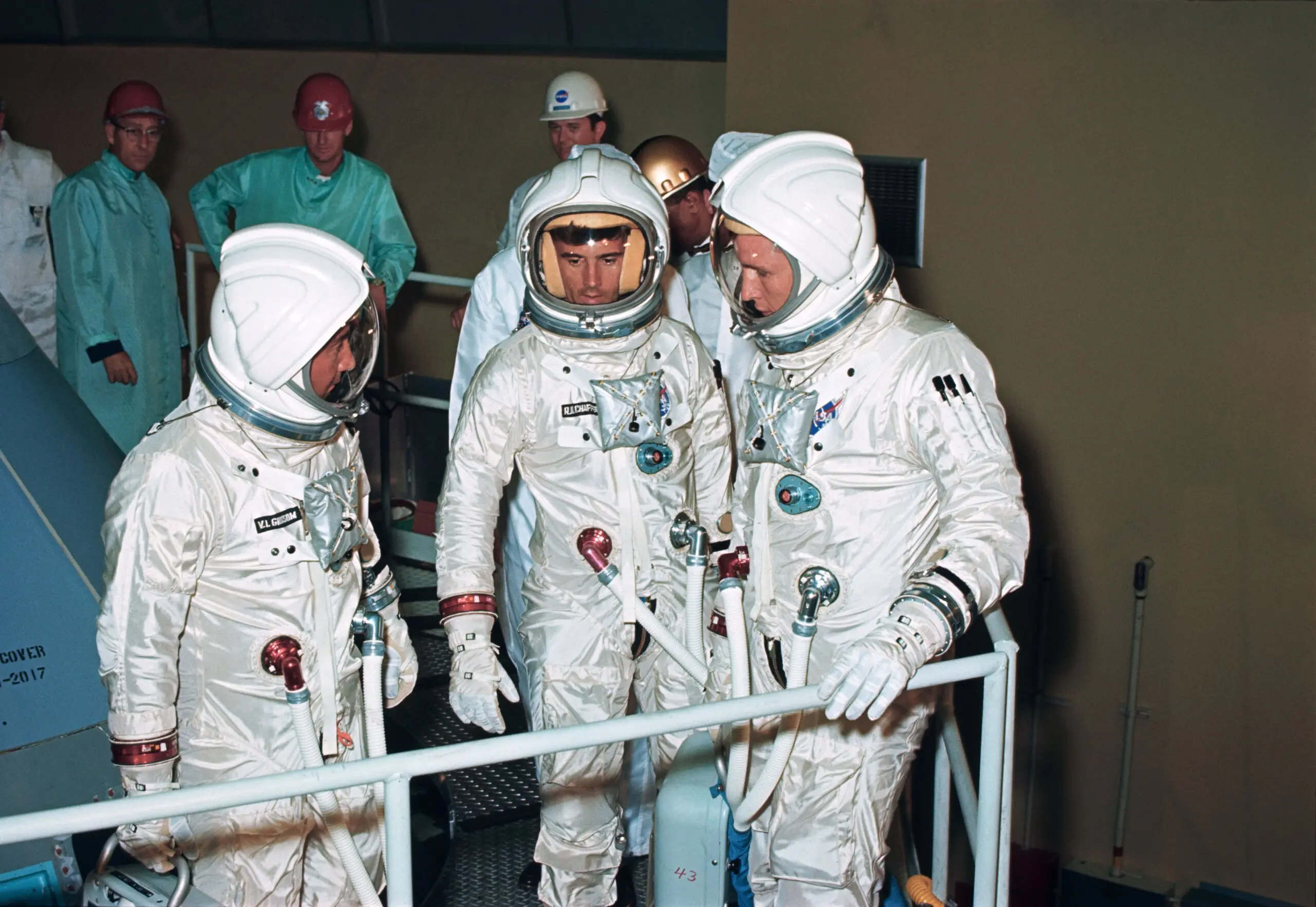
Apollo 1 – Pre-Launch Fire (1967)
On 27 January 1967, astronauts Gus Grissom, Ed White, and Roger B. Chaffee died during a ground test of the Apollo 1 spacecraft at Kennedy Space Center. A fire broke out inside the command module, fuelled by the pure oxygen environment and flammable materials. The crew could not escape due to the inward-opening hatch and rapid spread of the fire. The disaster halted the Apollo programme temporarily and led to major design and safety revisions, including a new hatch system and reduced flammability of interior components.

Challenger Disaster – In-Flight Explosion (1986)
The space shuttle Challenger disintegrated 73 seconds after liftoff on 28 January 1986, killing all seven crew members, including civilian teacher Christa McAuliffe. The cause was a failure of O-ring seals in the right solid rocket booster, made brittle by unusually cold temperatures. Hot gases escaped and ignited the external fuel tank. The accident led to the suspension of the shuttle programme and a presidential inquiry, the Rogers Commission, which criticised NASA's decision-making processes.
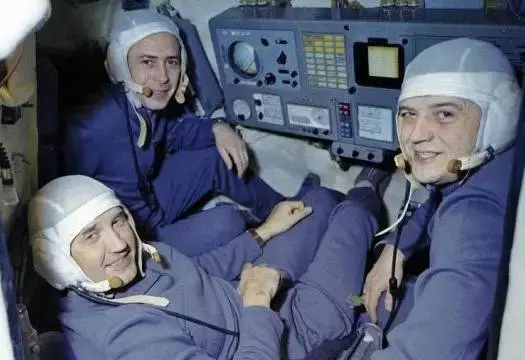
Soyuz 11 – Cabin Depressurisation (1971)
On 30 June 1971, the three-man crew of Soyuz 11—Georgi Dobrovolski, Viktor Patsayev, and Vladislav Volkov—died during reentry when a pressure-equalisation valve opened prematurely. The crew, who had just completed a 23-day mission aboard the Salyut 1 space station, were not wearing pressure suits and suffocated in seconds. The Soviet space programme subsequently required all cosmonauts to wear suits during critical mission phases.
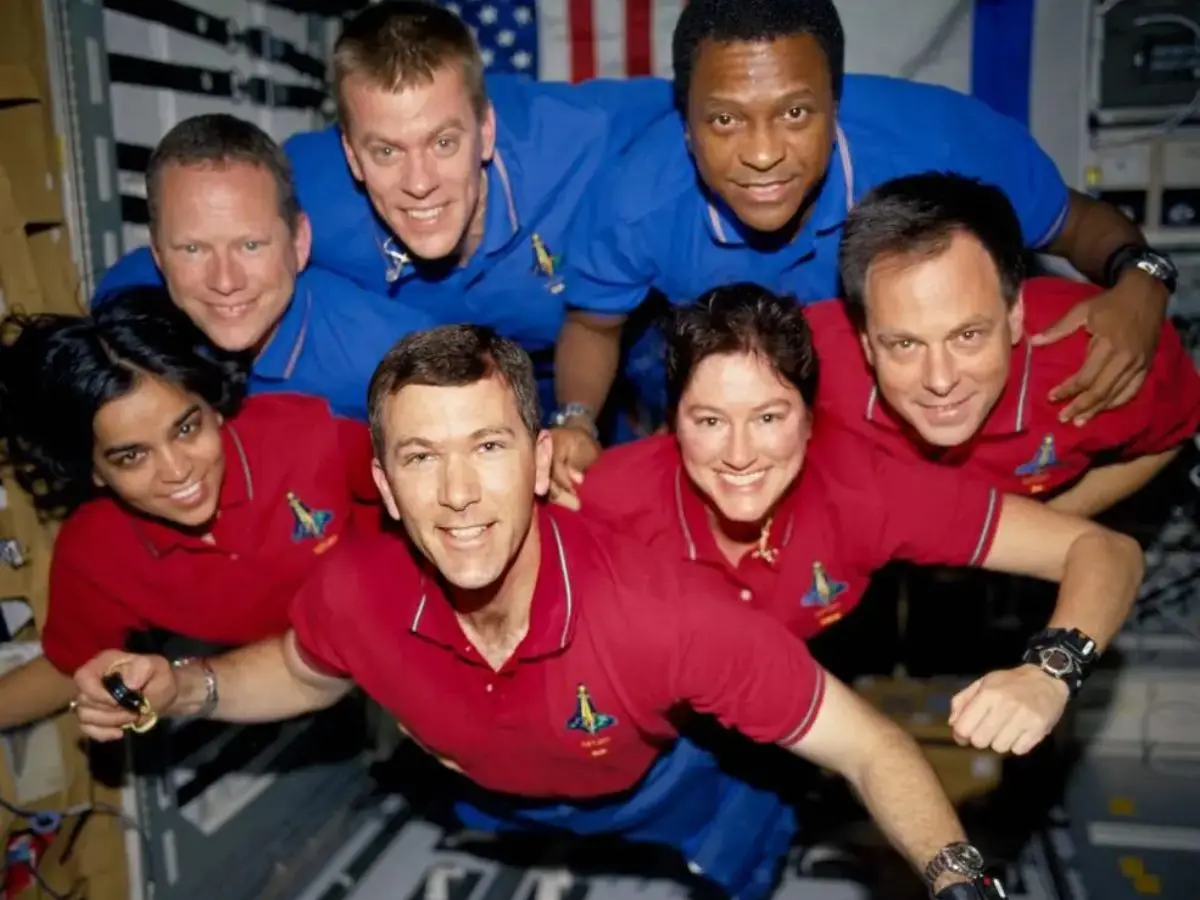
Columbia Disaster – Reentry Failure (2003)
On 1 February 2003, the Columbia shuttle disintegrated during reentry, killing all seven crew members. A piece of insulating foam had detached from the external tank during launch and struck the shuttle’s left wing, damaging thermal protection tiles. Upon reentry, hot atmospheric gases penetrated the wing structure, leading to the shuttle’s breakup. The Columbia Accident Investigation Board highlighted NASA’s organisational flaws and the failure to act on known risks. The shuttle programme was again suspended.
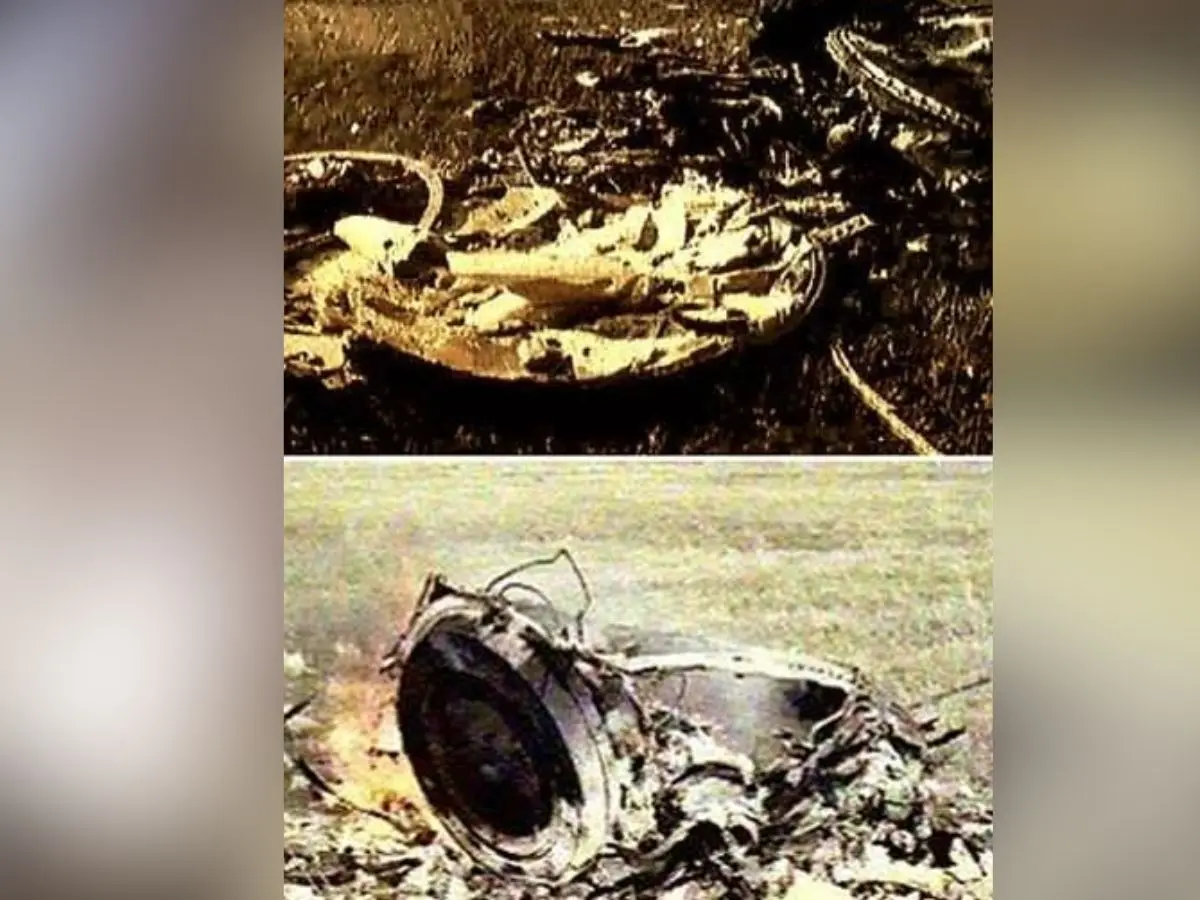
Soyuz 1 – Parachute Malfunction (1967)
Soviet cosmonaut Vladimir Komarov died on 24 April 1967 during the reentry of Soyuz 1. The spacecraft had suffered from technical issues throughout the mission, including failure of one solar panel. During descent, the main parachute failed to deploy properly, and the capsule crashed at high speed. Komarov was the first human to die during a spaceflight. The incident prompted a redesign of the Soyuz spacecraft.
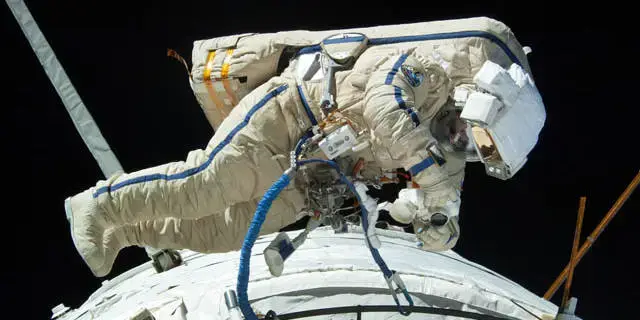
ISS Expedition 36 – Spacesuit Water Leak (2013)
During a spacewalk on 16 July 2013, ESA astronaut Luca Parmitano experienced a water leak inside his helmet. The water originated from the suit’s cooling system, not the drinking supply, and quickly spread around his head, impairing his vision and hearing. The EVA was aborted after 1 hour and 32 minutes, and Parmitano returned safely. NASA investigated and modified suit inspection procedures to prevent recurrence.
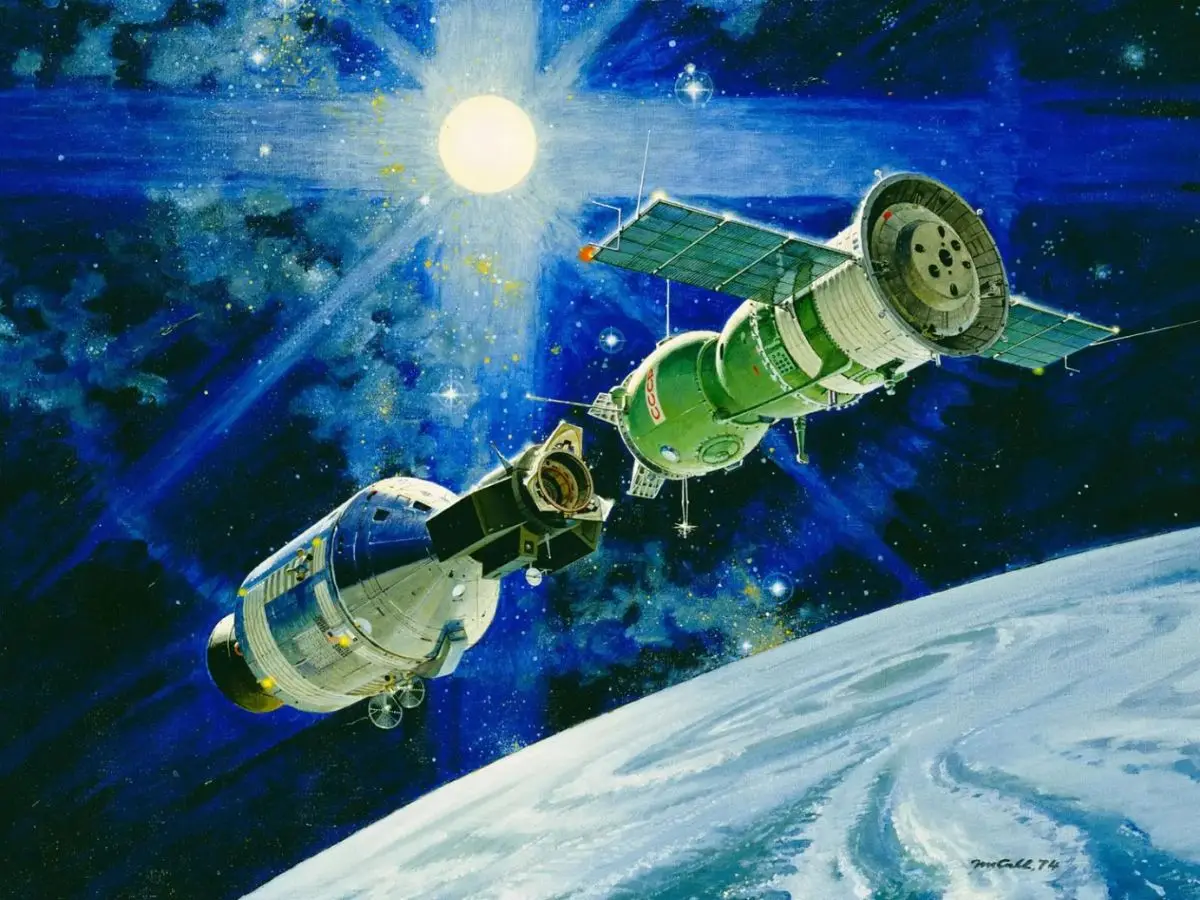
Apollo–Soyuz Test Project – Gas Inhalation Incident (1975)
On 24 July 1975, at the conclusion of the Apollo–Soyuz Test Project, a malfunction in the American spacecraft’s Reaction Control System released nitrogen tetroxide gas into the cabin during reentry. The three astronauts—Thomas Stafford, Deke Slayton, and Vance Brand—were exposed and developed chemical pneumonia. The spacecraft was ventilated upon landing, and all crew members recovered after treatment. The incident prompted adjustments in RCS procedures.
)
)
)
)
)