UFO Files: Understanding Apollo 17 astronaut Jack Schmitt’s 'lunar flash' report

Alongside the transcripts of visual anomalies, a newly unsealed document details a report from Apollo 17 astronaut Jack Schmitt. During his time on the moon, Schmitt reported seeing a sudden, unexplained ‘flash on the lunar surface north of Grimaldi [crater].’

The Final Lunar Mission
During Apollo 17, the final manned mission to the moon in 1972, astronaut Jack Schmitt experienced a highly unusual visual anomaly that was kept classified for decades.

The Unexplained Lunar Flash
According to a newly unsealed document, Schmitt urgently reported seeing a brilliant, sudden, and entirely unexplained ‘flash’ directly on the lunar surface.

The Grimaldi Crater
Schmitt pinpointed the exact location of the mysterious light burst, stating that it occurred just north of the massive Grimaldi crater on the western edge of the moon's near side.
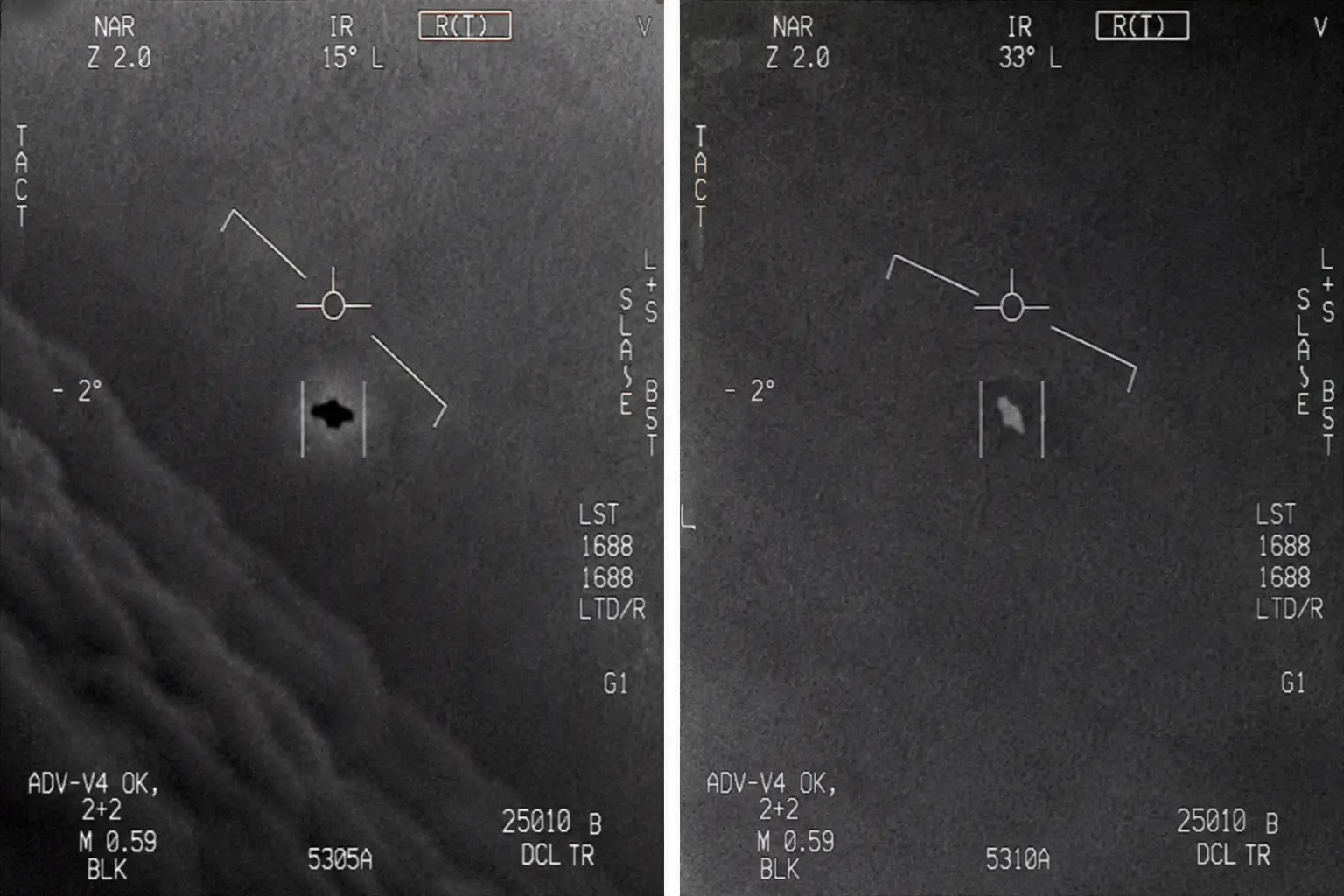
Transient Lunar Phenomena
The report adds immense credibility to the study of Transient Lunar Phenomena (TLP)—short-lived shifts in light, color, or appearance on the lunar surface that have long baffled astronomers.

Geological or Artificial?
While some scientists argue the flash could have been a meteor impact or outgassing, internal analysts flagged the event as potentially artificial in nature.

Mission Control's Silence
The documents reveal that Mission Control acknowledged the sighting but swiftly instructed the crew to shift to a secure channel, effectively burying the incident.

Implications for Artemis
With NASA's Artemis program preparing to return humans to the moon, Schmitt's ‘lunar flash’ report raises urgent questions about the true environment awaiting the next generation of astronauts.
)
)
)
)
)