Apache helicopter vs drones: Is this war machine still relevant in 2026?

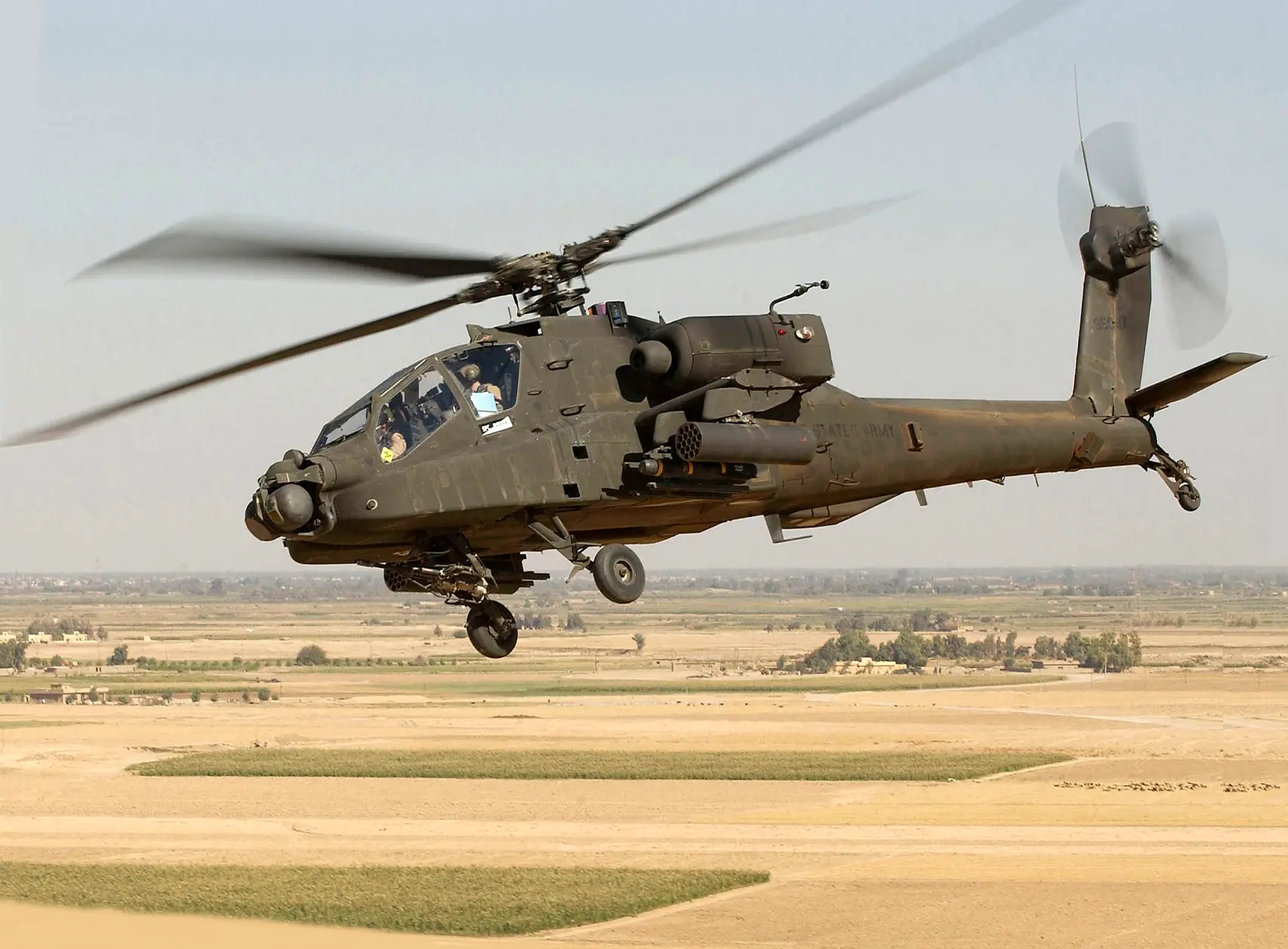
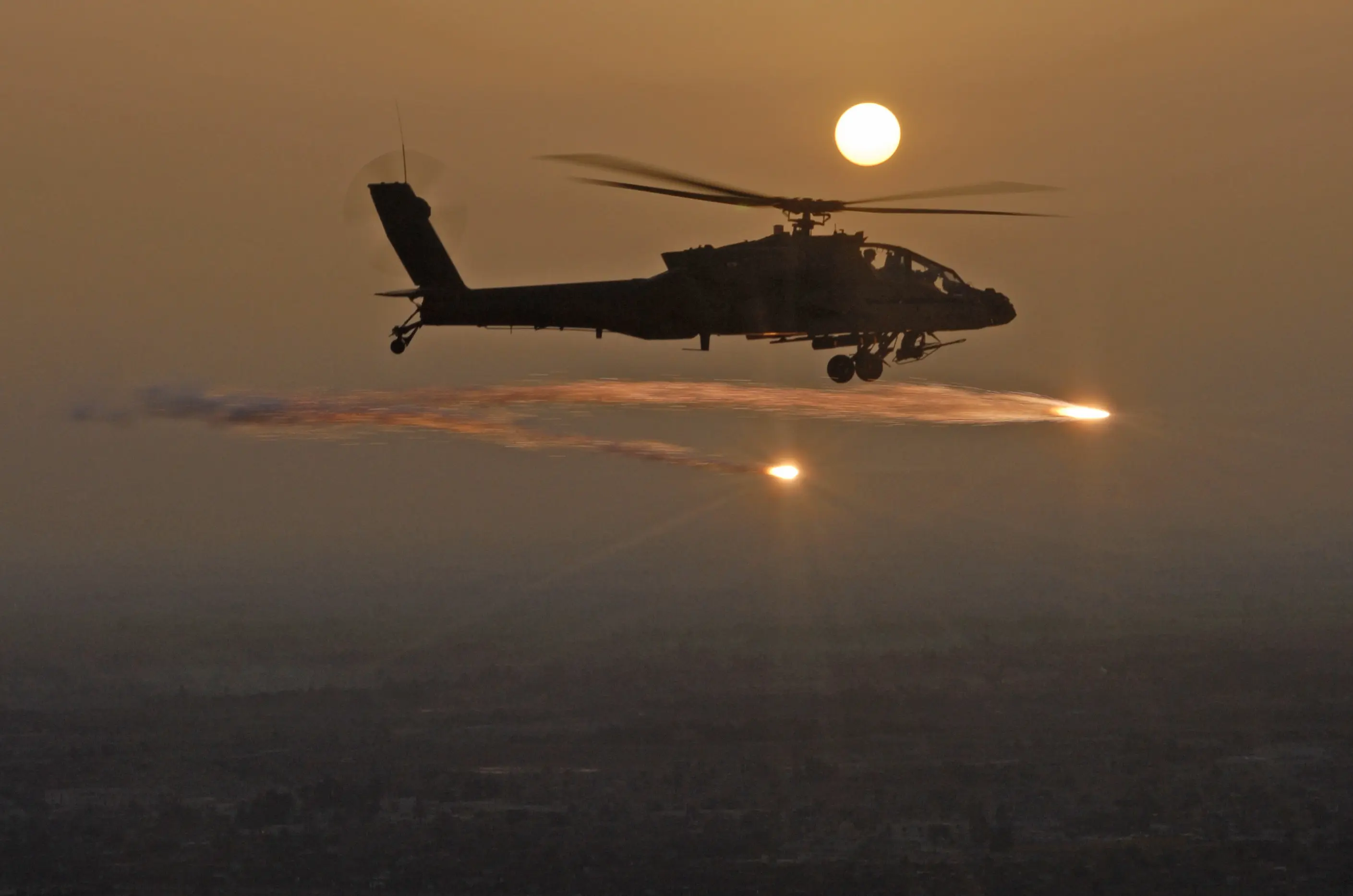
While drones are cheaper, the AH-64E Apache remains vital in 2026 due to its overwhelming firepower and Manned-Unmanned Teaming capabilities. Acting as an airborne command hub, the Apache can directly control drone swarms, blending manned survivability with unmanned intelligence.
The rise of drone warfare
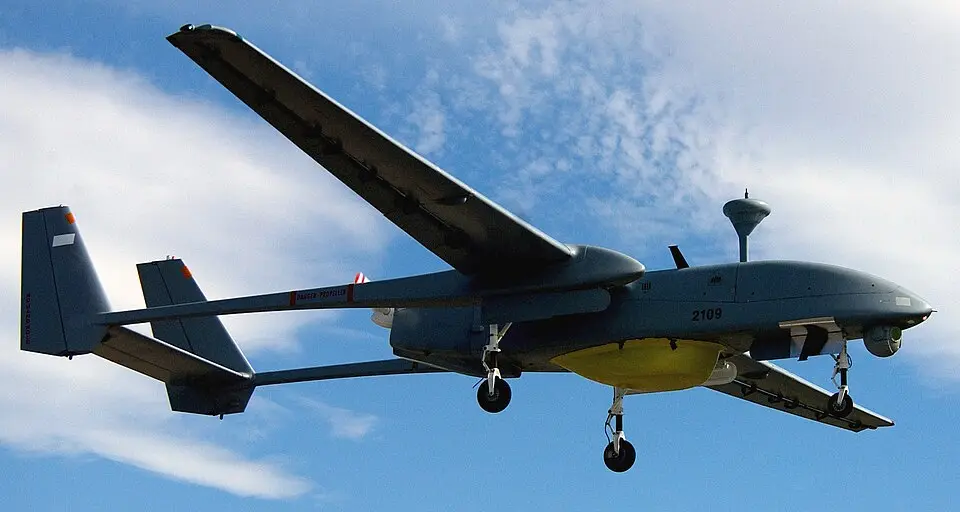
Drones are significantly cheaper to purchase and operate than attack helicopters, and they do not expose human pilots to danger. For these reasons, nations like Japan are gradually retiring older AH-64D Apaches in favour of long-endurance unmanned systems for reconnaissance and strike missions.
Advantages of UAVs
Despite the advantages of UAVs, drones struggle to match the heavy, sustained firepower of an attack helicopter. A drone carrying the Apache’s standard payload of 16 Hellfire missiles and a 30mm cannon would need to be massive, drastically reducing its flight duration and making it an expensive, vulnerable target.
Manned-Unmanned Teaming (MUM-T)
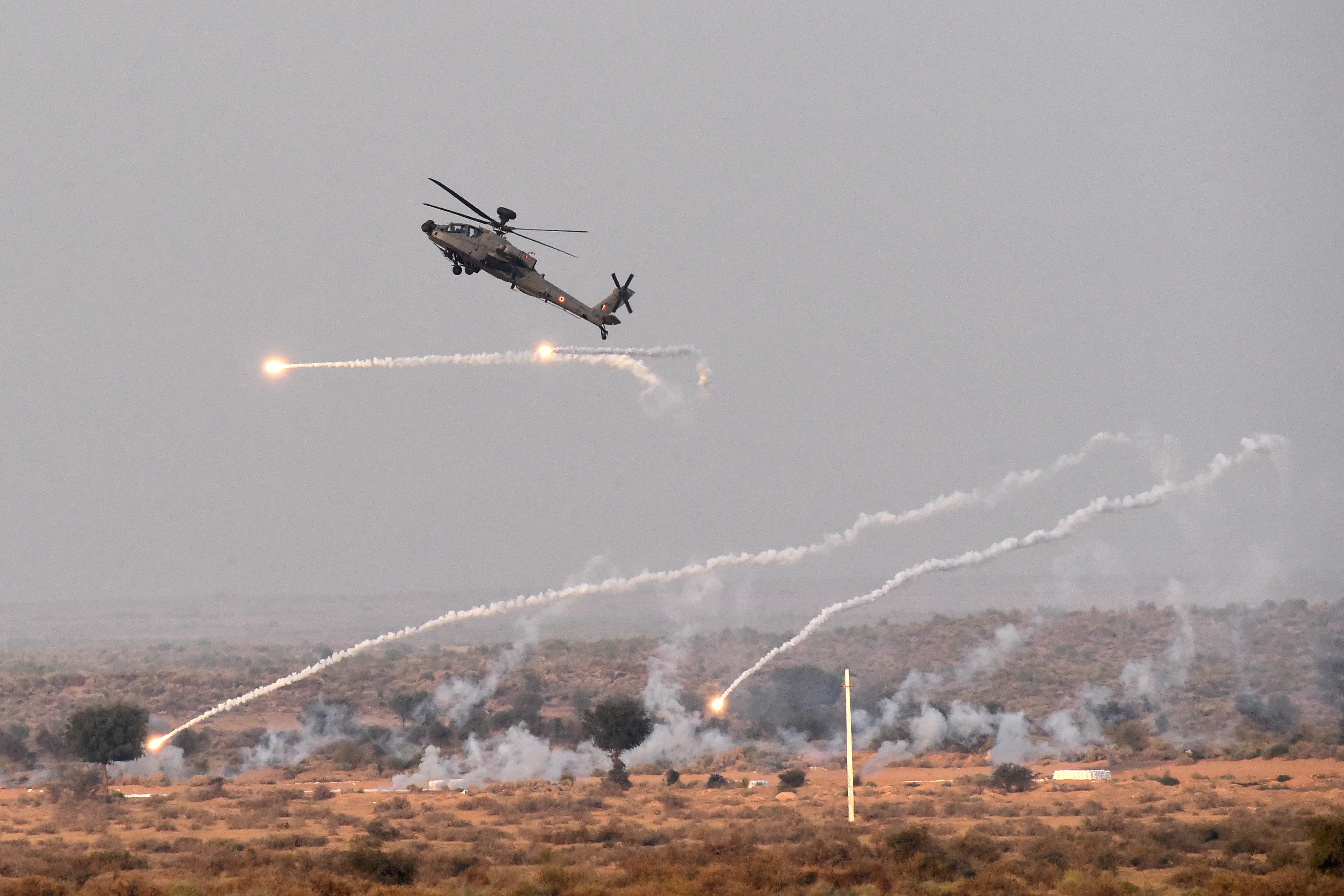
To remain relevant, the modern AH-64E Apache uses Manned-Unmanned Teaming (MUM-T). This technology allows the Apache crew to connect with nearby drones, viewing their live video feeds to safely identify targets miles ahead before flying into a contested zone.
The Apache as a 'mothership'
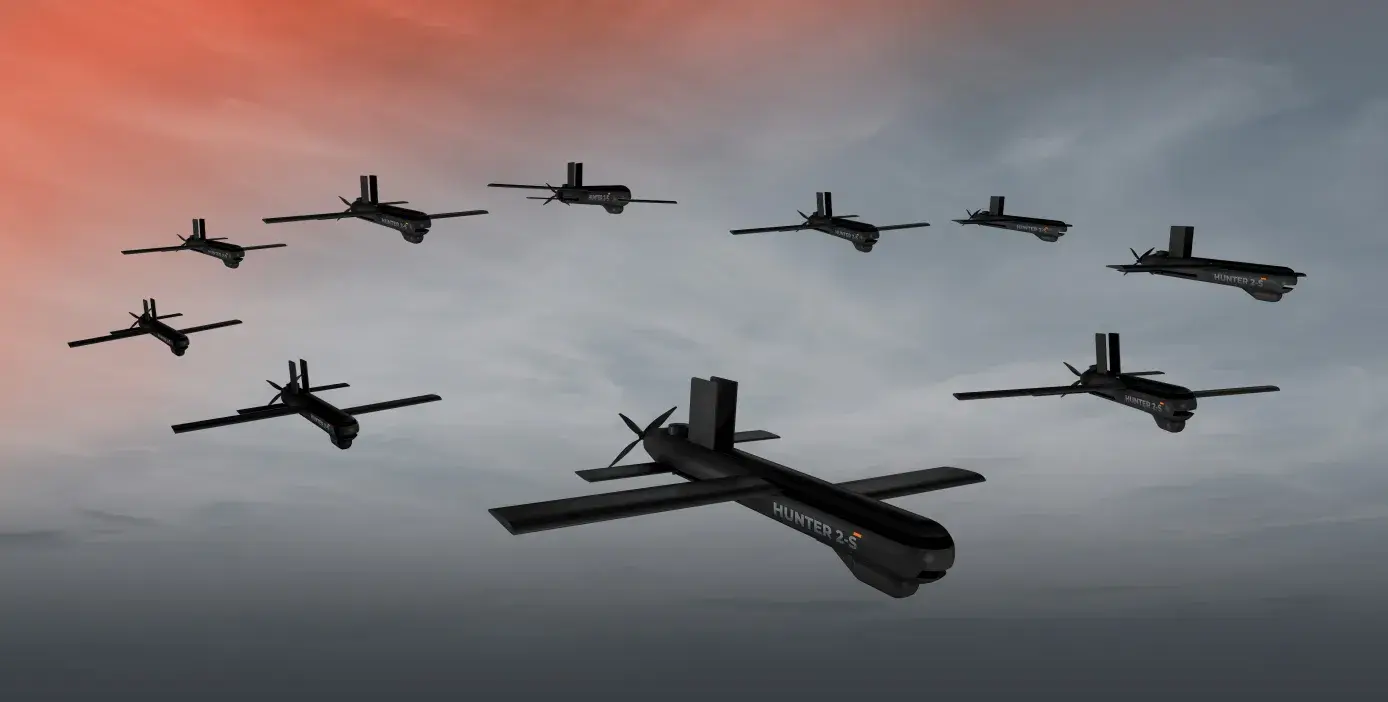
The AH-64E has achieved Level of Interoperability 4 (LOI 4), meaning the co-pilot gunner can take direct control of a drone's flight path, sensors, and weapons. The Apache acts as an airborne command hub, directing swarms of expendable drones to jam enemy radar or strike targets while the helicopter remains at a safe distance.
Surviving electronic warfare
In environments with heavy electromagnetic jamming, remote-controlled drones can lose their connection to ground operators. A manned Apache, however, retains the human pilot's critical decision-making abilities and can switch to GPS-guided weapons or manual unguided rockets when cyber threats disable unmanned systems.
)
)
)
)
)