Annular solar eclipse 2026: Why almost no humans will see the ring of fire

On Tuesday, February 17, the first major celestial event of the year 2026 will occur. An annular solar eclipse, also known as the "Ring of Fire," will be visible in remote parts of Antarctica. Only two research facilities might see it.
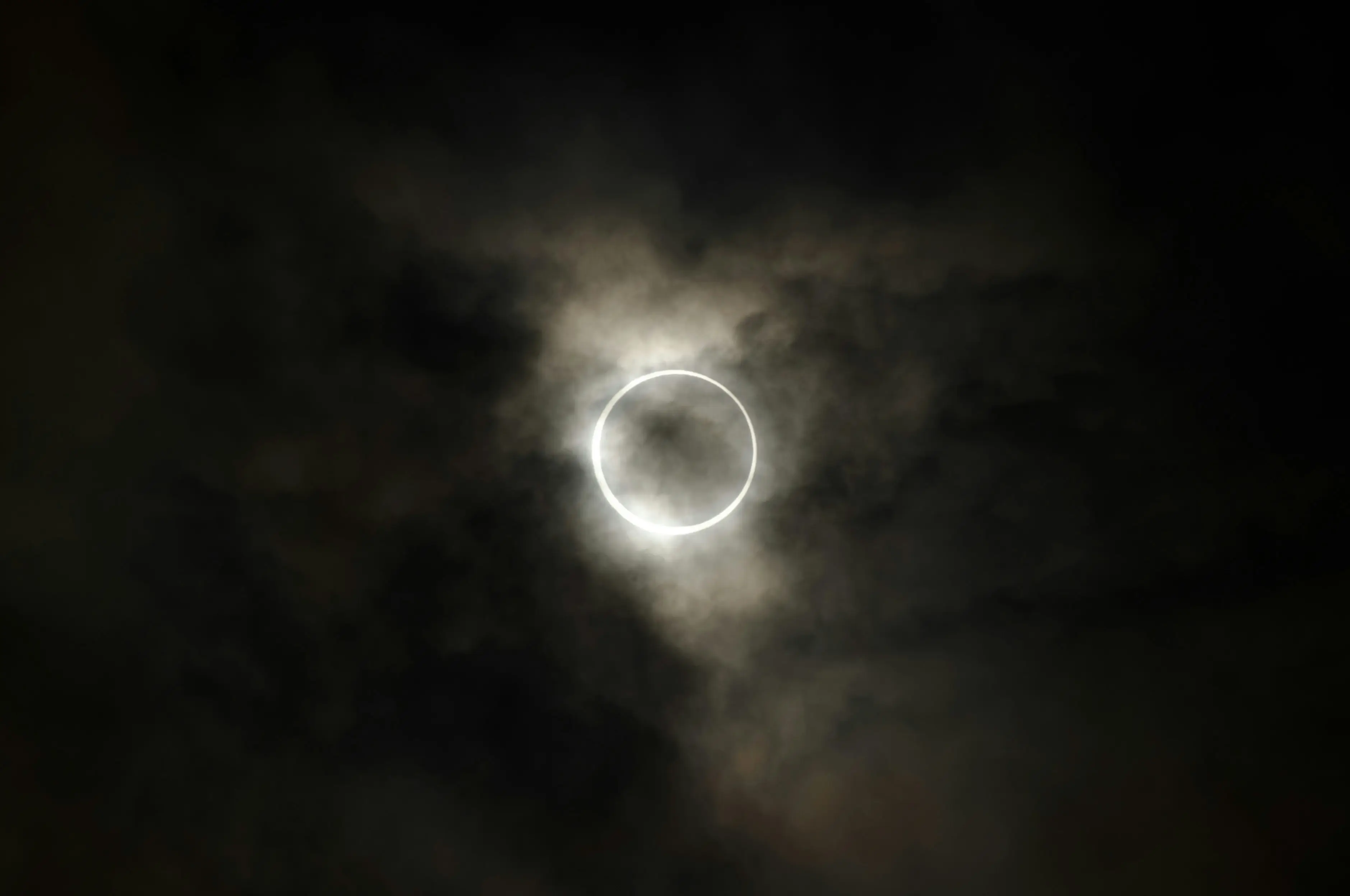
Annular solar eclipse on February 17
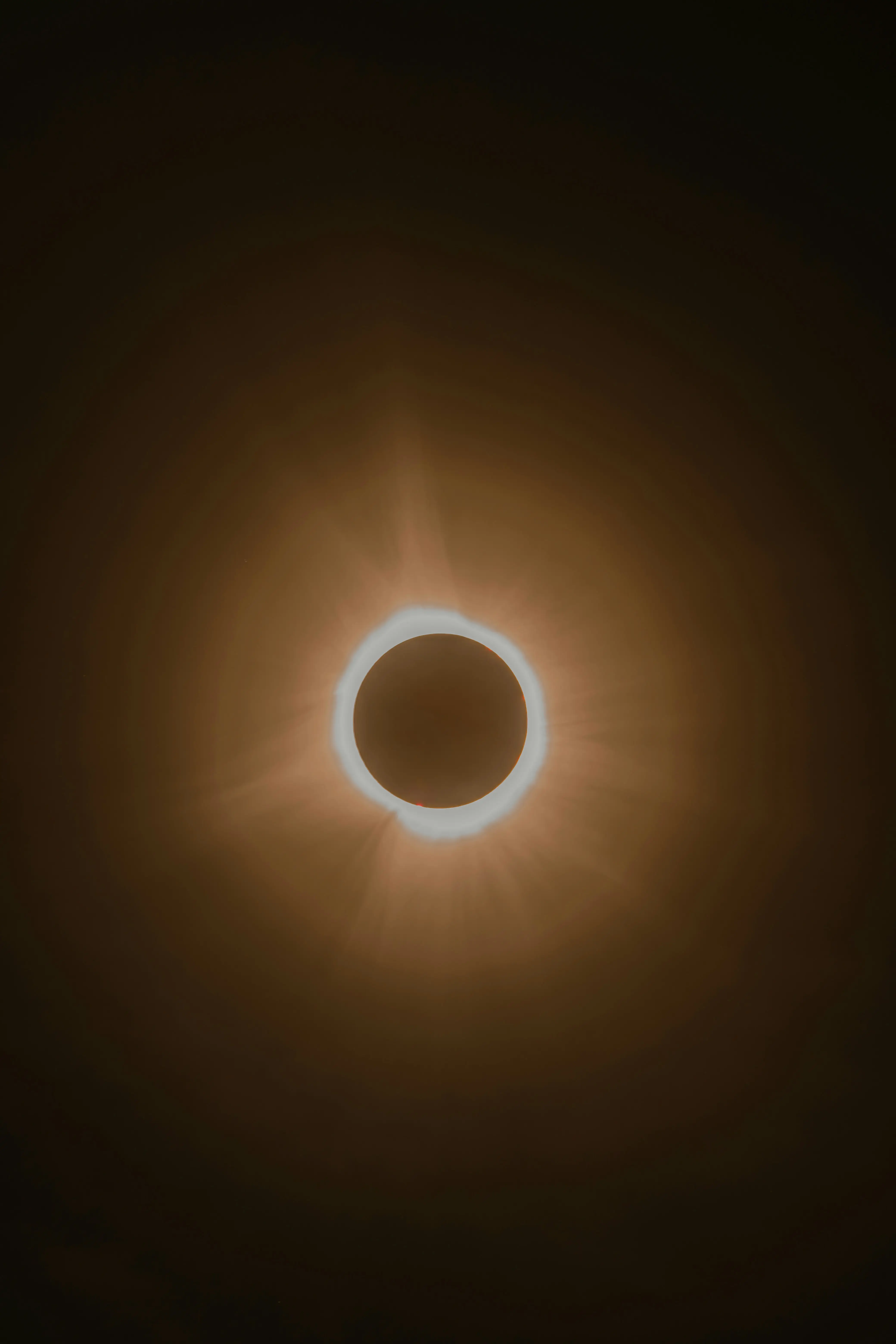
An annular solar eclipse will occur on February 17, 2026. In such an eclipse, the moon covers a major portion of the Sun, with only a ring left peeking through from the edges. This gives it the name 'ring of fire' solar eclipse. The eclipse will last up to 2 minutes, 20 seconds. The dramatic visual of a ring will only be visible from a remote region, and almost no human beings would see it. People in a few other regions will be able to see the eclipse, but only a small portion of the sun will be covered.
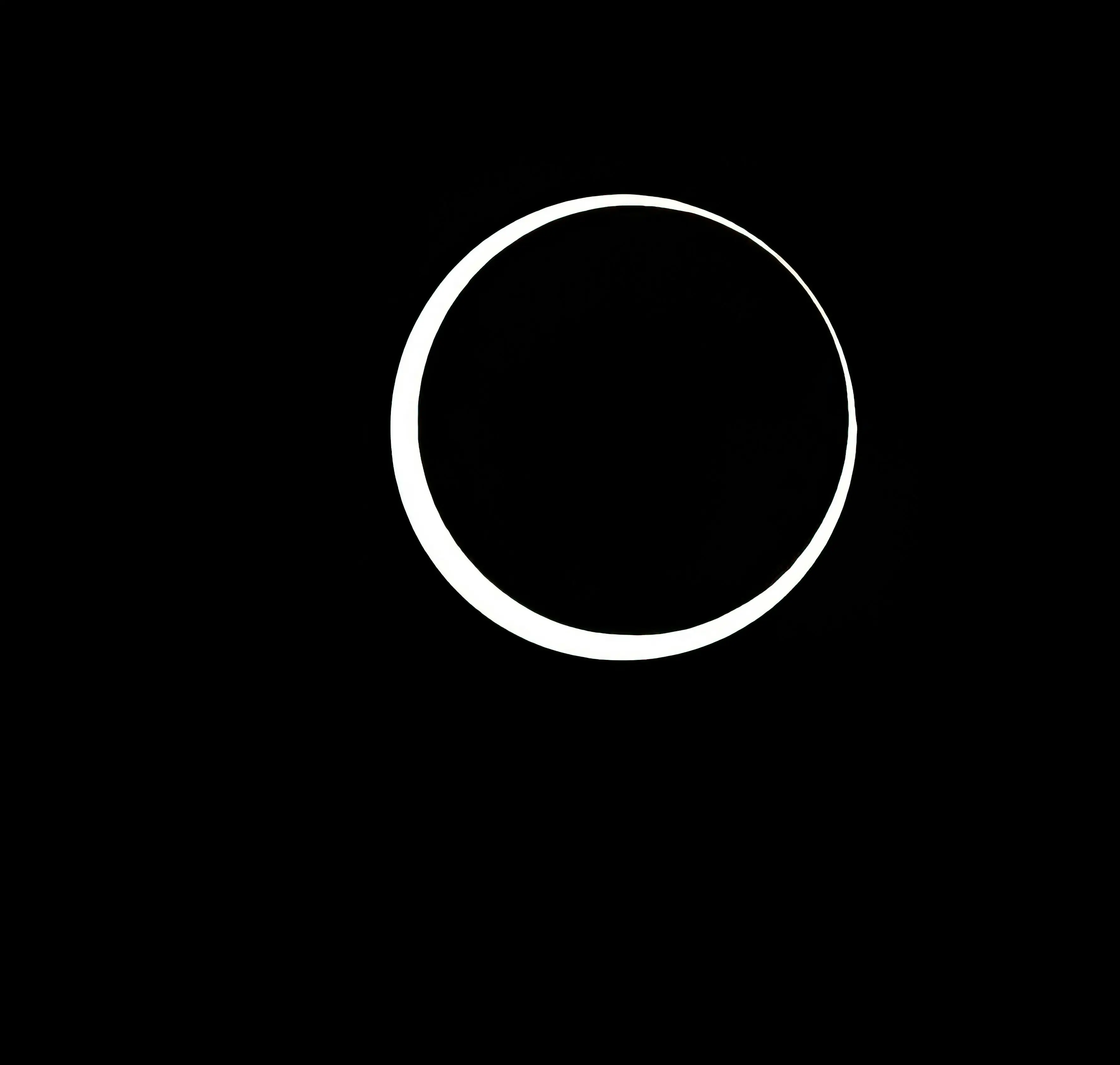
Only Antarctica will see the ring of fire eclipse
The February 17 solar eclipse will be visible in Antarctica, the southern tip of South America and some regions of Africa. The most dramatic visual will occur in Antarctica, where 96 per cent of the Sun will be covered by the moon. This event will create a ring of fire, leaving a remote part of Antarctica almost completely dark. Eclipse meteorologist Jay Anderson says "only two inhabited locations" fall within the annular shadow, and "neither of which is set up to welcome tourists." So only penguins and people at select research stations will get to see the eclipse.
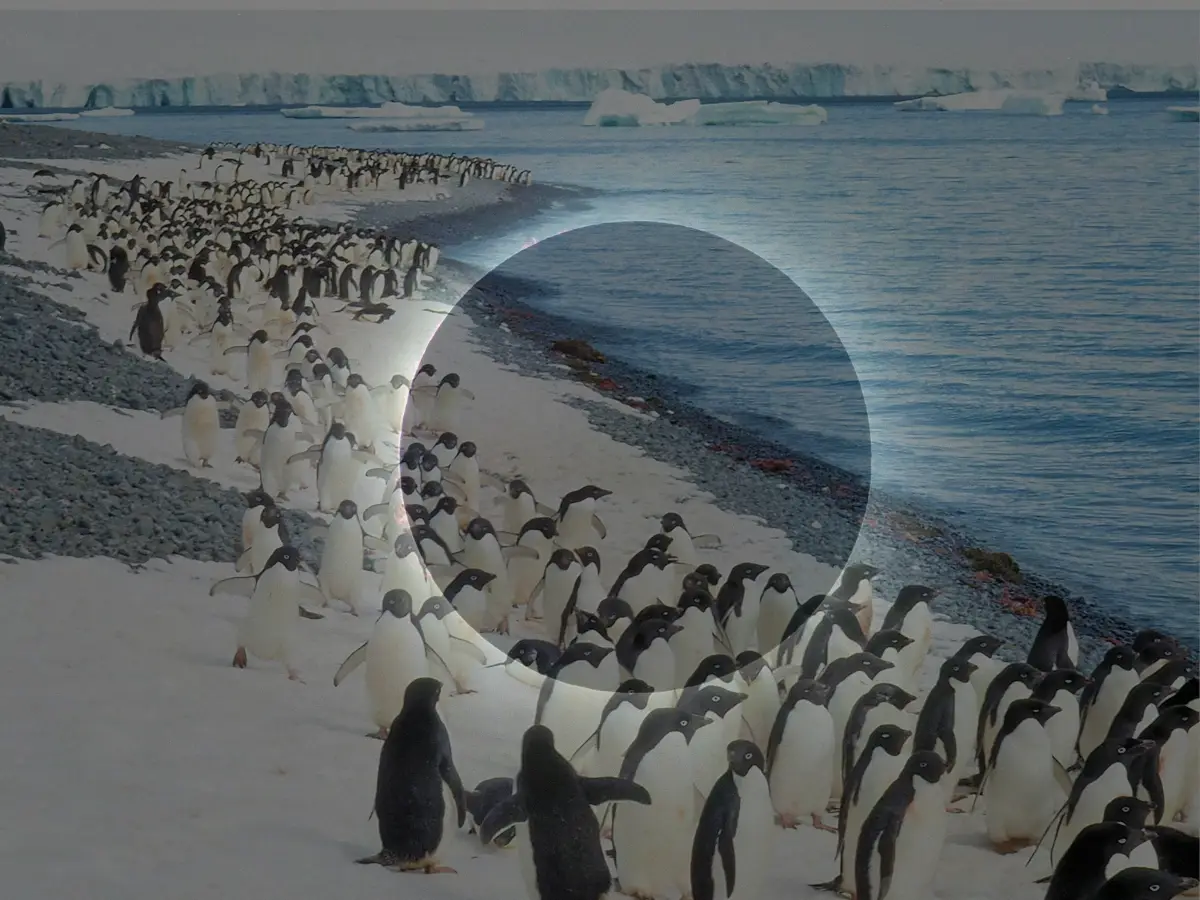
Path of annularity
The path of the annular solar eclipse covers a 4,282-kilometre-long and 616 km wide area. The "ring of fire" will be visible across this span in Antarctica. The sun will rise over mainland Antarctica and set off the Davis Sea coast of the Southern Ocean. The moon's antumbral shadow will cross Earth in around 59 minutes.
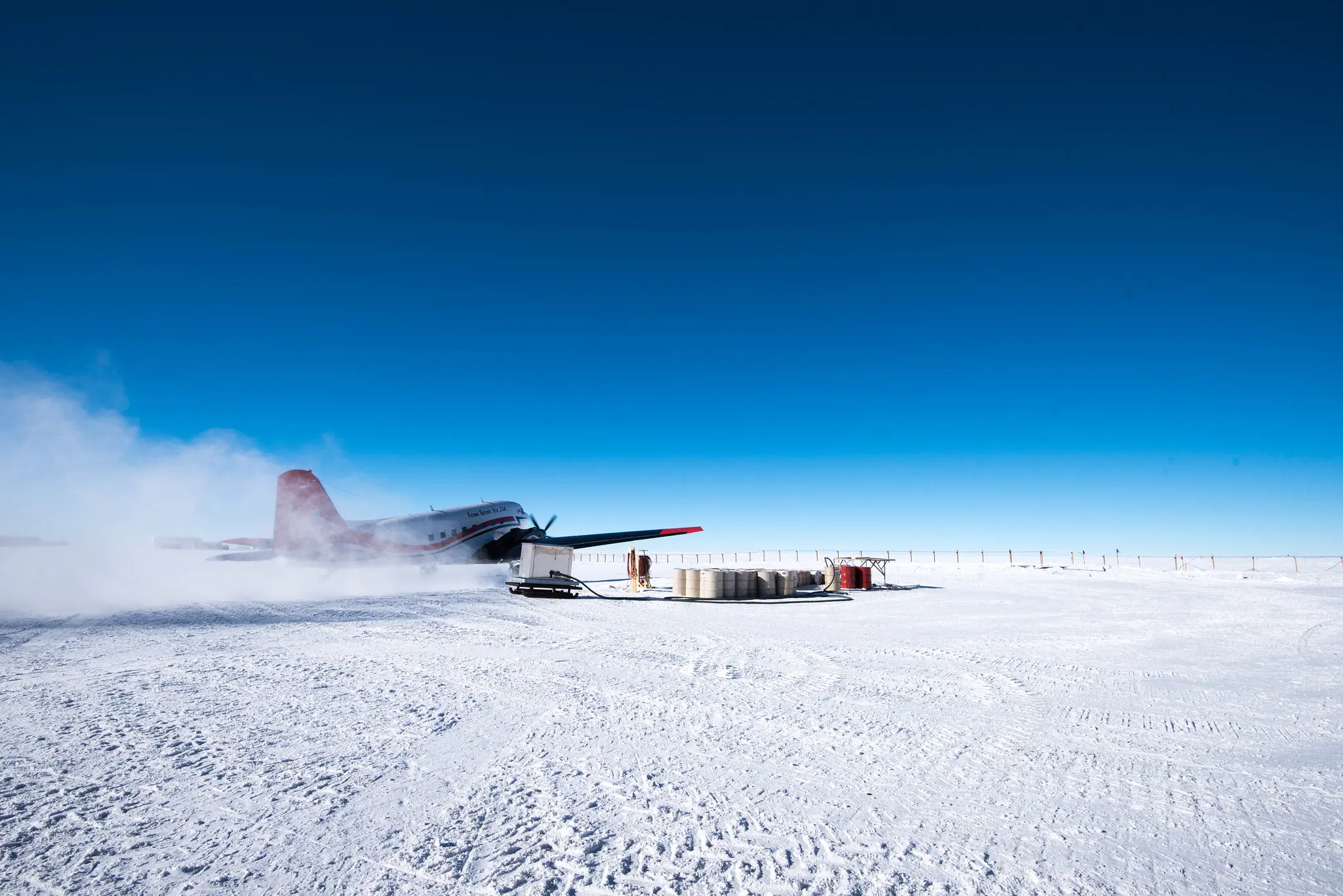
Best place to see annular solar eclipse
Experts say that Concordia, a joint French-Italian research station in operation since 2005, will be the best and first inhabited place to see the ring of fire. Just 16 scientists reside at the facility, and it is one of only three stations in the interior of the Antarctic continent. Temperatures drop to minus 80 degrees Celsius here, and one of the tallest towers in Antarctica measures atmospheric data and helps calibrate Earth observation satellites. It houses an underground vault, two observation platforms, telescopes and an airstrip, Space.com reported.
Mirny Station in Antarctica
After Concordia, the solar eclipse will be visible at Mirny Station, the first Russian station in Antarctica. Located in Queen Mary Land on the Davis Sea coast, it was established in 1956. Scientists at the facility study climate, sea ice, cosmic rays, meteorology, glaciology and biodiversity. The sun will set over this region.
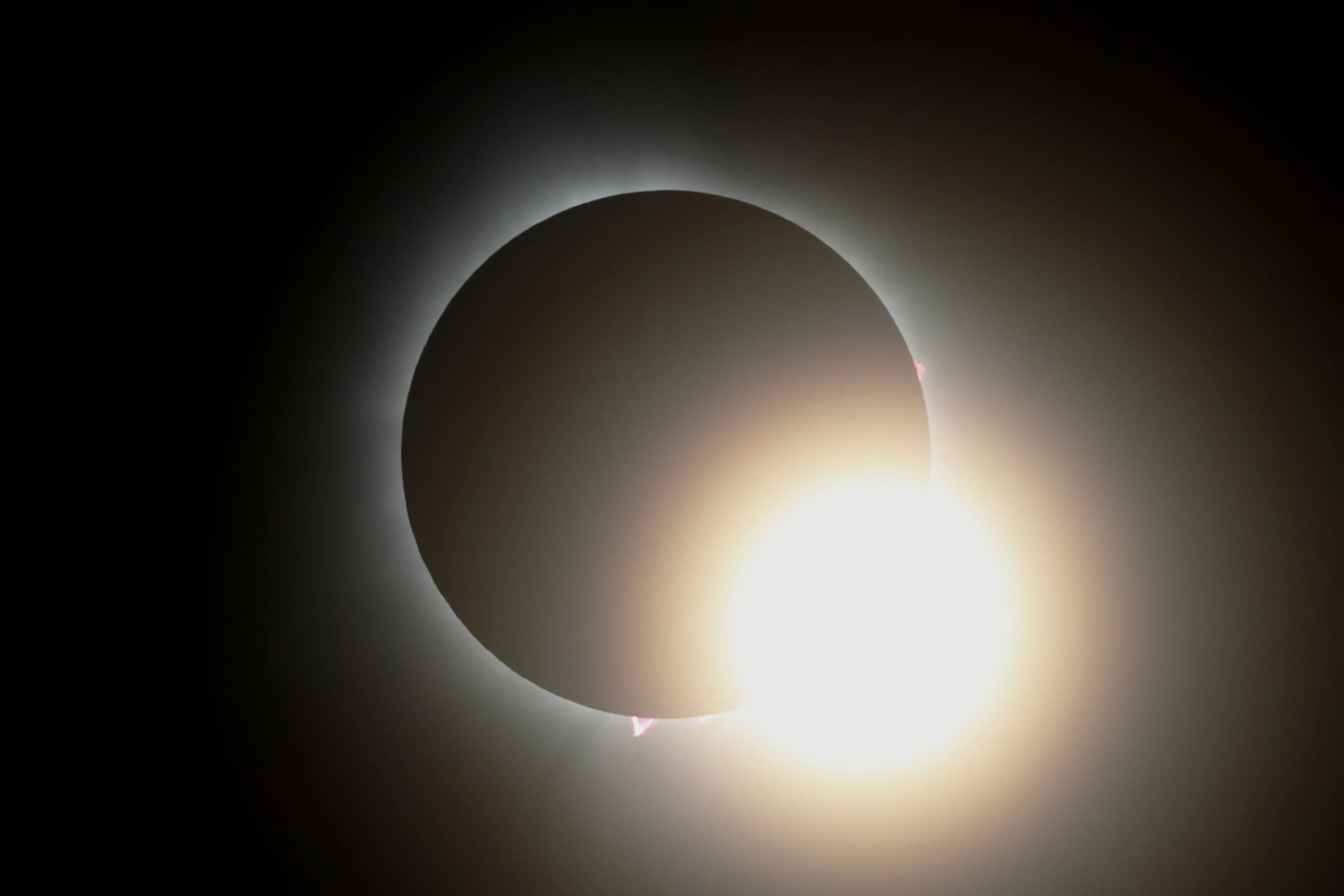
Concordia or Mirny, which station has a better chance of seeing the solar eclipse?
But even these handful of people might not get to see the eclipse because of the cloud cover in the region. Mirny Station has about 65 per cent cloud cover that time of the year, Anderson wrote, while in mainland Antarctica, around 35 per cent of cloud cover is expected. So scientists at the Concordia facility have the best chance to see the ring of fire. But considering the freezing temperatures, they might also choose to skip it.
)
)
)
)
)