Anduril Fury drones: How AI-powered weapons hunt targets autonomously

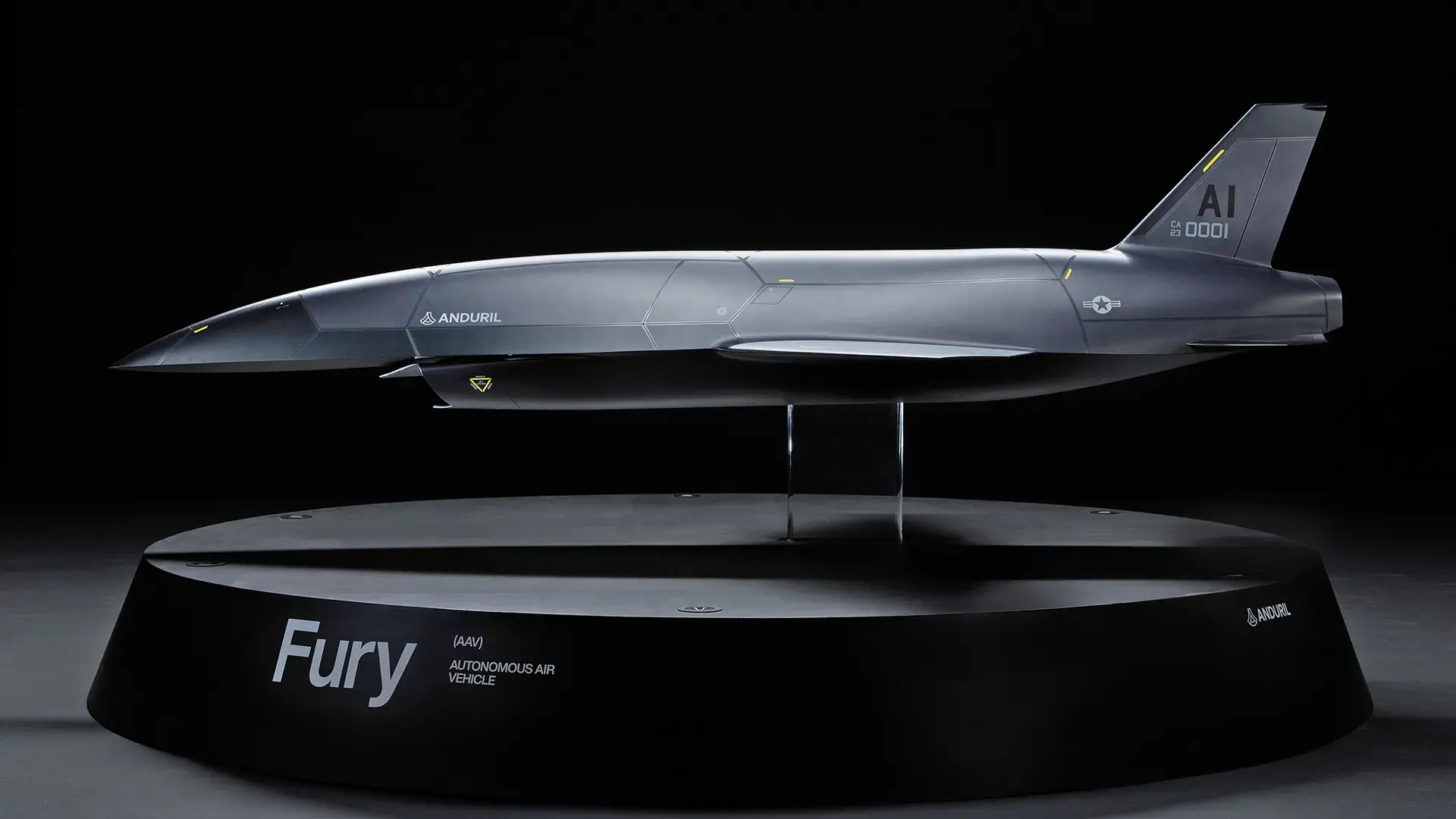
Fury autonomous Anduril’s Fury drone is an combat aircraft that can hunt targets, make split-second decisions, and navigate without GPS. With its Lattice software, advanced sensors, and autonomous weapons control, Fury shows how future air warfare may work without pilots.

Fury Autonomous Fighter Jet - YFQ-44A Designation
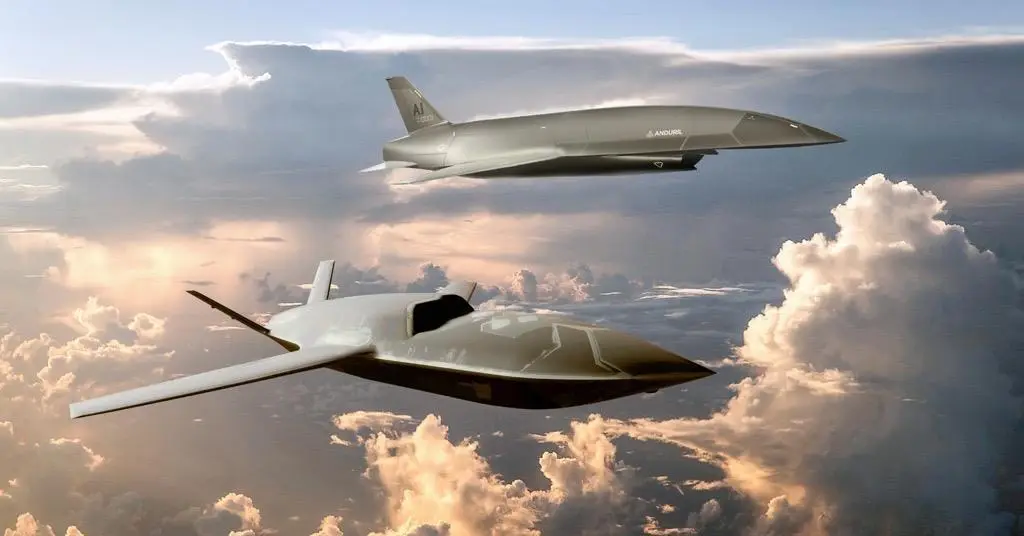
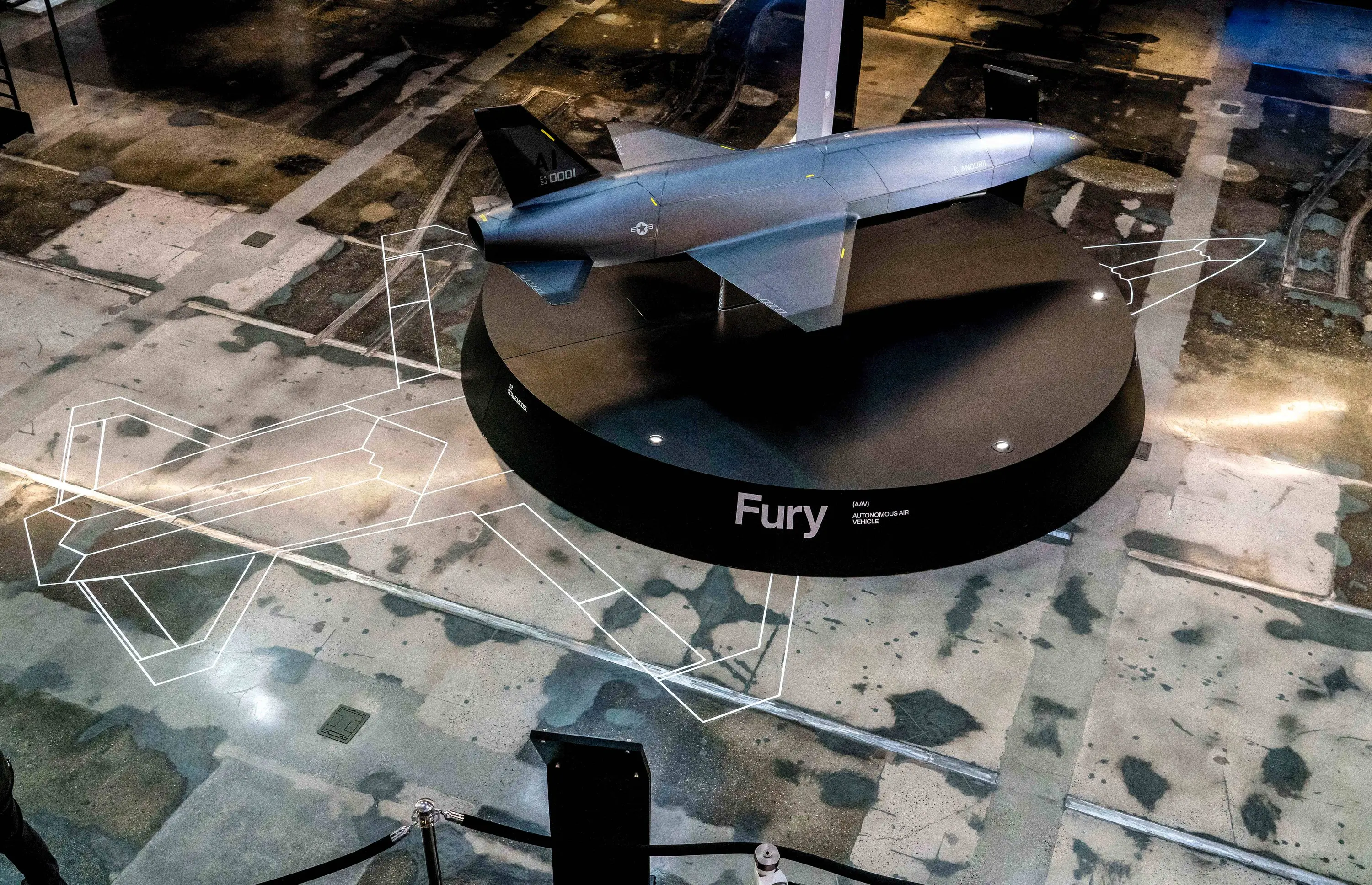
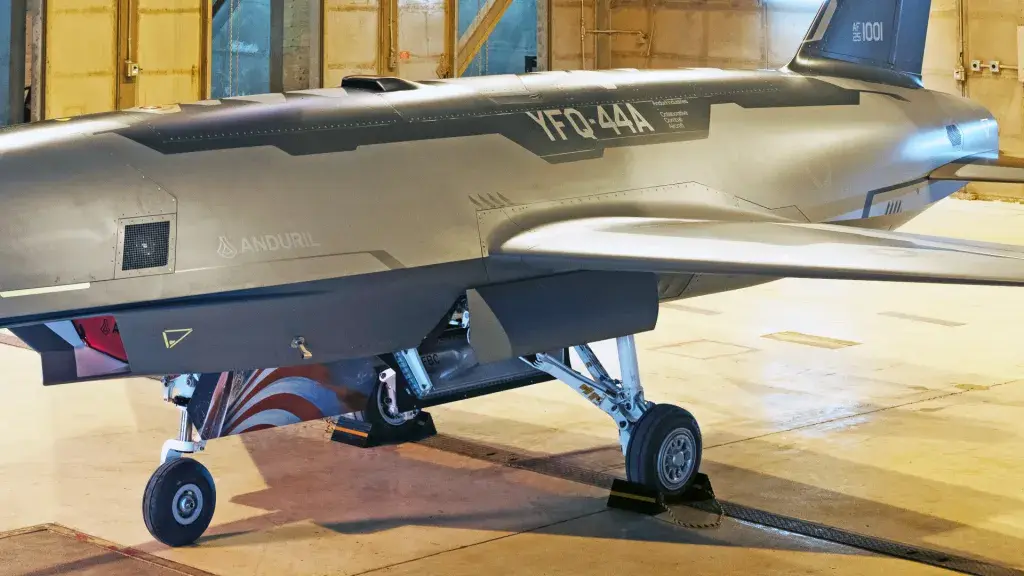
Anduril Industries developed Fury, a high-performance autonomous air vehicle designated YFQ-44A by the U.S. Air Force. Fury achieved semi-autonomous flight from clean sheet design in just 556 days, demonstrating rapid development compared to traditional military acquisition timelines requiring decades. It can perform complex combat manoeuvres and tactical decisions independently using its artificial intelligence.

Lattice Operating System - Real-Time Decision Engine
Anduril's proprietary Lattice software forms Fury's artificial intelligence brain fusing electro-optical, infrared, radar, and signals intelligence data into unified tactical understanding enabling autonomous targeting decisions. Lattice processes real-time sensor data analysing threats, identifying targets, and selecting engagement strategies millisecond-by-millisecond without any operator input. It’s inbuilt machine learning algorithms continuously improve decision accuracy, adapting to battlefield conditions and novel threats.
Target Detection and Classification
Fury integrates advanced AI algorithms automatically detecting aircraft, ground vehicles, and maritime targets identifying threat types through deep neural networks trained on millions of hours of surveillance footage. Object detection systems flag suspicious movements, equipment configurations, and tactical formations enabling real-time threat assessment. Sensor fusion algorithms combine multiple detection modalities establishing confidence levels before engagement authorisation reducing false positive misidentifications.
Facial Recognition Integration - Identifying High-Value Targets
The U.S. military contracted RealNetworks for 800,000 dollars developing autonomous drone facial recognition systems identifying specific individuals from surveillance footage enabling targeting of high-value adversary personnel. Machine learning models identify facial features across vast datasets matching detected faces against priority target lists. This capability enables precision targeting of command authority figures and key operational personnel without requiring visual identification by human operators.
Autonomous Engagement Capability - Lethal Decision Authority
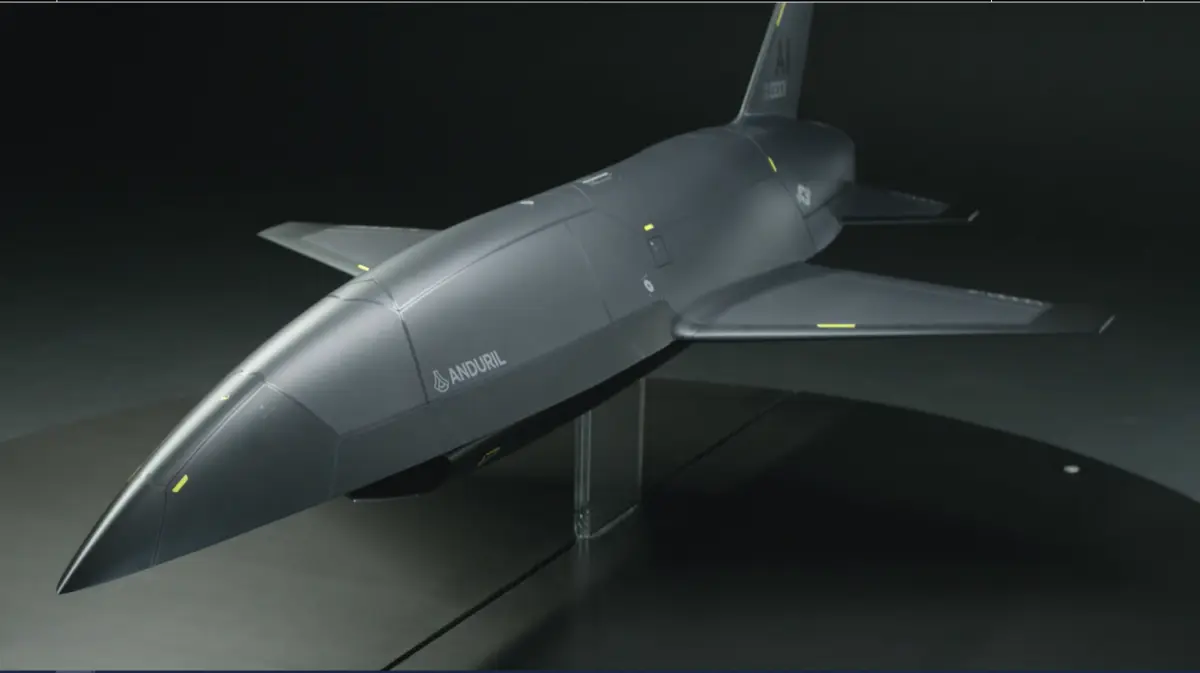
Fury operates as a lethal autonomous weapon system capable of tracking, identifying, and attacking targets with violent force without further human intervention once mission objectives are assigned. The system accepts high-level human commands pointing aircraft at target areas and assigning threat categories then executes weapons employment decisions autonomously. This represents fundamental shift from human-in-the-loop weapons where humans made all firing decisions toward human-on-the-loop systems where humans define strategic objectives.

Modular Weapons Integration - Rapid Mission Customisation
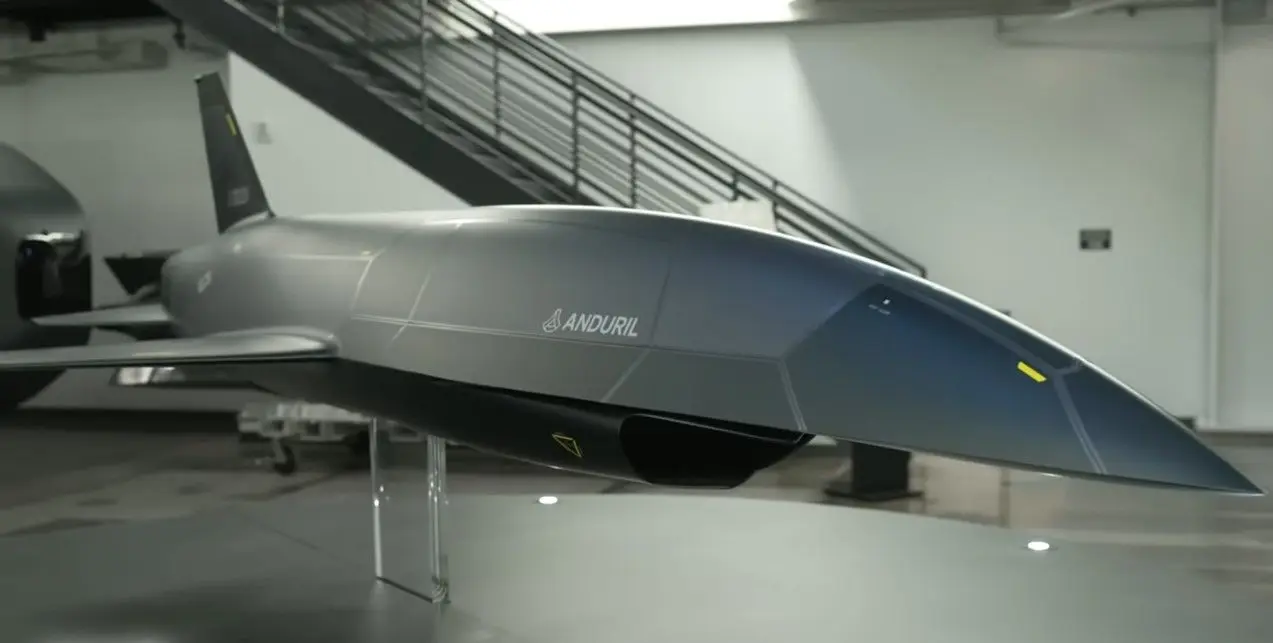
Fury features modular design allowing rapid weapons configuration changes swapping between air-to-air missiles, precision-guided munitions, and sensor packages within hours enabling mission-specific customisation. This flexibility contrasts sharply with manned fighter aircraft requiring months reconfigurating weapons loadouts. Modular Open Systems Approach compliance ensures weapons and sensors from multiple manufacturers integrate seamlessly enabling rapid capability addition.

Collaborative Combat Aircraft Integration - Swarm Coordination
Fury operates as autonomous wingman alongside manned F-35 fighters where single human pilot directs multiple AI-controlled drones executing complex coordinated tactics. The pilot assigns mission objectives to Fury wingmen autonomously managing tactical execution whilst human focus remains on strategic decision-making. This human-on-the-loop architecture maintains meaningful human control whilst accelerating decision cycles impossible for traditional pilot-controlled systems.
Real-Time Decision Acceleration - Millisecond Engagement Cycles
AI-powered autonomous systems compress decision timescales from seconds required by human pilots into milliseconds enabling engagement of fleeting targets and evasive manoeuvres. Loitering munitions hover above target areas analysing real-time intelligence identifying threats and executing strikes with surgical precision. This acceleration fundamentally changes air combat dynamics eliminating reaction time delays inherent in human-piloted systems.
GPS-Denied Operation - Autonomous Navigation Without Signals
Fury maintains combat effectiveness in GPS-denied environments using inertial navigation and visual simultaneous localisation and mapping technology enabling operation where electronic warfare defeats traditional navigation. Autonomous systems identify terrain features and distinctive landmarks navigating autonomously through contested airspace. This capability enables operations in highly contested environments where manned aircraft would face unacceptable electronic warfare threats.
Ethics and Control
International debate continues regarding appropriate autonomy levels in lethal weapons systems with questions about meaningful human control and proportional response authority. Anduril maintains that human-on-the-loop architecture preserves meaningful human control by requiring humans to assign targets and define rules of engagement. Critics argue that autonomy in targeting decisions removes sufficient human control creating accountability gaps when autonomous systems cause unintended civilian casualties.
)
)
)
)
)