Andromeda galaxy is bigger, stranger and closer than you think: 6 shocking facts you should know!

While it has been the subject of numerous studies, recent observations have unveiled surprising and even bizarre aspects of this majestic spiral galaxy.
Introduction
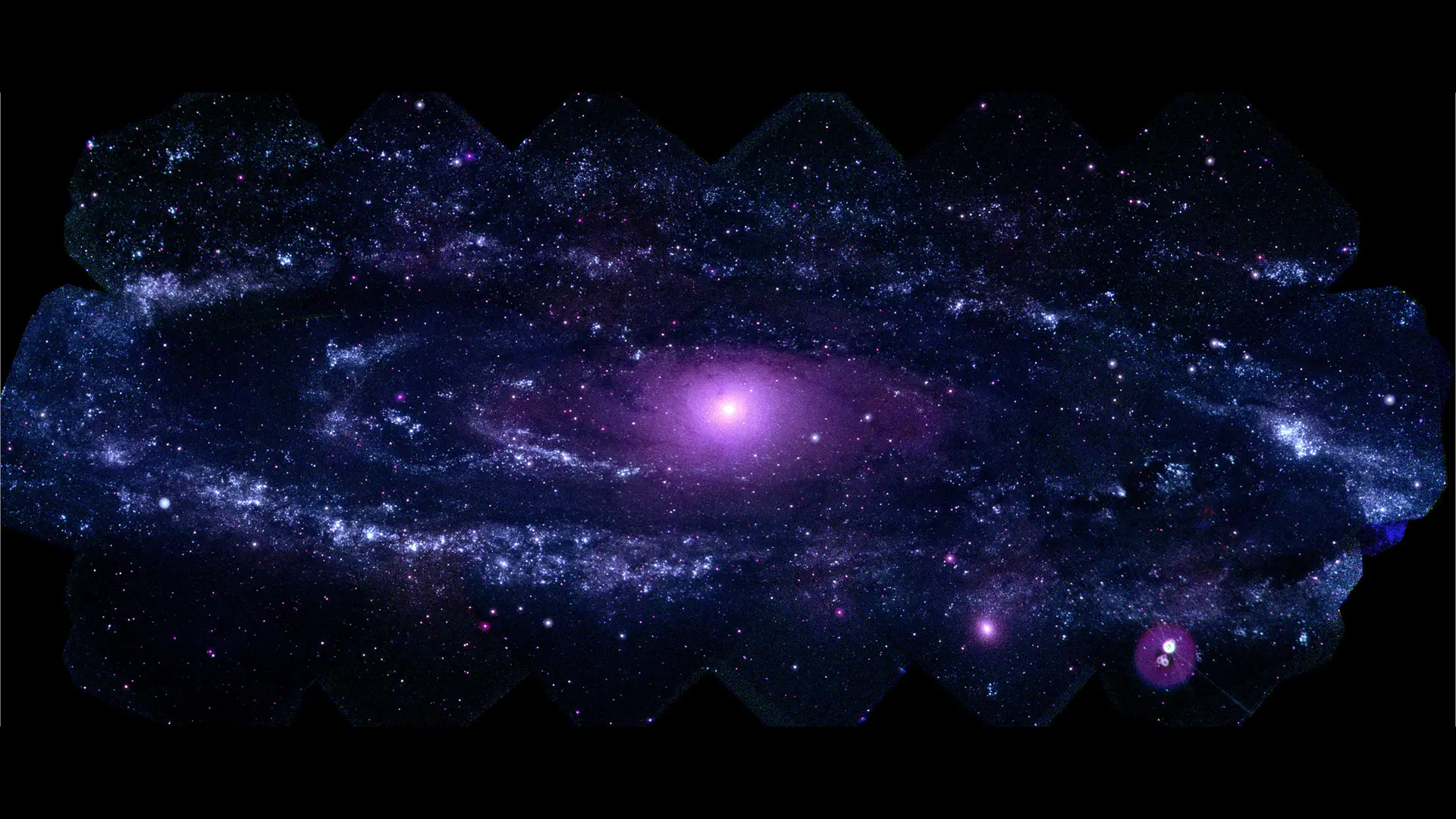
The Andromeda Galaxy, also known as M31, is our closest large galactic neighbour, located approximately 2.5 million light-years away. While it has been the subject of numerous studies, recent observations have unveiled surprising and even bizarre aspects of this majestic spiral galaxy. Here are six astonishing facts that challenge our understanding of the universe.
1. A Galactic Collision in the Making
In about 4.5 billion years, the Andromeda Galaxy is on a collision course with our Milky Way. This impending merger is expected to result in a massive elliptical galaxy. Despite the vast number of stars in both galaxies, the actual collision of stars is unlikely due to the immense distances between them. However, the gravitational forces will significantly alter the structure of both galaxies .
2. A Trillion Stars in a Single Galaxy
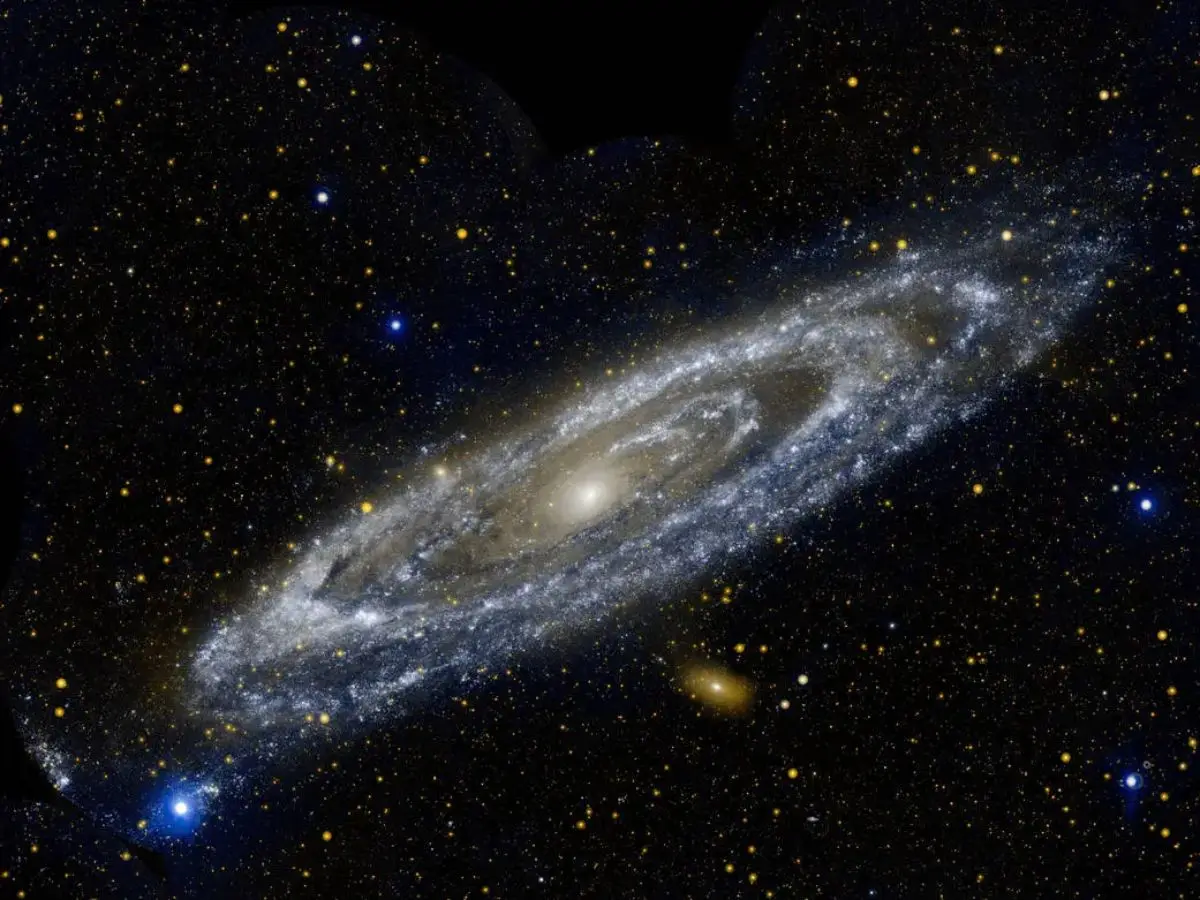
The Andromeda Galaxy is estimated to contain around one trillion stars, far surpassing the Milky Way's 100 to 400 billion stars. This immense number contributes to its massive size, with a diameter of approximately 220,000 light-years, making it over two and a half times the size of our own galaxy .
3. A Supermassive Black Hole at Its Core
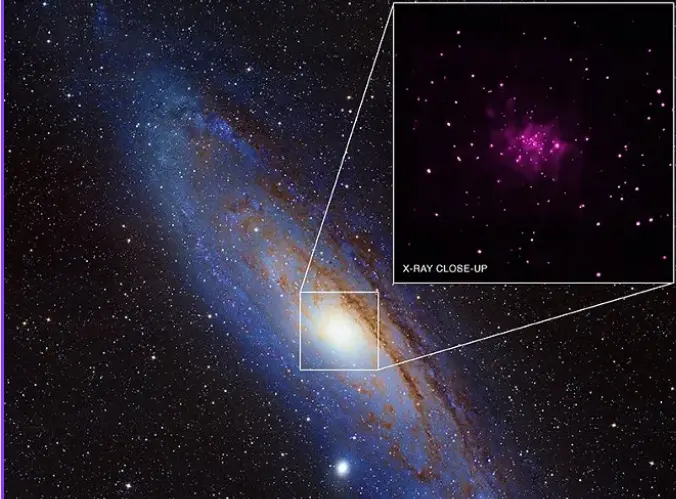
At the heart of the Andromeda Galaxy lies a supermassive black hole with a mass over 100 million times that of our Sun. This black hole plays a crucial role in the galaxy's dynamics, influencing the movement of stars and gas within its vicinity. Recent observations have provided detailed images of this central region, revealing complex structures and activities.
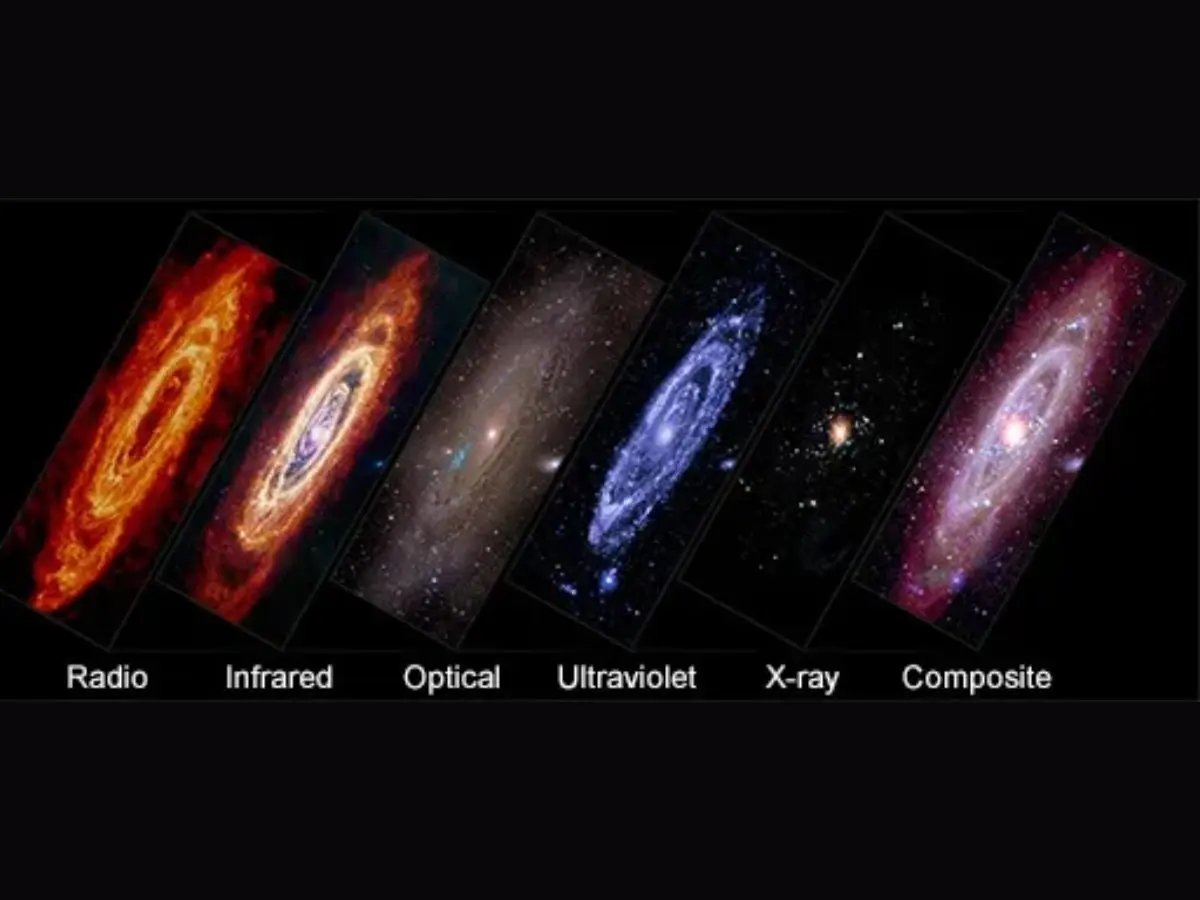
4. A Tilted and Elusive Shape
Unlike the Milky Way, which has a well-defined spiral structure, the Andromeda Galaxy appears nearly edge-on from our vantage point, giving it an elongated, oval appearance. This unique orientation makes it challenging to study its full structure, as much of its disk is obscured from our line of sight .
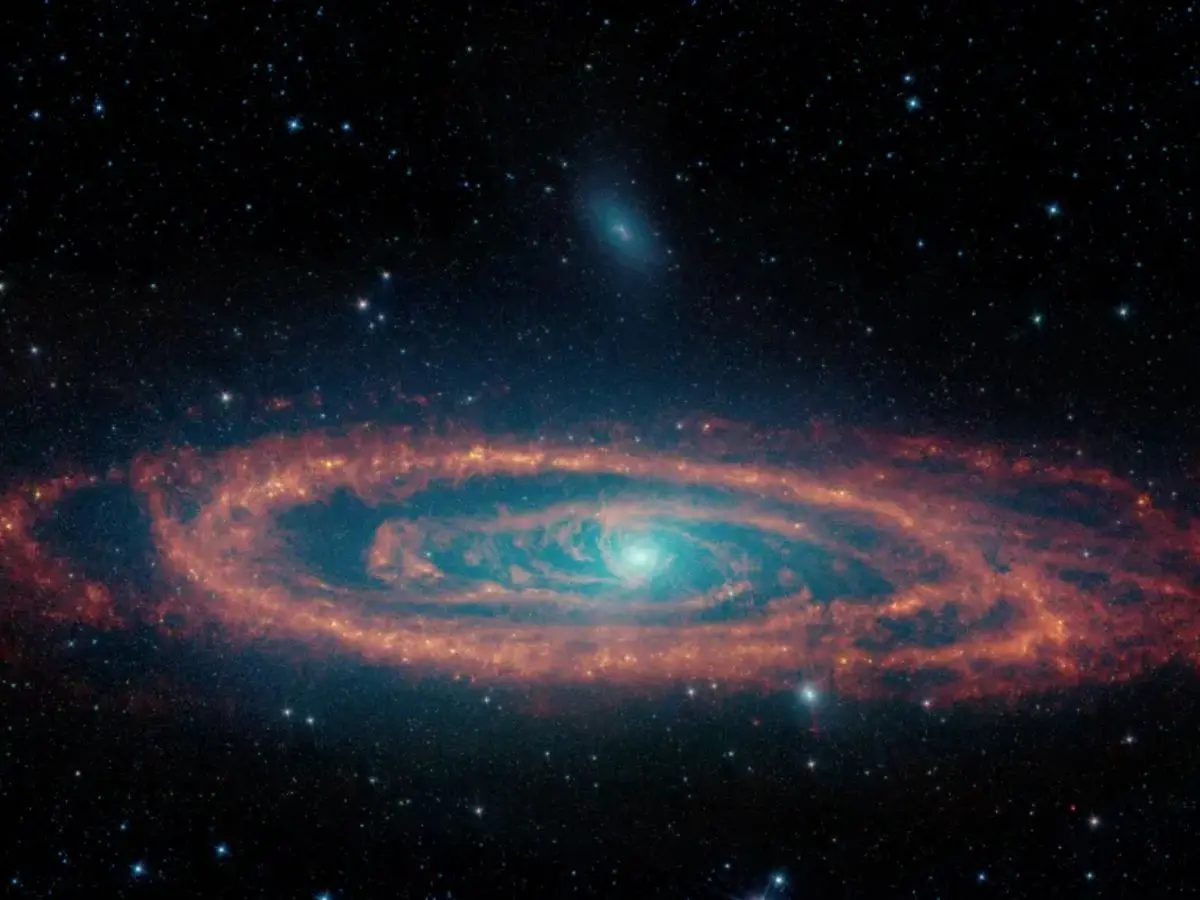
5. A Symphony of Stars
NASA's Chandra X-ray Observatory has transformed data from the Andromeda Galaxy into sound, creating a sonification of its starry regions. This innovative approach assigns musical notes to different wavelengths of light, allowing scientists and the public to "hear" the galaxy's structure. The resulting composition offers a new perspective on the cosmic environment .
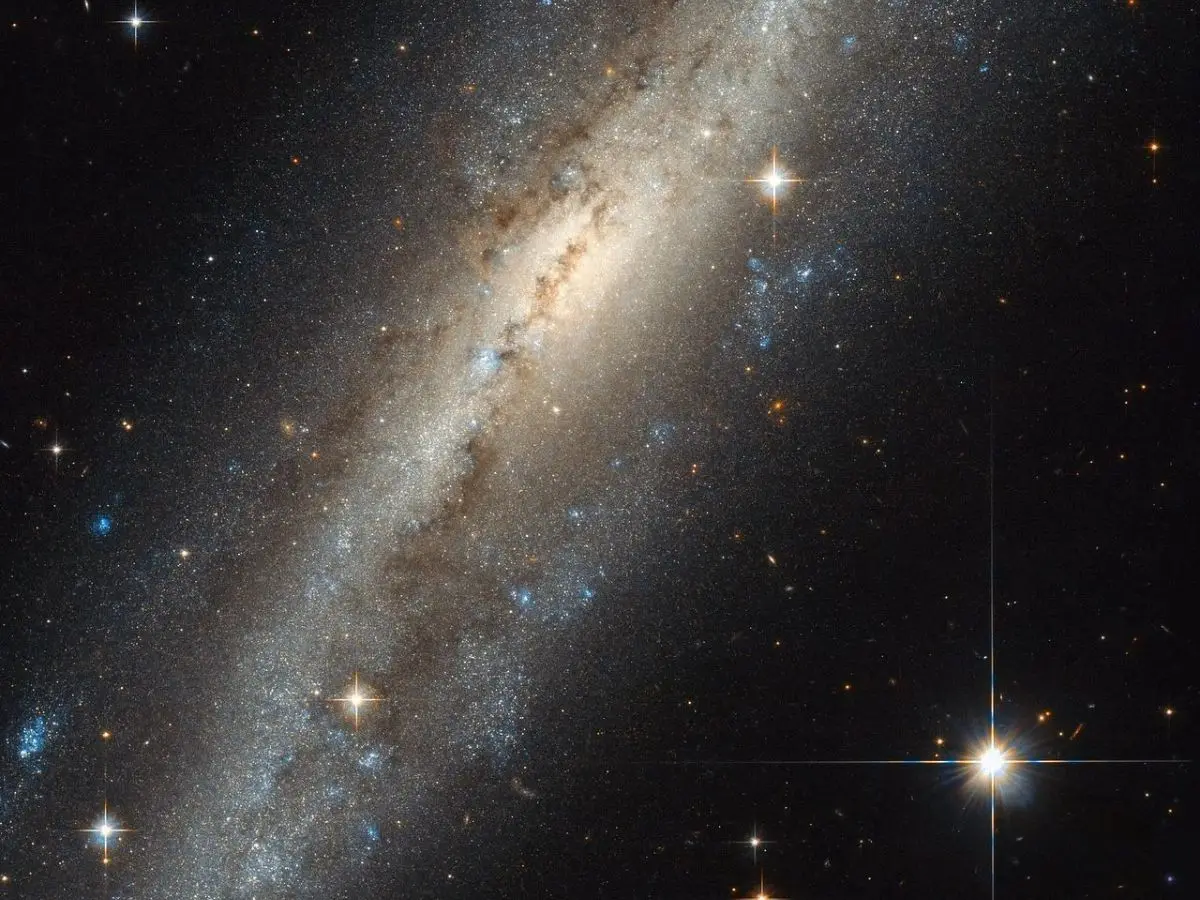
6. A Satellite Galaxy with Young Stars
Messier 110, a satellite galaxy of Andromeda, is classified as a peculiar dwarf elliptical galaxy due to the unusual presence of young, blue-hued stars around its center. This characteristic sets it apart from typical elliptical galaxies, which usually lack such youthful stellar populations .
)
)
)
)
)