Ancient Mayan city discovered in Mexican jungle

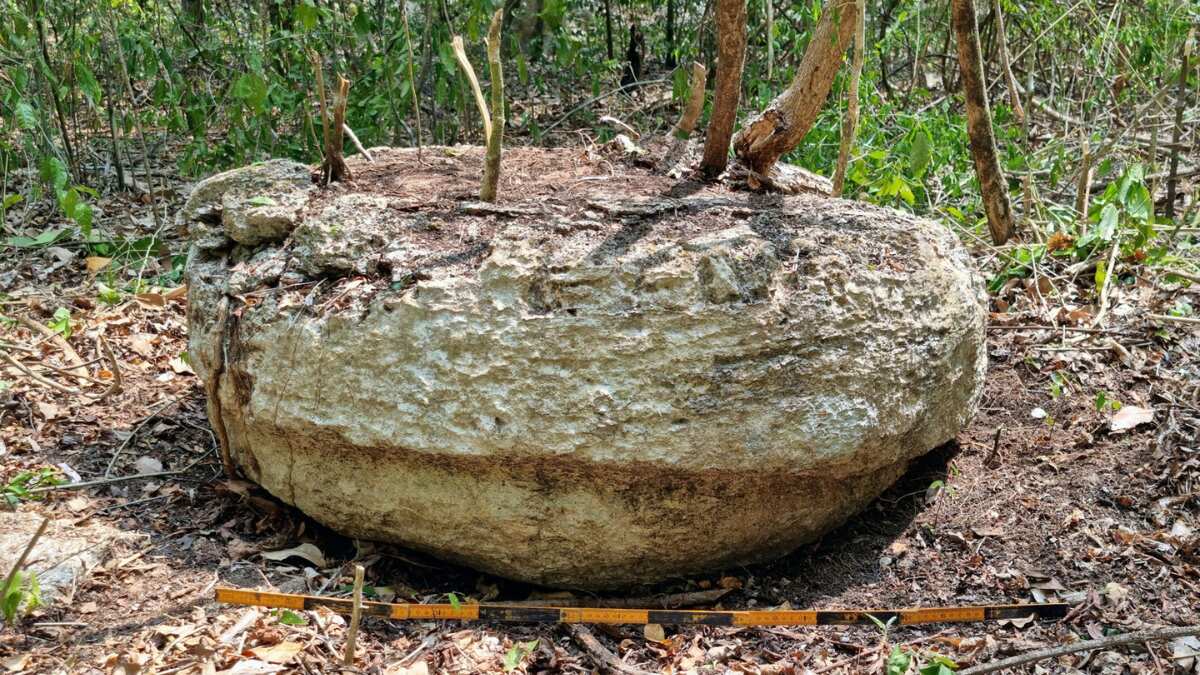
Ancient city of Maya
The ancient city of Maya is located in the Balamku ecological reserve on the Yucatan Peninsula. It was discovered during a search of a largely unexplored stretch of jungle that took place between March and June this year, using aerial laser mapping (LiDAR) technology.
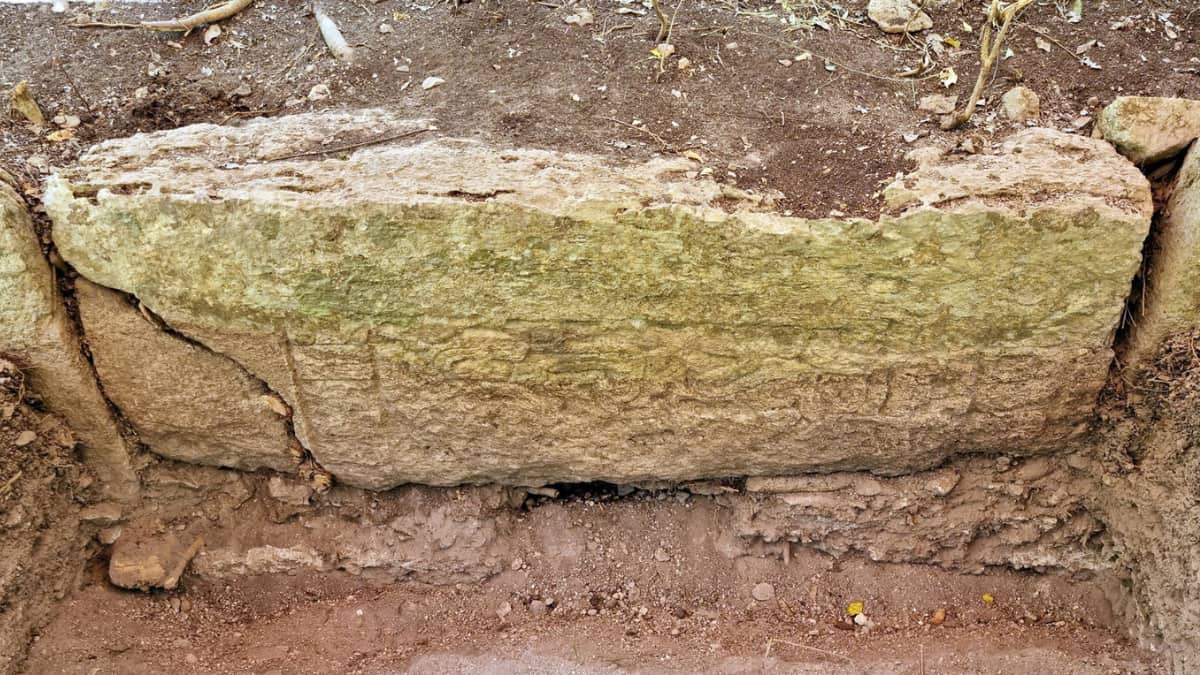
Advanced mathematical calendars
The Maya civilisation was known for its advanced mathematical calendars. The civilisation spread to southeast Mexico and parts of Central America.
Widespread political collapse led to its decline centuries before the arrival of Spanish conquistadors.
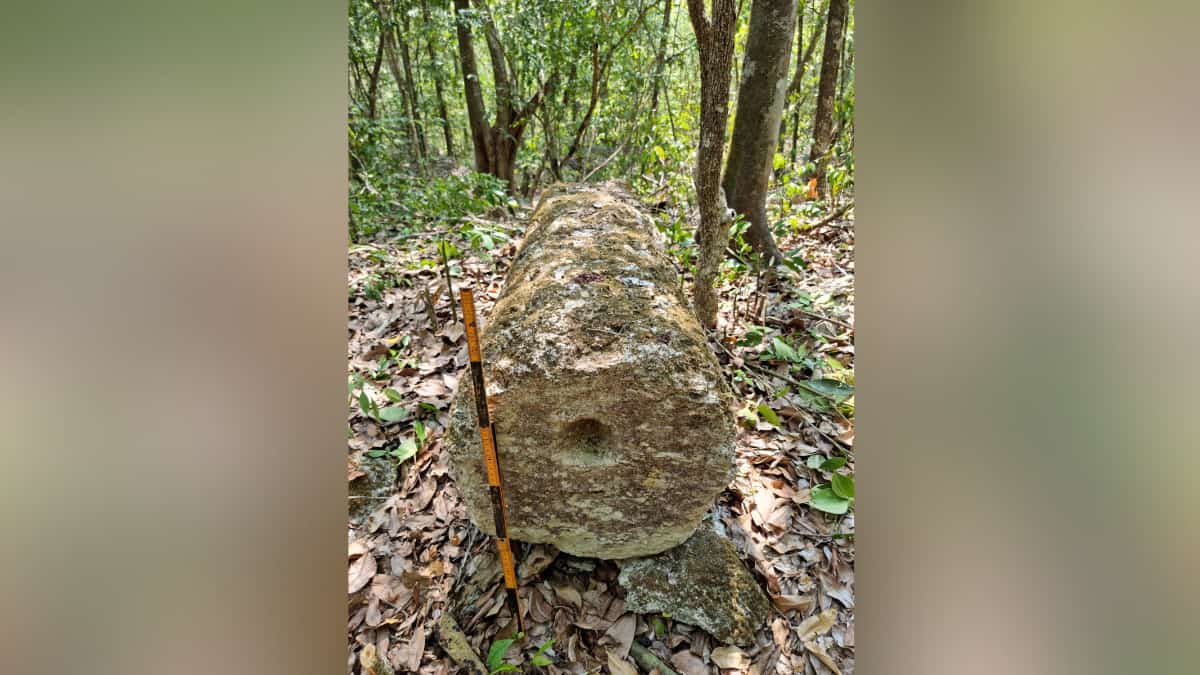
Ocomtum site
The Ocomtum site has a core area that is located on high ground and is surrounded by extensive wetlands. It includes several pyramid-like structures up to 15 metres high.
The city also had a ball court. The game is believed to have had an important religious purpose.
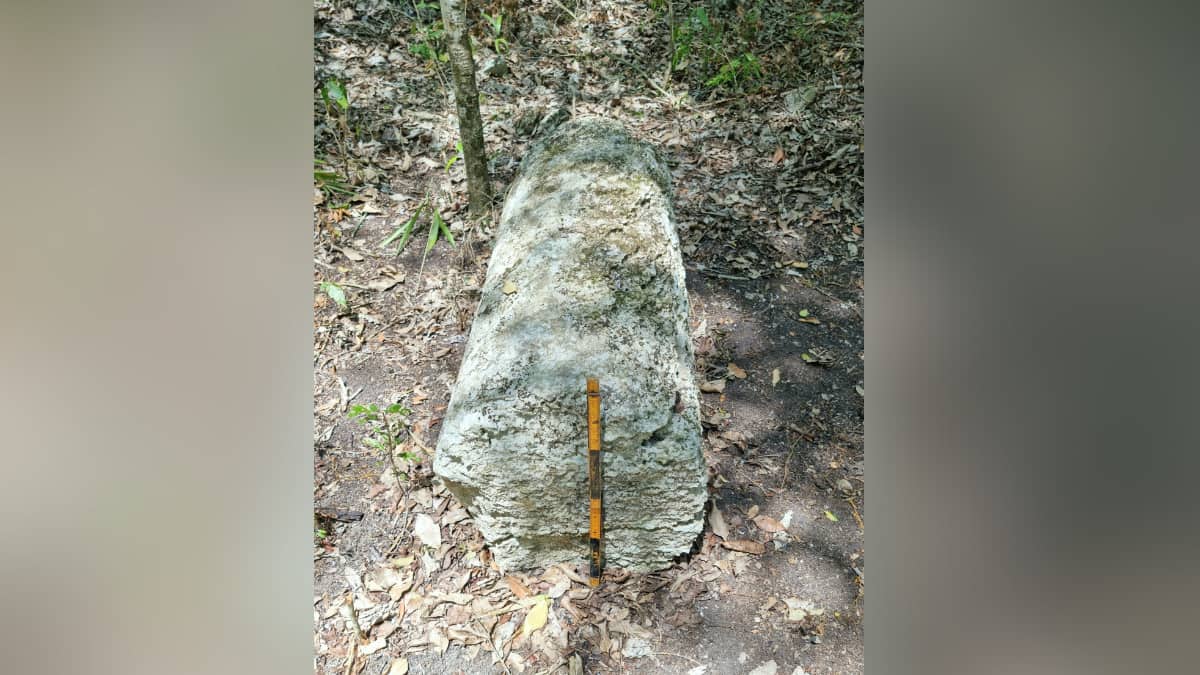
Central altars for community rituals
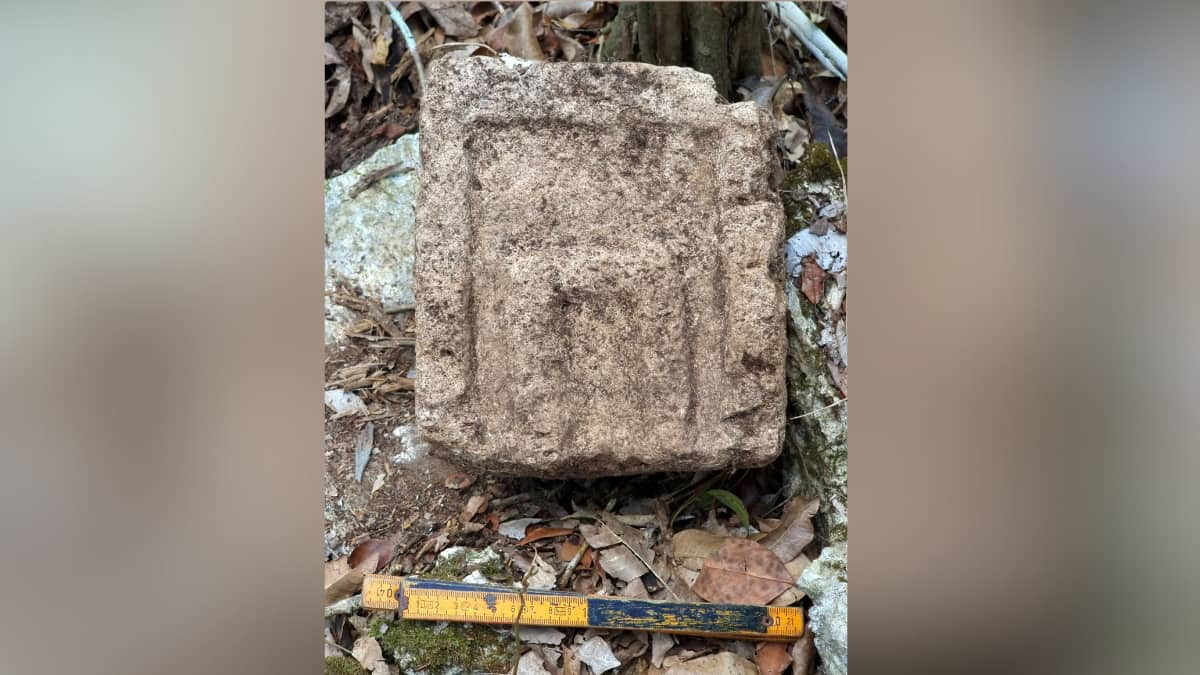
Lead archaeologist Ivan Sprajc said in a statement that his team found central altars closer to the La Riguena River. This could have been designed for community rituals. However, he added that more research is needed to understand the cultures that once lived there.
'Ideological and population changes'
Judging from materials extracted from buildings, the site probably declined around 800 to 1000 AD. The site was likely a reflection of "ideological and population changes" that led to the collapse of Maya societies in that region by the 10th century.
)
)
)
)
)