American B-52 vs Russian Tu-22M3: Which bomber from the Cold War era is older?

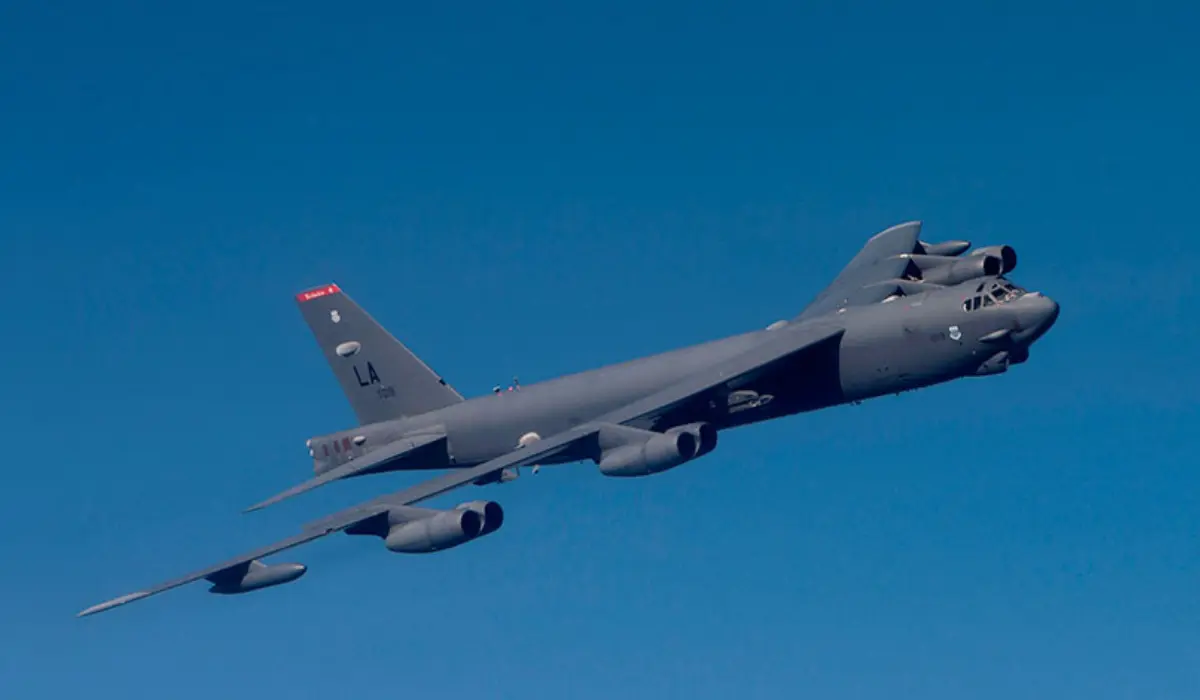
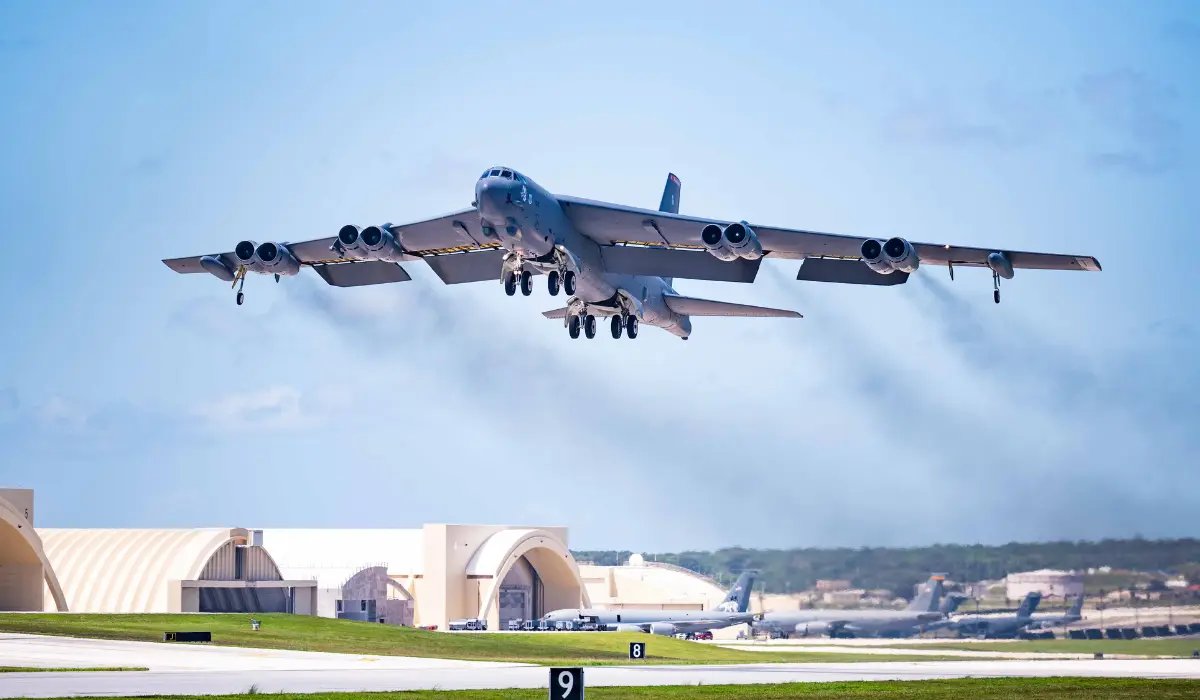
The American B-52 Stratofortress is significantly older than the Russian Tu-22M3. While the B-52 took its first flight in 1952 and entered service in 1955, the advanced Tu-22M3 variant did not fly until 1977 and entered Soviet service in 1989.
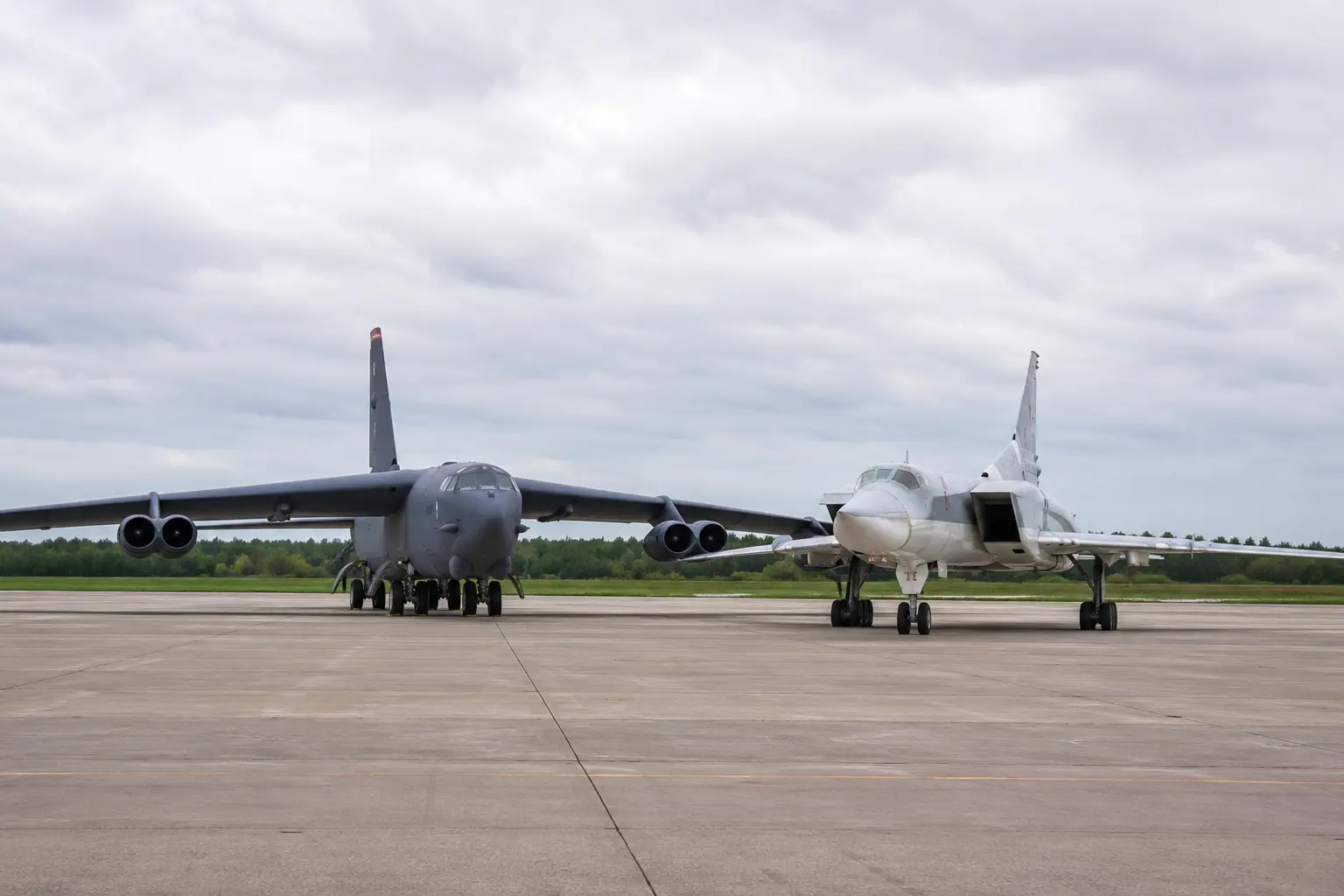
A Decades-Old American Giant
The United States Air Force's B-52 Stratofortress is significantly older than its Russian counterpart. This iconic American strategic bomber took its very first test flight back in April 1952.
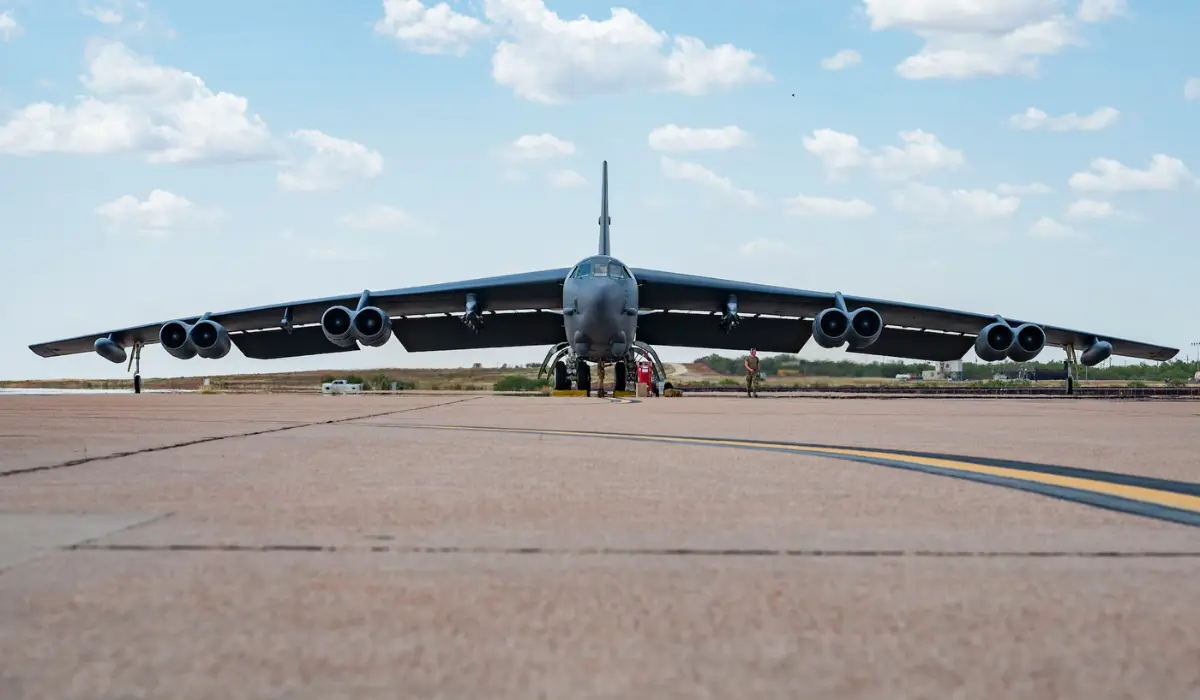
Entering Active Service
Boeing's massive eight-engine aircraft officially entered operational service with the US military in 1955. Despite its extreme age, it remains the absolute backbone of America's heavy bomber fleet today.
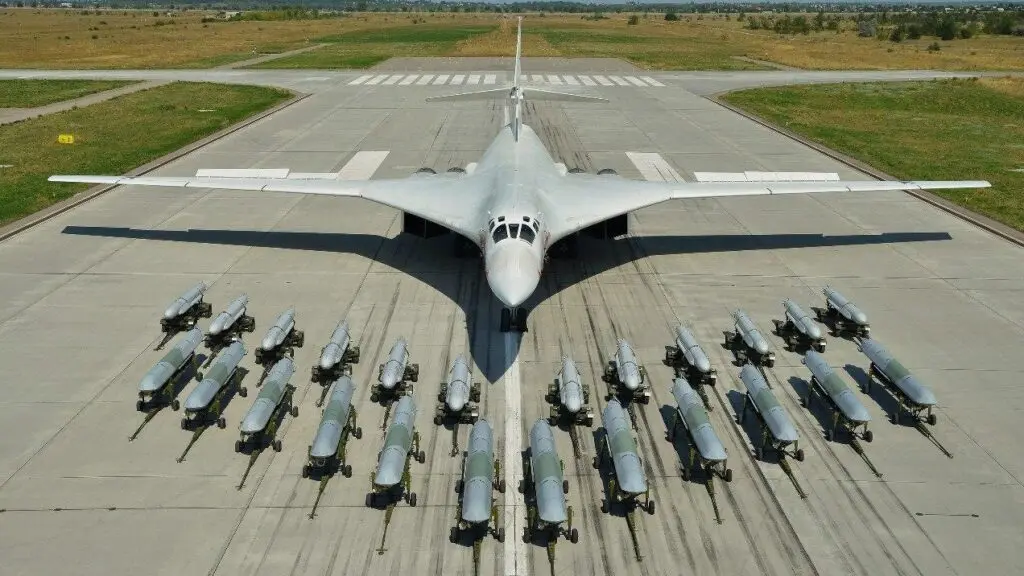
The Russian Competitor
In stark contrast, the Tupolev Tu-22M series was developed considerably later during the Cold War. The original version of this Soviet variable-sweep wing bomber first flew in August 1969.
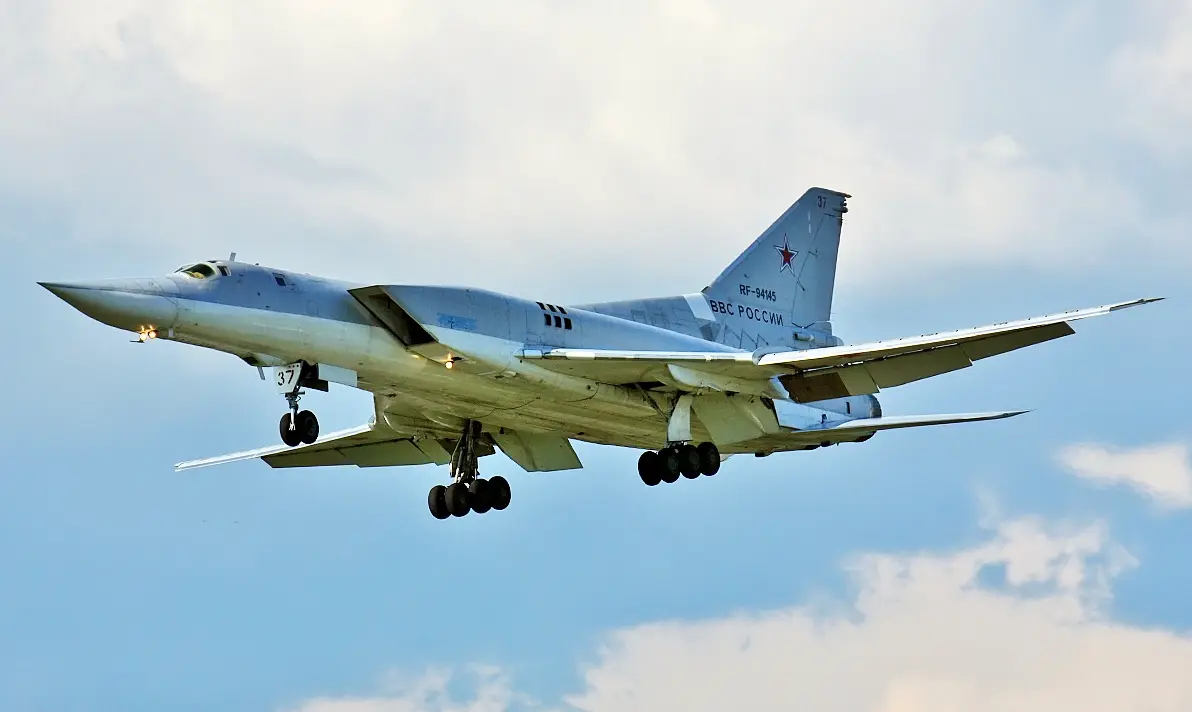
A Modernised Soviet Threat
The highly upgraded Tu-22M3 variant arrived even later to the global military aviation stage. This advanced Russian supersonic aircraft did not conduct its maiden flight until 1977.
Late Operational Deployment
While the American B-52 had already seen decades of combat, the Tu-22M3 entered formal service in 1989. The Soviet Union introduced this modernised maritime strike bomber to counter growing global naval threats.
Different Strategic Roles
The older American B-52 was primarily designed as a subsonic, long-range nuclear payload delivery platform. The newer Russian Tu-22M3 functions as a highly supersonic, medium-range strike bomber designed to aggressively hunt aircraft carriers.
)
)
)
)
)