American Apache vs. Russian Ka-52 Alligator: Which helicopter is deadlier?

The AH-64 Apache and Ka-52 Alligator are elite attack helicopters with distinct philosophies. The Apache favours sensor networking and flexibility, while the Ka-52 prioritises speed, heavy standoff weaponry, and a unique ejection system.
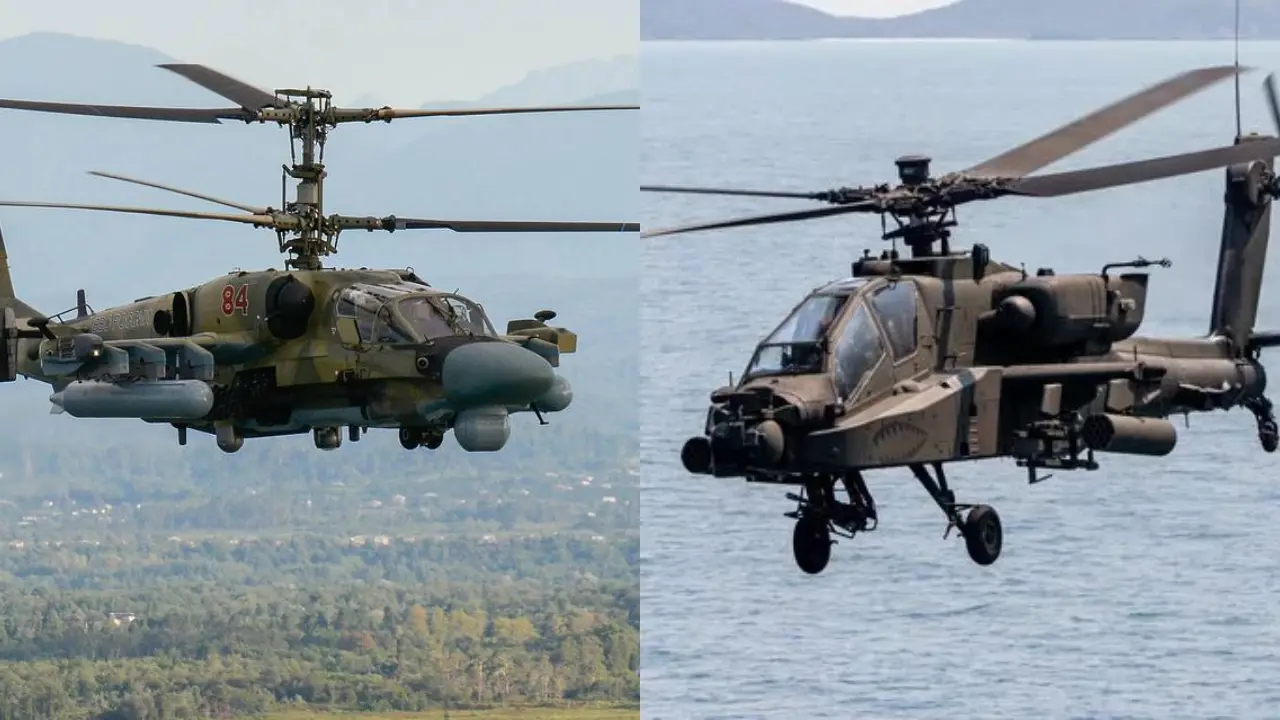
Rotor design differences Coaxial stability vs traditional agility
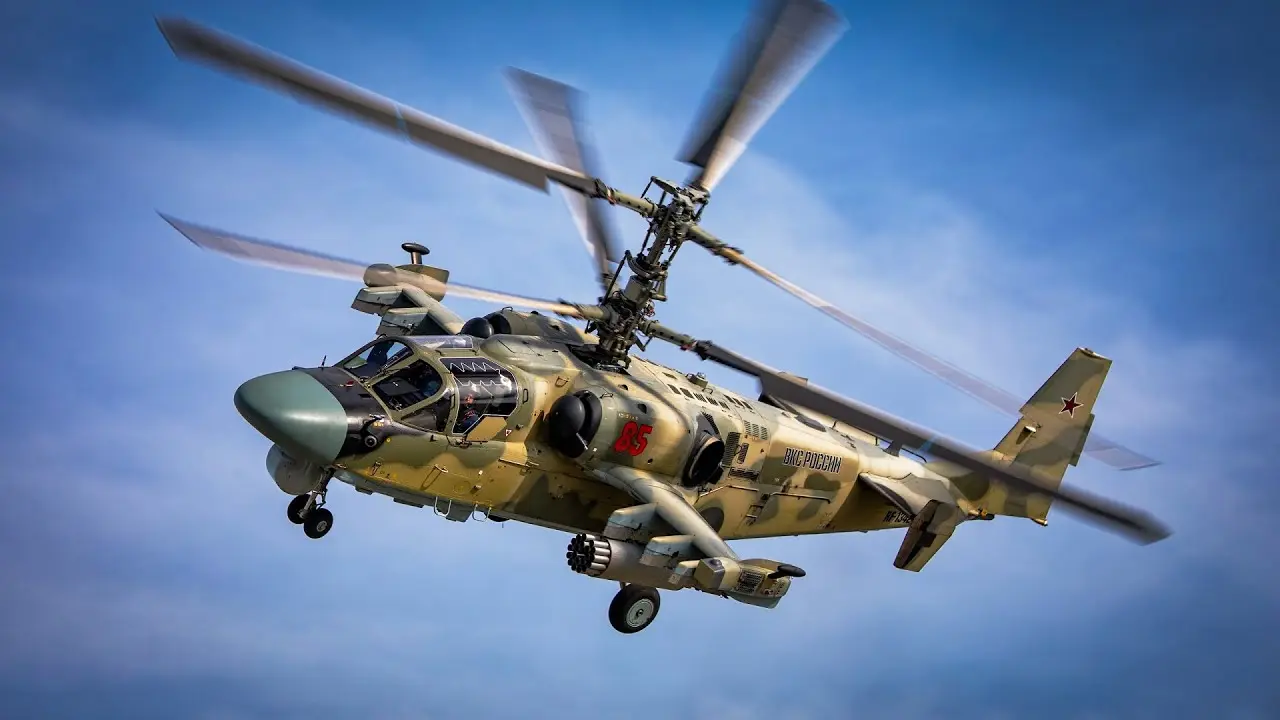
The Ka-52 uses a distinctive coaxial rotor system (two rotors stacked), eliminating the need for a tail rotor and allowing high manoeuvrability in strong winds. In contrast, the Apache uses a traditional single main rotor and tail rotor setup, a design proven over decades of combat operations.
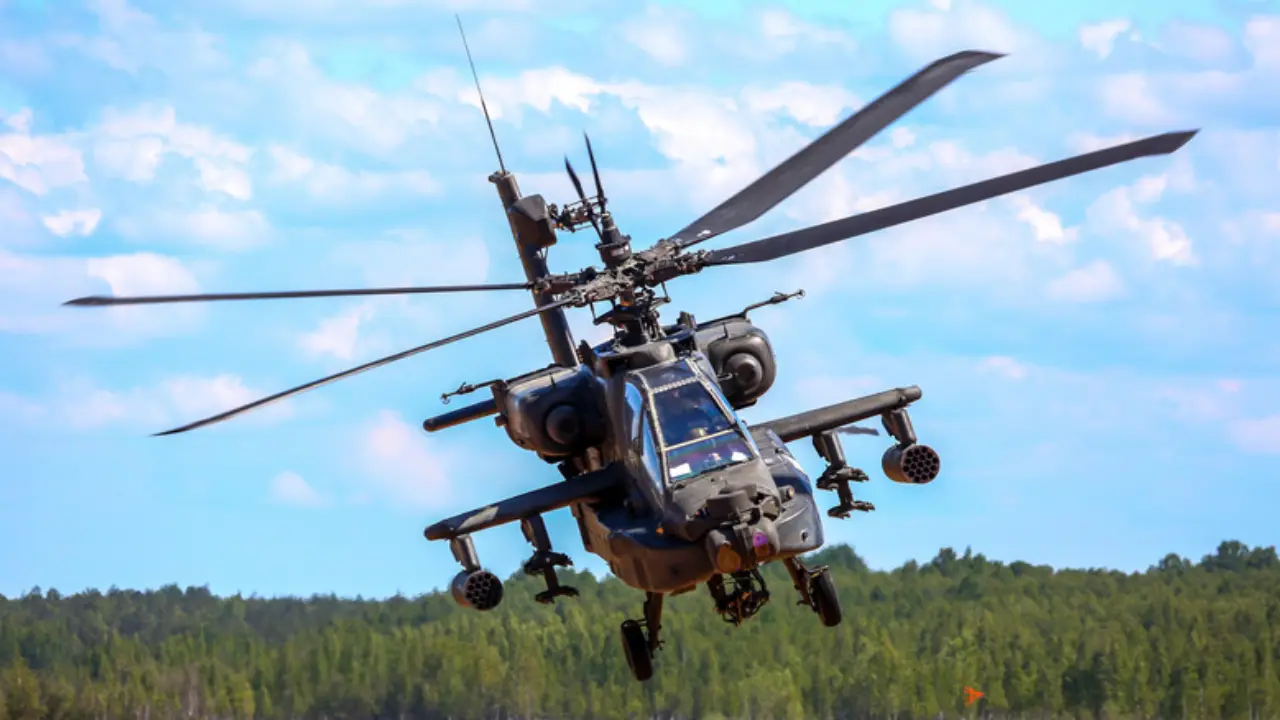
Maximum speed capabilities Alligator edges ahead at 300 km/h
Few reports claim that the Ka-52 can reach a maximum speed of 300 km/h (162 knots) due to its aerodynamic shape. The AH-64E Apache Guardian trails slightly, with Boeing stating a maximum level flight speed of roughly 293 km/h (158 knots).
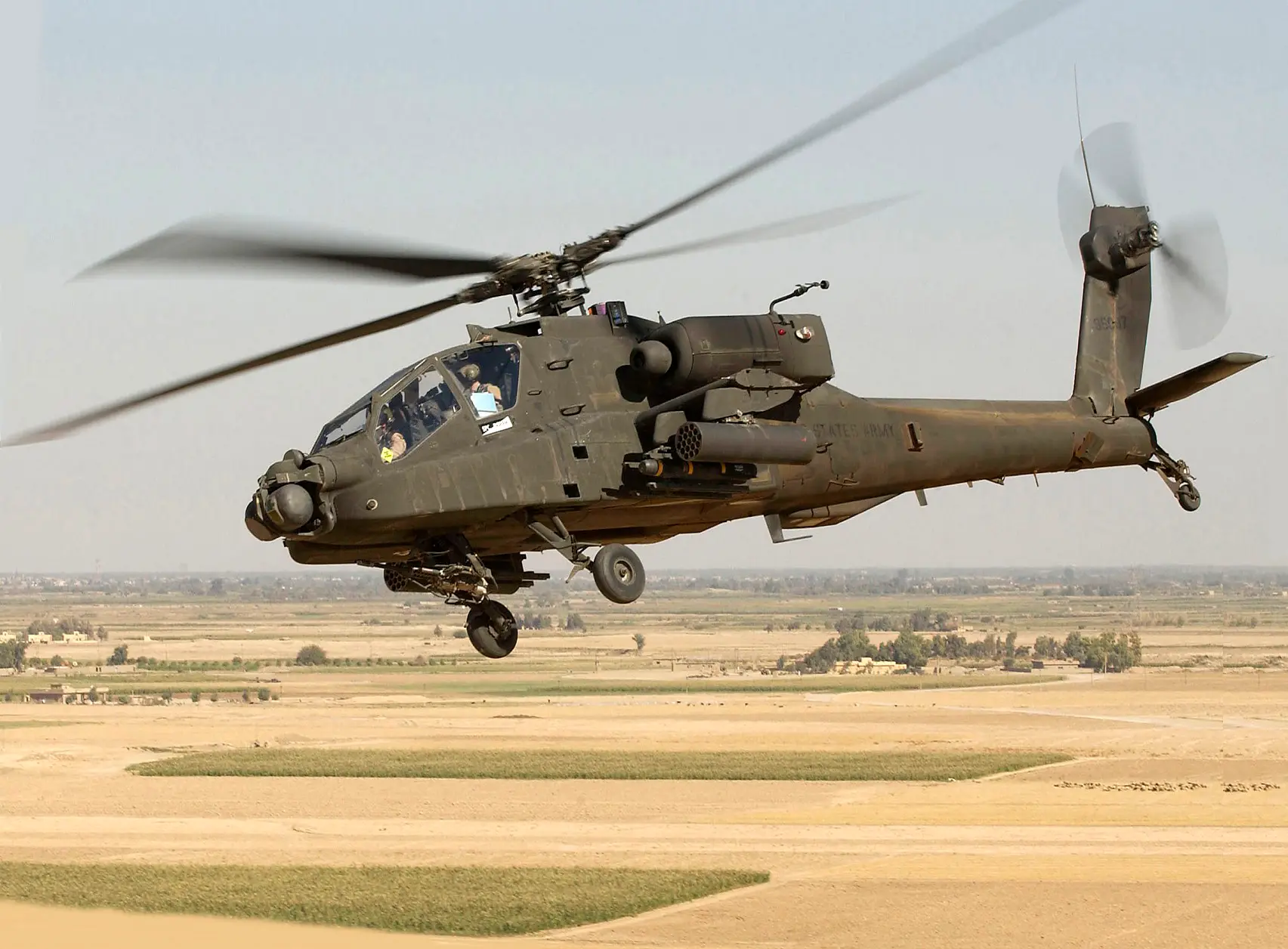
Primary missile armament Hellfire precision vs Vikhr range
The Apache carries the AGM-114 Hellfire missile, famous for its fire-and-forget capability and heavy tank-killing power. The Ka-52 is equipped with the 9K121 Vikhr missile, which has a laser-beam riding guidance system and a claimed range of up to 10-12 km.
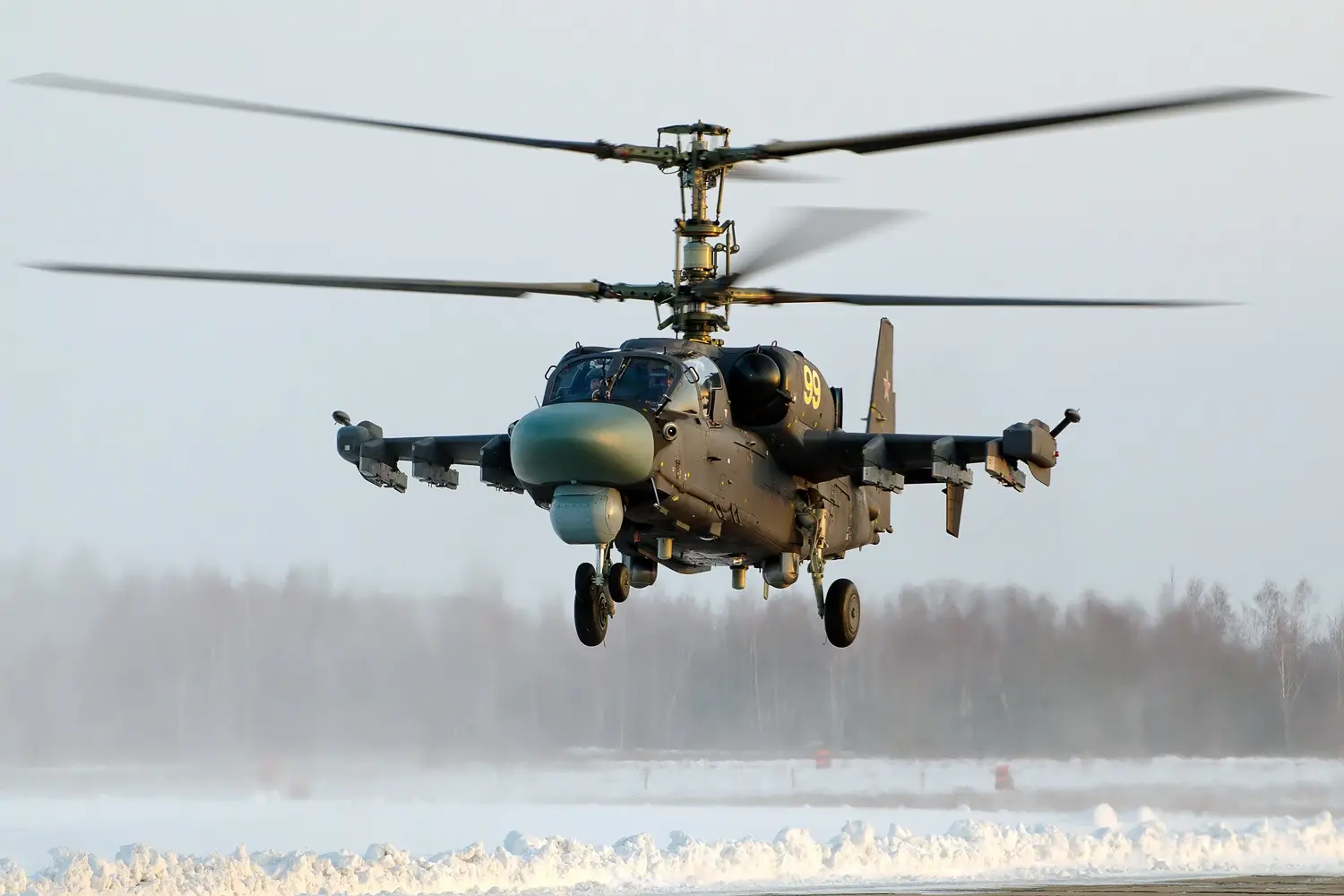
Radar and sensors Mast-mounted Longbow advantage
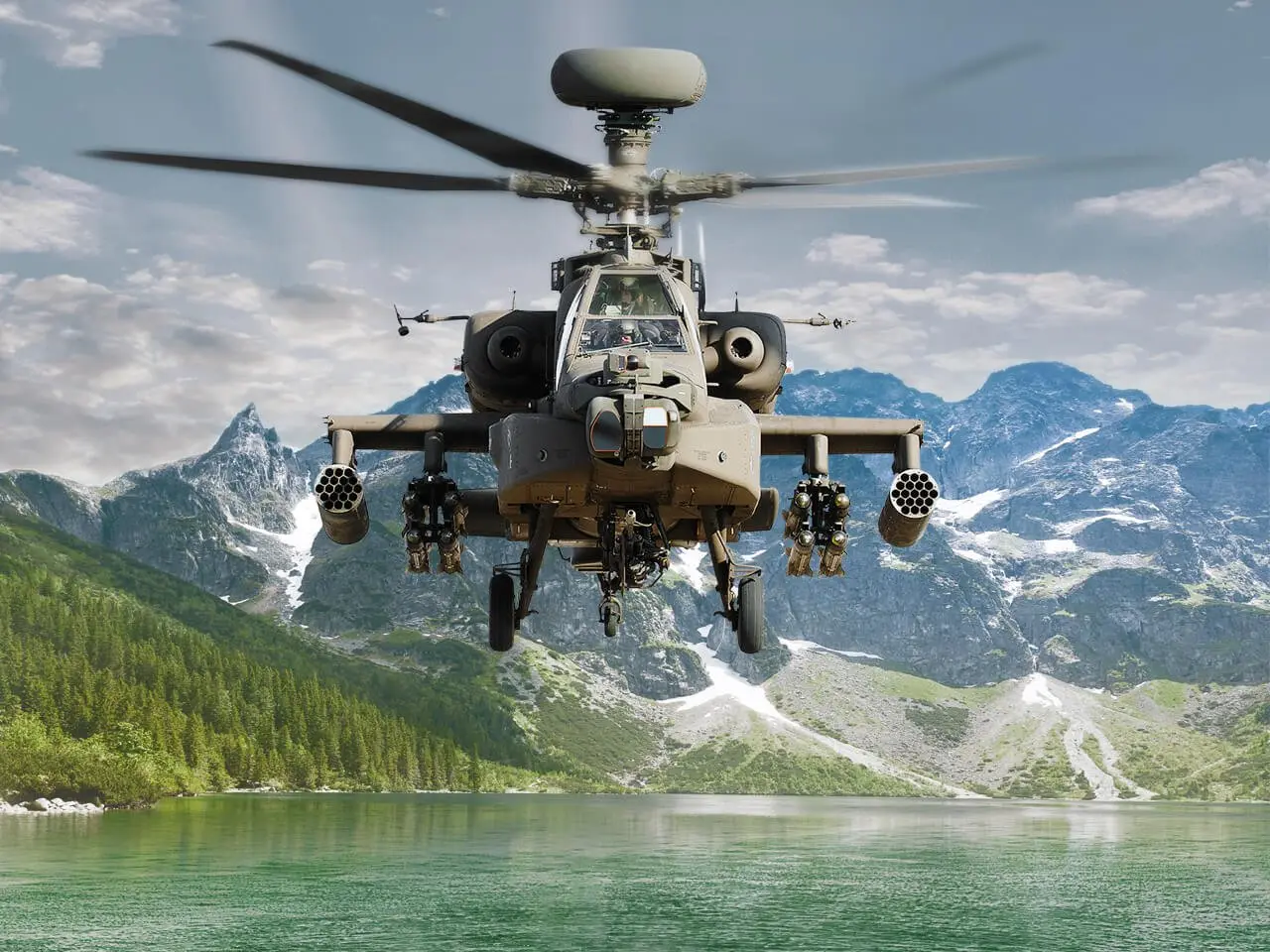
The Apache’s AN/APG-78 Longbow radar sits atop the rotor mast, allowing it to track 128 targets while hiding behind trees. The Ka-52 uses the nose-mounted Arbalet-52 radar, which provides weather and terrain mapping but lacks the hull-down targeting advantage of the Apache’s mast system.
Crew survivability Ejection seats: A Russian exclusive
The Ka-52 is the world’s only production helicopter with pilot ejection seats; explosive charges blow off the rotor blades before the crew ejects. The Apache relies on heavy armour and a crashworthy fuselage designed to absorb impact energy and protect the pilots during a crash.
Main gun firepower: 30mm chain gun vs fixed cannon
The Apache mounts a flexible M230 30mm chain gun linked to the pilot’s helmet, allowing it to aim wherever the pilot looks. The Ka-52 uses a rigid, side-mounted 2A42 30mm cannon, which is more accurate at long ranges but lacks the wide firing arc of the Apache’s turret.
Cockpit configuration Side-by-side vs tandem seating
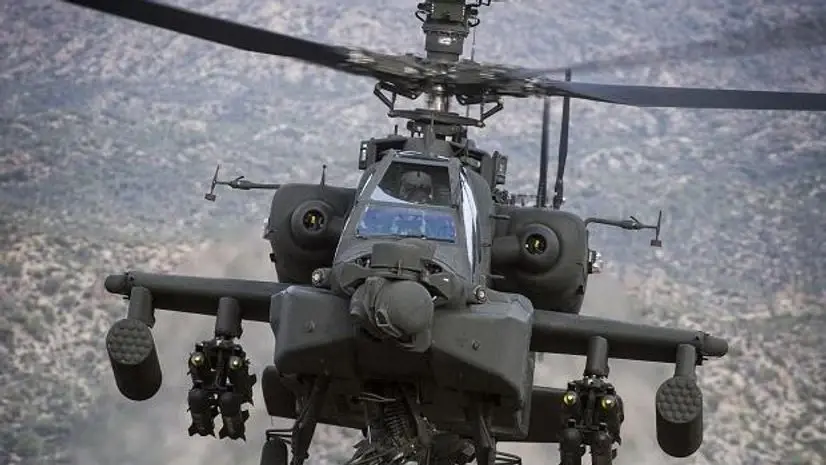
Kamov designed the Ka-52 with unique side-by-side seating, allowing better coordination and instrument sharing between pilots. The Apache sticks to the traditional tandem (front-and-back) layout, which gives both pilots an unobstructed field of view from both sides of the aircraft.
)
)
)
)
)