'$400 million secret': This American fighter jet has Russian DNA

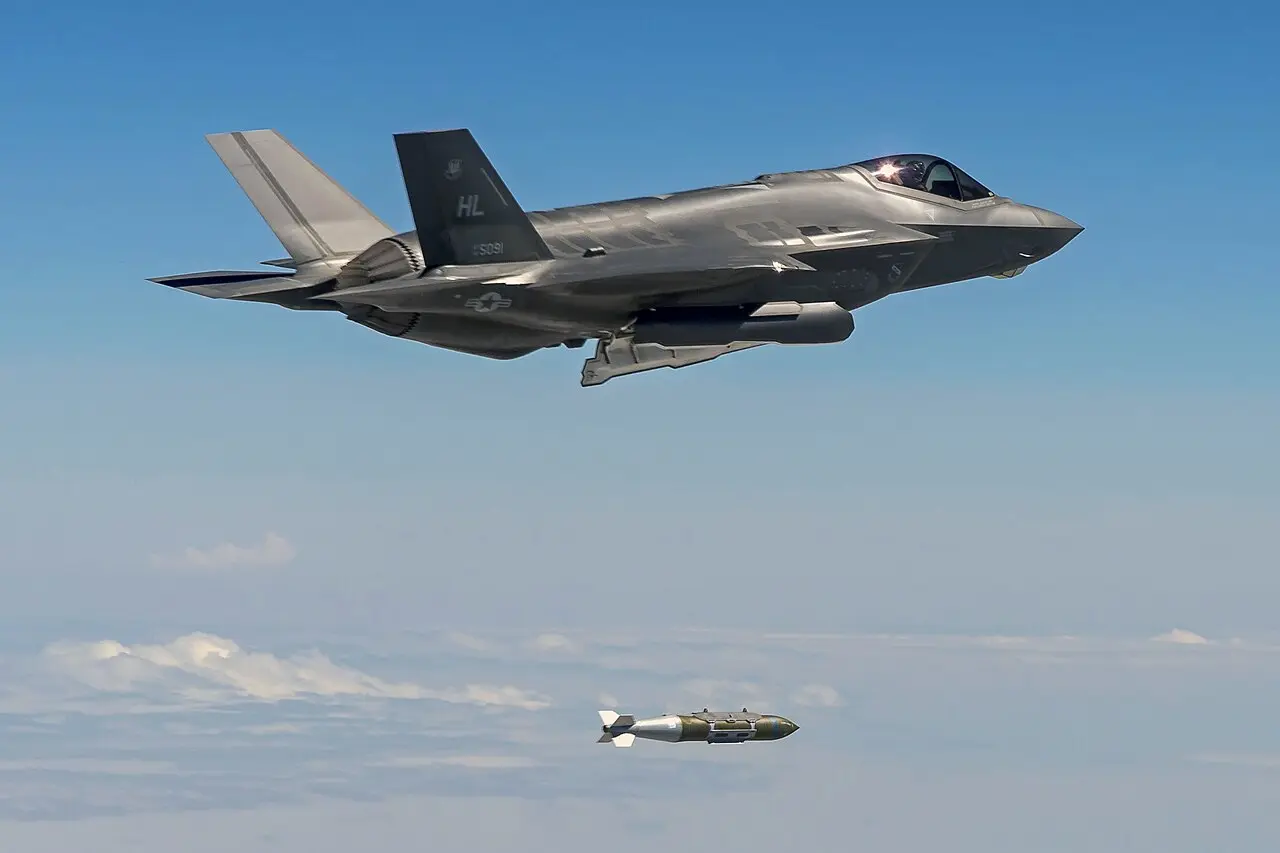
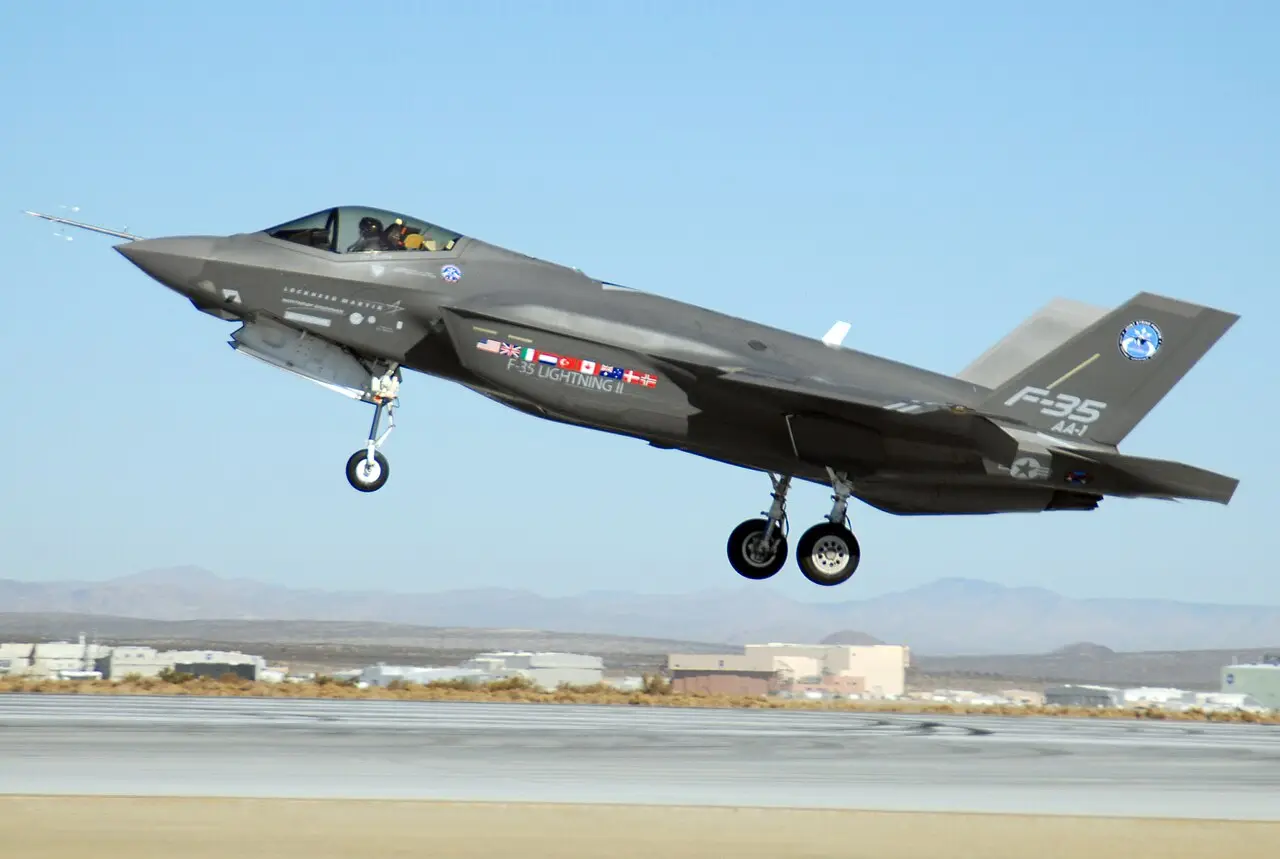
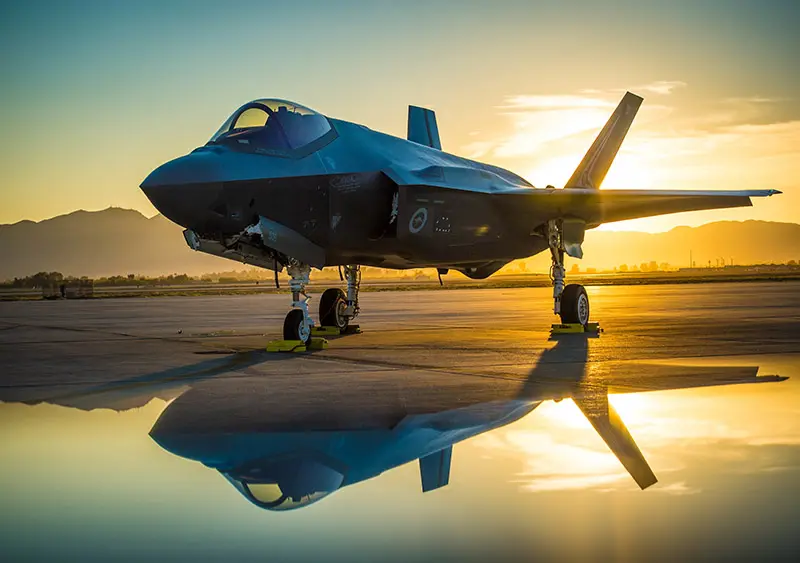
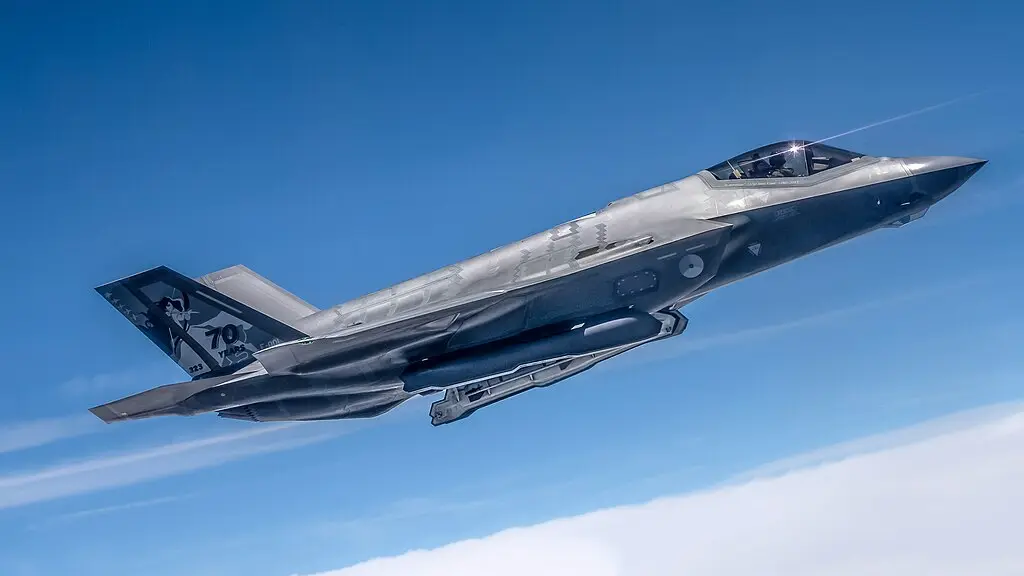
It is the most expensive weapon system in human history and the pride of the US military: the F-35 Lightning II. But hidden deep inside the design of the Marine Corps' variant (the F-35B) is a critical piece of engineering that wasn't invented in California or Texas.
1. The "Vertical" Nightmare
In the 1990s, the US military faced a physics problem that seemed impossible. They needed a stealth fighter that could fly at supersonic speeds (Mach 1.6) but also stop in mid-air and land vertically on a ship deck. The existing British Harrier jump-jet could land vertically, but it was slow and subsonic. The US engineers were stuck on how to bend the massive thrust of a supersonic engine 90 degrees downward without adding insane weight or melting the tail of the plane.

2. Enter the Yak-141 "Freestyle"
While American engineers scratched their heads, the Soviets had already built the solution. In the late 1980s, the Yakovlev Design Bureau created the Yak-141 (NATO reporting name: Freestyle). It was the world's first true supersonic vertical-takeoff fighter. It was ugly and loud, but it could do something no Western jet could: it could break the sound barrier and then hover like a helicopter.
3. The "Three-Bearing" Secret
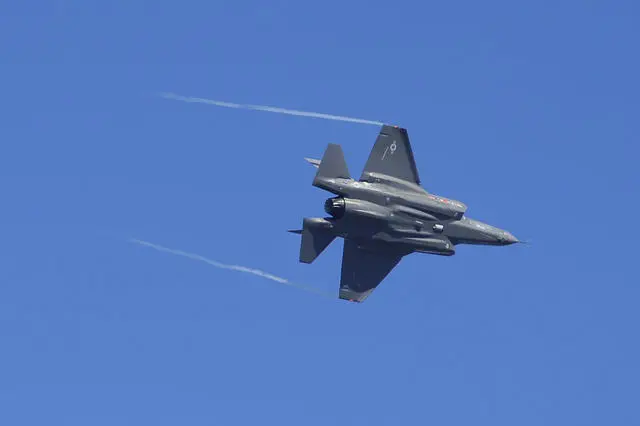
The genius of the Yak-141 wasn't the engine itself, but the nozzle. The Soviets invented a three-bearing swivel nozzle. Imagine a large exhaust pipe cut into three diagonal sections. By rotating these three rings in opposite directions, the entire nozzle could curl downward 95 degrees in just a few seconds. It was a mechanical masterpiece that maintained the engine's full power while redirecting it, a solution far superior to the heavy "diverter valves" the West was experimenting with.
4. The Soviet Collapse
Despite the engineering breakthrough, the Yak-141 was doomed by history. In 1991, the Soviet Union collapsed. Funding for the Soviet military evaporated overnight. The Yakovlev bureau had this revolutionary jet sitting on the tarmac at the Zhukovsky test center, but they couldn't afford the fuel to fly it, let alone mass-produce it. The engineers went unpaid, and the prototypes were left to rust.
5. The Secret Shopping Spree
Sensing an opportunity, Lockheed Martin (the American defense giant) quietly flew to Moscow in 1991. In a move that would have been treason just two years prior, they signed an official partnership with Yakovlev. Lockheed pumped roughly $300 to $400 million into the bankrupt Soviet bureau. Officially, it was a "cooperation agreement." Unofficially, it was a technology harvest.
6. The "DNA" Transfer
For several years, American engineers worked alongside their former Soviet enemies. Lockheed Martin didn't buy the Yak-141 itself; they bought the data. They acquired years of flight test results, the blueprints for the swivel nozzle, and the critical performance data on how the mechanism handled the stress of landing. They effectively bought the "cheat codes" to vertical flight, skipping years of expensive R&D.
7. The F-35B is Born
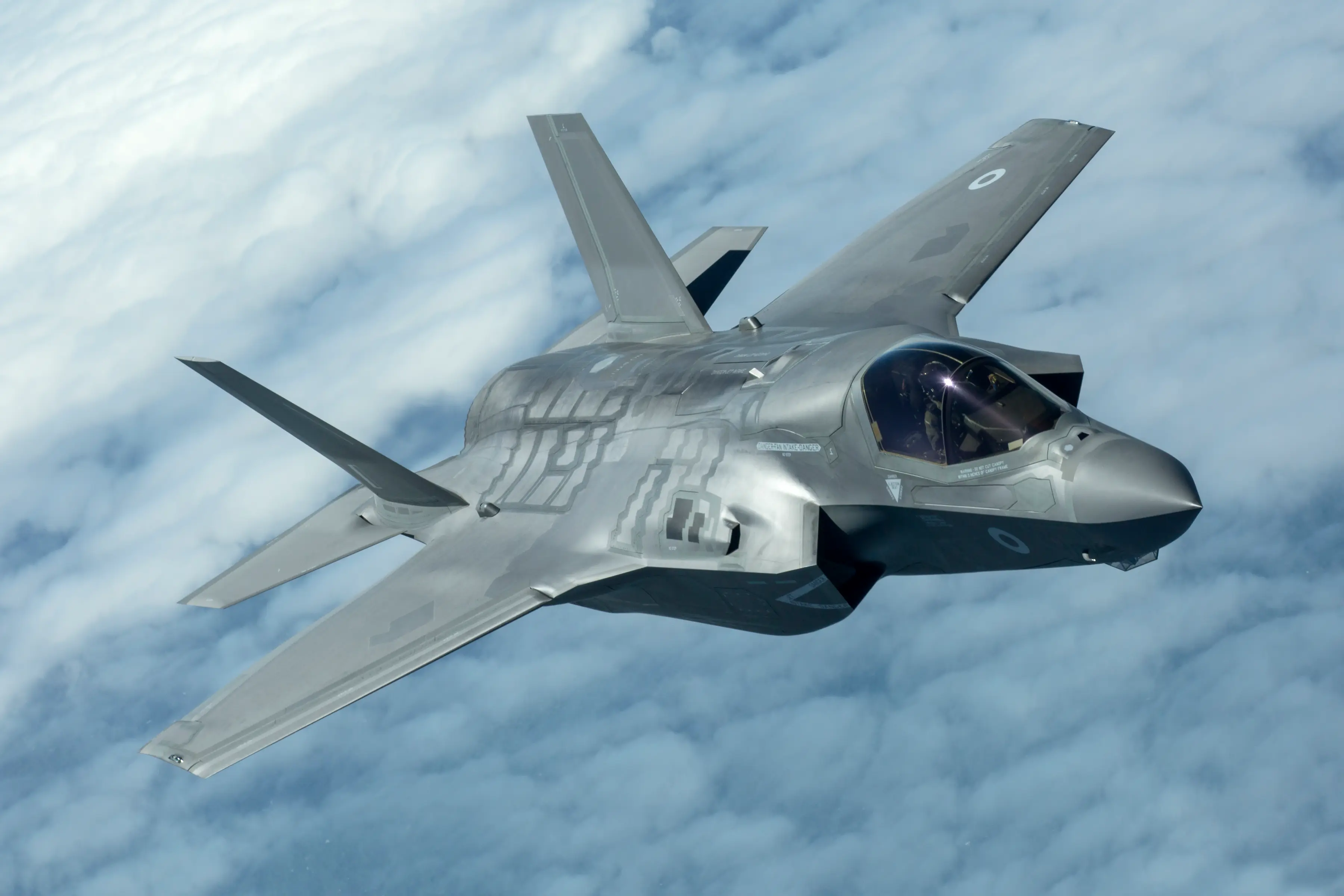
Today, if you look at the tail of a modern US Marine Corps F-35B, you are looking at the direct descendant of the Yak-141. The F-35 uses the exact same three-bearing swivel nozzle concept. While the Americans improved the materials and automated the controls, the mechanical geometry is virtually identical to the Soviet design. The Yak-141 never went to war, but its "DNA" is now flying on hundreds of American jets around the world.
)
)
)
)
)