America has a brand new stealth bomber called B-21. So why is it still flying the 70-year-old B-52?

The B-21 Raider is America's newest bomber — stealthy, modern, and designed for the most contested airspace on earth. The B-52 is from 1952, visible to radar, and older than most living pilots. The US Air Force is flying both simultaneously and has no plans to retire the B-52 until 2050. Here is what each one does that the other cannot.
What The B-21 Raider Actually Is
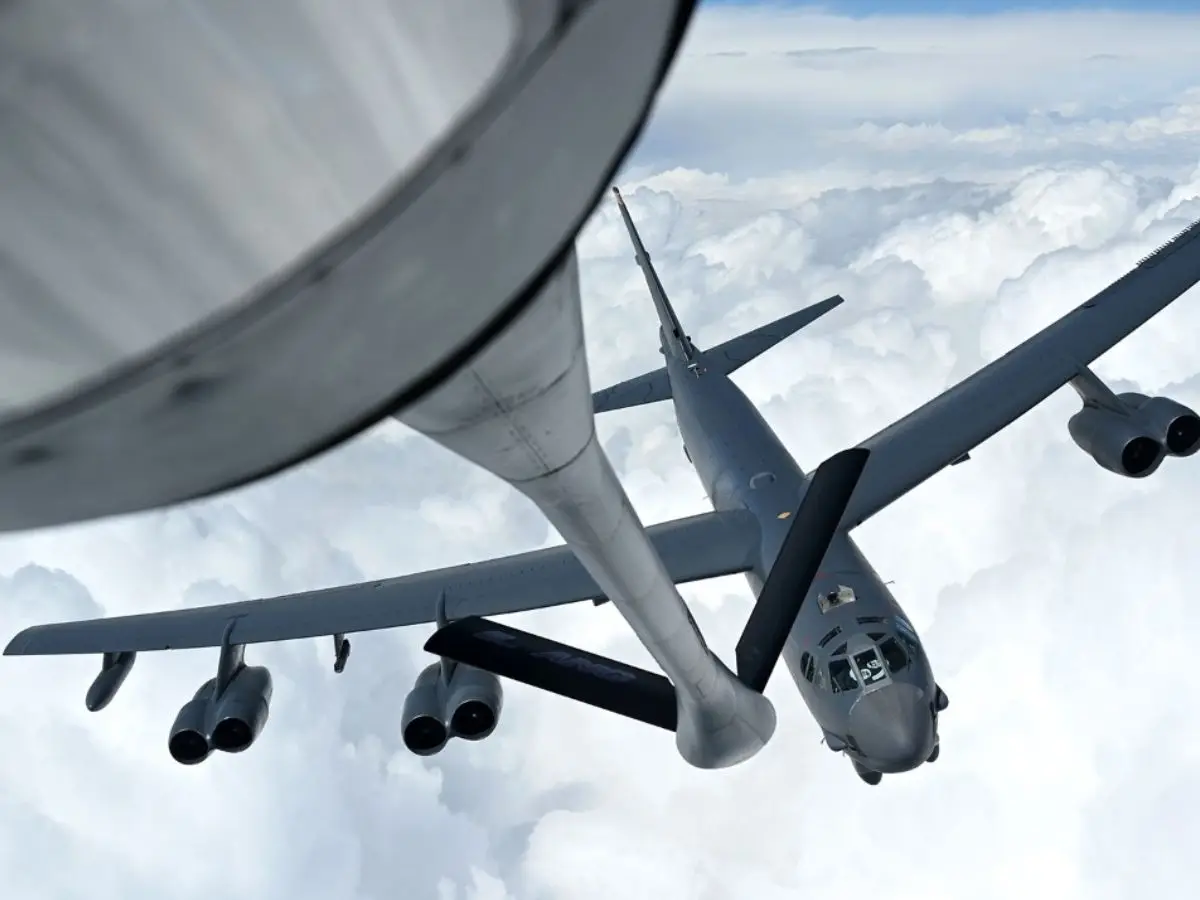
The B-21 Raider entered service with the US Air Force in 2024 — the first new American bomber in over three decades. It is a flying-wing design with a low radar cross-section, meaning it is extremely difficult for modern air defence radar systems to detect. It can penetrate heavily defended airspace and strike targets that would be suicidal to approach in a non-stealthy aircraft. It is also extraordinarily expensive — estimated at over $700 million per aircraft.
What The B-21 Can Do That The B-52 Cannot
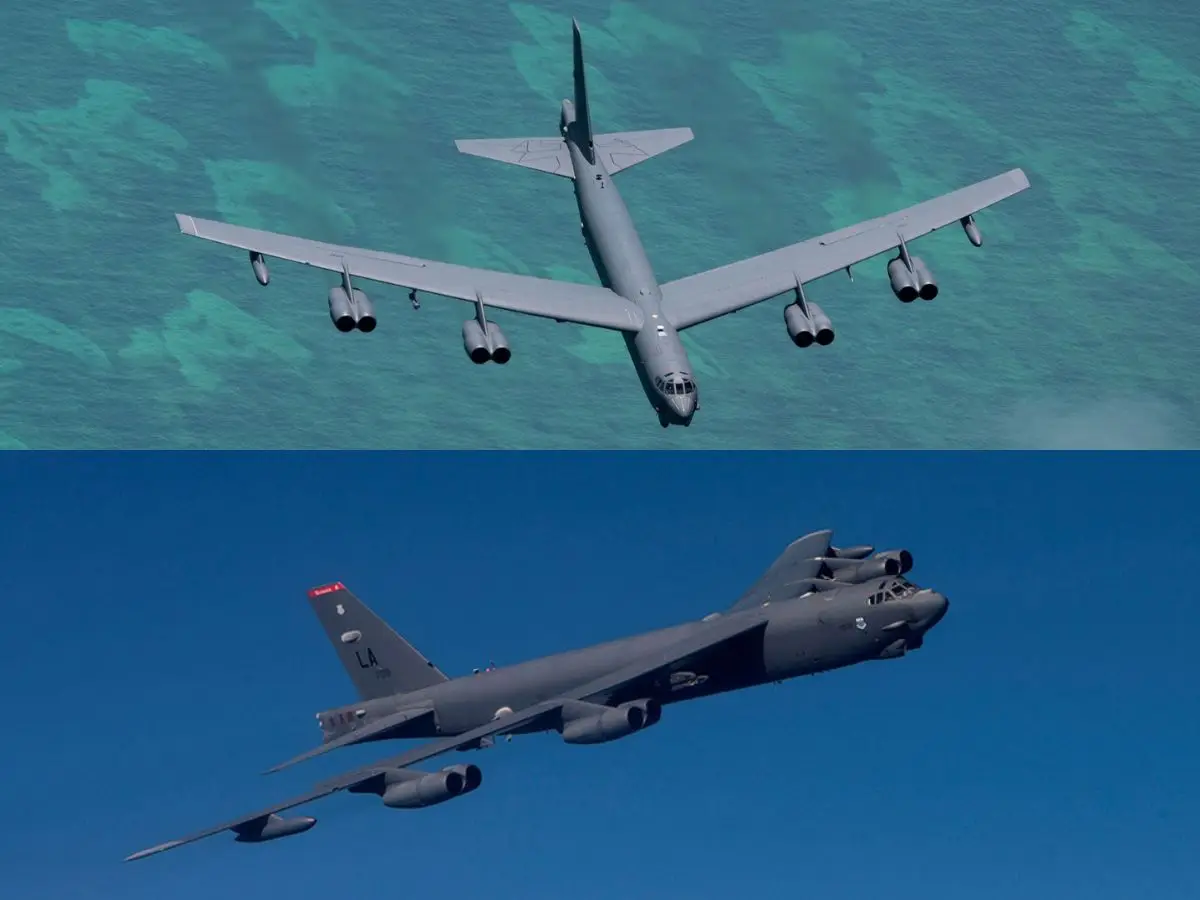
The B-21's primary advantage is survivability in contested airspace. Against adversaries with advanced integrated air defence systems — the kind operated by Russia and China — the B-52 cannot safely enter the defended zone. It would be tracked and engaged. The B-21 can penetrate those defences and strike high-value targets that are protected by the most sophisticated radar and missile networks in the world. That is its entire purpose.
What The B-52 Can Do That The B-21 Cannot
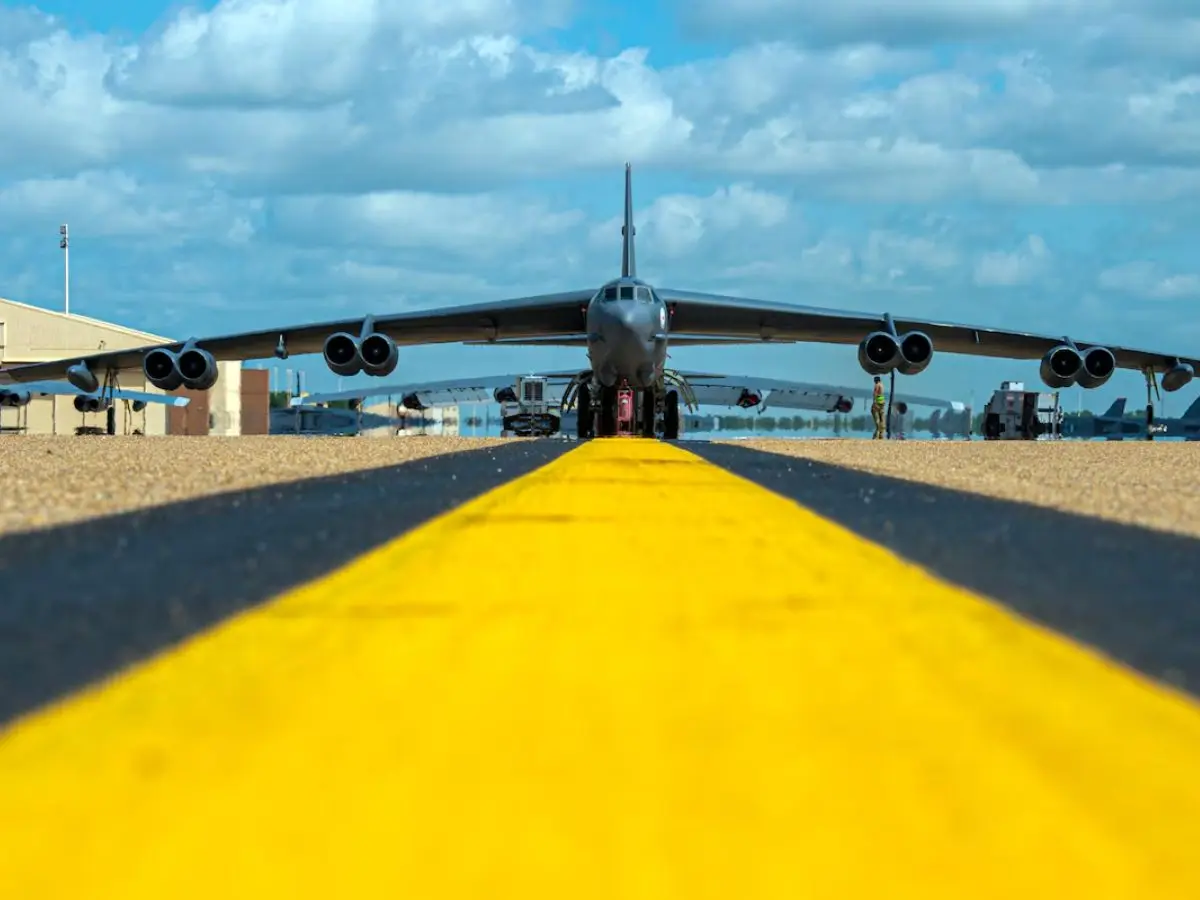
Payload. The B-52 can carry approximately 70,000 pounds of weapons. The B-21's internal bays, optimised for stealth, carry significantly less. When the mission does not require penetrating defended airspace — when the threat environment allows standoff attacks from outside the enemy's reach — the B-52's massive payload capacity makes it far more destructive per sortie than the B-21. The B-21 is the scalpel. The B-52 is the hammer.
The Cost Equation That Keeps The B-52 Flying
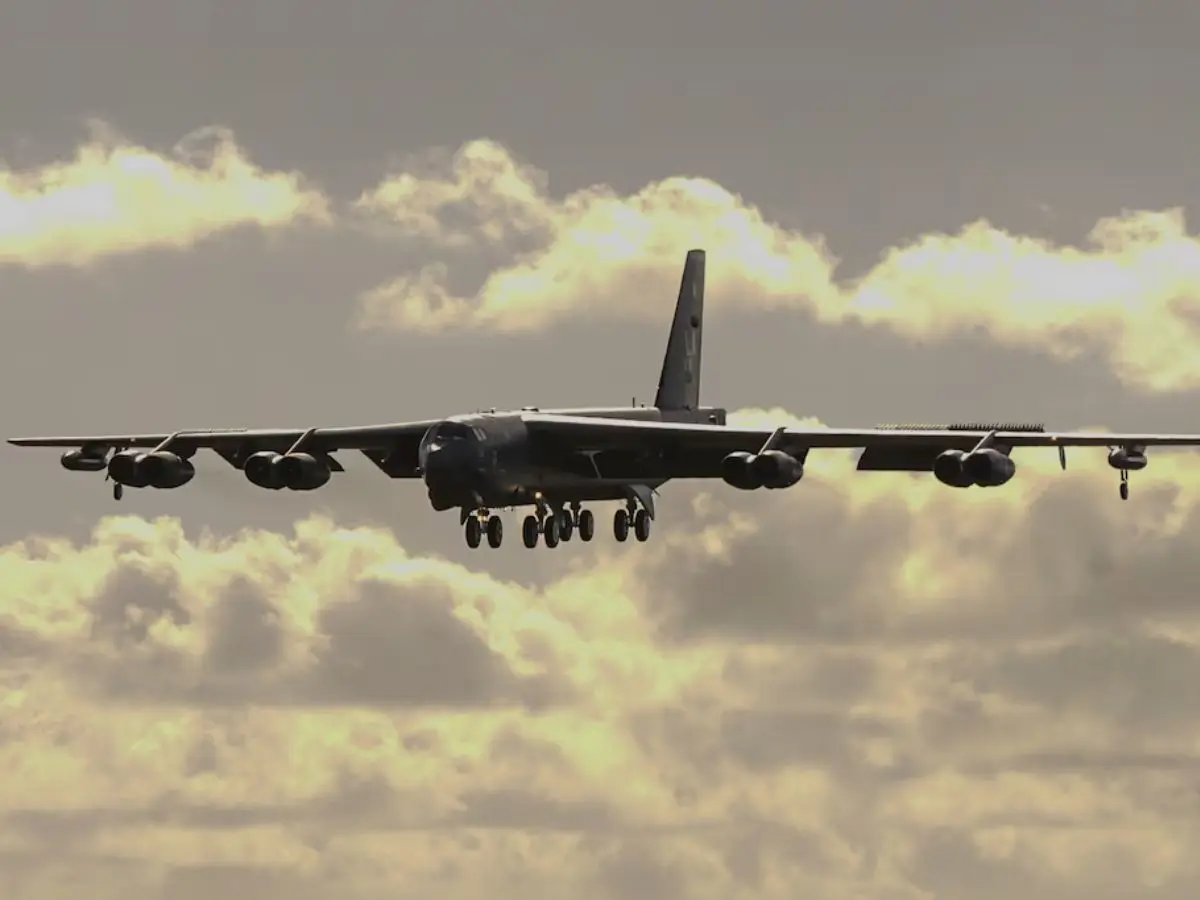
The B-21 costs over $700 million per aircraft. The B-52 costs approximately $70,000 per flight hour to operate. Replacing every B-52 with a B-21 would cost hundreds of billions of dollars and produce a fleet with less total payload capacity. The US Air Force's answer is to use both: B-21s for missions requiring stealth penetration of defended airspace, B-52s for everything else. The old bomber is not kept out of nostalgia — it is kept because it is still the cheapest way to deliver enormous amounts of ordnance at long range.
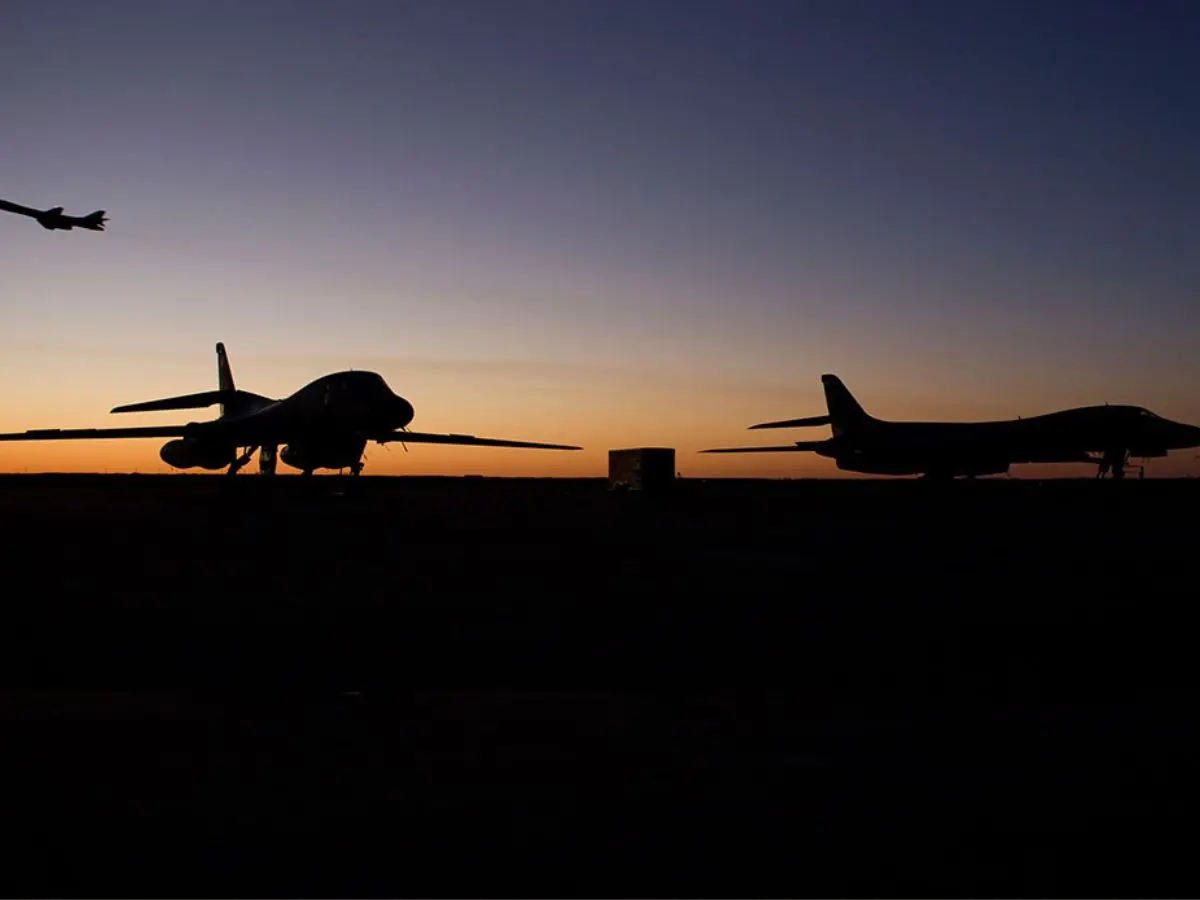
How They Would Work Together In A Real Conflict
Military planners envision a complementary role in a major conflict. B-21s penetrate enemy defences and destroy the radar systems, command centres, and missile batteries that protect the most critical targets. Once those defences are suppressed, B-52s move in behind, carrying cruise missiles and conventional bombs at scale to strike the broader target set. The stealth aircraft opens the door. The old bomber walks through it with everything it has.
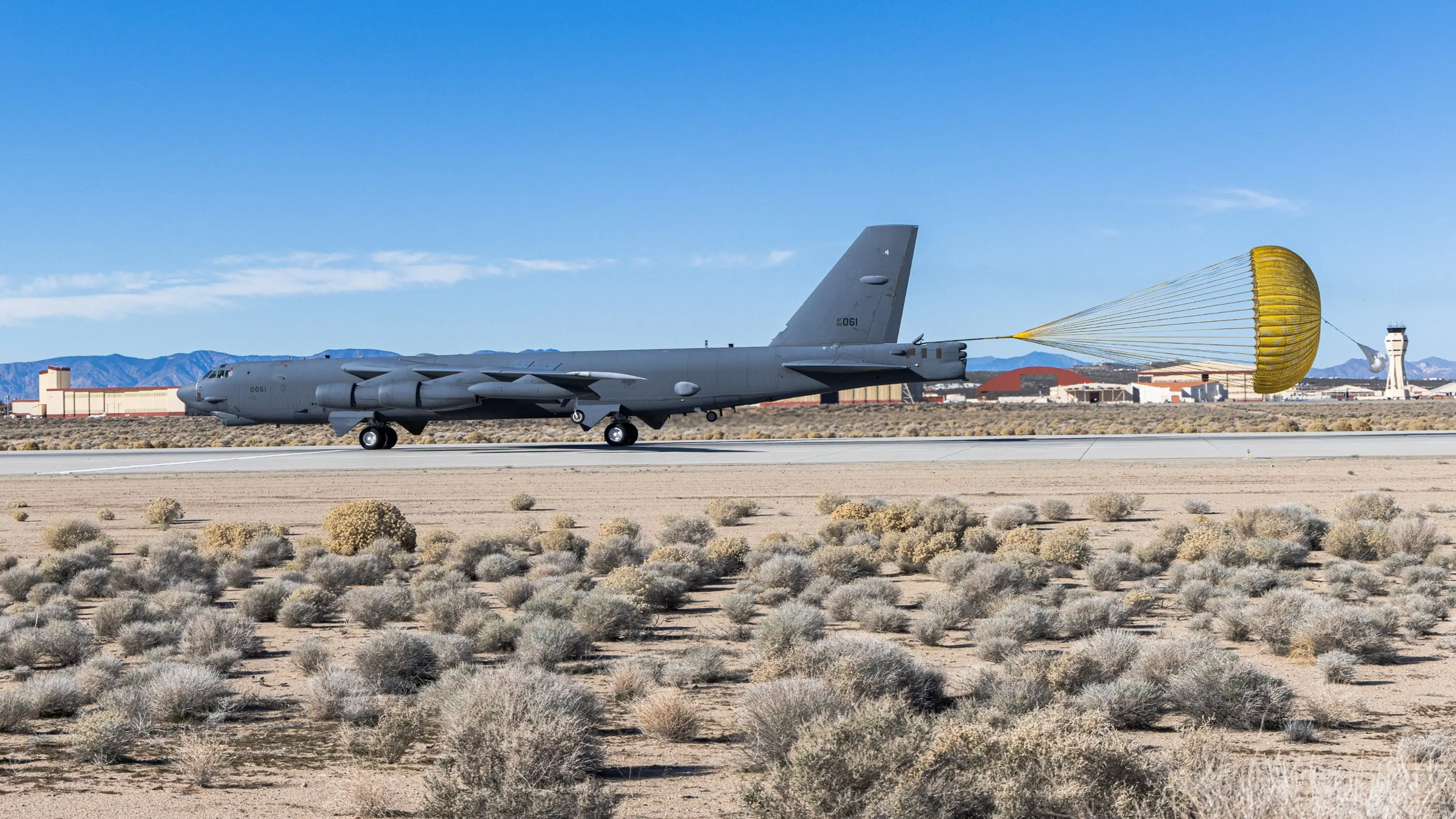
Why The B-52 Is Being Upgraded Instead Of Retired
Rather than accelerating B-21 production to replace the B-52 faster, the US Air Force is spending over $10 billion upgrading the B-52 with new Rolls-Royce engines, new avionics, and new weapons integration. This decision reflects a straightforward calculation: the B-52 airframe is structurally sound until the 2080s, the upgrade cost per aircraft is a fraction of a B-21, and the resulting aircraft can carry hypersonic weapons the B-21 cannot yet integrate. Upgrading is cheaper than replacing.
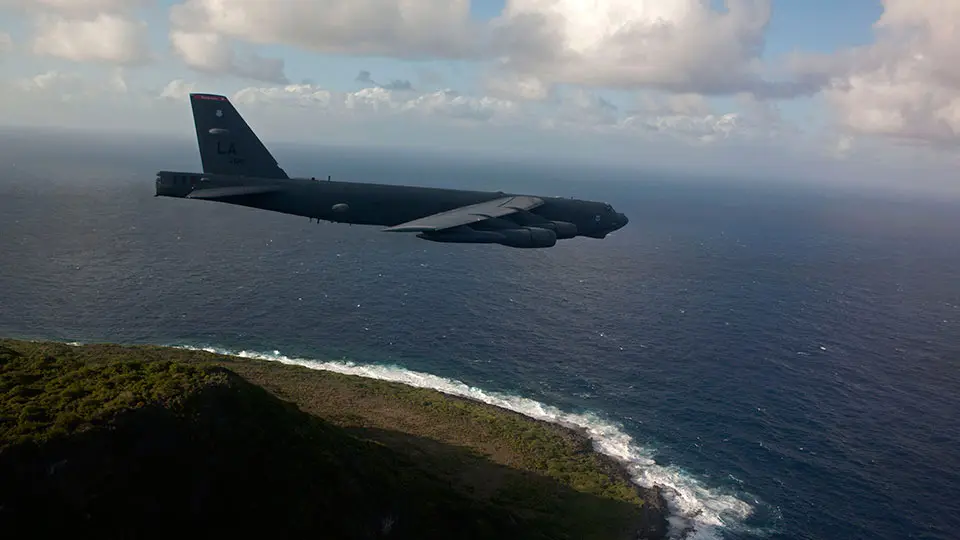
The Answer To Why Both Are Flying
No single aircraft can do everything. Stealth enables penetration of the most defended environments on earth. Payload enables destruction at scale once those environments are opened. Range and endurance enable global reach without relying on forward bases that may not exist or may be under attack. The B-52 and B-21 together cover a wider range of combat scenarios than either could alone. The US Air Force flies both because losing either capability would leave a gap that the other cannot fill.
)
)
)
)
)