AMCA vs F-35: 5 fighter jets in India’s billion-dollar hunt for 5th-gen warfare

The era of 5th-generation warfare is here, defined by stealth, sensor fusion, AI-enabled targeting, and unmatched air superiority. As India expands its defence shopping list, it finds itself among a group of nations racing to master this elite class of fighter technology.
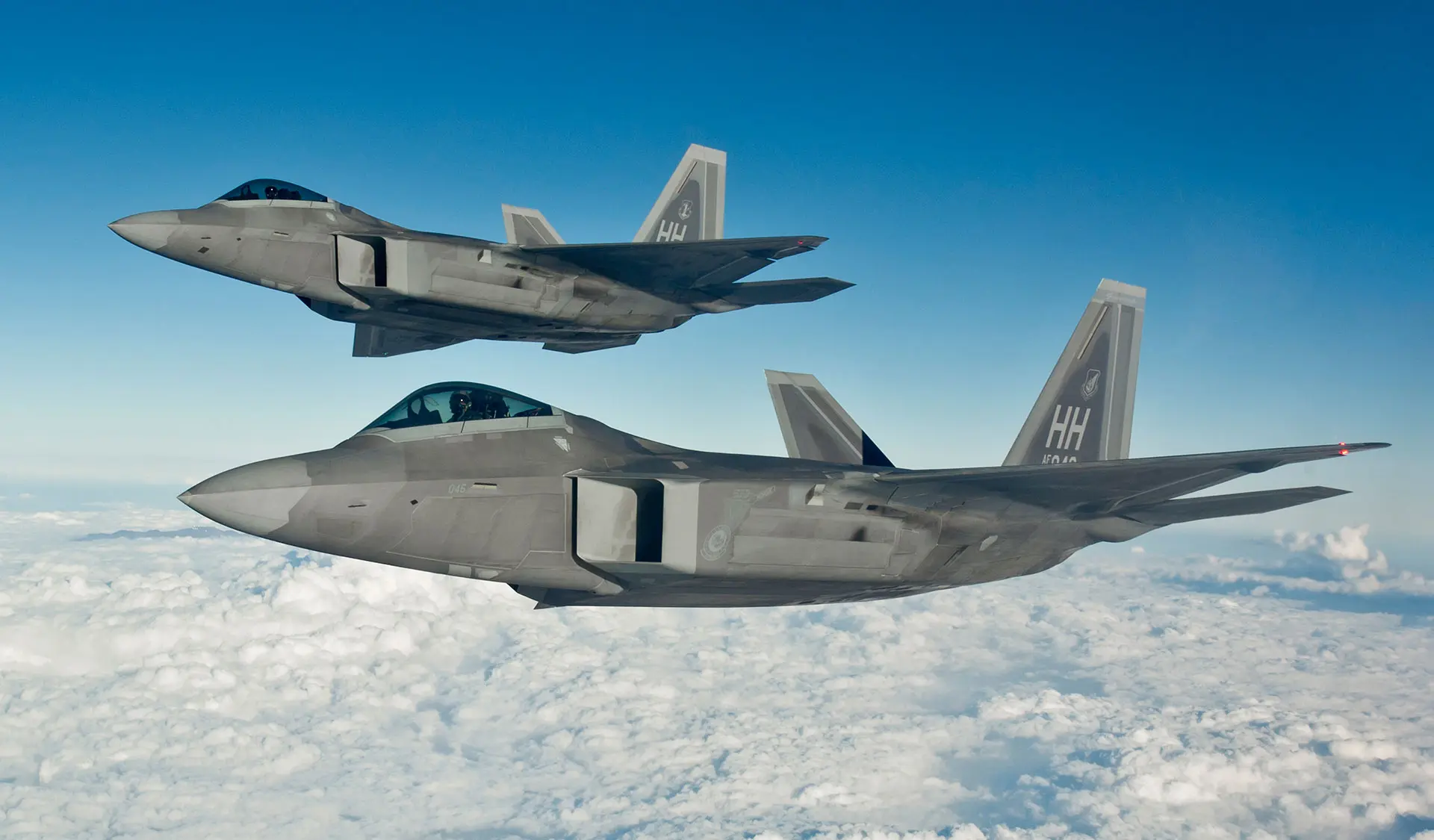
Lockheed Martin F-22 Raptor
The F-22 Raptor was the world’s first operational 5th-generation fighter, developed by Lockheed Martin for the US Air Force. Built exclusively for air dominance, it set the benchmark with stealth technology, super cruise, advanced avionics, and the ability to strike before being seen. Though no longer in production, it remains one of the most lethal aircraft ever built.
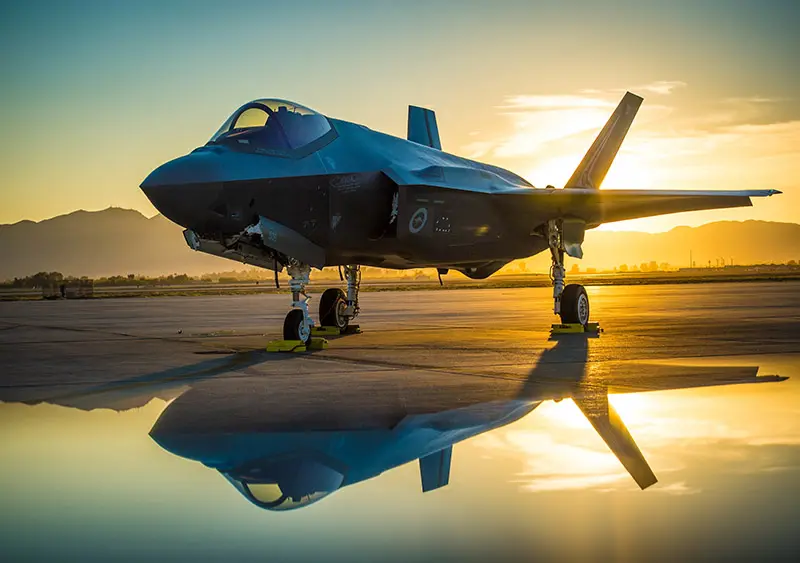
Lockheed Martin F-35 Lightning II
Unlike the Raptor, the F-35 Lightning II was built for versatility. With three distinct variants—the F-35A (Air Force), F-35B (Marines, with vertical takeoff), and F-35C (Navy, for carriers)—it serves across multiple branches of the US military and several allied nations. It brings together stealth, data fusion, electronic warfare, and ground attack in a single platform.
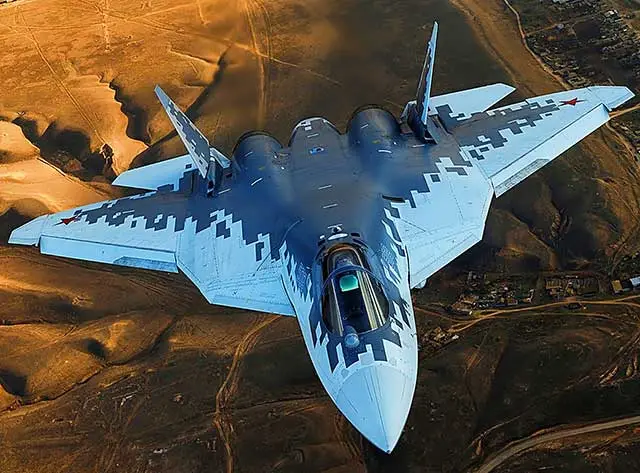
Sukhoi Su-57
Russia's Su-57, developed by Sukhoi, combines stealth, super manoeuvrability, and strike capabilities. It’s designed for both air superiority and ground attack. While still facing production delays and limited numbers in service, it represents Russia’s first official step into 5th-gen territory.
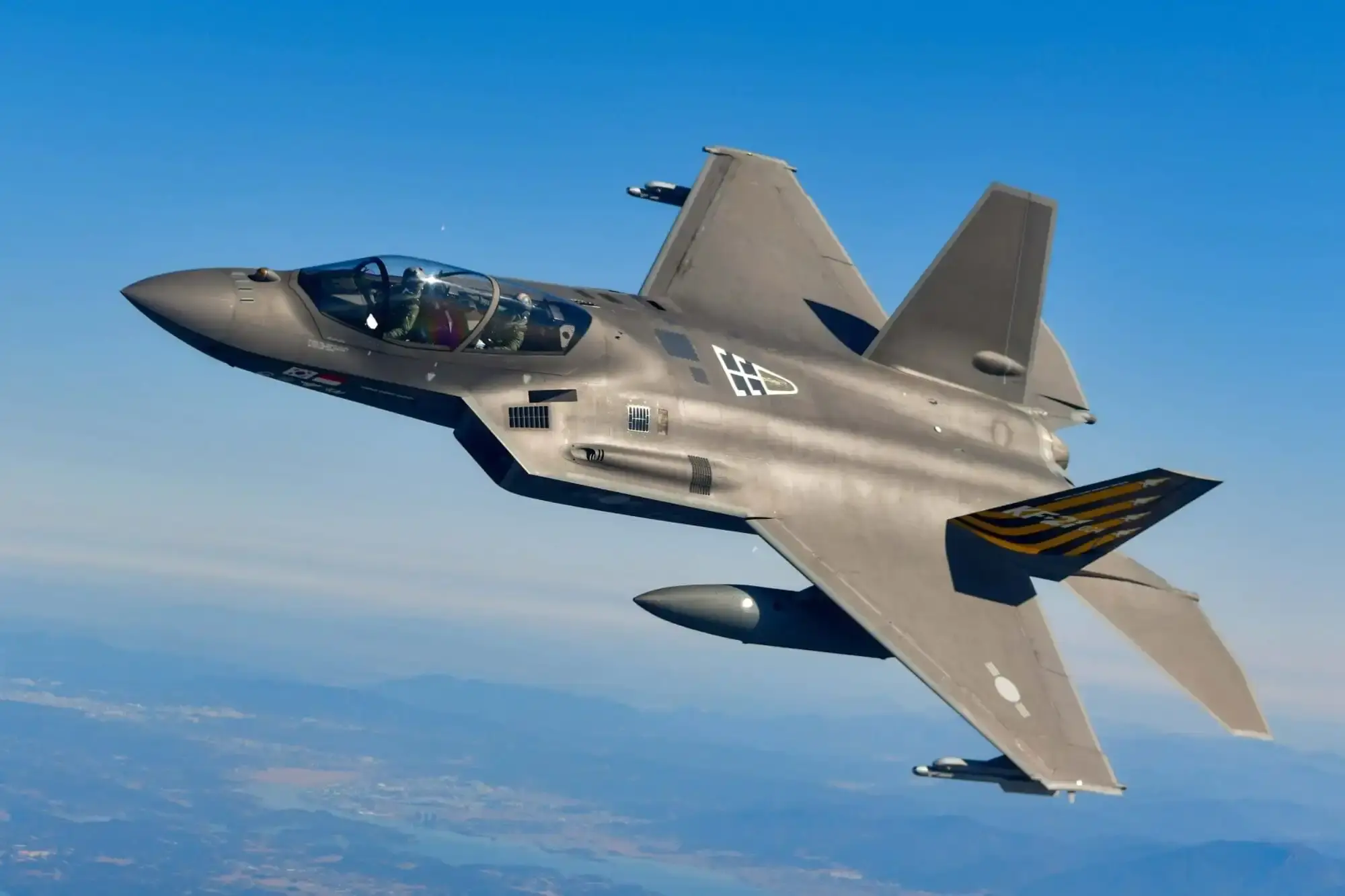
KAI KF-21 Boramae
The KF-21 Boramae, developed by Korea Aerospace Industries (KAI), isn’t a full-fledged 5th-gen jet yet, but incorporates many elements such as reduced radar cross-section, advanced radar, and multi-role capability. It represents a 4.5 to 5th-gen hybrid and is expected to evolve further in future iterations.
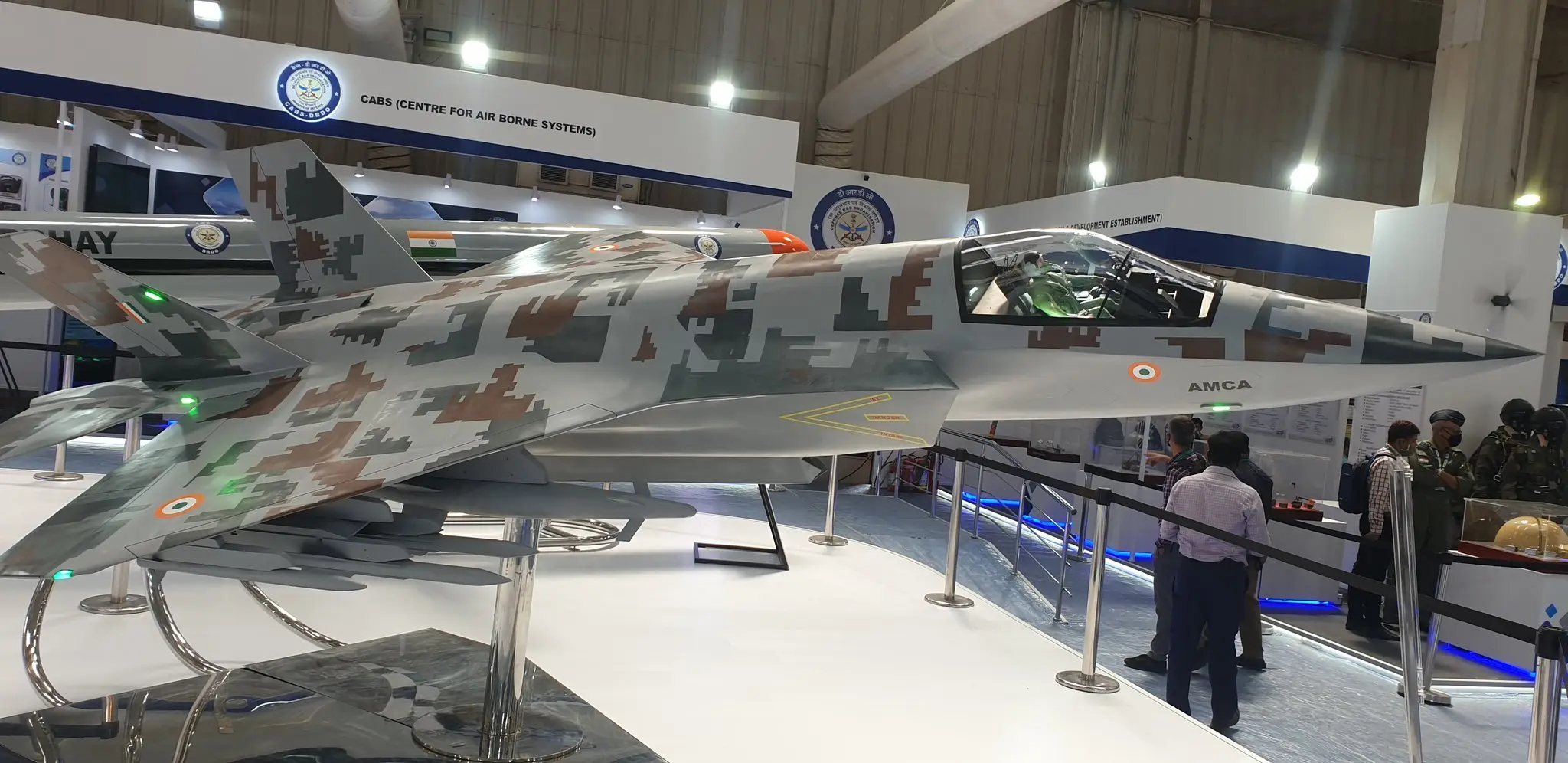
HAL AMCA
India is betting big on its own stealth fighter, the Advanced Medium Combat Aircraft (AMCA), being developed by HAL and DRDO. Aimed at full 5th-gen capability, the AMCA will feature stealth design, AI-assisted avionics, internal weapons bays, and possibly 6th-gen elements in later versions. Though still in development, the project represents India’s strategic leap toward self-reliant air power in the face of growing regional threats from China and Pakistan.
)
)
)
)
)