Four orbiters over Mars and a Jupiter mission can intercept 3I/Atlas before it slips away

Interstellar object 3I/Atlas - Alien tech or comet? There are at least four orbiters hovering over Mars that can point their cameras towards 3I/Atlas when it flies past the red planet. Another mission sent to Jupiter can also help.

3I/Atlas is acting strange - How should humans study it?
Interstellar object 3I/Atlas has puzzled scientists with its strange movement, speed, trajectory and brightness. They are almost certain that it is a comet, yet there is still a doubt about what it could be. Some think it could be an entirely new group of cosmic bodies, while one scientist thinks it is an alien spaceship coming to probe the planets in our solar system. But, how do we know what it is before it reaches near Earth? Avi Loeb has suggested using existing missions to study 3I/Atlas. Here are a few of them.

Can NASA's Juno spacecraft study 3I/ATLAS
One of the first suggestions made by Loeb was to use NASA's Juno spacecraft, launched in 2011, to study Jupiter. He says Juno can be used to intercept the object by making a small change. The Harvard professor says if Juno accelerates by 2.6 kilometres per second on September 14, 2025, it could come near 3I/ATLAS.
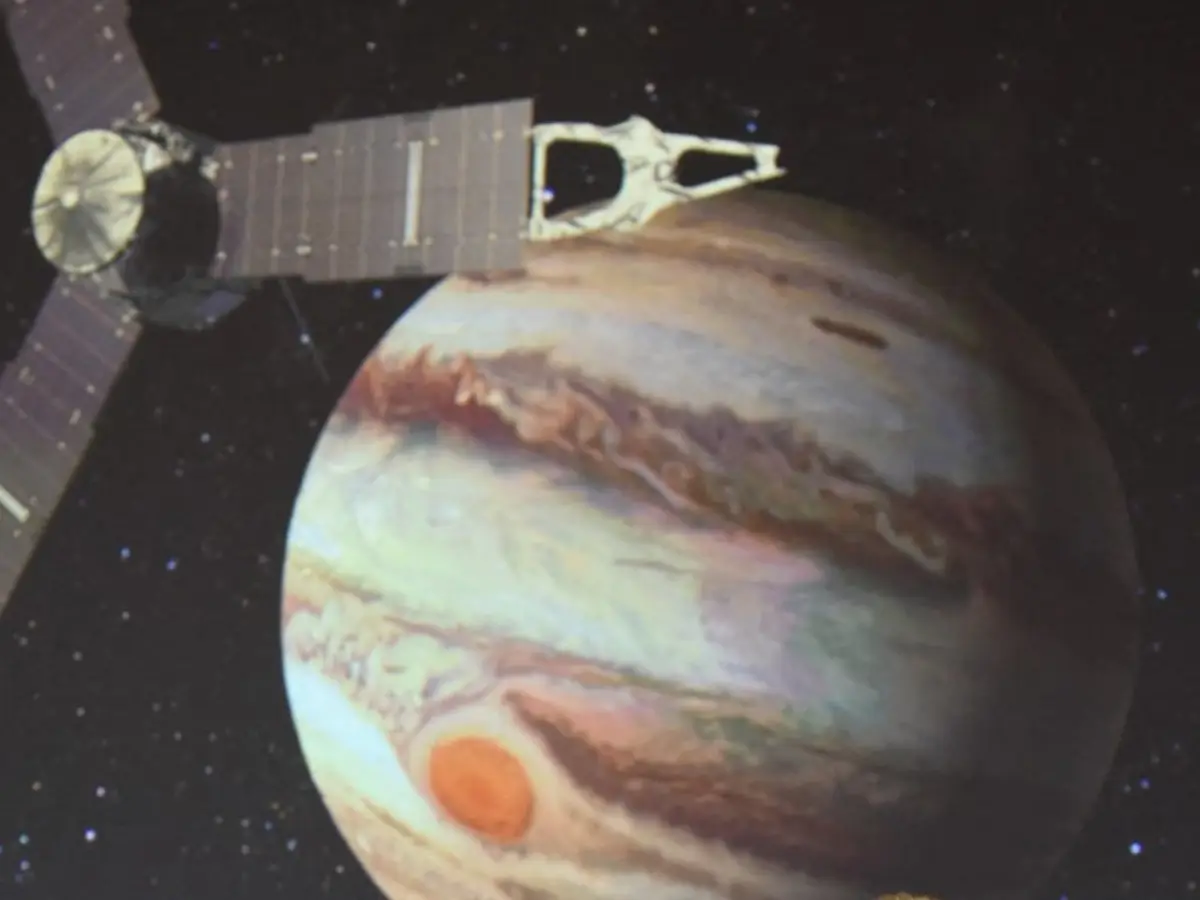
3I/ATLAS and Juno can meet on March 14, 2026
His calculations have revealed the exact date this could happen. According to him, if Juno can be manipulated, then the visitor from outer space, 3I/ATLAS, and Juno can have a meeting on March 14, 2026. But scientists have flagged certain challenges with this plan. Loeb says Juno can use its scientific instruments to "probe the nature of 3I/ATLAS from a close distance."

Intercepting 3I/ATLAS using Juno is impossible - Scientists say it is moving too fast
However, scientists say it is impossible to intercept 3I/ATLAS because it is moving at an astounding speed of 221,000 km/hr. But according to Loeb, this is a great chance to study the interstellar object. "The close encounter of 3I/ATLAS to Jupiter provides a rare opportunity to shift Juno from its current orbit around Jupiter to intercept the path of 3I/ATLAS at its closest approach to Jupiter," he wrote in a blog.
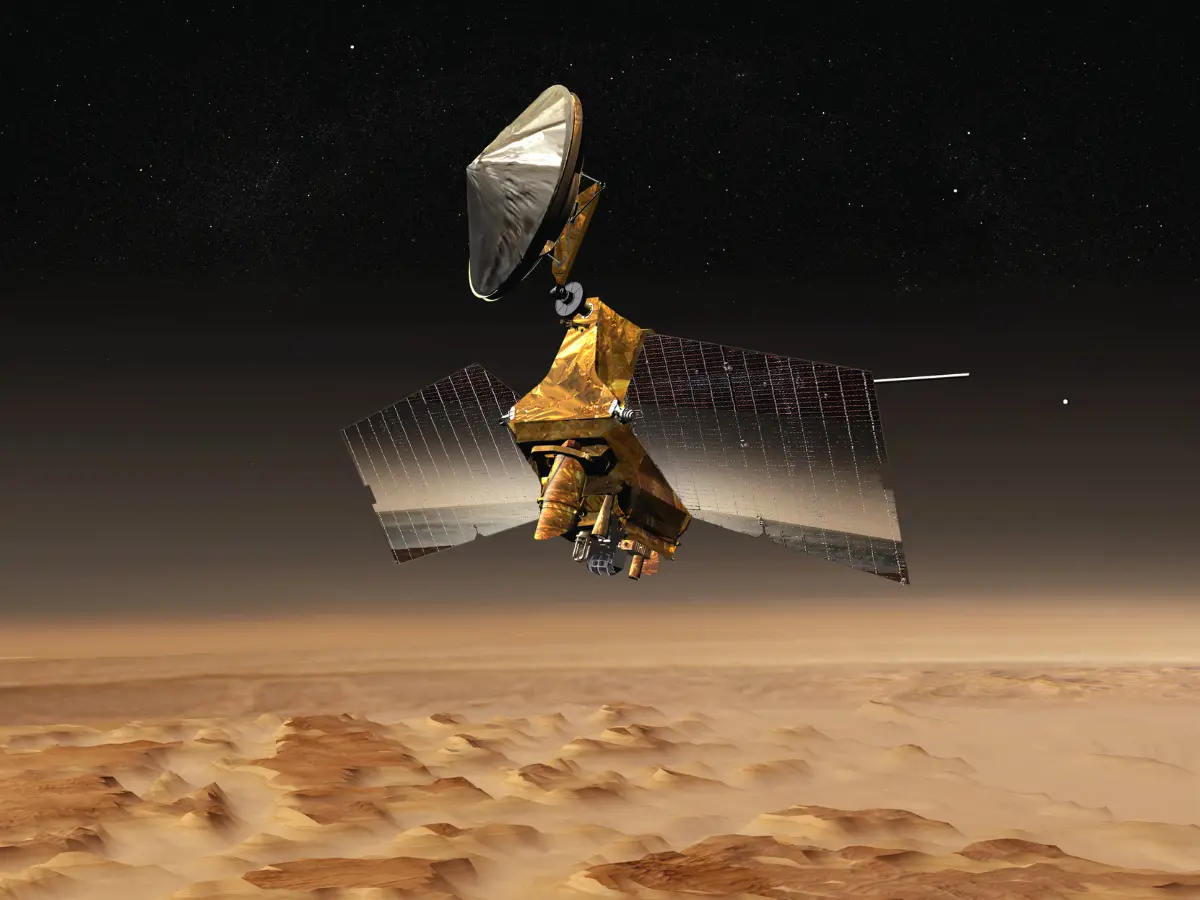
Mars Reconnaissance Orbiter can take a look at 3I/Atlas
The second window to intercept 3I/ATLAS opens in October when it comes near Mars. Loeb suggests using the HiRISE camera onboard the Mars Reconnaissance Orbiter. On October 3, 3I/ATLAS will be at a distance of 29 million kilometres from Mars, and move to being only 2.7 million kilometres in a couple of days.
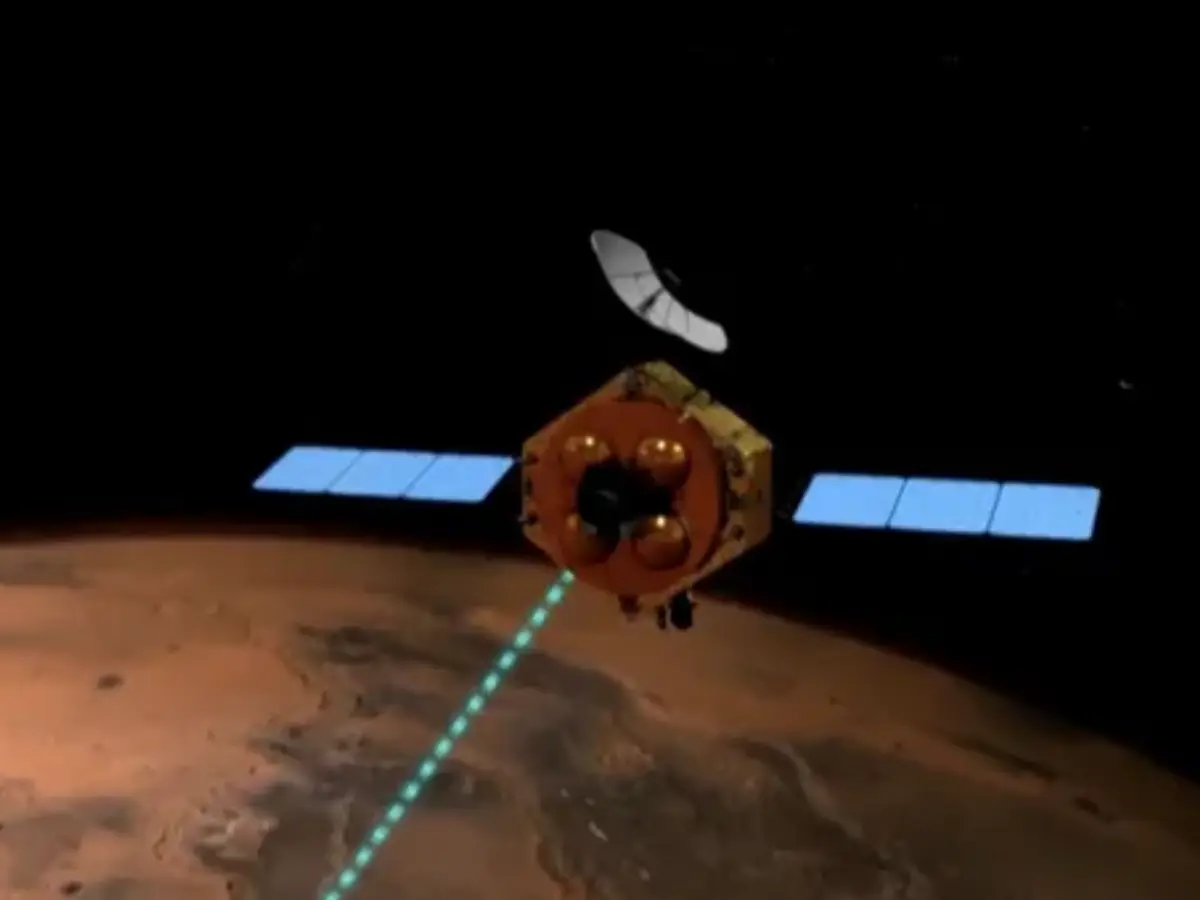
China's Tianwen-1 mission to Mars - Orbiter can look at 3I/Atlas
China also has an orbiter in place which was part of the Tianwen-1 mission to Mars. Loeb says its high-resolution camera can be used to monitor the object when it comes close to Mars. 3I/Atlas is set to fly pretty close to the red planet.
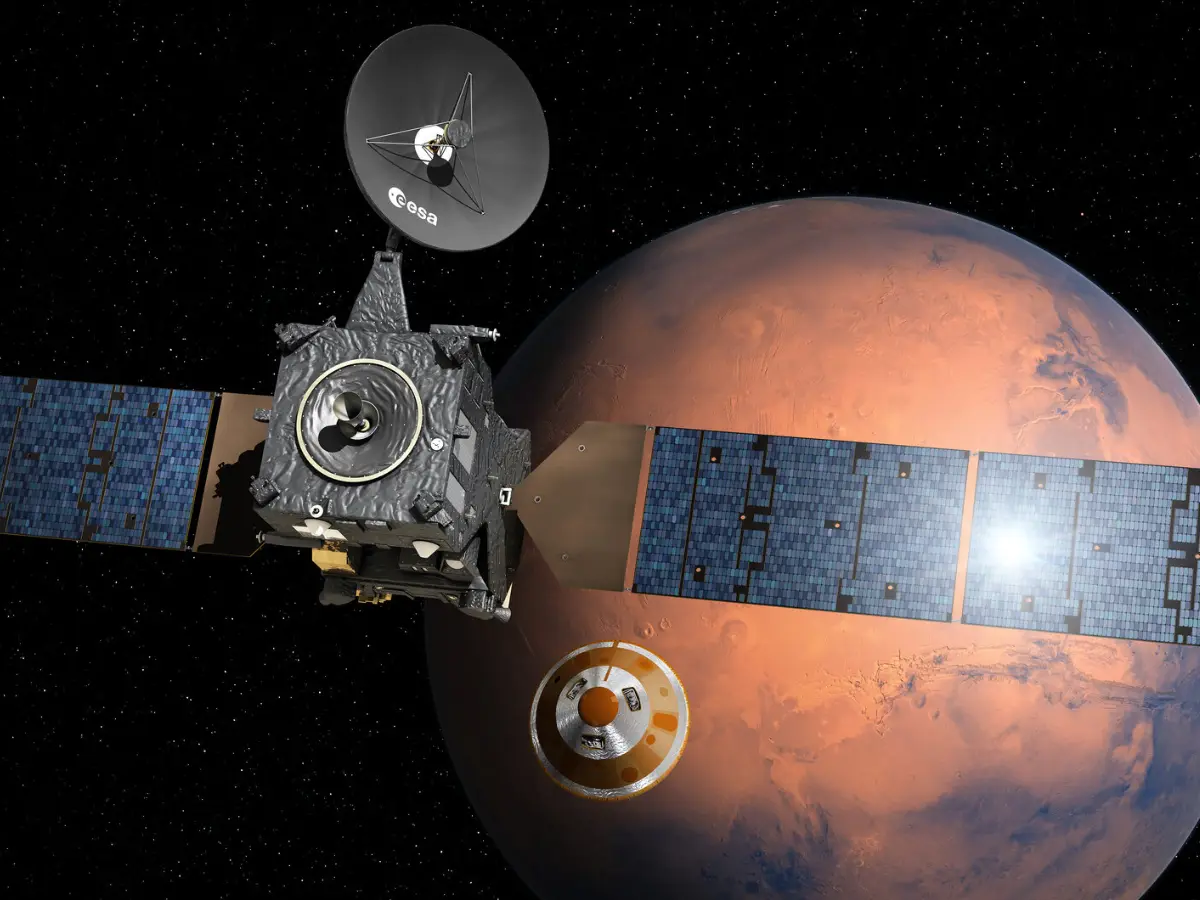
ExoMars Trace Gas Orbiter (TGO)
The European Space Agency (ESA) and Roscosmos jointly launched this mission to Mars in 2016. Its main aim is to study the Martian atmosphere. It detects trace gases, such as methane and water vapour, in the Martian atmosphere. This orbiter can also focus on the interstellar object 3I/Atlas when it comes close to Mars.

Mars Express Orbiter - Scanning Mars since 2003
ESA has had another mission hovering over Mars since 2003. While Beagle 2, the lander, didn't deploy fully, the Mars Express Orbiter has been sending data since 2004. It is capable of taking high-resolution images of the Martian surface. The mission has been extended several times and is due to stay in operation till December 31, 2026. The Mars Express's camera can also be turned towards 3I/Atlas and utilised to scan it and understand whether it is a comet or alien tech.

3I/ATLAS could release a mini precursor probe into Mars
There is also a chance that the distance will be entirely cut down to zero if an orbit correction of 10–15 kilometres per second occurs in September. Loeb thinks that 3I/ATLAS likely has a mini precursor probe ahead of it, which could crash into Mars. If this happens, and the Mars Reconnaissance Orbiter is ready to capture the scene, then we could learn a lot more about 3I/ATLAS.

3I/ATLAS brightened five times in a few weeks
The latest anomaly about interstellar object 3I/ATLAS that has come to light is its increasing brightness. NASA checked the data of other telescopes to see if they had picked up anything on it. They came across images of the visitor taken by Transiting Exoplanet Survey Satellite (TESS) in May. They observed that 3I/ATLAS had brightened five times in a span of a few weeks, something that is almost impossible to happen with a comet.
)
)
)
)
)