All about Strait of Hormuz, the only marine entryway into Gulf and why it's at the centre of US-Iran nuke tensions

The Strait of Hormuz, a vital oil chokepoint, remains central to US-Iran tensions as nuclear talks continue, with any disruption threatening global energy supplies and spiking oil prices.
US-Iran nuke talks
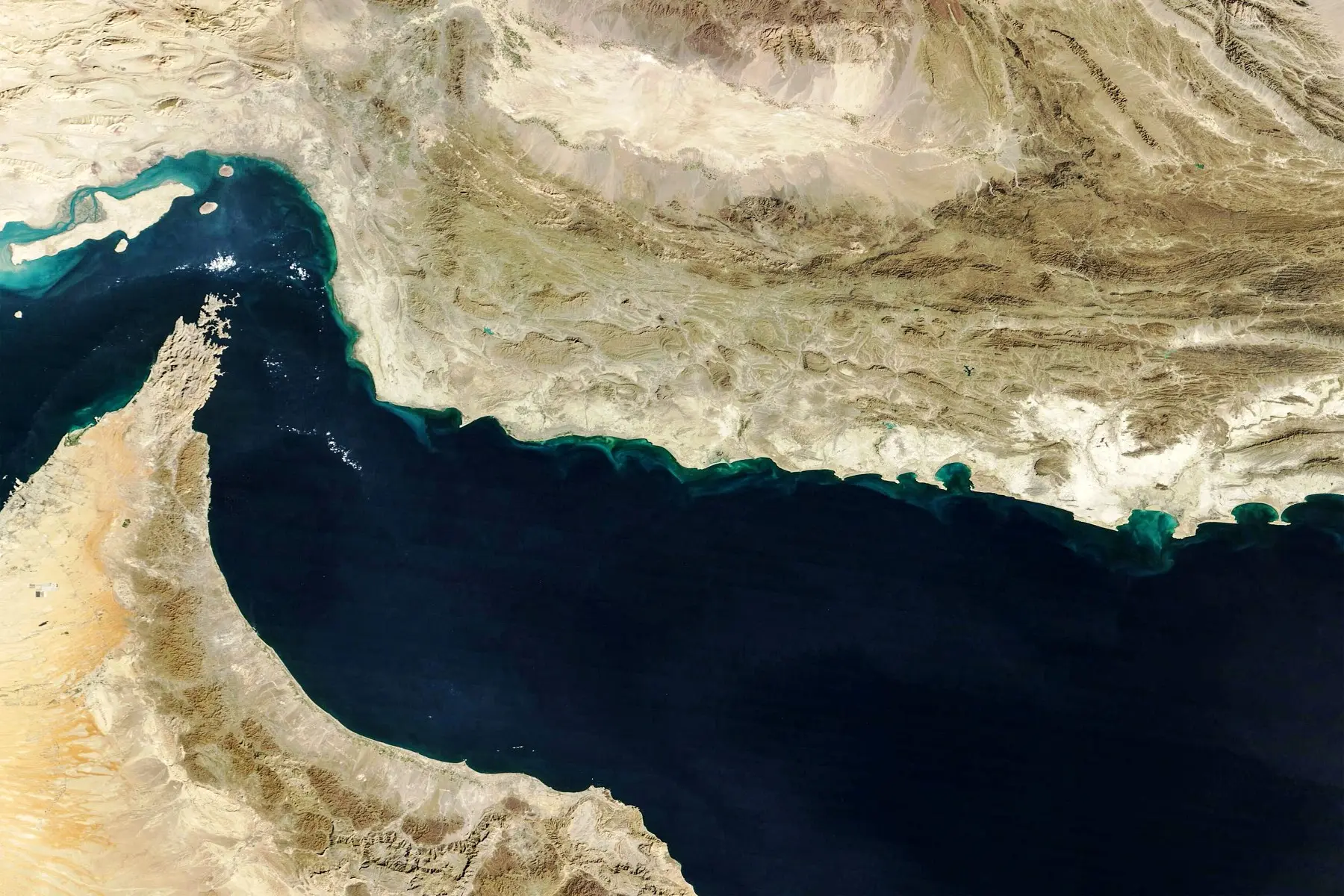
The second round of US-Iran talks on Tehran's nuclear programme concluded in Geneva on Tuesday (Feb 17). While the representatives were meeting for the crucial talks, it was reported by the local media that some parts of the Strait of Hormuz were expected to be closed for a few hours for a military drill. A day earlier, the first round of drills was done in the region.
Most important trade chokepoint
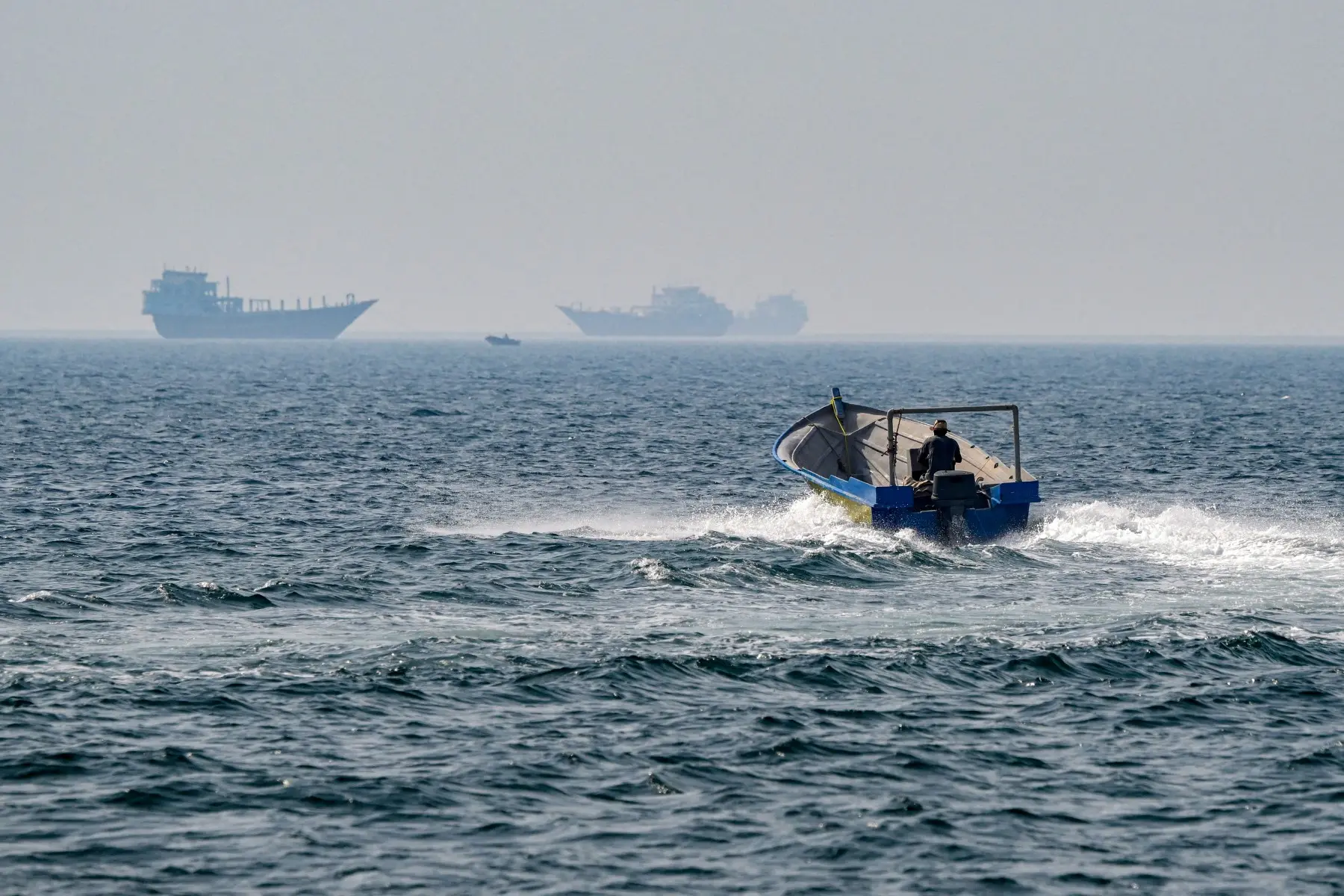
Around 20 per cent of global oil consumption, which is 20 million barrels of crude and fuels per day, is shipped via this waterway. Moreover, a quarter or more of global seaborne liquefied natural gas (LNG) also passes through this narrow corridor.
Why is the Strait of Hormuz central to US – Iran tensions?
Iran controls the northern shore of the strait, giving it geographic leverage over this key global artery. In the past, Iran has threatened to close or mine the Strait as retaliation against foreign military action or sanctions. Hence, there are chances Tehran could use this leverage if it gets pressure for a deal from the US. Although a full closure of the waterway is unlikely, as this would also impact the Iranian economy.
US presence
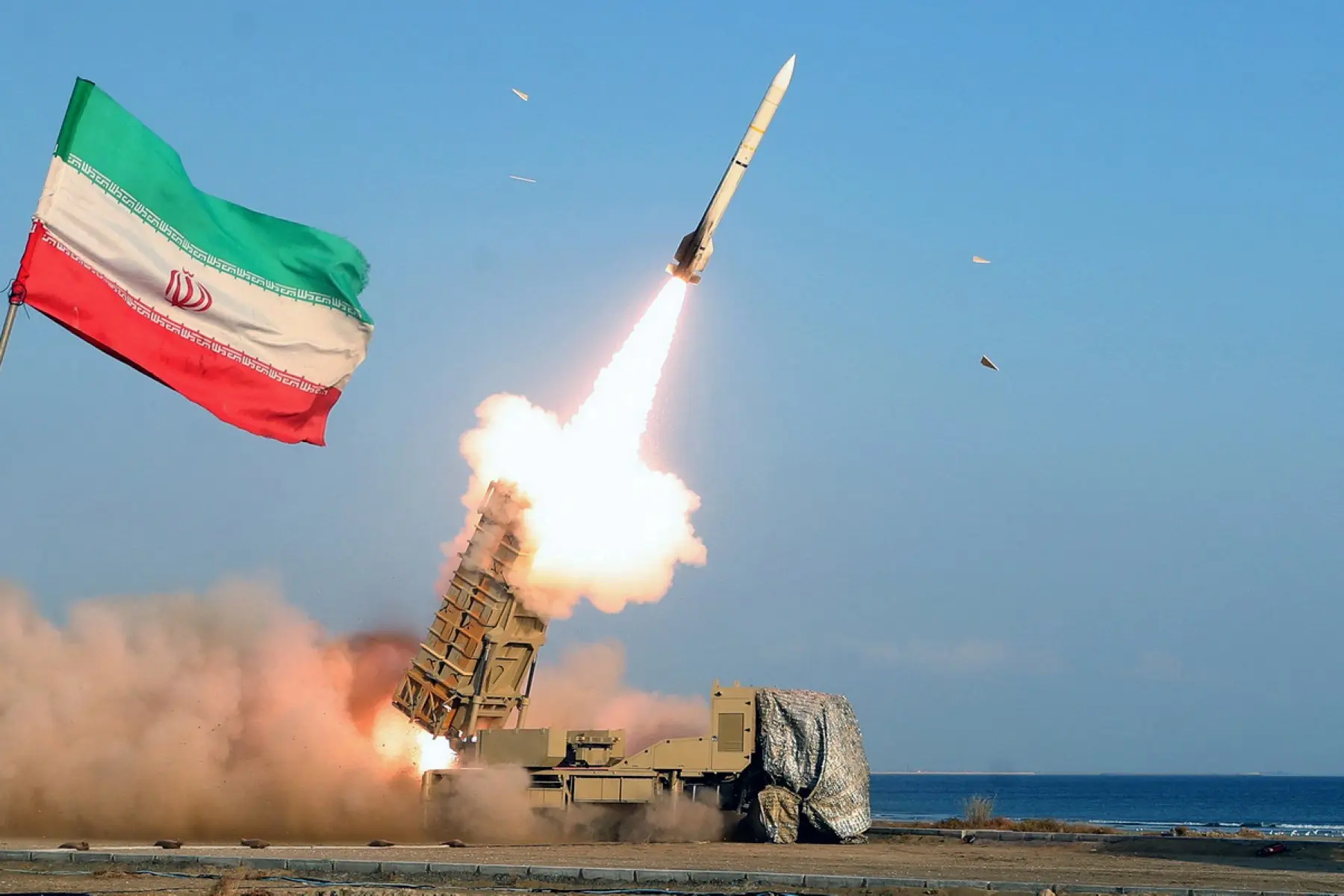
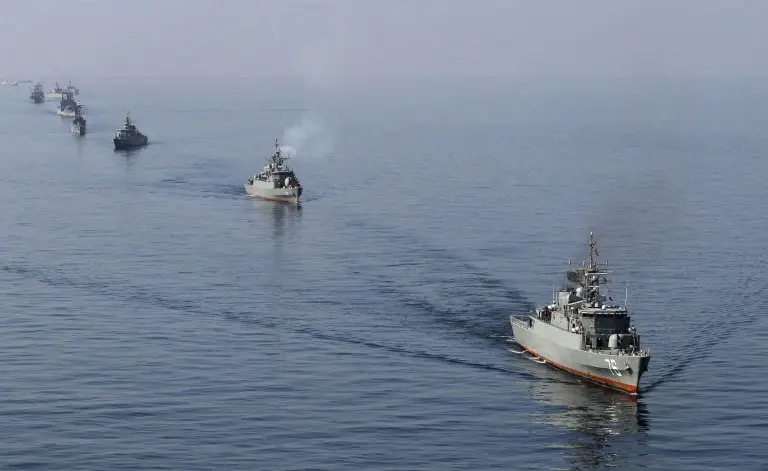
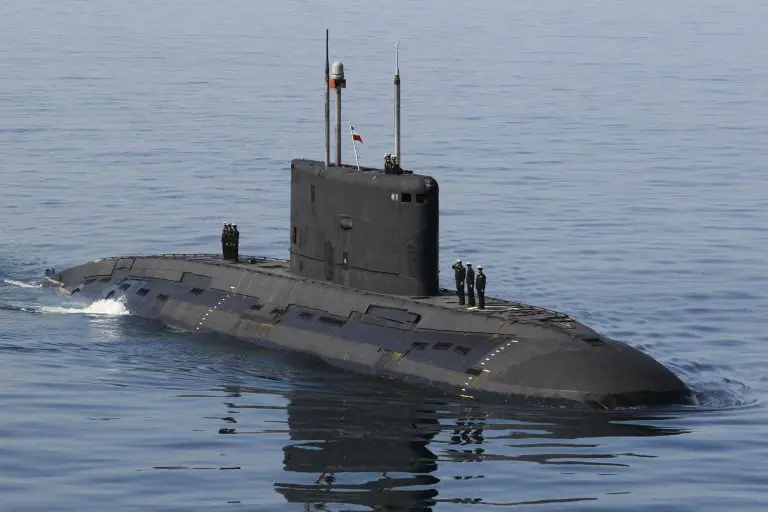
The US maintains a strong naval presence in the region to keep Hormuz open and safe for international shipping. Iran, in turn, has developed fast boats, missiles and anti-ship capabilities that could threaten vessels if tensions boil over.
What if Iran shuts it down?
If Iran decides to shut down the waterway, even temporarily, it would affect the oil prices and supply globally. Energy-exporting countries would face logistical chaos. Industries dependent on oil and gas would see rising costs.
)
)
)
)
)