Alien spaceship? Understanding how '3I/ATLAS' compares to 'Oumuamua and Borisov

3I/ATLAS was identified in 2024 by the ATLAS survey in Hawaii. Preliminary data suggests it has a hyperbolic orbit, confirming its interstellar origin.

1. Three Interstellar Visitors, One Big Question
When astronomers detect objects entering our Solar System from interstellar space, excitement and speculation run wild. The newly discovered 3I/ATLAS is the third known interstellar object, following ʻOumuamua (2017) and 2I/Borisov (2019). Each of these visitors offers unique clues about distant star systems, and fuels debates about whether such objects could ever be artificial, like alien probes. Understanding their differences helps separate facts from sensational claims.
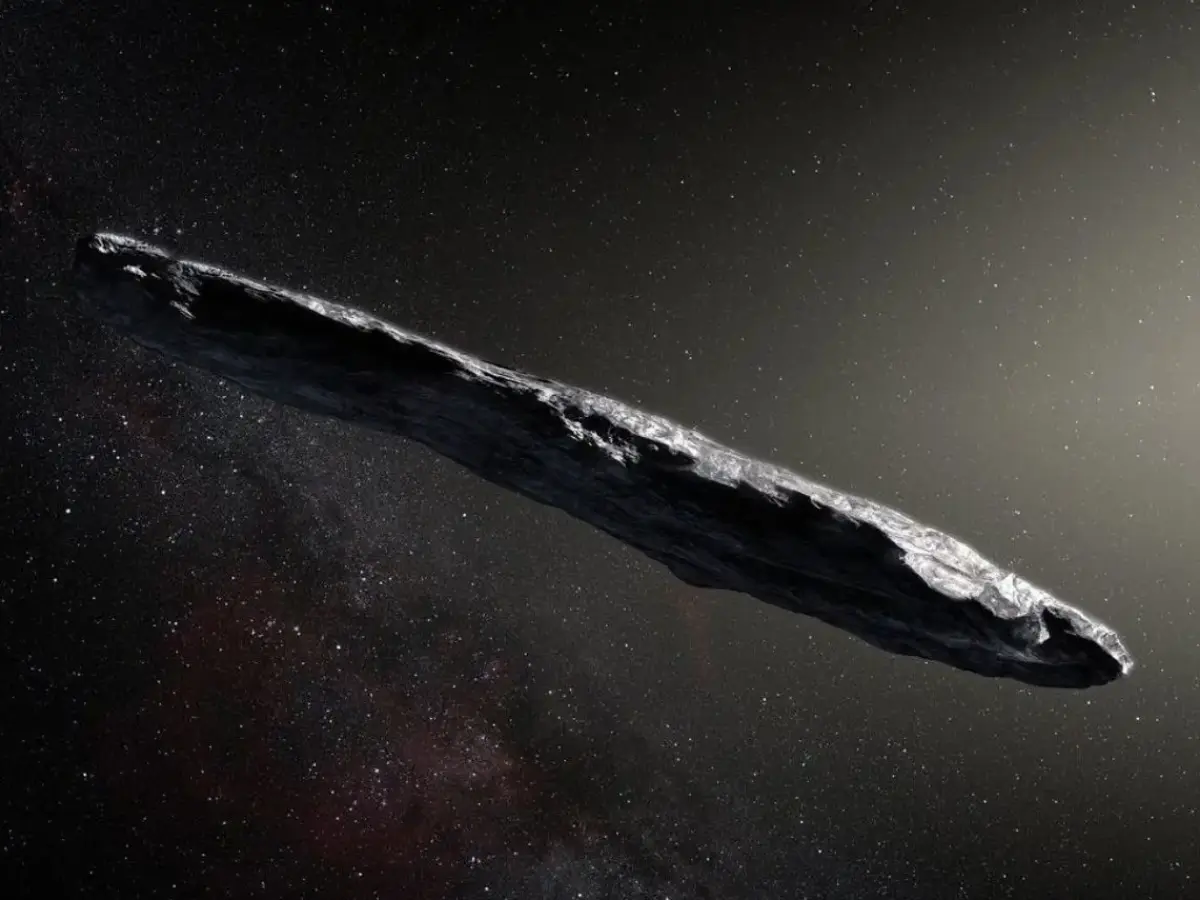
2. ʻOumuamua (2017): The Mysterious Pioneer
Discovered by the Pan-STARRS1 telescope in Hawaii, ʻOumuamua was the first known interstellar object to pass through our Solar System. Its elongated shape, unusual acceleration, and lack of a visible cometary tail puzzled scientists. Some researchers, like Harvard’s Avi Loeb, even suggested it might be an alien probe, a claim that sparked global headlines. However, mainstream astrophysicists argue its acceleration likely came from outgassing that wasn’t visually detectable. Even today, ʻOumuamua remains a mystery, inspiring new research on interstellar debris.
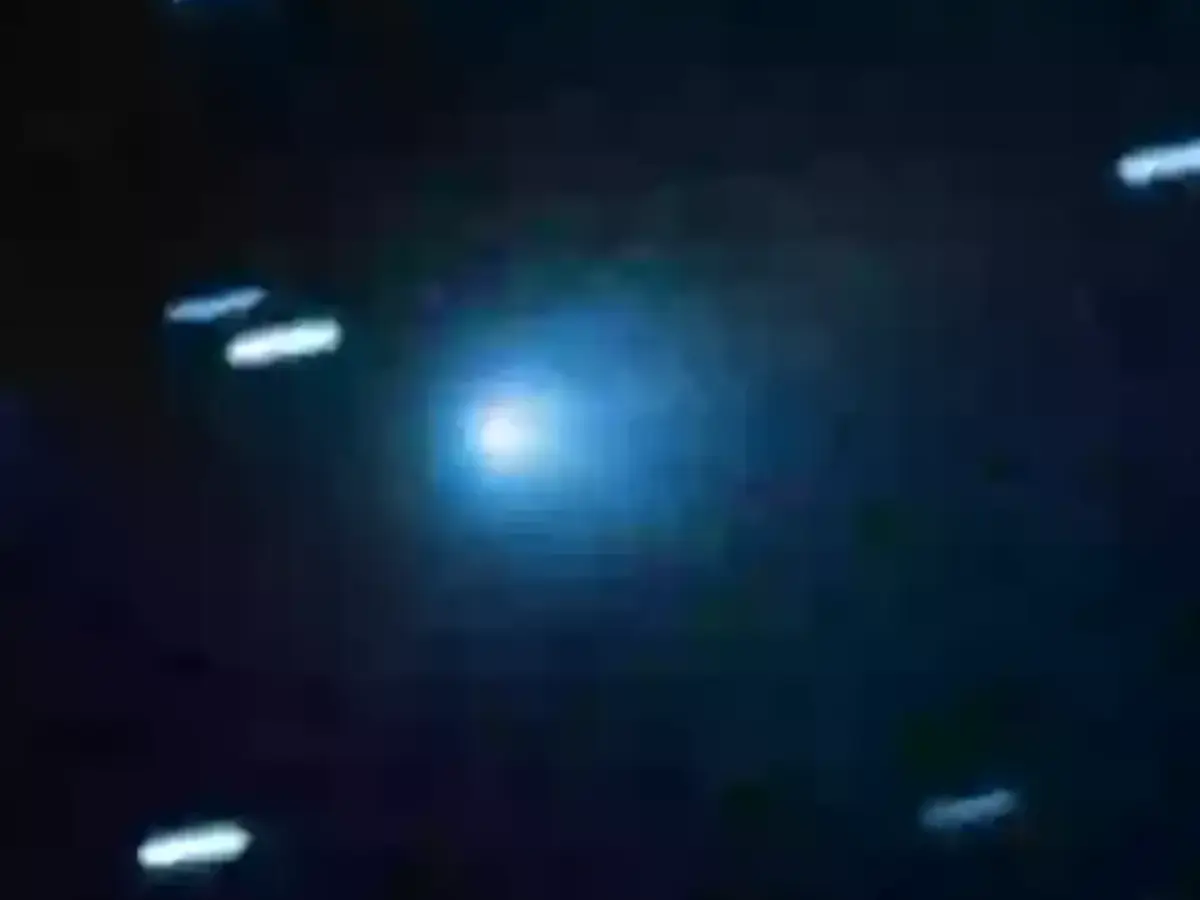
3. 2I/Borisov (2019): The More “Normal” Comet
In contrast, 2I/Borisov, discovered by amateur astronomer Gennadiy Borisov, behaved more like a conventional comet. It had a visible tail, followed predictable orbital dynamics, and provided the first chance to study an interstellar object up close using powerful telescopes. Observations showed that Borisov’s composition was surprisingly similar to Solar System comets, hinting that planetary formation processes might be universal across star systems. It lacked the unusual acceleration and shape that made ʻOumuamua so enigmatic.
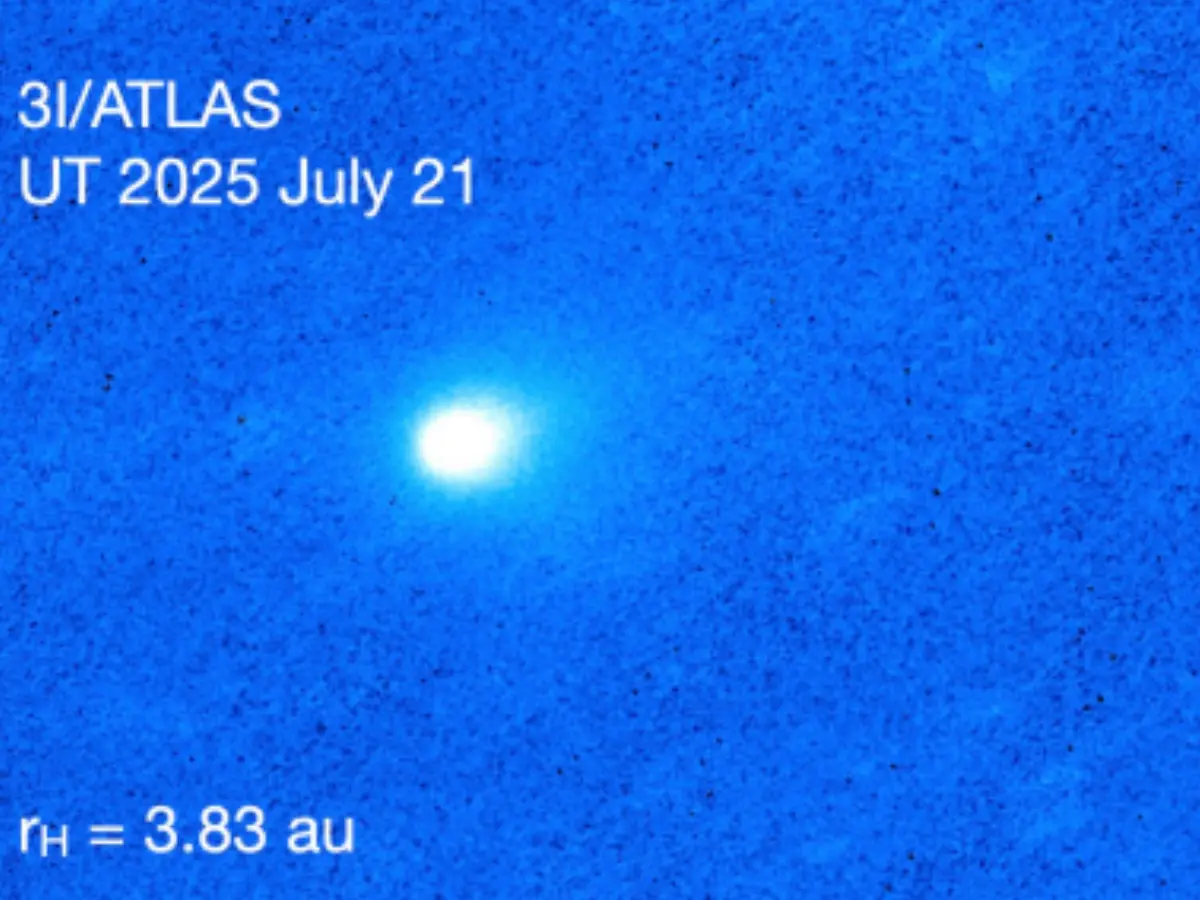
4. 3I/ATLAS: Early Observations Hint at a Unique Case
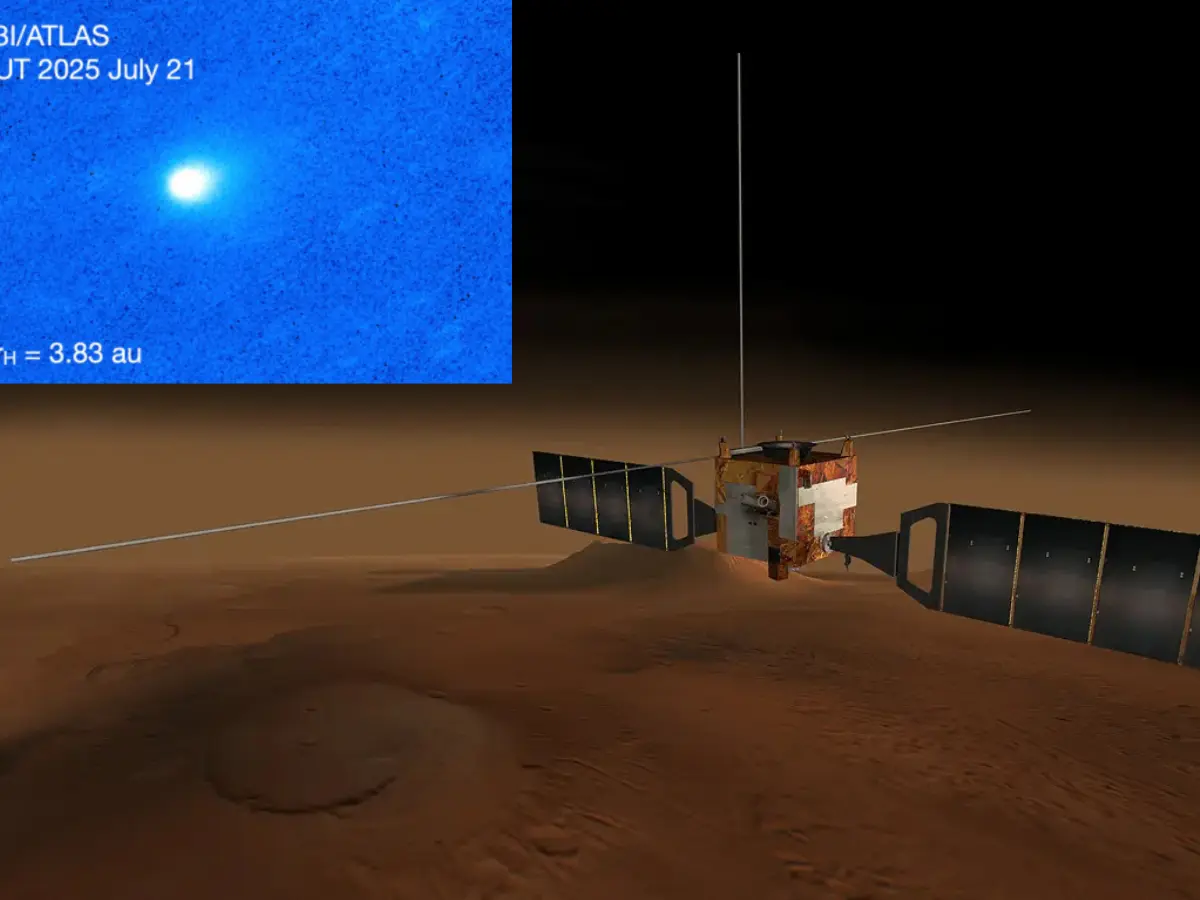
3I/ATLAS was identified in 2024 by the ATLAS survey in Hawaii. Preliminary data suggests it has a hyperbolic orbit, confirming its interstellar origin. Unlike ʻOumuamua, 3I/ATLAS shows signs of typical cometary activity, but scientists are still collecting data on its composition, shape, and trajectory. What makes 3I/ATLAS intriguing is its brightness and the timing of its approach, sparking conspiracy theories online about “alien motherships.” So far, there’s no evidence of anything artificial, but astronomers are closely monitoring it through 2025.
5. Comparing Shape, Speed & Behavior
Shape: ʻOumuamua had a cigar- or pancake-like elongated shape; Borisov looked like a regular comet; 3I/ATLAS appears more comet-like but details are emerging.
Speed: All three traveled at hyperbolic velocities, meaning they are not bound to the Sun. ʻOumuamua’s velocity was particularly high, suggesting it spent millions of years drifting between stars.
Behavior: ʻOumuamua accelerated mysteriously; Borisov followed expected physics; 3I/ATLAS shows early signs of typical cometary dynamics, but more data is needed.

6. Why Alien Theories Resurface Each Time
Each interstellar object ignites alien speculation because their origins are literally unknown. ʻOumuamua’s odd properties fuelled serious scientific debate about artificial probes. Borisov calmed some of that hype by behaving normally. Now, with 3I/ATLAS, the cycle is repeating, social media amplifies alien invasion theories before full scientific analyses are complete. In reality, the chances of these objects being alien crafts remain vanishingly small, but they are scientifically priceless for understanding other planetary systems.

7. A Rare Opportunity for Science
Interstellar visitors are extremely rare. Studying 3I/ATLAS gives scientists a unique glimpse into the composition of material from another star system without launching a probe. Telescopes worldwide, including the James Webb Space Telescope, are expected to observe it in the coming months. Each observation brings us closer to understanding how common objects like ʻOumuamua and Borisov are in our galaxy and whether they can tell us about the building blocks of planets far from home.
)
)
)
)
)