Alien planet: 9 places on earth that look like something from another world

Earth has many places that seem to come from another planet. These spots amaze visitors with strange colours, unusual shapes, and startling beauty. Let's explore some of these remarkable Earth landscapes that feel like a trip to space.
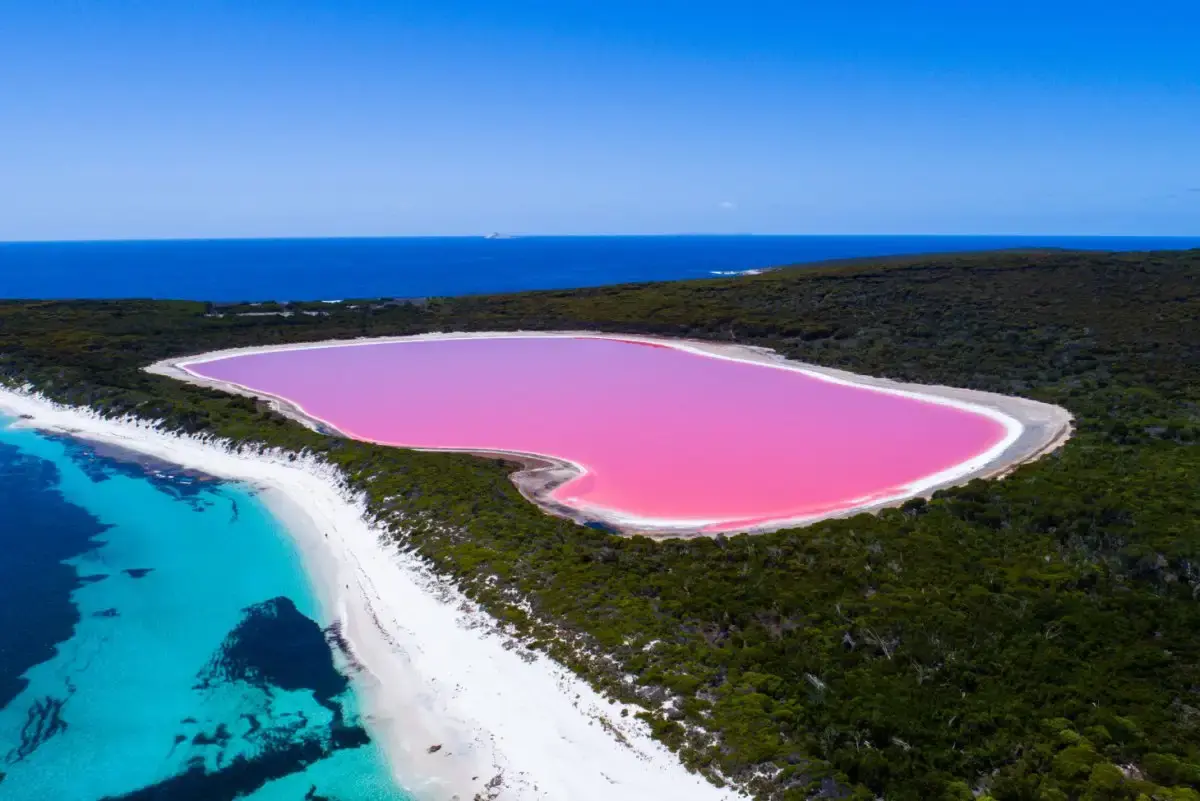
Pink Lake Hillier, Australia
Lake Hillier is famous for its pink water. Located on Middle Island, Western Australia, the lake's pink colour is likely due to tiny algae called Dunaliella salina and salt-loving bacteria. It stretches about 600 metres long and 250 metres wide. This natural wonder is best seen from above, where its pink glow contrasts with the blue ocean and green forest nearby.
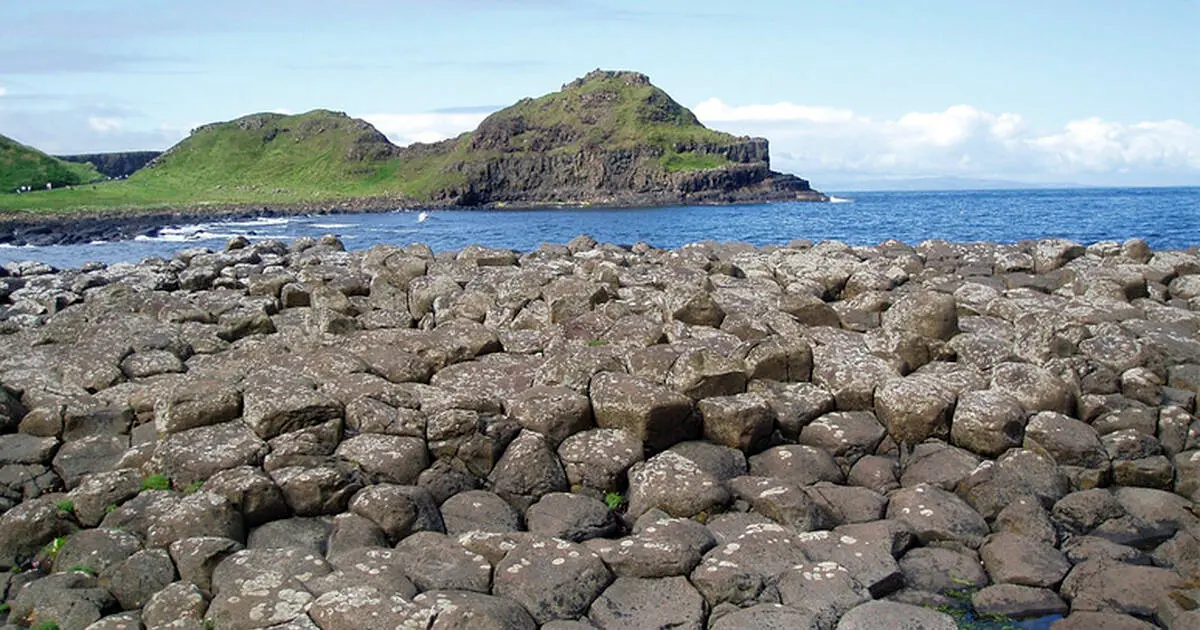
Giants Causeway, Northern Ireland
The Giants Causeway features nearly 40,000 hexagonal basalt columns created by volcanic lava cooling 60 million years ago. According to the National Trust, erosion shaped this lasting pattern. It is also linked to the legend of giant Finn McCool, who built the causeway to cross the sea. Classified as a UNESCO World Heritage Site, it is a unique mix of science and folklore.
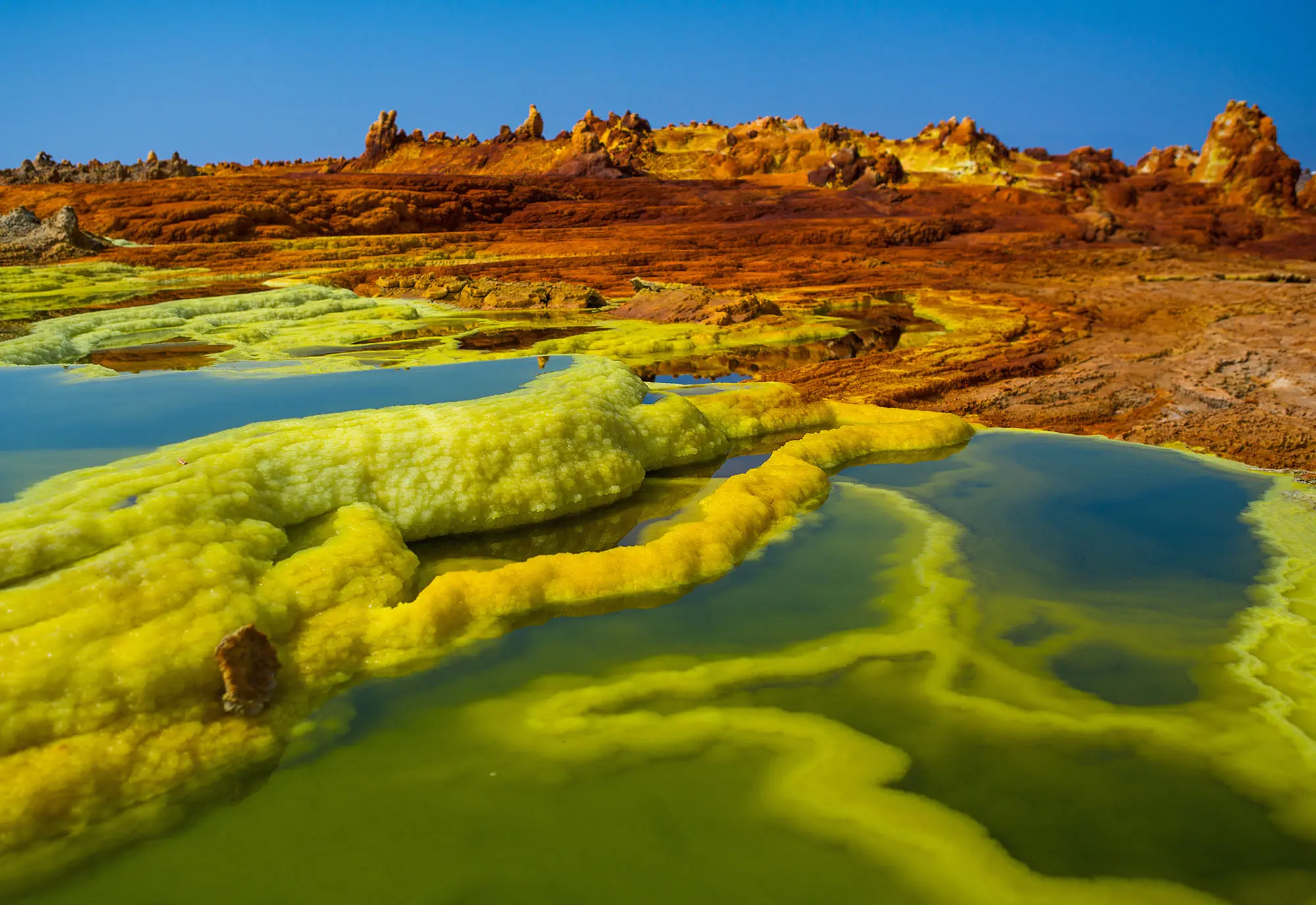
Danakil Depression, Ethiopia
Considered one of the hottest and most alien-looking places on Earth, the Danakil Depression lies 100 metres below sea level. Temperatures reach 45°C regularly. Sulphuric acid springs, colourful acid pools, and volcanic activity make it feel like standing on Venus. This region is formed by tectonic plates moving apart, shaping a harsh landscape seen even from space.
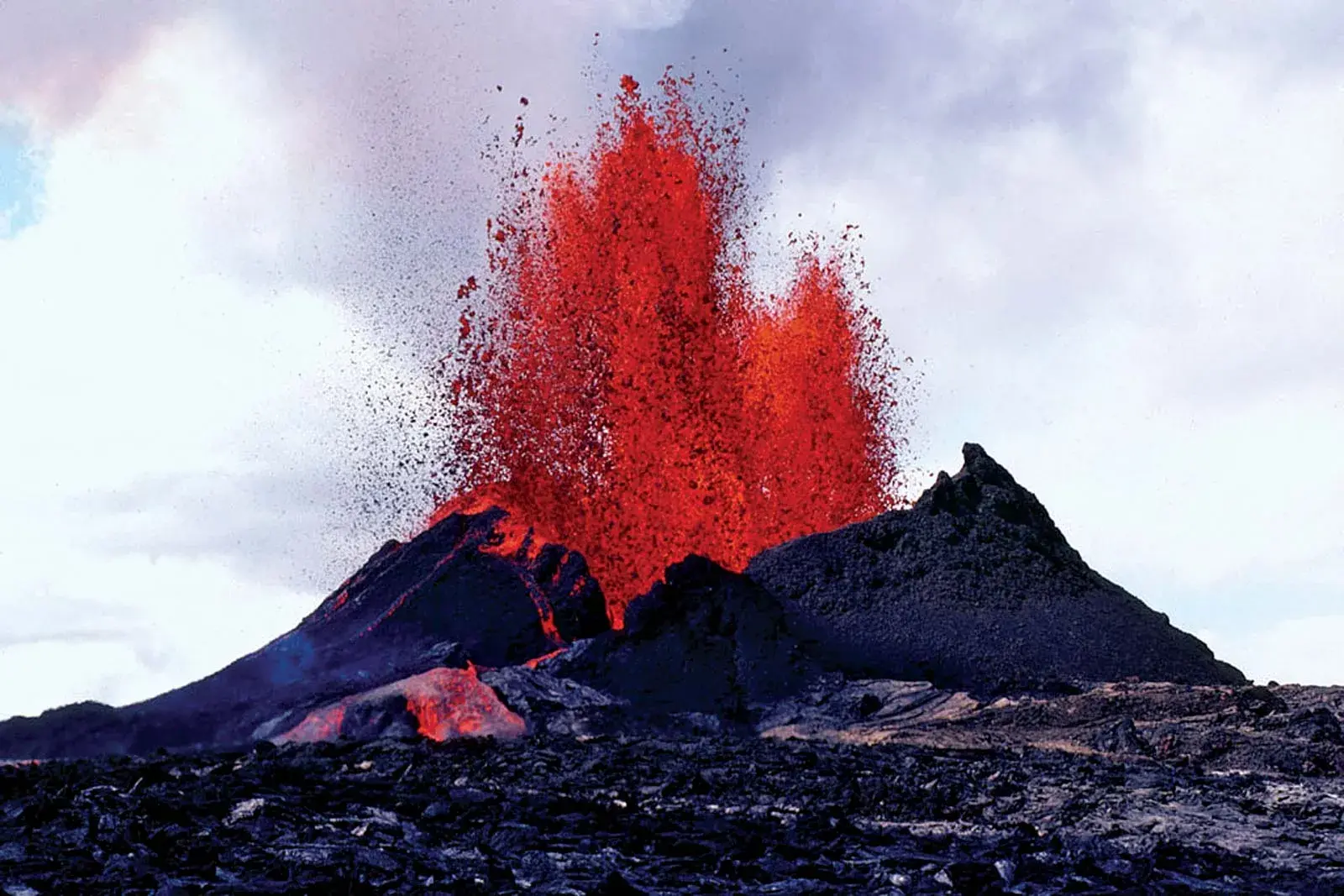
Kilauea Volcano, Hawaii
Kilauea is one of the world's most active volcanoes, erupting continuously since 1983. Its flowing lava has covered over 100 square kilometres and altered the Hawaiian coast. Visitors can watch the lava meet the Pacific Ocean, creating striking scenes. The volcano is inside Hawaii Volcanoes National Park, 72 kilometres from Hilo town.
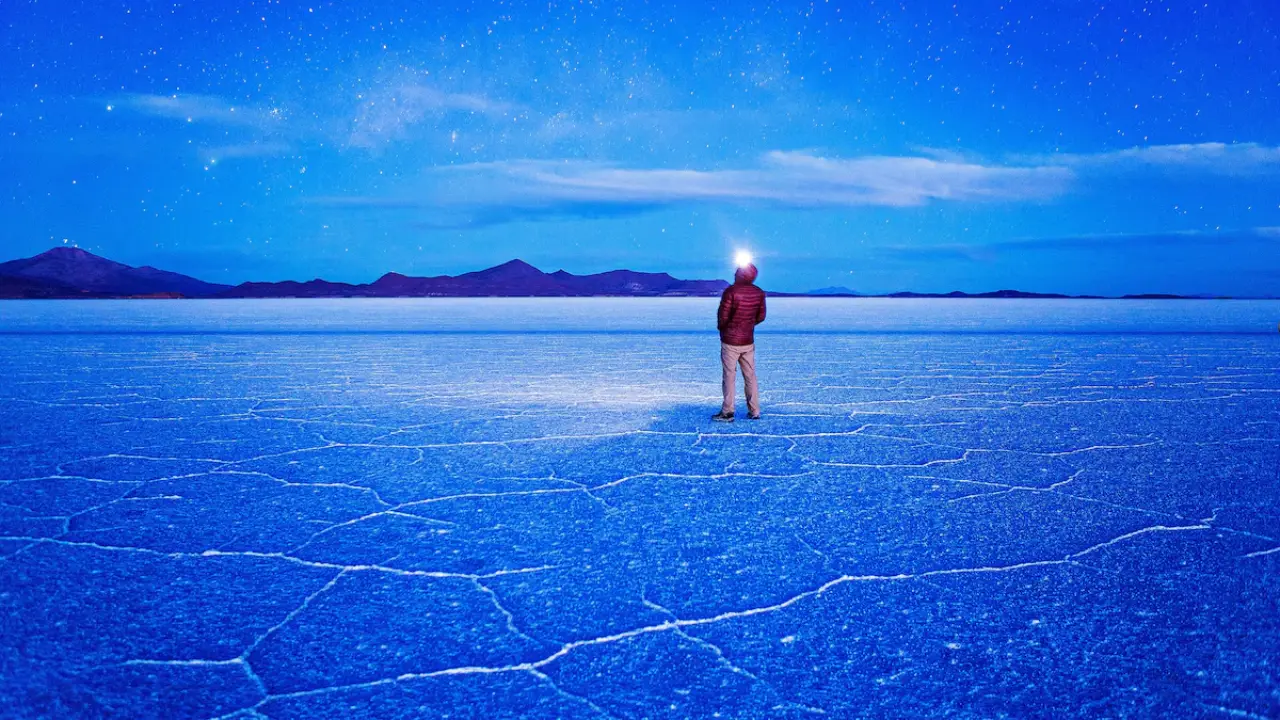
Salar de Uyuni, Bolivia
The world's largest salt flat, Salar de Uyuni covers more than 10,000 square kilometres. In the dry season, salt crystals form hexagons shaping a flat white landscape. During rainy months, water creates a mirror effect, reflecting the sky perfectly. This surreal sight has made it famous for photography and films.
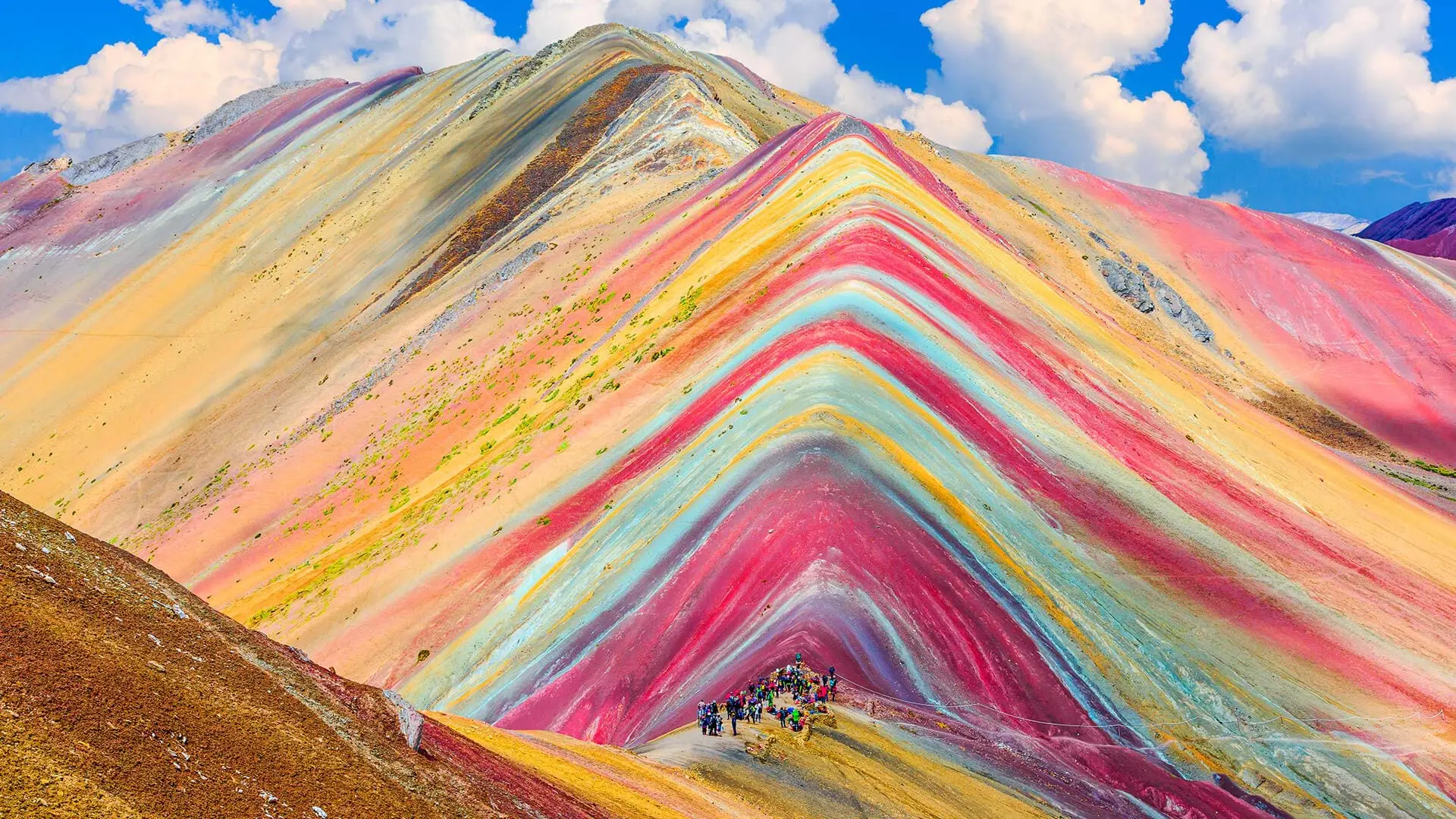
Rainbow Mountains, Peru
The Vinicunca Rainbow Mountains show natural layers of minerals in red, yellow, purple, and green shades. Formed over millions of years, mineral deposits shaped the colourful stripes we see today. The bright colours stand out against the surrounding Andes mountains.
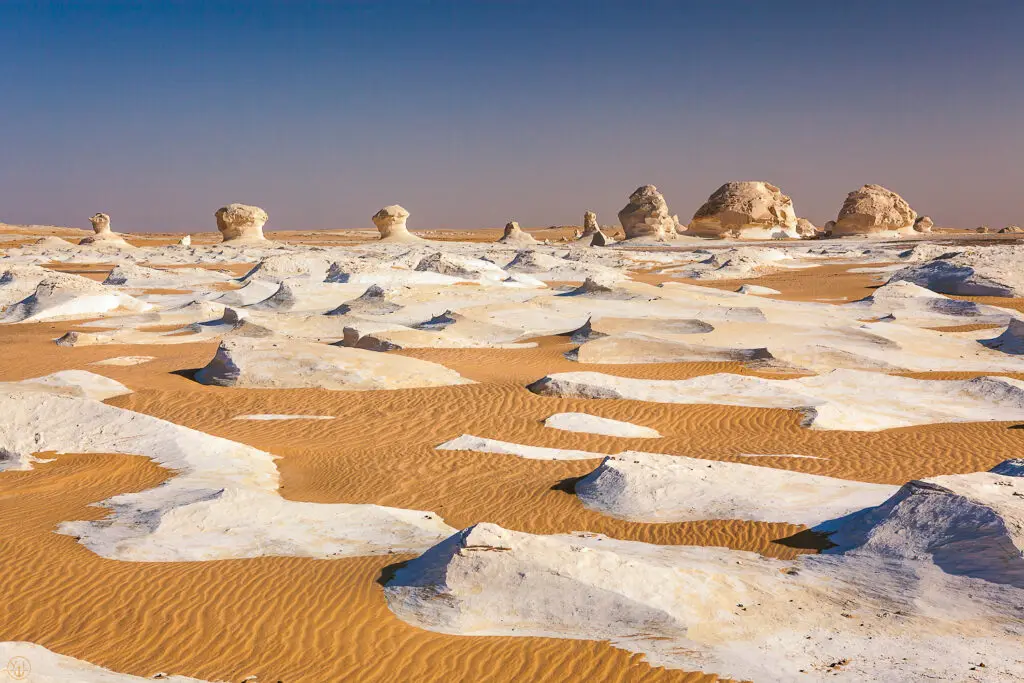
White Desert, Egypt
Made mainly of chalk and limestone, Egypt's White Desert features large white rock formations shaped by wind erosion over millions of years. These ghostly sculptures rise sharply from yellow sands. The landscape’s unique appearance makes it seem like an alien world in the middle of the Sahara.
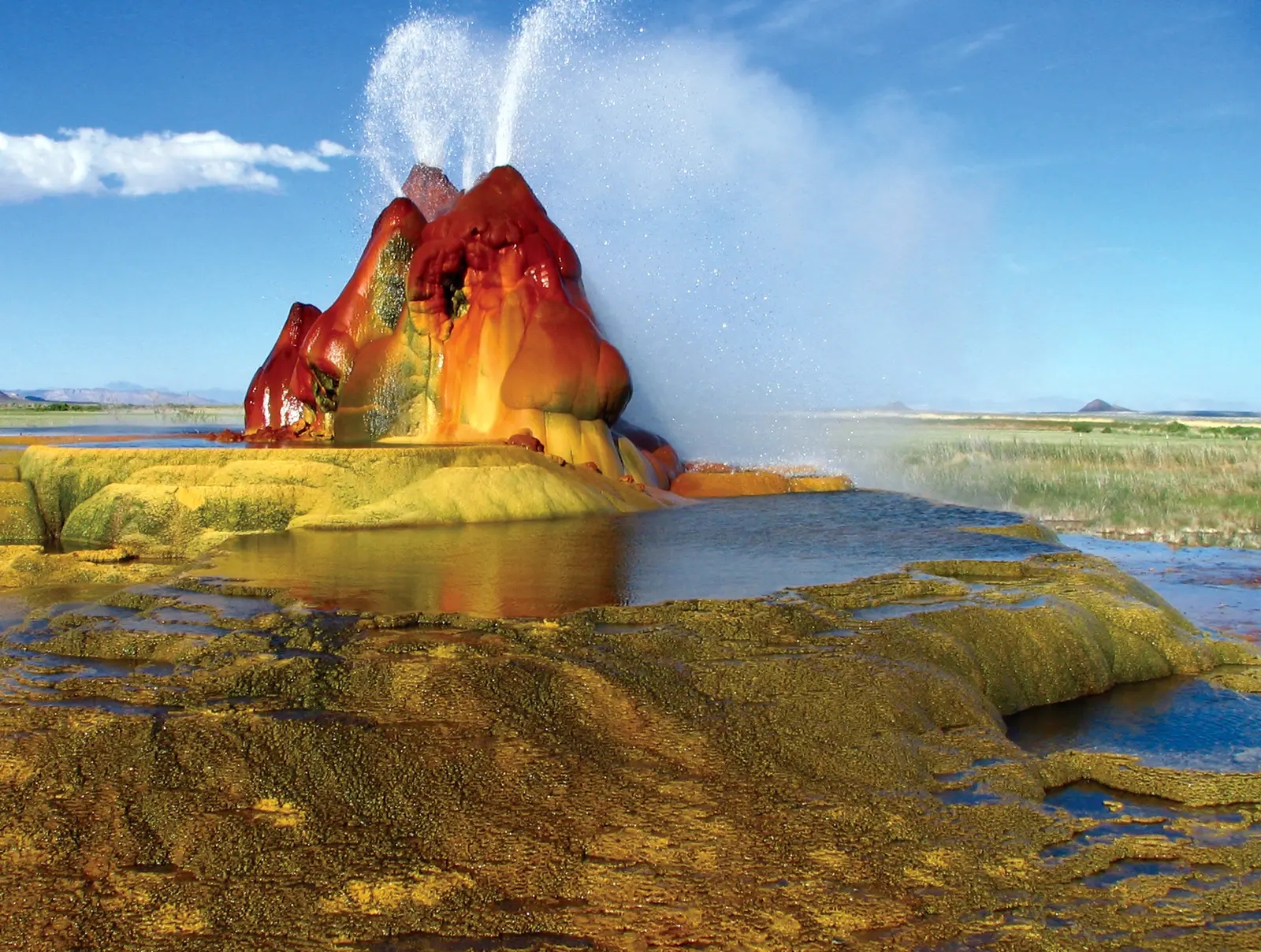
Fly Geyser, Nevada, USA
Fly Geyser is a man-made hot spring created by drilling in 1964. Mineral deposits built colourful towers in green, red, and orange shades. Its constant water flow and vivid colours make it appear otherworldly.
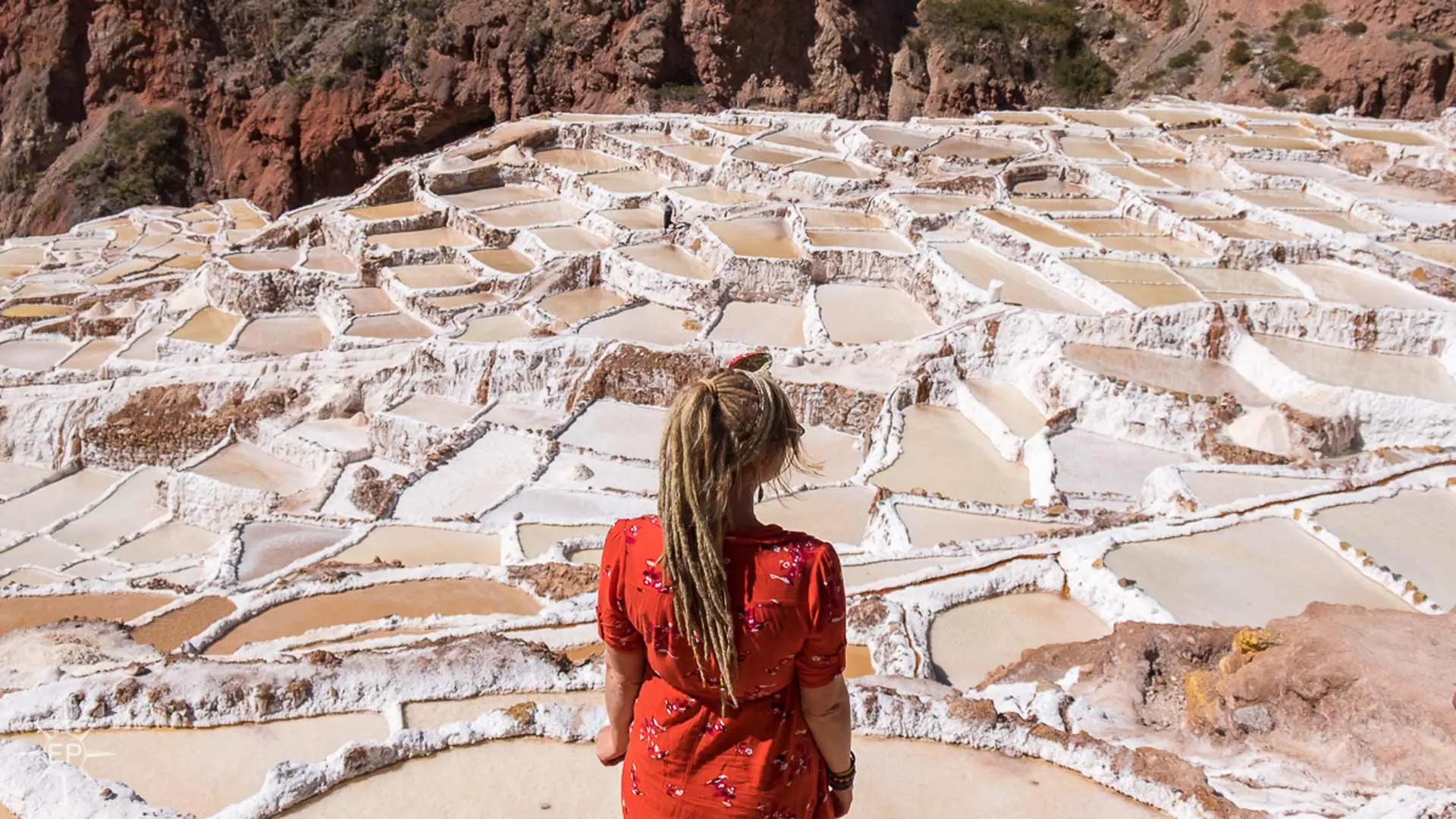
Maras Salt Mines, Peru
The Maras salt mines are ancient terraces carved into the mountainside. Thousands of salt pools collect water which evaporates, leaving salt crystals behind. This method has been used since Inca times and creates a shimmering white patchwork.
)
)
)
)
)