Alien fuel at Area 51? The shocking truth about Bob Lazar’s element 115 claims

Among his most astonishing revelations was the existence of a mysterious material he called Element 115.
Introduction
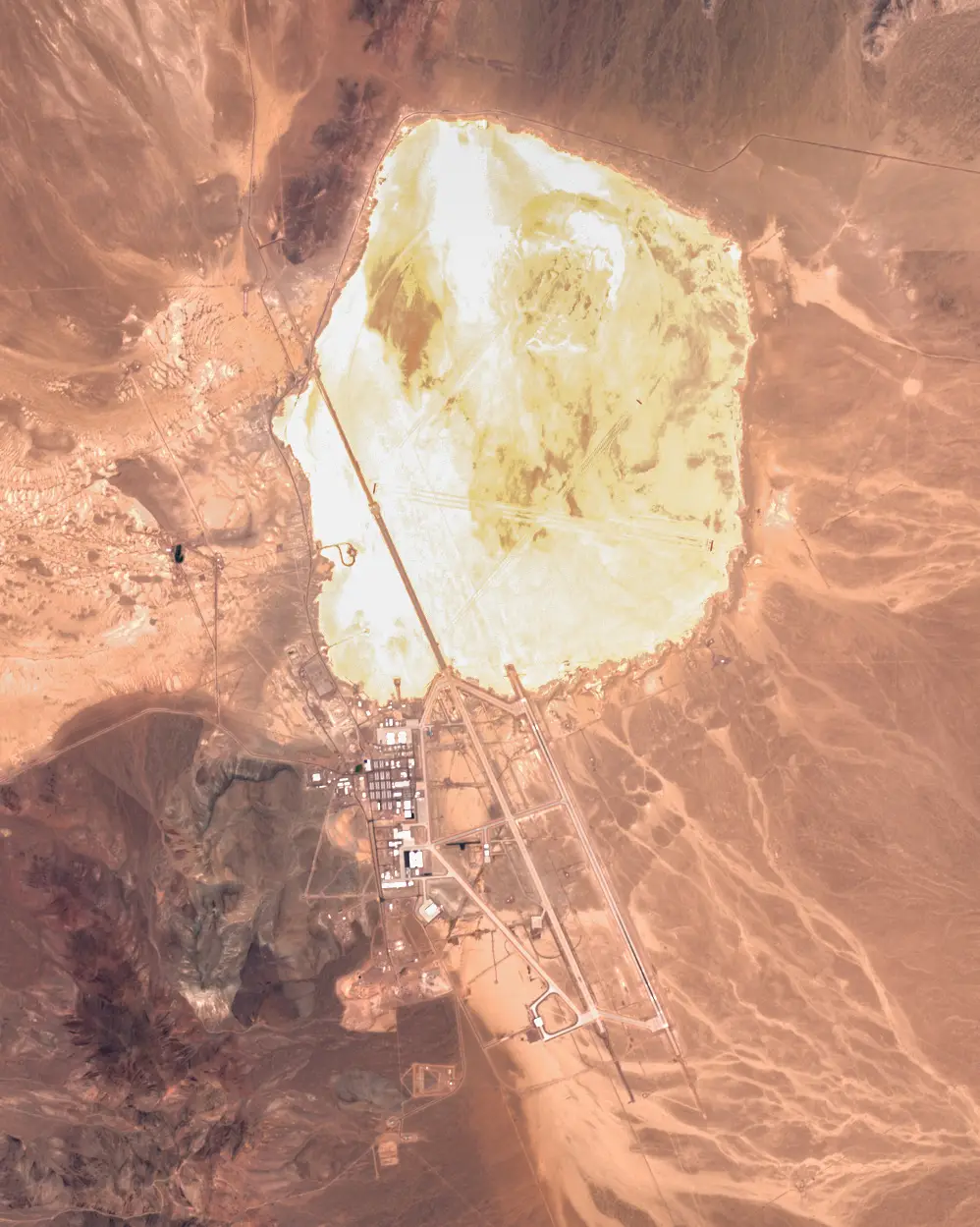
When Bob Lazar stepped into the spotlight in 1989, he made claims that would transform the world of UFO conspiracy theories. Speaking in a televised interview, Lazar asserted he had worked on reverse-engineering alien spacecraft at a facility known as S-4, close to Area 51. Among his most astonishing revelations was the existence of a mysterious material he called Element 115. According to Lazar, this exotic fuel was at the heart of extraterrestrial propulsion systems, capable of bending gravity itself. At the time, the element was unheard of in science. More than a decade later, laboratories succeeded in creating it, sparking renewed debate about whether Lazar’s testimony had some truth.
Lazar’s Description of the Alien Fuel
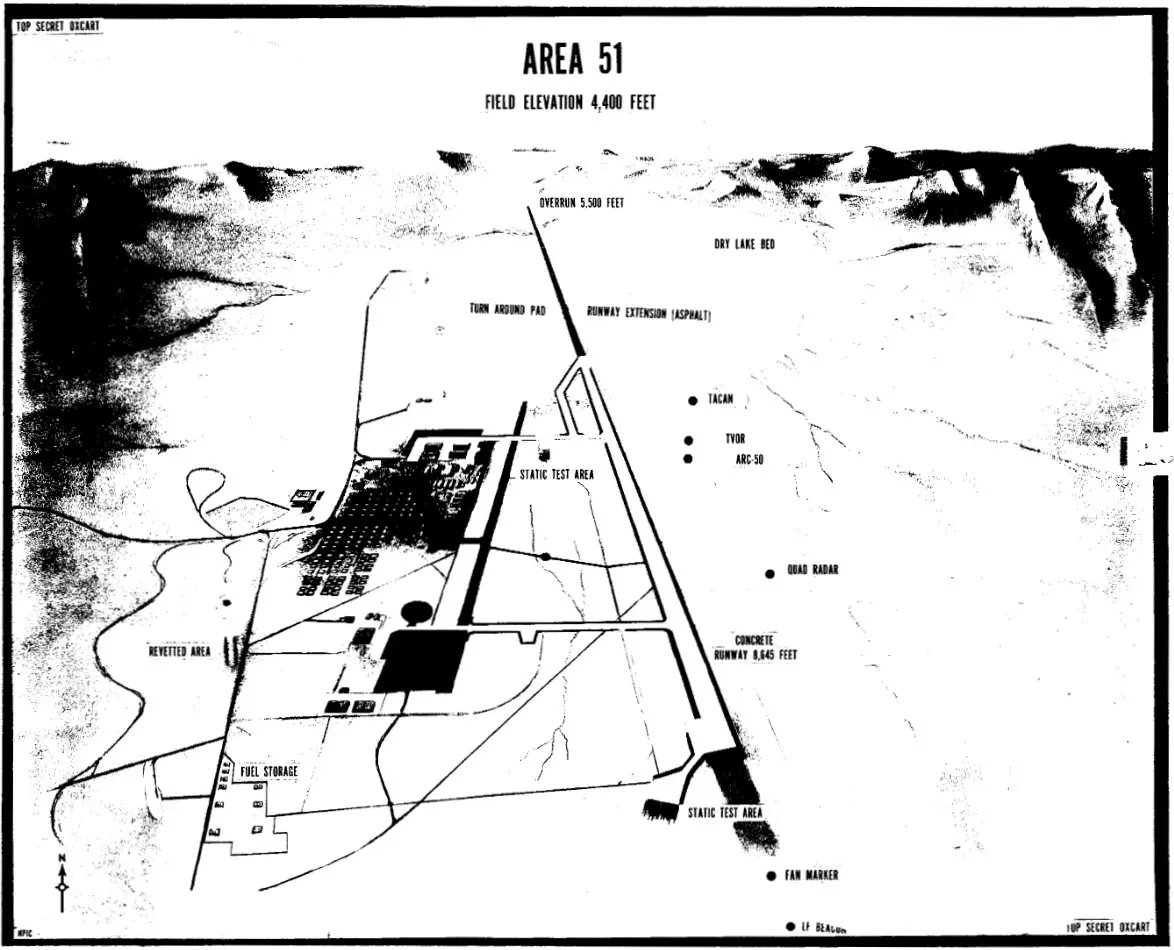
Lazar claimed that the alien spacecraft stored at S-4 were powered by reactors fuelled with Element 115. He explained that the material allowed the craft to generate a gravitational field, creating a 'warp' in space-time that enabled near-instantaneous movement. Unlike conventional propulsion, this system did not rely on combustion or thrust but instead manipulated the fundamental fabric of the universe. To Lazar, this explained how UFOs could perform sharp turns and impossible manoeuvres without subjecting occupants to crushing forces.
Science Catches Up: The Discovery of Moscovium
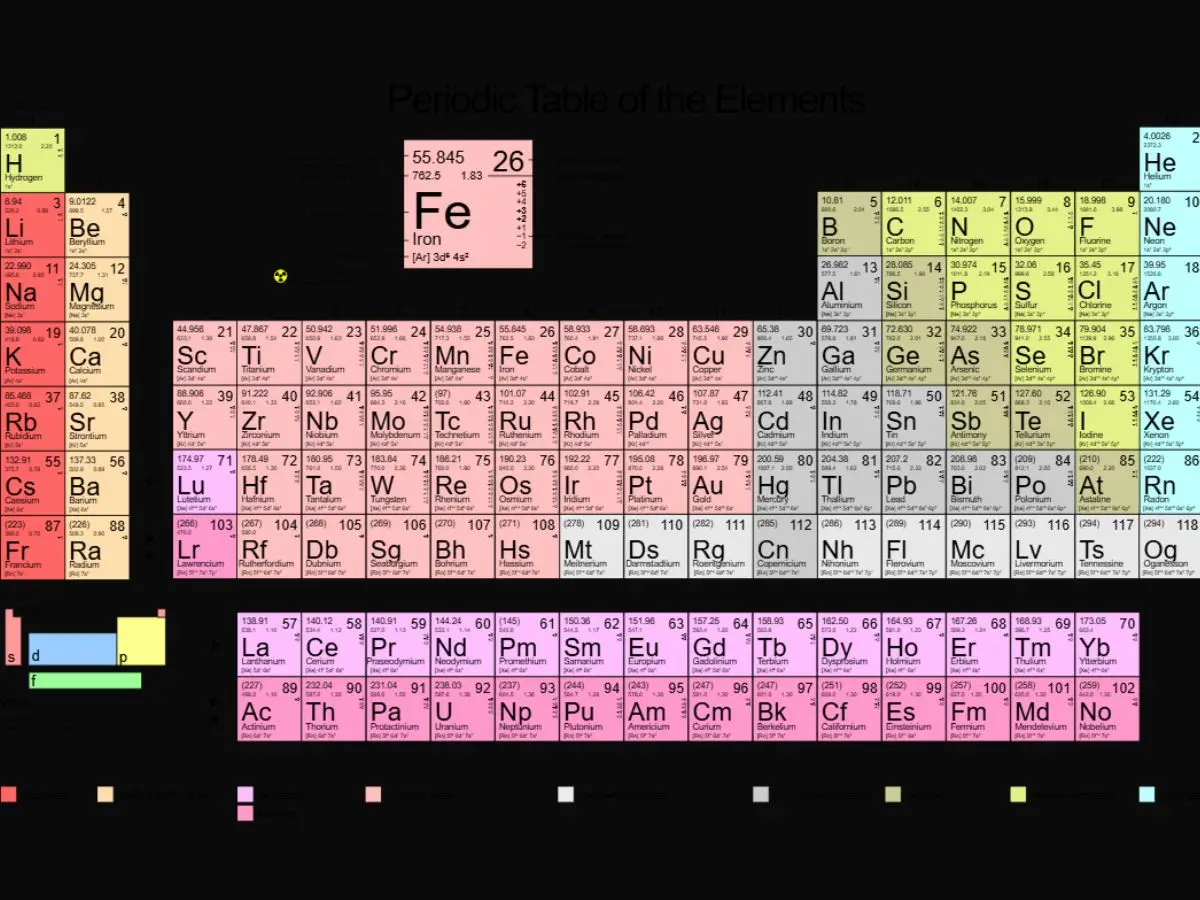
At the time Lazar spoke publicly, no such element existed in the periodic table. But in 2003, Russian scientists succeeded in synthesising Element 115, now officially known as Moscovium. The discovery appeared, at least superficially, to validate part of Lazar’s story. However, the form produced in laboratories was unstable, decaying within milliseconds. Lazar had insisted that the version used in alien technology was a stable isotope, something far beyond human capabilities. The coincidence between his claims and the later discovery remains one of the most cited arguments by UFO enthusiasts.

Gravity Manipulation and Propulsion
Central to Lazar’s testimony was the idea that Element 115 enabled gravity wave amplification. He described reactors that generated their own gravitational fields, allowing craft to distort the space around them. By 'falling' into these distortions, UFOs could achieve extraordinary acceleration without traditional engines. While mainstream physics has no evidence for such effects, the description continues to intrigue those exploring the fringes of propulsion research.

Cover-Ups and Conspiracies
Lazar maintained that the US government tightly controlled access to these technologies. He described an environment of secrecy at S-4, where scientists worked in isolation and were forbidden to share knowledge beyond their specific tasks. After going public, he claimed he was harassed, threatened, and discredited by officials. To his supporters, this alleged suppression demonstrates that he revealed classified truths. To his critics, it is further evidence of fabrication.
Fact, Fiction, or Something In Between?
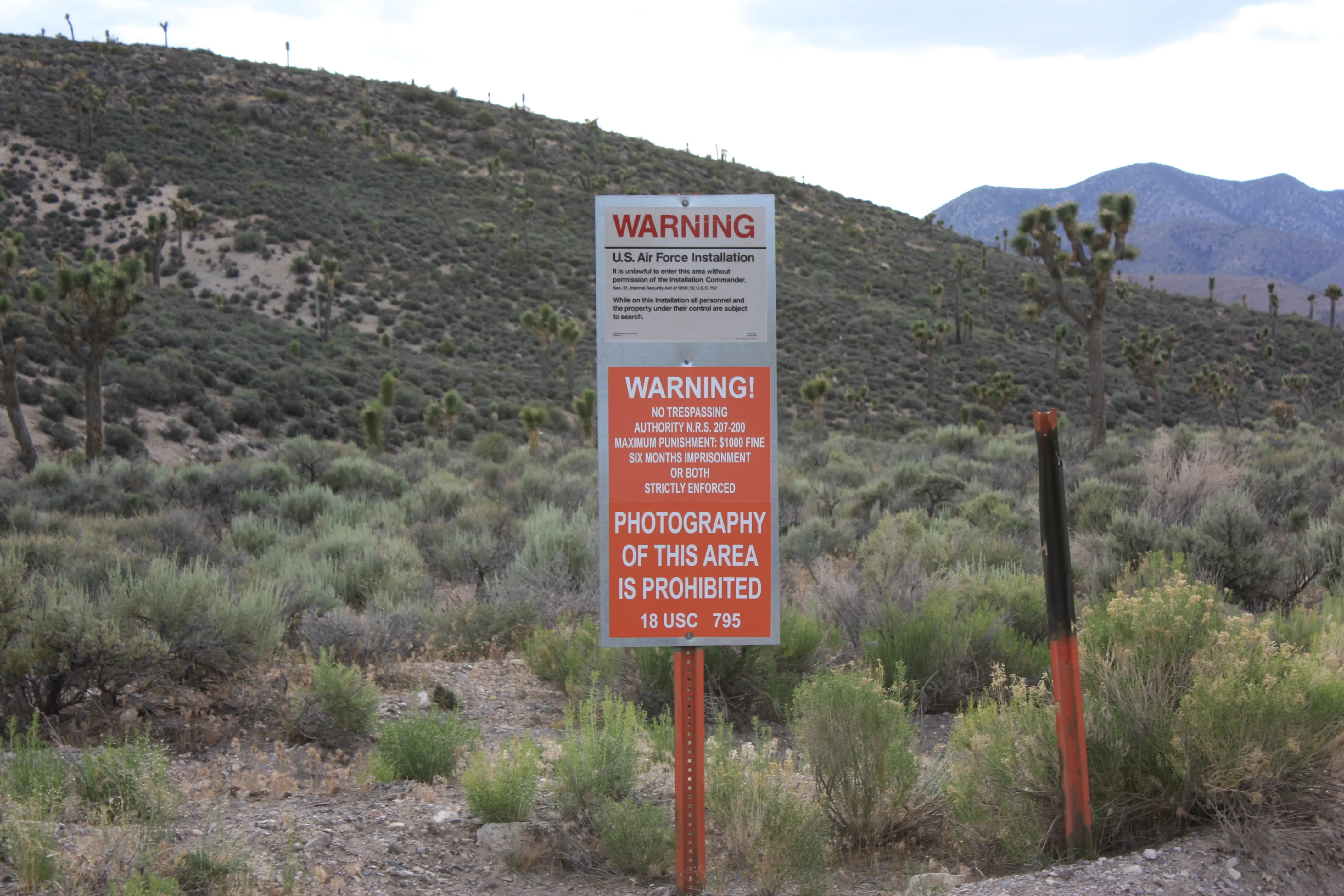
The contradictions in Lazar’s personal history, such as unverifiable academic records, have cast doubt on his credibility. Yet the later appearance of Element 115 on the periodic table keeps the debate alive. Was Lazar simply lucky in naming a future discovery, or had he truly encountered a stable isotope of the element in a secret government programme?

Conclusion
Element 115 stands at the heart of Bob Lazar’s explosive claims about alien technology. Its eventual discovery has only fuelled speculation that his testimony was not entirely invented. While mainstream science views Moscovium as unstable and impractical, believers argue the story is far from over. If a stable version of the element exists, as Lazar described, it could represent not just proof of extraterrestrial contact but a revolution in human understanding of physics and propulsion.
)
)
)
)
)